Nova Scotia Insurance Since 2007
It's incredibly frustrating when you're trying to do the right thing as an off-highway vehicle owner in Nova Scotia, only to find the rules around insurance a bit murky or confusing. Many riders worry about being caught without proper coverage or simply not understanding what their policy actually entails. This guide aims to clear up the landscape of ATV and UTV insurance in Nova Scotia, particularly focusing on the key changes and requirements that have been in place since 2007, so you can ride with peace of mind.
The Mandate for Insurance: What Changed in 2007?
Before 2007, the landscape for off-highway vehicle (OHV) insurance in Nova Scotia was a bit different, often leaving riders in a grey area regarding liability. While responsible riders usually carried some form of coverage, it wasn't a universal mandate, and this could lead to significant problems in the event of an accident. Imagine a scenario where you're out enjoying the trails, an unexpected incident occurs, and the other party has no way to cover damages or injuries. This lack of a clear, provincial-level requirement created a lot of uncertainty and put individuals at considerable risk. It was a situation that highlighted a gap in public safety and consumer protection.
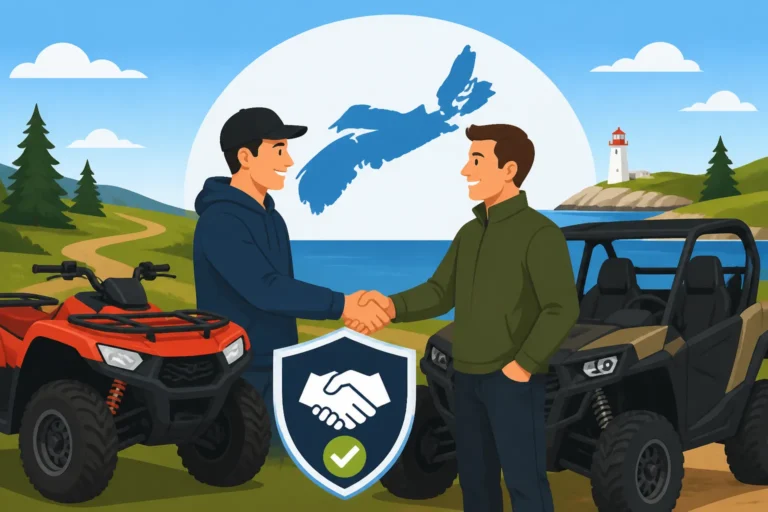
The year 2007 marked a pivotal moment for OHV owners in Nova Scotia. The provincial government enacted new regulations that made it mandatory for all off-highway vehicles operating on public lands or trails to carry specific liability insurance. This wasn't just a minor tweak; it was a fundamental shift designed to protect all parties involved in an OHV incident. The primary goal was to ensure that if an accident happened, there would be a mechanism in place to address medical costs, property damage, and legal liabilities. This brought OHV use more in line with the requirements for on-road vehicles, acknowledging the growing popularity and potential risks associated with ATVs and UTVs.
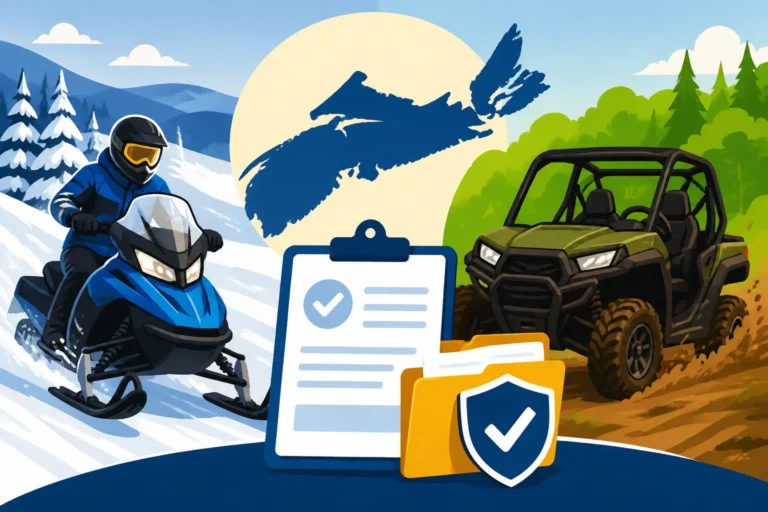
This change particularly affected anyone operating an ATV, UTV, dirt bike, or snowmobile on designated trails, Crown land, or any area accessible to the public. It meant that casually heading out for a ride without checking your insurance status was no longer an option. The new rules placed the onus firmly on the owner to ensure their machine was not only registered but also adequately insured. This move reflected a broader effort to formalize OHV use, promote rider safety, and create a more responsible riding culture across the province. Riders needed to understand that simply owning a machine wasn't enough; they had to be prepared for the financial repercussions of any mishaps. You can find more details on this in Nova Scotia Insurance Since 2007.
Understanding Your Nova Scotia OHV Insurance Policy
Navigating the specifics of an insurance policy can feel like reading a foreign language, but for OHV owners in Nova Scotia, grasping the basics is crucial. The cornerstone of the 2007 regulations is the mandatory liability coverage. This isn't just a suggestion; it's a legal requirement. Specifically, you need to carry a minimum of $500,000 in third-party liability insurance. What does this mean in plain English? It means that if you're involved in an accident and are found responsible for causing injury to another person or damage to their property, your insurance company will cover these costs up to that $500,000 limit. This is about protecting other people and their property from your actions, not necessarily covering damage to your own machine. For more specifics, check out [Nova Scotia's $500,000 Liability Minimum].
Beyond liability, most standard OHV policies in Nova Scotia also include what's known as accident benefits. This coverage is designed to provide compensation for medical expenses, rehabilitation, and loss of income for you or any passengers, regardless of who was at fault in an accident. It's a vital safety net that often gets overlooked but provides crucial support when you need it most. Additionally, uninsured motorist coverage is typically part of a comprehensive policy. This protects you if you're involved in an accident with an uninsured or unidentified driver. While we all hope to never use these aspects of our policy, knowing they're there provides significant peace of mind.
A key piece of evidence you'll need to carry with you whenever you ride is your "pink card." Just like with a car, this is your proof of insurance. If you're stopped by an officer on the trail or involved in an incident, you'll be required to present this document. Failing to do so can lead to fines, even if you are technically insured. It’s not just about having the coverage; it’s about being able to prove it on the spot. Some riders choose to keep a digital copy on their phone, but it's always wise to have a physical copy tucked away, perhaps in a waterproof pouch, given the unpredictable nature of trail riding. [Nova Scotia Pink Card Rules] provides more insight into this requirement.
It's also important to differentiate between the mandatory liability coverage and optional coverage for your own machine. While liability protects others, comprehensive or collision coverage would protect your ATV or UTV from damage, theft, or other perils. Many riders opt for this additional coverage, especially for newer or more expensive machines. However, it's not legally required for operation. When you're dealing with the legal aspects of ownership, especially if you're planning on selling your machine or transferring it, having clear documentation like a bill of sale can be crucial for insurance purposes. Sometimes, online services like LawDepot can be useful for drafting basic legal documents such as a bill of sale or a release of liability agreement if you're selling your machine privately, ensuring all parties have clear expectations and records for insurance companies to review.
Insurance Exemptions: When Do the Rules Differ?
While the general rule is "insure your machine," there are a few specific scenarios where the requirements might shift. For instance, machines used exclusively for racing in organized events on a closed course are often exempt from the standard provincial insurance requirements. The logic here is that these events typically have their own specific insurance policies covering participants and spectators. However, the moment that racing machine leaves the closed course and enters any public land or trail, even for transport, the standard insurance rules apply.
Another common question revolves around machines used solely on private property. If your ATV or UTV never leaves your own land and is never operated on public trails, Crown land, or any accessible public area, it may be exempt from the mandatory provincial liability insurance. The keyword here is "solely." Many property owners think this applies to them, but if they ever take their quad to a friend's property via a backroad, or cross a small section of Crown land, they've just entered the realm where insurance is mandatory. This exemption is quite narrow in its application and often misunderstood. Make sure you fully understand [Nova Scotia Insurance on Your Own Land] before assuming you're exempt.
It's vital to remember that these exemptions are specific and do not give a free pass to ignore responsible riding. Even if you're exempt from provincial requirements, having some form of personal liability coverage through a homeowner's policy or a specific OHV policy is always a wise decision. Accidents can happen anywhere, and the financial consequences can be devastating. When considering the transfer of ownership or creating agreements for shared use, resources like LawDepot can provide templates for agreements that clearly outline responsibilities, which might indirectly support any insurance claims by establishing clear ownership and use terms.
Practicalities of Insuring Your ATV or UTV in Nova Scotia
Getting your ATV or UTV insured in Nova Scotia isn't overly complicated, but it does require a bit of legwork. The most common way is to go through an insurance broker or an agent who specializes in recreational vehicles. They can shop around with various insurance providers to find you the best rates and coverage options. Many mainstream insurance companies that offer car and home insurance also provide OHV policies. It's always a good idea to get a few quotes to compare prices and ensure you're getting comprehensive coverage that fits your needs. You can also sometimes arrange insurance directly through a dealer when you purchase a new machine, though it's always smart to compare their offerings with independent brokers.
When you're looking for insurance, several factors will influence your premium. The type of machine you own (ATV vs. UTV, engine size, new vs. used), your riding experience, your age, your claims history, and even your location within Nova Scotia can all play a role. For example, a brand-new, high-performance sport UTV might cost more to insure than an older, utility-focused ATV. A young, inexperienced rider might face higher premiums than someone with decades of safe riding under their belt. It’s also important to fully disclose all relevant information to your insurer to avoid issues later on if you need to make a claim.
What to Carry and What Happens If You Don't Have It
As mentioned, your pink card, or proof of insurance, is a non-negotiable item to carry whenever you're operating your OHV. It's essentially your license to legally operate on public lands and trails. Whether it's a physical card or a readily accessible digital copy, an officer can ask for it, and you must be able to produce it. [Carrying a Pink Card on the Trail] is a critical step in responsible OHV ownership.
The penalties for riding an unregistered or uninsured off-highway vehicle in Nova Scotia can be severe. It's not just a slap on the wrist. Fines for operating an uninsured machine start at a significant amount and can escalate considerably, plus potential court costs. Beyond the immediate financial penalty, being caught uninsured can lead to your machine being impounded, and it can negatively impact your future ability to get insurance, potentially leading to much higher premiums. More importantly, if you're involved in an accident while uninsured, you are personally liable for all damages and injuries, which could amount to hundreds of thousands of dollars and lead to financial ruin. This is where the legal frameworks, even those you might draft with help from a service like LawDepot for other aspects of your life, highlight the immense importance of adhering to legal requirements like mandatory insurance.
Here's a quick overview of key considerations for your Nova Scotia OHV insurance:
| Aspect | Requirement/Consideration | Why it Matters |
|---|---|---|
| Mandatory Liability | Minimum $500,000 third-party coverage. | Protects you from financial ruin if you cause injury or damage to others/their property. |
| Proof of Insurance | "Pink Card" or digital equivalent must be carried while riding. | Legal requirement; avoid fines and impoundment. |
| Accident Benefits | Typically included; covers medical/rehab costs for you/passengers, regardless of fault. | Crucial financial safety net for personal injury. |
| Uninsured Motorist | Often included; protects you if hit by an uninsured or unidentified rider. | Safeguards against others' lack of coverage. |
| Own-Property Use | Limited exemption if machine never leaves private property; otherwise, insurance is required. | Misunderstanding this leads to severe penalties if you ride even briefly on public land without cover. |
| Racing Exemptions | Applies only to organized, closed-course racing; not for casual trail riding to/from events. | Specific, narrow exemption; standard rules apply outside the race course. |
Keeping Your Coverage Current and Understanding Nuances
Insurance isn't a "set it and forget it" kind of thing. Your OHV policy, like your vehicle permit, needs to be renewed regularly. Most policies run for a year, and it's essential to mark your renewal date on your calendar. Insurance companies typically send out renewal notices well in advance, but it's ultimately your responsibility to ensure continuous coverage. Allowing your coverage to lapse, even for a short period, means you're operating an uninsured vehicle, which carries all the risks and penalties we've discussed. It's a prime example of [Nova Scotia Penalties for Riding Uninsured].
Life changes, and so might your insurance needs. If you move, it's crucial to update your address with your insurance provider, just as you would with your registration at Access Nova Scotia. [Nova Scotia Registration Address Change] can impact your insurance rates, as geographical location is often a factor in risk assessment. Similarly, if you sell your machine, remember to cancel or transfer the policy. If you buy a new machine, you'll need to get new coverage for it. Don't assume your existing policy will automatically cover a newly acquired ATV or UTV; always confirm with your broker or insurer.
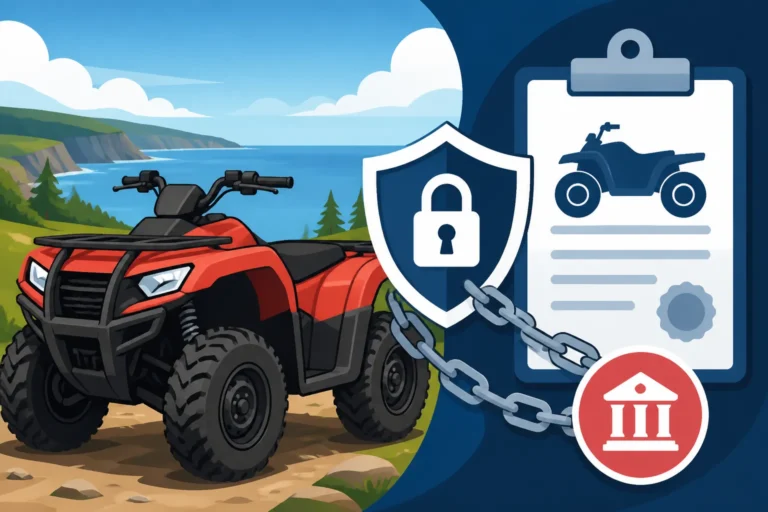
There are also nuances related to specific scenarios. For example, if you're riding a youth quad, [Nova Scotia Insurance for a Youth Quad] will likely have specific considerations. If you've been financing your machine, your lender will almost certainly require you to carry collision and comprehensive coverage in addition to the mandatory liability, protecting their asset. This is why understanding all the paperwork involved, perhaps even reviewing a purchase agreement template from LawDepot for clarity, can assist in ensuring you meet all the requirements from your lender and the province.
Finally, while Nova Scotia has a comprehensive framework for OHV insurance, it's important to remember what standard policies don't always cover. As discussed in [Nova Scotia Insurance That Does Not Cover Crashes], the basic liability insurance isn't designed to repair your own machine after a single-vehicle accident, for instance. For that, you'd need optional collision coverage. Always have an open conversation with your insurance broker to fully understand the scope of your policy, ensuring there are no surprises should you ever need to make a claim. Being well-informed is your best defence against unexpected situations on the trails.
Disclaimer
This article is for general informational purposes only and does not constitute professional advice. Laws, prices and regulations vary by location and change over time. Consult a qualified professional for guidance on your specific situation.