Washing a Machine After a Coastal Ride
Washing an ATV or UTV after a Nova Scotia coastal ride safely removes salt, sand, and grit to prevent rust on components.
The map is not the permission.
National forest and BLM routes, state OHV parks, and club trails crossing private land — with the closures and passes that decide whether today counts.
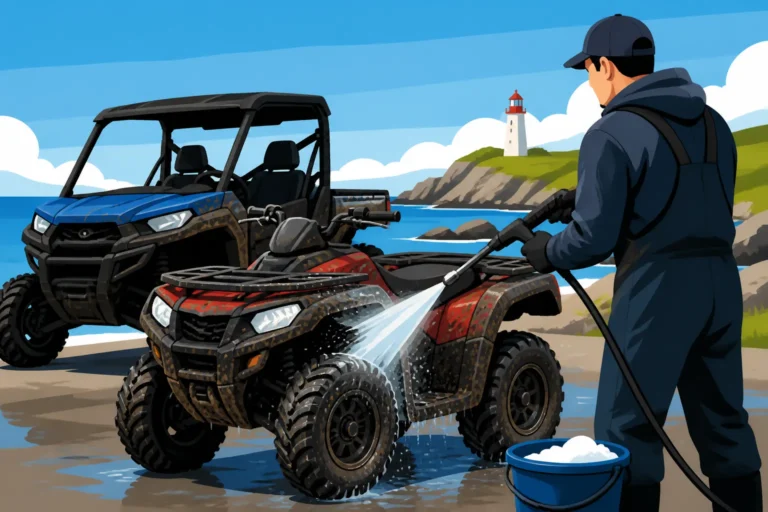
Washing an ATV or UTV after a Nova Scotia coastal ride safely removes salt, sand, and grit to prevent rust on components.
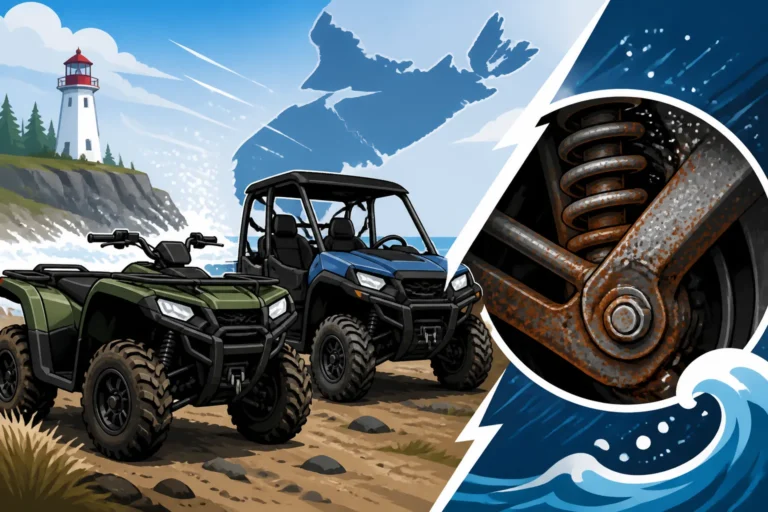
Salt air corrosion on ATVs and UTVs requires proper washing, inspection routines, and protection steps to slow damage.

High winds on a Cape Breton ridge can shove quads and side-by-sides, requiring riders to judge conditions and turn back safely.

Nova Scotia trail etiquette helps riders protect trail access and avoid complaints near coastal homes by reducing noise.

ATV yielding techniques on Nova Scotia shared trails help riders slow early, communicate calmly, and pass walkers safely.
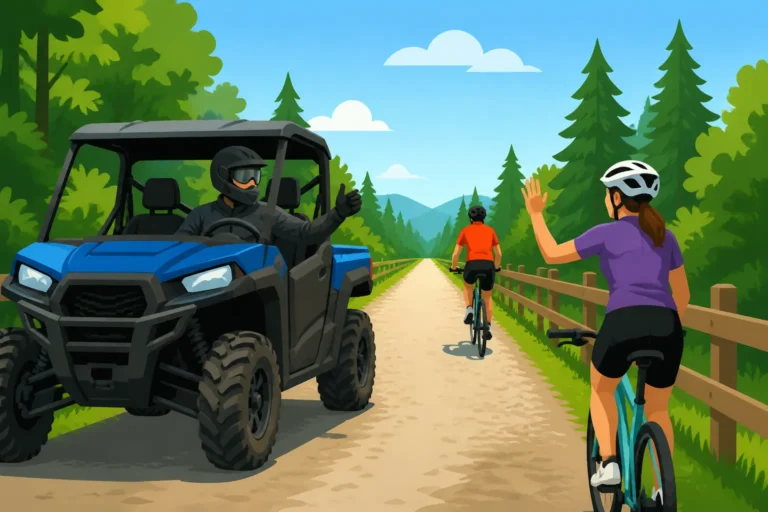
Safe rail trail riding in Nova Scotia requires confirming motorized vehicle access and sharing space courteously.
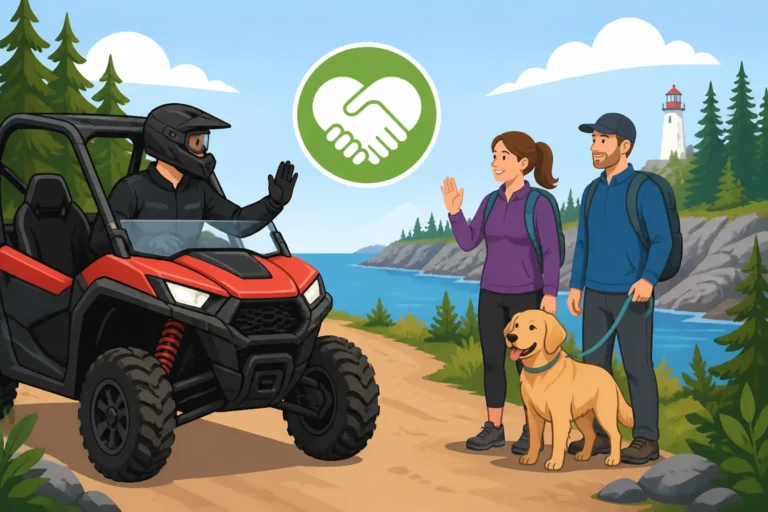
ATV and UTV riding etiquette for Nova Scotia trails explains how to slow early, pass walkers safely, and avoid trail conflicts.
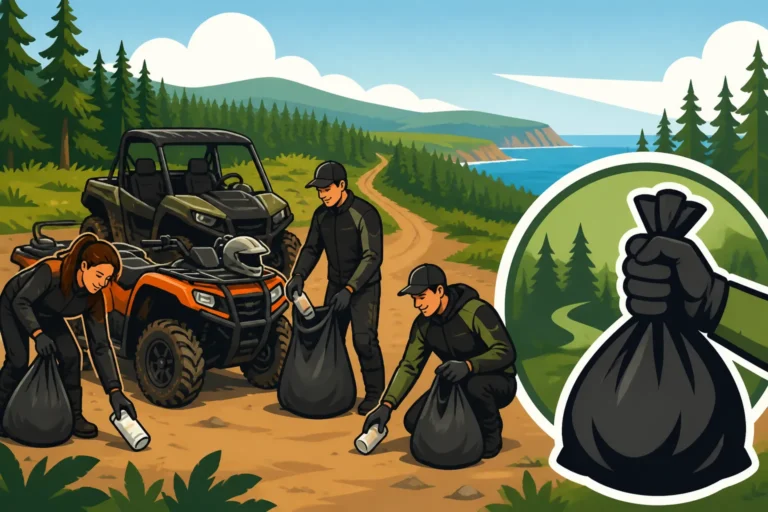
Nova Scotia ATV and UTV group ride cleanup routines protect trails, reduce safety hazards, and maintain landowner goodwill.
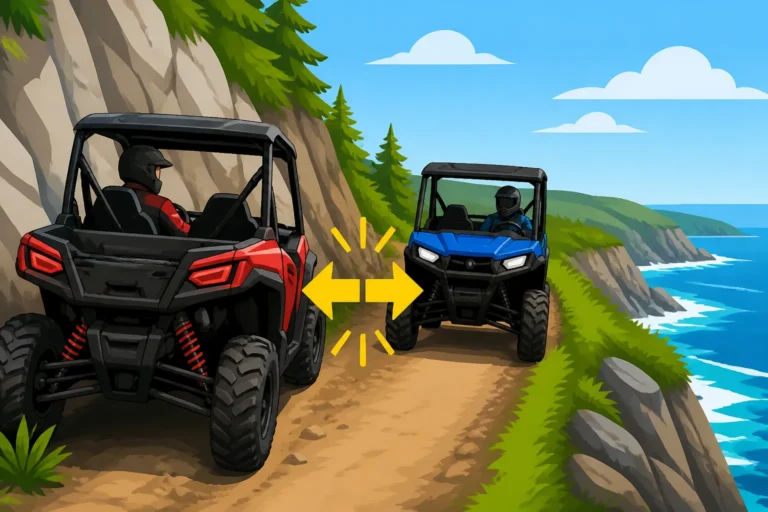
Safe passing methods on narrow Nova Scotia coastal ATV trails help riders avoid collisions, washouts, and soft edges.

Pictou County trail logging operations explain how to spot active equipment, share corridors, and report hazards safely.