Two Names on One Permit
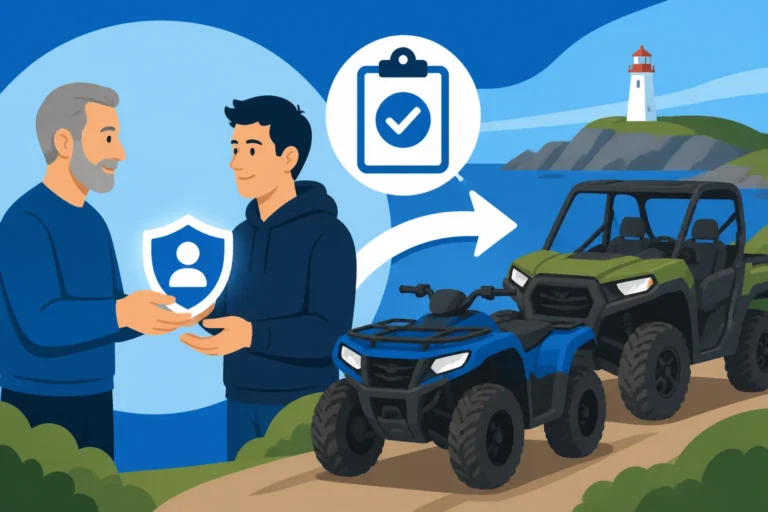
It's completely understandable to wonder how to handle the paperwork when you're sharing an off-highway vehicle (OHV) with someone else in Nova Scotia. Whether it's a quad, a side-by-side, or a dirt bike, co-owning a machine can simplify things in many ways, but the registration process often feels like it's designed for one person. This guide will walk you through exactly how to get both your names on an OHV permit in Nova Scotia, detailing what it means legally and practically, and offering tips to make co-ownership a smooth ride.
The Reality of Co-Owning an OHV in Nova Scotia
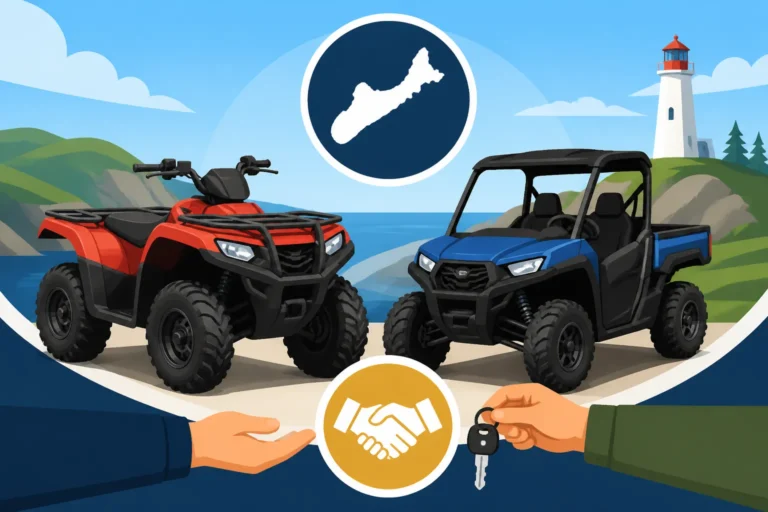
Let's face it, sharing an ATV or UTV can be a fantastic way to enjoy the trails and split the costs. Maybe you and your spouse bought a new side-by-side for weekend adventures, or you and a sibling purchased a workhorse quad for a shared woodlot. Whatever the reason, the idea of having both names officially recognized on the ownership documents makes perfect sense. It’s about clarity, responsibility, and ensuring that both parties have a legal say in the machine’s future.
The Nova Scotia Off-highway Vehicles Act and its associated regulations govern how OHVs are registered and operated. When we talk about "two names on one permit," we're really talking about having two individuals listed as the registered owners on the official records and the vehicle permit. This isn't just a formality; it has significant implications for everything from selling the machine to making insurance claims.
Think of it like owning a car with another person. Both of you have a vested interest, and official documents should reflect that. It prevents sticky situations down the road where one person might try to make a decision about the machine without the other's consent. This is particularly crucial for expensive equipment or machines used for shared responsibilities, like maintaining a large property in the Annapolis Valley or accessing remote fishing spots in Cape Breton.
Why Co-Ownership Makes Sense (and Sometimes Doesn't)
There are plenty of good reasons why people choose to put two names on an OHV permit. The most common, of course, is that two people genuinely own the machine together – perhaps a husband and wife, or business partners. This legal co-ownership ensures that both parties have an equal right to the machine and an equal say in its use, maintenance, and eventual sale. It’s also often a requirement for insurance purposes, especially if both owners want to be covered under the same policy.
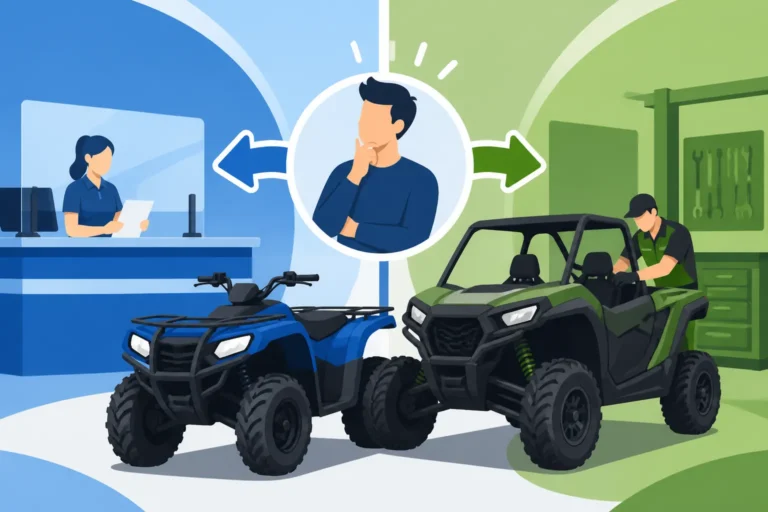
However, it's also worth considering scenarios where it might not be the best fit. For instance, if one person is merely lending a machine to another for an extended period, an official co-ownership might be overkill. A clear written agreement or a notarized letter of permission might suffice in such cases, rather than going through the full registration process. [Nova Scotia Registration for a Business Machine] is a good example of how dedicated ownership for specific purposes is handled, and co-ownership follows a similar principle of clear intent.
Another common scenario where co-ownership is explored is when parents buy a machine for a child who is old enough to ride but not yet 19, the minimum age to be the sole registered owner in Nova Scotia. While a parent can co-own the machine with a child 16 or older (with proper consent), the primary registered owner still needs to be at least 19. It's a nuance that many people encounter, and understanding who can be on the permit is as important as knowing how to get them on it.
The Process: Adding Names at Access Nova Scotia
Alright, let's get down to brass tacks. You want to register your OHV with two names. The good news is that Nova Scotia's Access Nova Scotia centres are equipped to handle this. The key is to be prepared and understand what they'll be looking for.
When you head to an Access Nova Scotia centre, whether in Halifax, Truro, or Yarmouth, you'll be dealing with the registration of your off-highway vehicle, which involves both a Certificate of Registration and an annual Vehicle Permit. The certificate is a one-time fee, while the permit is renewed yearly. Both documents will reflect the registered owners.
The process is fairly straightforward for new registrations or transfers. Both individuals who wish to be listed as co-owners should ideally attend the Access Nova Scotia office together. This isn't always strictly mandatory, especially if one owner has a properly signed Power of Attorney for the other, but it vastly simplifies the process and avoids potential delays or multiple trips.
Required Documentation for Co-Owners
To register your OHV with two names, you'll need essentially the same documents as for a single owner, but duplicated or verified for both parties. This typically includes:
- Proof of Purchase: This could be a bill of sale from a dealer, or a handwritten bill of sale from a private seller. Ensure the bill of sale clearly lists both individuals as buyers. If you're using a standard LawDepot bill of sale template, there's usually a clear section for multiple buyers.
- Previous Ownership Documents: If you're buying a used machine, you'll need the previous owner's signed-over Certificate of Registration and Vehicle Permit. Again, if they bought it new, they should have this paperwork. If the machine's paperwork is missing, it creates a whole other set of hurdles, so checking the [Nova Scotia Used Machine Paperwork] situation beforehand is crucial.
- Proof of Identity: Both individuals will need to present valid government-issued identification, such as a driver's license, that clearly shows their full legal name and address.
- Proof of Nova Scotia Residency: Documents like a driver's license or utility bill will confirm your address in Nova Scotia.
- OHV Safety Training Certificate (if applicable): While not always required at the time of registration, it's mandatory for certain age groups to operate an OHV.
- Insurance Pink Card: As of 2007, OHVs in Nova Scotia require liability insurance. You'll need to provide proof of insurance at the time of registration. Make sure the policy covers both registered owners.
It's highly advisable to call your local Access Nova Scotia office beforehand or check their website for the most up-to-date checklist. Every once in a while, a specific situation or a recent regulation change might add an extra layer of requirement. Don't be shy about asking questions!
Legal and Financial Implications of Shared Ownership
When you decide to put two names on an OHV permit, you're not just sharing the fun; you're also sharing legal and financial responsibilities. This is where a little proactive planning can save a lot of headaches down the road, ensuring smooth sailing whether you're riding the Celtic Shores Coastal Trail or just plowing snow on the homestead.
Joint ownership typically means that both parties are equally responsible for the machine. This includes:
- Financial Liabilities: If the machine is financed, both owners are usually listed on the loan agreement, making them equally responsible for payments.
- Maintenance Costs: Unless specified otherwise in a private agreement, general maintenance, repairs, and upgrades are typically shared costs.
- Insurance: Both owners need to be covered by the OHV's insurance policy. This usually means higher premiums than for a single driver, especially if both owners are frequent riders or in higher-risk age groups. It's worth comparing quotes from different providers.
- Legal Liability: In the event of an accident or incident involving the OHV, both registered owners could potentially face legal liability. This underscores the importance of adequate insurance coverage and responsible operation.
- Sale of the Machine: Generally, both registered owners must consent to and sign off on the sale of the OHV. One owner cannot legally sell it without the other's agreement and signature on the transfer documents. This protects both parties from unilateral decisions.
- Death of an Owner: This is a serious consideration. If one owner passes away, the machine usually becomes the sole property of the surviving owner, often referred to as "joint tenancy with right of survivorship." However, without a clear agreement or if a different form of co-ownership is intended (like "tenancy in common"), the deceased's share might go through probate as part of their estate. Understanding [Nova Scotia Registration After the Owner Dies] can provide more detail on this often-overlooked aspect.
Crafting a Co-Ownership Agreement
While Access Nova Scotia will register the machine with two names, they won't mediate any disputes between owners. This is why a private co-ownership agreement is such a valuable tool. Think of it as a pre-nuptial agreement for your OHV. It outlines the responsibilities, expectations, and plans for the machine, helping to prevent misunderstandings before they even start.
A good co-ownership agreement, perhaps drafted using a service like LawDepot or with the help of a legal professional, might cover:
- Financial Contributions: How the purchase price, registration fees, insurance premiums, and maintenance costs will be split.
- Usage Schedule: If the machine is shared, who gets to use it when, especially during peak seasons or for specific events like a hunting trip.
- Maintenance Responsibilities: Who is responsible for routine checks, booking repairs, and keeping service records.
- Dispute Resolution: What steps will be taken if disagreements arise regarding the OHV.
- Sale or Transfer: What happens if one owner wants to sell their share, or if both decide to sell the machine. This could include a right of first refusal for the other owner.
- Scenario Planning: What happens if one owner moves out of province, becomes unable to ride, or, as mentioned, passes away.
Having such an agreement in place can provide immense peace of mind. It ensures that both parties are on the same page and have a clear reference point if any questions or conflicts arise down the road. It's about protecting your investment and your relationship with your co-owner.
When Things Change: Transfers, Renewals, and Disputes
Life happens, and sometimes situations change after you've registered an OHV with two names. Understanding how to navigate these changes is just as important as the initial registration.
Annual Permit Renewal
When it comes to the annual vehicle permit renewal, both registered owners will typically be listed on the renewal notice. Either owner can usually process the renewal, but it’s always a good idea for both to be aware of the renewal date and ensure the fee is paid. Nova Scotia charges a specific fee for this [Nova Scotia Permit Renewal at $13.20], which includes the Infrastructure Fund levy. Keeping track of the expiry date prevents fines for an unregistered machine.
Transferring Ownership (Removing a Name)
If one owner decides they no longer want to be part of the co-ownership – perhaps they're moving away, or simply no longer interested in riding – you'll need to transfer ownership. This involves removing one name from the permit and certificate.
This process is essentially a partial transfer of ownership. Both registered owners will need to sign the transfer section of the Certificate of Registration (or a separate bill of sale indicating the transfer of one owner's share to the other). The remaining owner then takes these documents, along with their identification and proof of insurance, to Access Nova Scotia to complete the transfer. There will be a fee for this [Nova Scotia Transfer of Ownership at $13.20], similar to a full transfer.
It's critical that both parties agree on the terms of this transfer. If money is changing hands for one owner's share, make sure that is clearly documented in a new bill of sale or agreement. This is another area where a prior co-ownership agreement, possibly put together with a service like LawDepot, can smooth the process by outlining how such a scenario would be handled.
Resolving Disputes
While we all hope for smooth co-ownership, disputes can arise. Maybe one owner isn't contributing their share to maintenance, or there's a disagreement about selling the machine. This is precisely why that co-ownership agreement we discussed earlier is so vital. It provides a framework for resolution, ideally avoiding costly and time-consuming legal battles.
If you don't have an agreement, or if the agreement doesn't cover the specific dispute, mediation can often be a good first step. If all else fails, legal counsel might be necessary, but that's usually the last resort. The best approach is always clear communication and a willingness to compromise.
In essence, having two names on one OHV permit in Nova Scotia is a practical way to manage shared ownership. It provides clarity and legal standing for both parties, but it also means sharing responsibilities. By understanding the registration process, the legal implications, and preparing for potential changes, you can ensure your shared adventures on Nova Scotia's vast trail network remain enjoyable and hassle-free.
Comparison: Single vs. Co-Ownership of an OHV in Nova Scotia
Let's break down the key differences and considerations between having a single owner versus two co-owners for an off-highway vehicle permit in Nova Scotia. This table offers a quick overview of what you can expect in various scenarios.
| Feature | Single Owner | Two Co-Owners |
|---|---|---|
| Registration Process | Straightforward, one person's details | Both owners' details required; ideally both present at Access Nova Scotia |
| Bill of Sale | Buyer is one individual | Bill of sale must clearly list both individuals as buyers |
| Certificate/Permit | Lists one registered owner | Lists both registered owners |
| Financial Liability | Solely with the individual owner | Shared between both owners for purchase, financing, and ongoing costs |
| Insurance | Policy typically covers the registered owner and authorized riders | Policy must explicitly cover both registered owners and authorized riders |
| Maintenance & Costs | Sole responsibility of the owner | Shared responsibility, ideally outlined in a co-ownership agreement |
| Decision Making | Owner has full autonomy | Joint decisions required for major actions (e.g., selling, major modifications) |
| Selling the OHV | Owner signs off on transfer | Both owners must sign off on transfer documentation |
| Death of an Owner | Machine becomes part of their estate | Often passes to surviving owner (joint tenancy), but depends on ownership type and agreements |
| Dispute Resolution | N/A | Private co-ownership agreement is highly recommended to prevent conflicts |
| Age Requirement | Minimum 19 years old | At least one registered owner must be 19; co-owner can be 16+ with consent |
| Annual Renewal | Single responsibility | Either owner can renew, but both are responsible for ensuring it happens |
Understanding these distinctions can help you decide if co-ownership is the right path for your specific situation. Remember, the goal is always to maximize your enjoyment of Nova Scotia's incredible OHV opportunities while minimizing potential headaches with paperwork and legalities.
Disclaimer
This article is for general informational purposes only and does not constitute professional advice. Laws, prices and regulations vary by location and change over time. Consult a qualified professional for guidance on your specific situation.