Serial Numbers on an Older Machine
It's incredibly frustrating when you acquire an older off-highway vehicle (OHV) in Nova Scotia, full of excitement for the trails, only to discover that its crucial identification numbers are faded, rusted, or even completely missing. This common problem can turn the seemingly straightforward task of registration into a bewildering maze, leaving many new owners wondering if their prized machine can ever legally hit the dirt. This guide will walk you through the specific challenges posed by serial numbers on older machines in Nova Scotia and provide a clear roadmap for how to navigate the registration process when those vital identifiers are compromised.
The Frustration of Faded or Missing Serial Numbers on Older Machines
Bringing home a seasoned ATV or UTV can be a fantastic way to get into the sport without breaking the bank. These machines often have character, a story, and a certain rugged charm that new ones just can't match. However, that history often comes with some wear and tear, and one of the most common casualties of time and hard work is the vehicle identification number (VIN) or serial number. Many Nova Scotians face this exact headache, feeling deflated when their exciting new-to-them purchase hits a bureaucratic snag.
Why Older Machines Lose Their Identifiers
The reasons behind a faded or missing serial number are often quite simple, yet deeply impactful for registration purposes. Think about an ATV that has spent decades exploring the diverse landscapes of Nova Scotia, from the salty air of the coast to the damp forests of the Annapolis Valley. Each season brings a new assault on the machine's exposed surfaces. Rust is a relentless enemy, slowly but surely eating away at metal, especially in areas where paint chips or protective coatings wear thin. Environmental factors like constant exposure to rain, snow, mud, and even road salt (if the machine was ever transported on salted roads) contribute significantly to corrosion.
Beyond environmental wear, simple friction and vibration can take their toll. Serial numbers are often stamped into the frame or engine block, areas that can experience significant rubbing or impact over a long life of off-road use. Sometimes, previous owners might have made repairs or modifications that inadvertently obscured or damaged the stamping. Perhaps a new piece of hardware was installed, or a custom paint job inadvertently filled in the grooves of the numbers. In the worst cases, a machine might have been subject to less-than-above-board activities in its distant past, leading to intentional attempts to obscure identification. This isn't always the case, but it's a possibility that provincial authorities are naturally wary of, adding another layer of scrutiny to your registration efforts.
The Immediate Impact on Nova Scotia Registration
When you head to an Access Nova Scotia centre with your older machine's paperwork, the first thing they look for, after a valid bill of sale, is a clear, legible serial number. This number is the machine's unique fingerprint, essential for establishing its identity, tracking its ownership history, and ensuring it hasn't been reported stolen. Without a readily identifiable number, you're going to hit a roadblock, and it's a common one that countless Nova Scotian riders have encountered.
The immediate impact is usually a rejection or a significant delay in your registration application. Access Nova Scotia staff are required to ensure that every machine they register is properly identified. If they can't verify the serial number on the machine against the number on your bill of sale or previous ownership documents, they cannot complete the transaction. This can mean multiple trips to the registry, phone calls, and the sinking feeling that your new adventure might be stalled before it even begins. It's not that they're trying to be difficult; it's a necessary step to protect owners and prevent illegal activity. However, it can certainly feel like an uphill battle when you're just trying to do things by the book.
Navigating Nova Scotia Registration with a Challenged Serial Number
So, you've got an older machine with a serial number that's seen better days. Don't despair! While it adds a few extra steps to the process, getting your OHV properly registered in Nova Scotia is usually achievable with some diligent preparation and understanding of the system. The key is to be proactive and provide as much verifiable information as possible.
Initial Steps: Thorough Inspection and Documentation
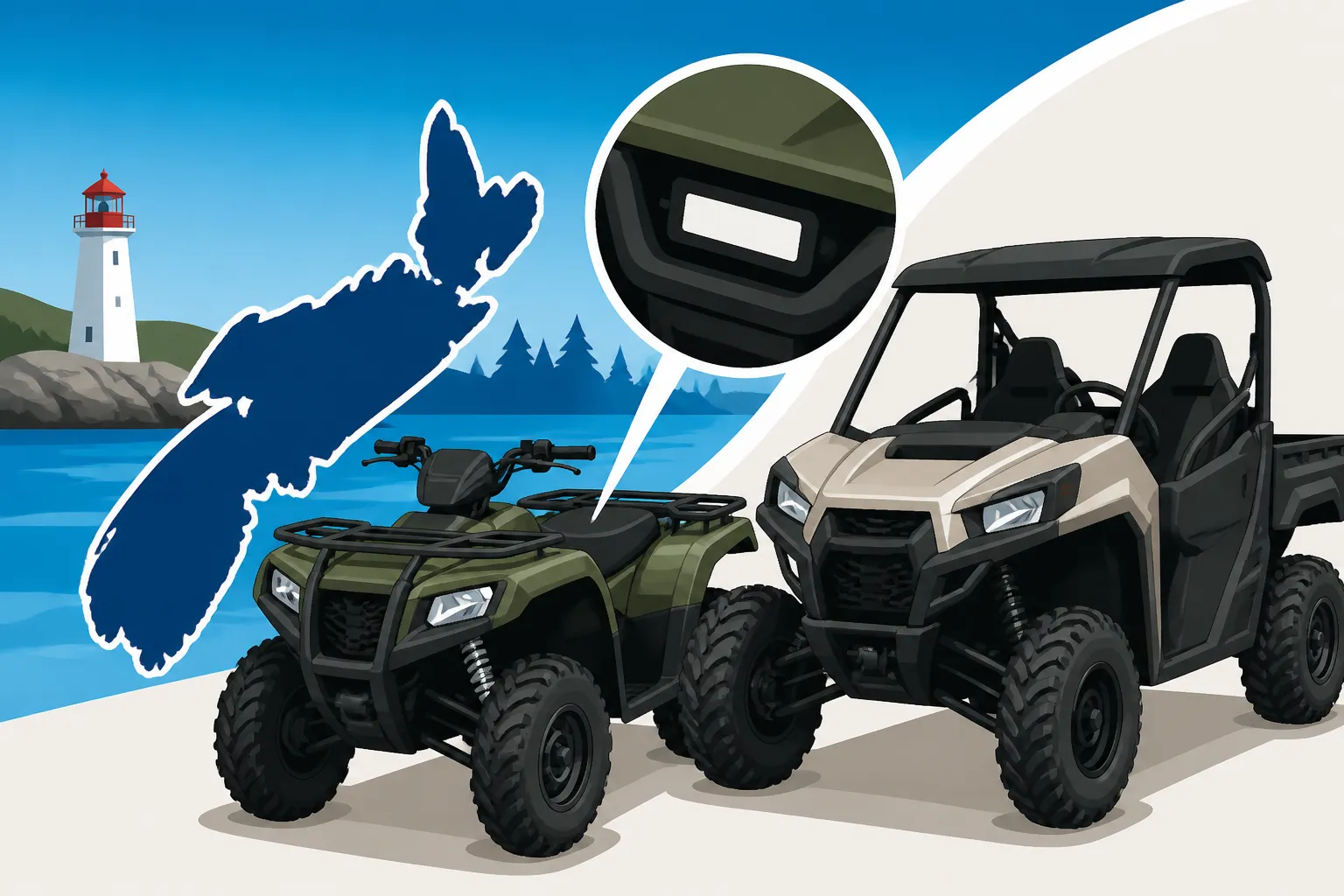
Your first course of action should be a meticulous inspection of your machine, even if you've already glanced at the VIN. Grab a strong flashlight, a stiff brush, and some penetrating oil or rust remover, and get down on your hands and knees. Serial numbers are commonly stamped in several places:
- The Frame: Often near the front suspension, on the main frame rail, or under the seat.
- The Engine Block: Sometimes on a flat, machined surface.
- Specific Manufacturer Plates: Some manufacturers use metal plates riveted to the frame.
Carefully clean any suspected areas. Rust, dirt, and old paint can obscure numbers that are still present underneath. Take your time, and don't be afraid to gently scrape away debris. If you uncover even partial numbers, document them thoroughly. Take clear, well-lit photographs from multiple angles. It can be incredibly helpful to get close-ups of the numbers themselves, even if they're faint, as well as wider shots showing the numbers in context on the machine. This visual evidence can be invaluable when you visit Access Nova Scotia. Sometimes, even if a few digits are completely gone, the pattern of the remaining numbers might allow staff to cross-reference with common VIN formats for that make and model. Remember, clear documentation, such as [Photographing a VIN at the Sale], can significantly aid your case.
When You Need a Special ID Number
In situations where the original serial number is completely unreadable, or genuinely missing, Nova Scotia has a process to assign a new, provincial identifier: a Special ID Number. This is often the path you'll need to take for truly vintage or heavily weathered machines. The provincial government understands that older machines exist and still need to be registered for safe and legal use. This number effectively replaces the original VIN for registration purposes, allowing your machine to be entered into the provincial database.
The process typically involves a more detailed inspection of the machine by an authorized party. This isn't just a casual look; it's to verify that the machine is indeed an OHV, that it lacks a readable VIN, and to confirm it's not a collection of parts that could be misidentified. They'll look for any remnants of previous numbers and ensure that no other identification is present that could conflict. Once deemed eligible, a new, unique Special ID Number will be issued and affixed to your machine in a permanent way, usually through a stamped plate. This process ensures that even without its original "birth certificate," your machine gains a new, legal identity. There is a nominal fee associated with this, often just a couple of dollars, as detailed in articles like [Nova Scotia Special ID Numbers at $2.30]. It’s a small price for peace of mind and legal operation.
Preparing Your Paperwork: Beyond the Bill of Sale
While the serial number issue is front and center, the rest of your paperwork remains crucial. For an older machine, a robust bill of sale is your primary proof of ownership. Even if the sale happened years ago and the document is handwritten, ensure it contains as much detail as possible: the full names and contact information of both buyer and seller, the date of sale, the purchase price, and a clear description of the machine, including any visible identifying marks (even partial ones). If you inherited the machine, you'll need documentation like a will or letters of administration.
If the serial number on your machine is questionable, and you're dealing with an older bill of sale where the number might also be unclear, or perhaps was even omitted by a casual seller decades ago, you might need to provide additional declarations. This is where you, as the applicant, attest to the facts of your ownership and the machine's history under oath or affirmation. This could involve explaining why the serial number is unreadable and confirming that, to your knowledge, the machine is not stolen. Having all your ducks in a row with documents like your bill of sale, and any historical records you possess, will make the special ID number application much smoother. For a comprehensive list of what you'll need, check out [Nova Scotia Registration Paperwork Checklist]. If you're in the tricky situation of [Nova Scotia Registration Without a Bill of Sale], the process becomes even more reliant on declarations and possibly a special ID number application.
Practical Solutions for Older Machine Ownership in Nova Scotia
Dealing with an older OHV that has a faded or missing serial number can feel like a bureaucratic headache, but there are practical steps you can take to make the registration process as smooth as possible in Nova Scotia. The key is to anticipate the registry's concerns and come prepared with solutions.
The Value of a Strong Bill of Sale for Older Machines
Even if your older machine's serial number is a mystery, a well-prepared bill of sale is your absolute best friend. This document is your primary proof that you legally own the machine, and it helps the registry understand its recent history. A strong bill of sale for an older machine should include:
- Full Buyer and Seller Information: Names, addresses, and phone numbers of both parties.
- Date of Sale: Crucial for establishing the timeline of ownership.
- Detailed Machine Description: Make, model, year (if known), color, and any unique features or damage. Crucially, if there's any part of the serial number visible, however faint, include it and note its condition.
- Purchase Price: Necessary for tax calculations in Nova Scotia.
- Signatures: Both buyer and seller should sign, and it's even better if a witness can sign too.
If you're buying an older machine privately, don't just settle for a scribbled note on a piece of scrap paper. Utilize resources like LawDepot to create a professional and comprehensive bill of sale. Their templates ensure you cover all the necessary legal points, giving both you and the registry confidence in the transaction. A clear, detailed bill of sale goes a long way in proving legitimate ownership, especially if you're navigating [Nova Scotia Registration After a Private Sale]. Without this fundamental document, the registry will have significant hurdles to overcome, and your declaration of ownership will need to be much more extensive.
Getting an Inspection or Verification
Sometimes, Access Nova Scotia may require an inspection or verification of the machine itself. This is particularly common if the serial number is heavily compromised or if there's any doubt about the machine's true identity. The purpose of this inspection is not to assess roadworthiness (as OHVs aren't typically road legal), but rather to confirm the machine's type, verify its physical description, and to thoroughly search for any hidden or obscure identification numbers.
Who performs this inspection can vary. It might be an Access Nova Scotia official, a law enforcement officer, or in some cases, a qualified mechanic or dealership representative. They will typically check the machine against the information you provide, look for any signs of tampering, and confirm the absence or illegibility of the original serial number. Getting this official verification can streamline the process significantly, as it provides an independent assessment that validates your claims about the machine's identification issues. Be prepared to trailer your machine to a designated location for this inspection if required.
Legal Declarations and Affidavits
In situations where the original serial number is completely absent or unreadable, and particularly if previous ownership documents are also missing or insufficient, you may be asked to provide a legal declaration or affidavit. An affidavit is a sworn statement of facts, made under oath or affirmation, before a commissioner of oaths or a notary public. In this document, you would typically state:
- How you acquired the machine (e.g., private sale, inheritance, found).
- The efforts you made to locate the original serial number.
- Your belief that the machine is legitimately yours and not stolen.
- Any known history of the machine.
This declaration serves as your solemn promise that the information you are providing is true and accurate to the best of your knowledge. It provides the Nova Scotia authorities with a legal basis for proceeding with registration, especially if they decide to issue a special identification number. While it might sound intimidating, it's a standard procedure for situations where documentation is less than ideal. Again, resources like LawDepot offer templates for affidavits and statutory declarations, which can guide you in drafting a document that meets legal requirements in Nova Scotia. Having one prepared in advance, especially if you anticipate issues, can save you time and multiple trips to the registry.
| Scenario for Serial Number | Nova Scotia Registration Steps Required | Key Documents Needed |
|---|---|---|
| Clearly Visible & Intact | Straightforward registration process. | Bill of Sale, previous Certificate of Registration/Vehicle Permit. |
| Faded but Partially Readable | Meticulous cleaning, detailed photos, possibly an inspection. | Bill of Sale, photos, any previous ownership documents. |
| Completely Unreadable/Missing | Application for a Special ID Number, inspection, legal declaration. | Bill of Sale (if available), photos of non-existent VIN, affidavit/declaration. |
| Suspected Tampering | Law enforcement involvement, extensive investigation, likely Special ID Number. | Police report, bill of sale, all available ownership history. |
Disclaimer
This article is for general informational purposes only and does not constitute professional advice. Laws, prices and regulations vary by location and change over time. Consult a qualified professional for guidance on your specific situation.