Nova Scotia Passengers Must Be 9 or Older
Figuring out Nova Scotia's off-highway vehicle (OHV) rules can feel like navigating a maze, especially when you're hoping to share the thrill of the trails with family and friends. One of the most common points of confusion for riders across the province revolves around carrying passengers, particularly children. It's not just about having enough room on your machine; there are strict age requirements and safety regulations you absolutely need to understand to avoid fines and, more importantly, ensure everyone's safety. This guide will walk you through Nova Scotia's passenger rules, focusing on age limits, safety gear, and what you need to know to ride legally and responsibly with a companion.
Understanding Nova Scotia's OHV Passenger Rules
When you're out on the trails or exploring designated road trails in Nova Scotia, the thought of bringing along a passenger can make the adventure even better. However, it’s critical to remember that provincial regulations are in place for a reason: safety. These rules dictate not only if you can carry a passenger, but also who that passenger can be, particularly when it comes to age. Ignoring these can lead to serious consequences, both legal and physical.
The Core Age Requirement: Why Nine Years Old?
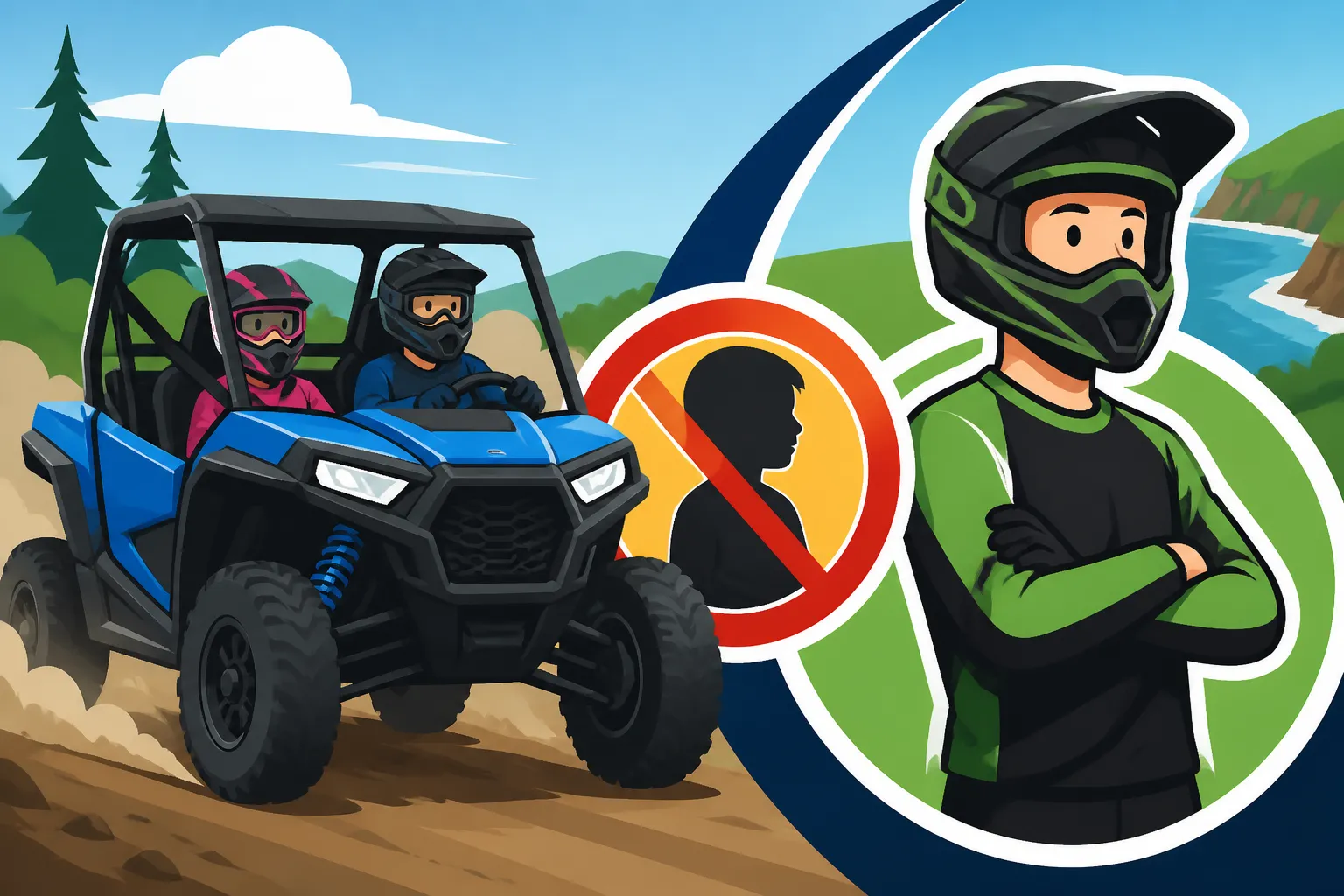
Let's cut right to the chase: in Nova Scotia, an off-highway vehicle operator is prohibited from carrying a passenger under the age of nine years. This isn't just a suggestion; it's a hard and fast rule embedded in the Off-highway Vehicles Act. The rationale behind this specific age limit is rooted in the physical and cognitive development of young children. Younger children often lack the core strength, balance, and fine motor skills necessary to safely brace themselves during the dynamic movements of an ATV or UTV, especially over varied terrain. They might struggle to hold on securely, react appropriately to bumps and turns, or keep their feet firmly planted on footrests.
Beyond physical capabilities, the cognitive aspect is equally important. Children under nine typically have a more limited understanding of potential hazards, the importance of following instructions precisely, and the concept of personal risk. Their attention spans can be shorter, and they might be more easily distracted, which could lead to them letting go or shifting their weight unexpectedly – a dangerous situation on any OHV. This provincial regulation is designed to protect our youngest adventurers from environments and situations they might not be fully equipped to handle safely, ensuring that any passenger is at an age where they can actively participate in their own safety.
Exceptions and Clarifications: What About Younger Riders?
While the rule explicitly states "under the age of nine years," it's natural for parents and guardians to wonder if there are any special provisions or situations where a younger child might be permitted. The short answer is generally no, not as a passenger on an OHV being operated on trails or designated road trails under the general regulations. The law is quite clear and does not offer broad exceptions for things like private land or short distances when it comes to the passenger age minimum. This strict adherence is a cornerstone of Nova Scotia's OHV safety framework.
It's important not to confuse passenger rules with operator age rules. For instance, a supervised child under 16 can operate an OHV under specific conditions, including proper training and supervision on a closed course, but this does not change the passenger age requirement. A six-year-old, for example, might legally operate a youth-sized ATV on a closed course under strict supervision, as detailed in [Nova Scotia Rules for a 6-Year-Old Rider], but they cannot be carried as a passenger on another machine if they are under nine. The law distinguishes between being an operator, which involves control and active participation, and being a passenger, which relies entirely on the operator's control and the passenger's ability to maintain a safe posture. There are no provisions for special permits or waivers for children younger than nine to be carried as passengers.
The "Fit" Factor: Matching Machine to Rider
Beyond the age requirement, the physical "fit" of a passenger to the machine is paramount, especially on ATVs. While side-by-sides (UTVs) often come with proper seating, seatbelts, and roll cages that make them inherently safer for multiple occupants, ATVs are a different story. Many ATVs are designed for a single rider, even if they have a long seat. Trying to squeeze two people onto a single-rider ATV, regardless of their age, creates an unstable and unsafe situation. It affects the machine's balance, handling, and braking capabilities, making it much harder for the operator to maintain control.
For ATVs specifically designed for two riders (often called "two-up" or "tandem" ATVs), they will typically feature an extended seat, dedicated handholds for the passenger, and separate footrests. Even with these features, the passenger must be able to reach the footrests and firmly grasp the handholds throughout the ride. If your machine isn't explicitly designed and equipped for a passenger, don't attempt to carry one, even if they meet the age requirement. Safety should always override convenience, and a poorly seated passenger is a risk waiting to happen, regardless of how old they are.
Road Trail Riding and Passenger Considerations in Nova Scotia
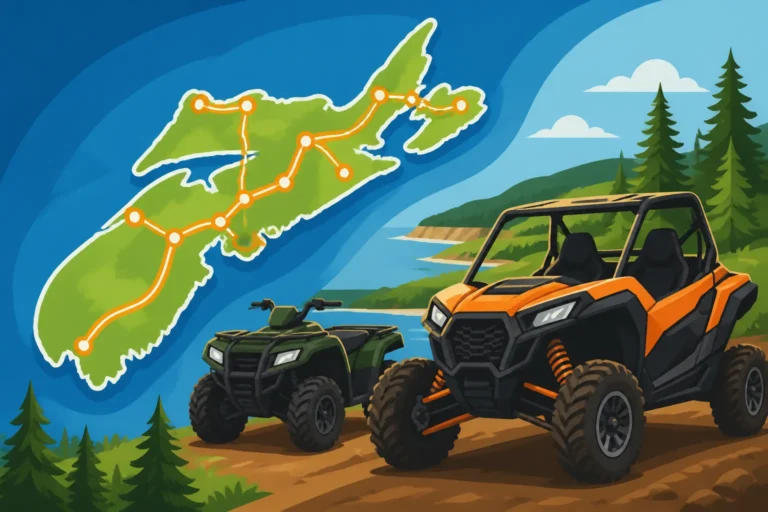
Nova Scotia has been making strides in expanding its road trail network, opening up new opportunities for OHV enthusiasts to connect trails and access communities. While this offers fantastic convenience and exploration possibilities, it also introduces specific rules, especially when it comes to passengers, as you are now sharing space with other road users. The regulations are in place to ensure a safe and harmonious coexistence for all.
How Road Trails Affect Passenger Rules
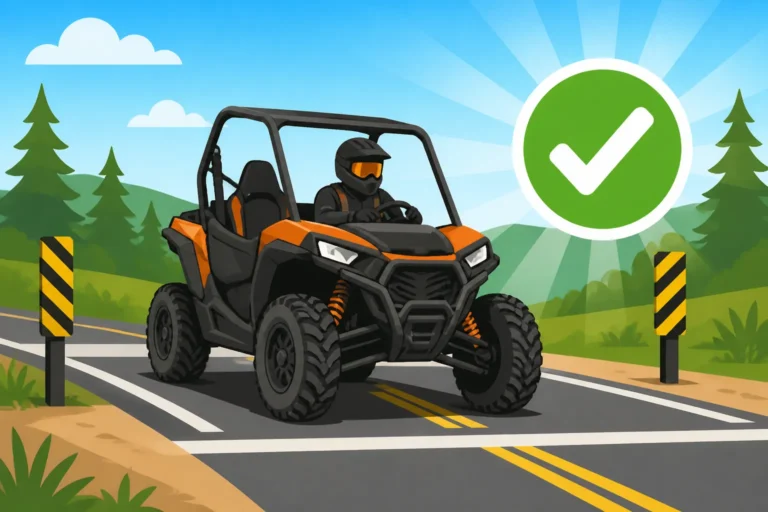
When you take your OHV onto a designated road trail in Nova Scotia, the fundamental passenger age requirement of nine years and older remains firmly in place. The fact that you're now on a public road, even one designated for OHV use, doesn't change this critical safety measure. In fact, it often amplifies the need for adherence to all safety rules. Road trails can introduce new variables, such as mixed traffic (other OHVs, cyclists, pedestrians, and sometimes even cars), paved surfaces, and the need to observe road signs and speed limits. These conditions demand a heightened level of awareness and stability from both the operator and the passenger.
The [Nova Scotia Road Trail Rules Explained] emphasize that all OHV regulations apply, including those for passengers. This means that if you're riding with a legal passenger (age nine or older) on a road trail, they must still be properly seated, holding on securely, and wearing the appropriate safety gear. Any deviation from the standard OHV passenger rules on a road trail is not only a safety risk but can also lead to fines and penalties just as it would on a traditional off-road trail. The integration of OHVs into public spaces comes with the responsibility of upholding the highest safety standards at all times.
Seating Capacity and Machine Design
The design of your machine plays an even more crucial role when operating on road trails, where stability and predictable handling are paramount. As mentioned, two-up ATVs are designed to accommodate a passenger safely with an extended seat, dedicated handholds, and footrests. These features are not merely for comfort; they are integral to the machine's safe operation with an additional person onboard. The longer wheelbase and adjusted suspension often found on these models help maintain stability.
Side-by-sides (UTVs) are generally better suited for carrying multiple passengers due to their car-like seating, seatbelts, and robust roll-over protection systems. However, even with UTVs, you must adhere to the manufacturer's specified seating capacity. Overloading a side-by-side by carrying more passengers than it was designed for can compromise its stability, braking performance, and the effectiveness of its safety features. Always ensure that every passenger has their own designated seat, is properly buckled in, and meets the age requirement. You wouldn't put extra people in a car without seatbelts, and the same logic applies, if not more so, to OHVs on road trails where conditions can change rapidly.
Supervisor Requirements for Youth on Road Trails
While the passenger age minimum is nine, the operator of an OHV on a road trail must possess a valid driver's licence. This means that if you have a passenger who is, for example, a 10-year-old and legally allowed to ride as a passenger, the person operating the machine must be at least 19 years old and hold a full, valid driver's licence. You cannot have a 16-year-old with a Nova Scotia OHV Safety Certificate driving an OHV with a passenger on a designated road trail, because the road trail rules require a full driver's license, as specified in [Do You Need a Licence for an ATV in Nova Scotia?].
The supervisor requirements mentioned in other OHV regulations, such as those for young operators on closed courses, do not directly apply to passengers on road trails in the same way. Instead, the focus shifts to the driver's licensing and the passenger's age. The responsibility for the safety and legality of the ride ultimately rests with the licensed operator. They must ensure that all passengers meet the minimum age, are properly secured, and are equipped with the correct safety gear. Before setting out on any road trail adventure with a young passenger, double-check that both the operator and the passenger meet all applicable legal requirements.
Essential Gear and Safety for Passengers
It’s one thing to meet the legal age requirement for a passenger, but quite another to ensure they are adequately protected. Riding an OHV, whether on rugged trails or designated road trails, carries inherent risks. Proper safety gear is not just a recommendation; it's a non-negotiable part of riding responsibly in Nova Scotia. This is particularly true for passengers who might be less experienced or have less control over the machine's movements than the operator.
Nova Scotia's Helmet Law and Passenger Safety
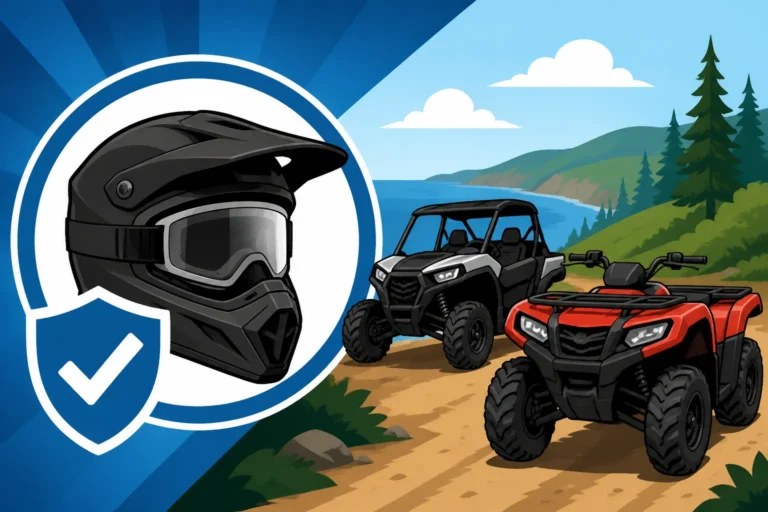
Nova Scotia has a clear and mandatory helmet law for all OHV operators and passengers. This isn't just a suggestion; it's a critical piece of legislation designed to save lives and prevent severe injuries. For passengers, a properly fitting, approved helmet is the single most important piece of safety gear. The helmet must be designed for OHV use and meet recognized safety standards such as DOT, CSA, Snell, or BSI. Simply having a helmet isn't enough; it needs to fit snugly, cover the forehead, and be securely fastened under the chin. A loose helmet can come off during an impact, rendering it useless.
When choosing a helmet for a passenger, especially a younger one who meets the age requirements, ensure it's sized correctly. Children's helmets are available and crucial for providing adequate protection without being too heavy or obstructing their vision. Never use a helmet that is too large, as it can shift around and offer insufficient protection. The protection offered by a quality helmet cannot be overstated; in the event of a rollover or impact, it is the primary defense against head trauma, making it an absolute must for anyone riding on an OHV in Nova Scotia. [Nova Scotia ATV Helmet Law] provides more details on what constitutes an approved helmet.
Additional Protective Gear for Passengers
While the helmet is king, other protective gear significantly reduces the risk of injury for passengers. Think about what a rider wears to protect themselves, and apply the same logic to your passenger. Long sleeves and long pants, made of durable material, are essential to protect against abrasions, scrapes, and minor impacts from branches, debris, or a fall. Denim, heavy canvas, or riding-specific textiles are far superior to shorts and t-shirts, which offer virtually no protection.
Gloves are also highly recommended. They protect hands from blisters, cuts, and scrapes, and can improve grip on handholds. Sturdy, over-the-ankle boots are crucial for protecting feet from impacts, crushing injuries, and preventing them from slipping off footrests. Sneakers offer insufficient protection and can easily come off. Eye protection, such as goggles or a full-face helmet visor, is also critical to shield eyes from dust, insects, branches, and other airborne debris. Even if your passenger meets the minimum age, they likely don't have the instinct or experience to anticipate and react to these hazards, making full protective gear even more important for them.
Pre-Ride Checks and Passenger Briefing
Before you even turn the key, a thorough pre-ride check and a clear briefing with your passenger are vital steps. For the machine, ensure tires are properly inflated, brakes are functioning, and all passenger handholds and footrests are secure and undamaged. Check that seatbelts (on UTVs) are working correctly and not frayed.
Crucially, take a few minutes to talk to your passenger. Explain how to hold on securely, where to place their feet (and keep them there!), and what to do if you encounter bumps or rough terrain. Tell them not to make sudden movements or try to help steer. Establish clear communication signals – for example, a tap on your shoulder if they need you to slow down or stop. For younger passengers, reiterate these instructions calmly and clearly. Make sure they understand that riding an OHV is an active experience, and they need to be engaged in their own safety by following your directions. This briefing builds confidence and reduces the likelihood of unexpected movements that could compromise stability, allowing you both to enjoy the ride safely.
Legal Implications of Carrying Unauthorized Passengers
The rules regarding OHV passengers in Nova Scotia are not suggestions; they are laws with enforceable penalties. Operators who choose to disregard these regulations put themselves and their passengers at significant risk, not only of injury but also of facing legal repercussions that can include substantial fines, and potentially impact their insurance coverage in the event of an incident. Understanding these implications is crucial for every responsible OHV owner.
Penalties for Underage or Improper Passengers
If you are caught operating an OHV with a passenger who is under the age of nine, or if your machine is not designed to carry a passenger and you've squeezed someone on, you are in violation of Nova Scotia's Off-highway Vehicles Act. The penalties for such infractions can be significant. Officers can issue tickets on the spot, and fines for operating an OHV in contravention of the regulations can start quite high. While specific dollar amounts can change, you should prepare for a penalty that is more than just a slap on the wrist. [Nova Scotia Minimum Fine of $250] gives you an idea of the base for many OHV infractions, and it can go much higher depending on the specific circumstances and the officer's discretion.
Beyond monetary fines, repeated offenses or particularly egregious violations could lead to further legal action, potentially impacting your driving privileges or even your ability to register OHVs in the future. The intent of these penalties is to deter unsafe practices and reinforce the importance of following the law, ensuring that everyone on Nova Scotia's trails is protected. It's simply not worth the risk to circumvent these regulations for the sake of a quick ride with an unauthorized passenger.
Insurance Coverage and Passenger Liability
This is where carrying an unauthorized passenger can become a financial nightmare. Nova Scotia requires all registered OHVs to carry liability insurance, with a minimum coverage of $500,000. This insurance is crucial because it protects you financially if you are found responsible for an accident that causes injury to another person or damage to their property. However, insurance policies are contracts with specific terms and conditions.
If an accident occurs while you are carrying a passenger who is underage (under nine) or if you are exceeding your machine's passenger capacity, your insurance company may deny coverage. This means that if your unauthorized passenger is injured, or if they cause damage to property or other people, you could be held personally liable for all medical bills, rehabilitation costs, lost wages, and property damage. These costs can easily run into the hundreds of thousands, or even millions, of dollars, utterly devastating your financial future. Always consult your insurance provider to understand the full scope of your coverage, especially concerning passengers, but assume that any illegal operation voids your protection. [Nova Scotia Insurance Requirements for Riders] details the base requirements.
The Driver's Responsibility and Due Diligence
As the operator of the OHV, you bear the ultimate responsibility for ensuring that your machine is operated legally and safely, and this extends directly to your passengers. It is your due diligence to know and understand all relevant regulations, including those pertaining to passenger age, seating, and required safety gear. Ignorance of the law is not a valid defense. Before every ride, you should take a moment to assess the situation:
- Does your passenger meet the minimum age of nine?
- Is your OHV designed and equipped to safely carry a passenger?
- Is your passenger wearing an approved, properly fitting helmet and all other recommended protective gear?
- Have you briefed your passenger on safe riding practices and communication signals?
Failing to perform this due diligence puts you, your passenger, and potentially others at risk. A law enforcement officer observing non-compliance will hold the operator accountable. Taking the time to be thorough and responsible not only keeps you compliant with the law but, more importantly, ensures that everyone riding with you can enjoy the experience without unnecessary danger.
Machine Modifications and Passenger Safety
For many OHV enthusiasts, personalizing their machine with aftermarket parts and accessories is part of the fun. These modifications can enhance performance, comfort, or utility. However, when it comes to carrying passengers, any modification needs to be carefully considered through the lens of safety and legality. Not all aftermarket additions are created equal, and some might even compromise the structural integrity or intended design of your OHV, especially when adding weight or changing seating configurations.
Aftermarket Seating and Accessories
The lure of adding an extra seat to a single-rider ATV can be strong, especially if you frequently ride with family. You might see various aftermarket solutions online or in stores, claiming to convert your solo machine into a two-up. While reputable brands like SuperATV offer a wide range of high-quality accessories, including storage boxes and comfort additions, it's crucial to understand that simply bolting on a secondary seat does not automatically make your ATV legally or safely capable of carrying a passenger. Most single-rider ATVs are not designed to handle the additional weight, altered center of gravity, or changed handling characteristics that come with a second person, even if they've reached the minimum age of nine.
True two-up ATVs are engineered from the ground up with a longer frame, different suspension tuning, and often a more powerful engine to safely accommodate two riders. An aftermarket seat on a single-rider ATV will almost certainly compromise the machine's stability, steering, and braking, making it unsafe for both the operator and the passenger. It's critical to refer to your OHV's owner's manual for its factory-intended seating capacity. If the manual states it's a one-person machine, adding an aftermarket seat will likely render it unsafe and potentially illegal for carrying a passenger, regardless of the quality of the modification. Prioritize the machine's fundamental design over the desire for an extra seat.
UTV Specifics: Belts, Doors, and Roll Cages
Side-by-sides (UTVs) are inherently better equipped for passengers than most ATVs. They come standard with multiple seats, seatbelts, and a roll cage, offering a much higher degree of passive safety. Many riders also choose to enhance their UTVs with aftermarket accessories like full doors, windshields, and upgraded harnesses. Reputable manufacturers, including those whose parts might be found through retailers like SuperATV, produce high-quality, safety-conscious accessories that can genuinely improve the riding experience. For example, adding full doors can prevent a passenger's limbs from accidentally extending outside the vehicle during a turn or over rough terrain.
When making modifications to your UTV, always ensure they are compatible with the manufacturer's specifications and do not negatively impact existing safety features. For instance, if you upgrade your seatbelts to a multi-point harness system, ensure they are properly installed and maintained. Never remove or alter structural components of the roll cage unless it's for a certified, engineered upgrade that meets or exceeds factory standards. The goal of any UTV modification should be to enhance, not diminish, the safety provided by its original design. Regular maintenance checks of seatbelts, doors, and the roll cage structure are vital, especially if you frequently carry passengers.
Maintaining Your Machine for Passenger Safety
Beyond modifications, the general maintenance of your OHV is paramount when carrying passengers. A machine that is poorly maintained is a risk, and that risk is amplified when a second person's safety is on board. Before any ride, especially with a passenger, you should perform a thorough safety check. This includes:
- Tire Pressure: Ensure tires are inflated to the manufacturer's recommended specifications. Improper tire pressure affects handling, braking, and stability, which is critical with added weight.
- Brakes: Test both front and rear brakes to ensure they are responsive and effective. The added weight of a passenger will increase stopping distances.
- Suspension: Check that your suspension components are in good working order and not excessively worn. A properly functioning suspension helps absorb bumps and maintain control.
- Steering: Ensure steering is smooth and responsive, with no excessive play.
- Lights: If riding near dusk or on road trails, confirm headlights and taillights are fully functional.
Neglecting these basic maintenance items can turn a minor issue into a major safety hazard when you have a passenger. Regularly scheduled servicing, as per your owner's manual, is the best way to ensure your OHV is always in peak condition, providing a safe platform for you and your companion.
Beyond the Law: Best Practices for Passenger Riding
Adhering to Nova Scotia's laws for OHV passengers is the baseline for responsible riding. However, true safety and an enjoyable experience go far beyond merely checking off legal requirements. Best practices involve continuous communication, thoughtful trail selection, and being prepared for any eventuality. These considerations are particularly important when you have a passenger, especially a younger one, who relies entirely on your judgment and skill.
Communicating with Your Passenger
Effective communication is the cornerstone of safe passenger riding. Before you even set off, as part of your pre-ride briefing, establish clear signals. Verbal communication can be difficult over engine noise and wind, so simple hand signals can be incredibly useful. For instance, a tap on your shoulder could mean "slow down," two taps "stop," or a thumbs-up "I'm okay." Reassure your passenger that they should feel comfortable communicating any discomfort or concern.
During the ride, periodically check in with your passenger, especially if you're hitting a particularly bumpy section or changing speeds. A quick glance in your mirrors (if equipped on a UTV) or a verbal check at a stop can gauge their comfort level. For younger passengers (nine years and older, of course!), praise them for holding on correctly and following instructions. Good communication not only enhances safety by allowing you to react to their needs but also builds trust and makes the ride more enjoyable for everyone. This ensures they feel like an active participant in the journey rather than just baggage.
Choosing Appropriate Trails and Speeds
When you have a passenger, your choice of trails and your riding speed should always be conservative. What might be a thrilling, technical challenge for you as a solo rider could be terrifying or even dangerous for a passenger, especially if they are new to OHV riding. Opt for smoother, less technical trails that are well within your and your machine's capabilities with the added weight. Overly steep climbs, sharp descents, deep mud holes, or areas with large rocks should be avoided when carrying a passenger, unless both you and your passenger are highly experienced and confident.
Similarly, adjust your speed significantly. Carrying a passenger changes the dynamics of the machine, affecting braking, cornering, and stability. You'll need more time and distance to react and stop. Ride at a pace that allows you to easily navigate the terrain, respond to unforeseen obstacles, and ensure your passenger remains comfortable and secure. This isn't the time for aggressive riding or pushing the limits. The goal is a safe, enjoyable experience for your companion, not setting speed records. Consider riding slower than your usual pace, especially on unfamiliar trails or [Nova Scotia Road Trails: Where You Can Ride] where you'll share the space with others.
Emergency Preparedness with Passengers Onboard
When riding with a passenger, your emergency preparedness needs to be even more robust. Should an incident occur, you're not just responsible for yourself, but also for the well-being of your companion. Always carry a well-stocked first aid kit that includes supplies for common injuries like cuts, scrapes, and sprains, but also items for shock or more serious trauma.
Beyond first aid, think about communication. While cell service can be spotty in many of Nova Scotia's beautiful but remote areas, having a fully charged phone is still essential. Consider carrying a satellite messenger or a two-way radio if you're riding in a group or venturing into areas known for poor cell reception. [Nova Scotia Cell Coverage on Remote Trails] highlights this important consideration. Make sure you have basic tools for minor machine repairs, a tow strap, and enough water and snacks, especially for longer rides. Inform someone of your route and expected return time. Knowing you're prepared for potential issues allows you to ride with greater peace of mind and handle any unexpected situations with confidence, keeping both you and your passenger safe.
Table: Nova Scotia OHV Passenger Quick Reference
| Feature | Requirement for Passengers | Additional Considerations |
|---|---|---|
| Minimum Age | 9 years or older | No exceptions for private land or short distances. |
| Machine Type | Machine must be designed to carry a passenger (e.g., two-up ATV, UTV) | Single-rider ATVs are illegal and unsafe for passengers. |
| Seating | Dedicated seat, secure handholds, and footrests for each passenger | UTVs require proper use of seatbelts; all passengers must be able to reach footrests. |
| Helmet | Approved OHV helmet (DOT, CSA, Snell, or BSI) required for all riders | Must fit snugly and be securely fastened. |
| Protective Gear | Long sleeves, long pants, gloves, over-the-ankle boots, eye protection | Highly recommended for all passengers, especially for younger ones. |
| Road Trail Specifics | All OHV passenger rules apply, plus operator must have full driver's license | Increased vigilance due to mixed traffic and varying surfaces. |
| Operator Responsibility | Operator is fully responsible for passenger safety and legal compliance | Penalties for non-compliance are severe and can affect insurance. |
Disclaimer
This article is for general informational purposes only and does not constitute professional advice. Laws, prices and regulations vary by location and change over time. Consult a qualified professional for guidance on your specific situation.