Nova Scotia ATV Helmet Law
Riding an ATV or UTV in Nova Scotia offers an incredible way to explore our stunning coastal landscapes and vast interior trails. However, with the thrill of the ride comes a serious responsibility: understanding and adhering to the province's helmet laws. Many riders, both seasoned and new, often have questions about exactly when and where a helmet is required, especially with the expansion of road trails and differing rules for youth. This guide will clarify everything you need to know about Nova Scotia's ATV helmet law, ensuring you stay safe and on the right side of the law.
The Foundation of Nova Scotia's Helmet Law
The Nova Scotia Off-highway Vehicles Act and its regulations are very clear when it comes to head protection. This isn't just about avoiding a fine; it's fundamentally about protecting lives and preventing severe injuries. We've all seen or heard stories of accidents, and a helmet is your first, best line of defense.
Why Helmets Are Non-Negotiable
Let's face it, off-highway vehicles, by their very nature, carry inherent risks. Whether you're navigating rocky terrain, traversing muddy trails, or simply enjoying a leisurely ride on a groomed path, unforeseen circumstances can lead to a fall or collision. A helmet dramatically reduces the risk of serious head injury in such events. It's not just a suggestion; it's a critical piece of safety equipment. The province’s laws are designed to protect you, recognizing the significant impact head injuries can have on an individual's life and the healthcare system. Thinking about venturing out without one is a gamble simply not worth taking.
Who Must Wear a Helmet and When
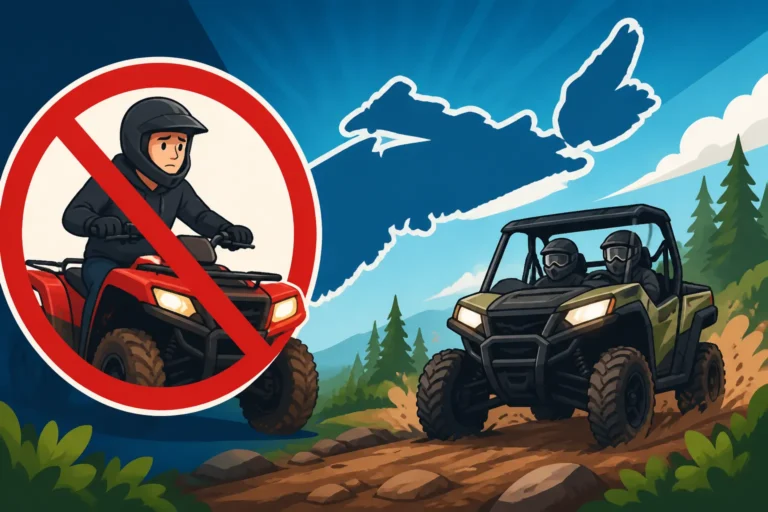
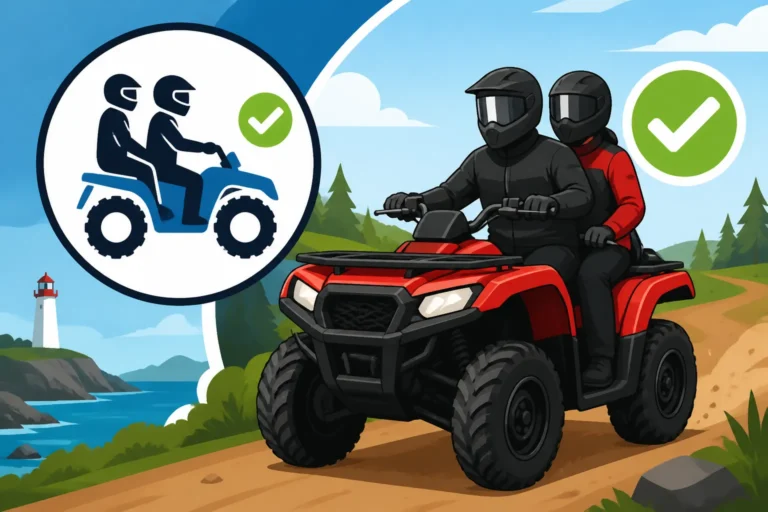
This is where clarity is key: everyone. Nova Scotia law mandates that anyone operating or riding as a passenger on an off-highway vehicle must wear an approved helmet. This applies universally across the board—whether you're on a designated trail, crossing a road, or even riding on your own private property. There's no grey area here. The moment an OHV is in operation, everyone on it needs to be wearing a helmet. This includes all types of off-highway vehicles, from single-rider ATVs to multi-passenger side-by-sides. If you're a supervisor riding with younger operators, you are also absolutely bound by this rule, setting a crucial example for responsible riding.
What Makes a Helmet "Legal"
Not just any helmet will do the trick. To comply with Nova Scotia's regulations, your helmet must meet specific safety standards. These standards ensure the helmet offers adequate protection in the event of an impact. Specifically, acceptable helmets are those that meet safety standards set by:
- DOT (Department of Transportation): A common standard in North America.
- CSA (Canadian Standards Association): Canada's own rigorous safety standard.
- Snell Memorial Foundation: Often considered a higher standard, primarily for racing and competitive use, but excellent for recreational riding too.
- BSI (British Standards Institution): A European standard, also recognized.
When you purchase a helmet, always look for one of these certifications. It will typically be a sticker or stamp on the back of the helmet. A certified helmet is designed to absorb impact energy, reducing the force transmitted to your head. While ensuring your helmet meets these standards, it's also smart to check out other protective gear. Many riders look to outfit their machines with additional safety features, and for heavy-duty protection and utility, brands like SuperATV offer a range of accessories that complement your personal safety equipment.
Specific Scenarios and Exemptions (or Lack Thereof)
The universality of the helmet law often leads to questions about specific riding contexts. Let's clear up some common misconceptions and detail how the law applies in various situations you might encounter across Nova Scotia.
Helmets on Designated Road Trails
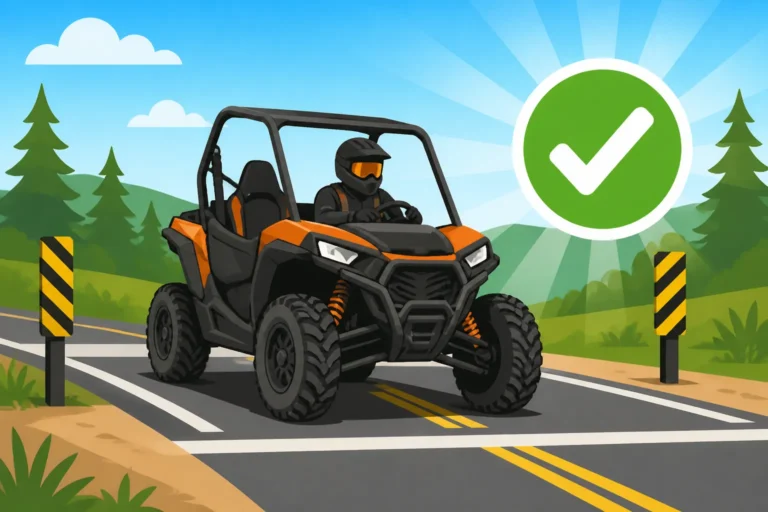
The exciting expansion of Nova Scotia's road trail network has opened up new opportunities for riders, allowing access to communities and services. However, this convenience does not come with relaxed safety rules. When riding on a designated road trail, the helmet law remains firmly in place. You are still required to wear an approved helmet, just as you would on a traditional off-highway trail. Additionally, remember that these road trails come with their own set of rules, such as speed limits and yielding to other traffic. While these shared use areas are wonderful for connecting communities, they also mean you’re sharing space with different types of users and vehicles, making helmet use even more critical. Make sure you're familiar with the full scope of [Nova Scotia Road Trail Rules Explained] before you venture out.
Age and Helmet Requirements
For our younger riders, the helmet rule is non-negotiable from the very first ride. In Nova Scotia, children as young as six can operate youth-sized ATVs under strict supervision, but all riders, regardless of age, must wear an approved helmet. There are additional gear requirements for younger operators, which you can read about in more detail in [Nova Scotia Gear Rules for Riders Under 16]. These rules are in place because younger riders are still developing their motor skills and judgment, making them potentially more vulnerable to accidents. A well-fitting, certified helmet is paramount for their safety. Supervisors, typically aged 19 or older, must also wear helmets and ensure their young charges are properly equipped and following all safety guidelines.
Private Property and Work Use
This is a frequently misunderstood area. Many people assume that if they are on their own land, or using their OHV for work purposes on a private woodlot, they are exempt from the helmet law. This is incorrect. The Nova Scotia Off-highway Vehicles Act states that the helmet requirement applies whenever an off-highway vehicle is in operation. This means:
- On your own land: Whether you're cutting firewood, checking fences, or just joyriding in your backyard, a helmet is legally required.
- For farm and forestry work: Even if your machine is primarily used for agricultural or forestry tasks, it's not exempt from the helmet rule while in operation. [When Farm Work Exempts a Machine From Registration] addresses registration exemptions, but not helmet requirements.
- Special events or closed courses: Even in controlled environments, the helmet rule applies to all participants.
The law's intent is clear: to protect riders from injury whenever they are operating an OHV. There are no practical exemptions for personal property or work use when it comes to wearing a helmet.
The Consequences of Non-Compliance
Ignoring Nova Scotia's helmet law isn't just a slight oversight; it carries significant legal and financial repercussions. It's important to understand the full scope of what you could face if you choose to ride without proper head protection.
Fines and Penalties for No Helmet
Law enforcement in Nova Scotia takes OHV safety very seriously, and officers are empowered to issue tickets for non-compliance with the helmet law. The specific fine amounts can vary, but generally, not wearing an approved helmet is an offence that will result in a significant penalty. These aren't minor infractions; they can put a real dent in your wallet. Furthermore, receiving a citation can lead to additional court costs and may even impact your ability to register or renew your OHV permit in the future. It's far cheaper, and infinitely safer, to simply put on your helmet every time you ride. An officer has the right to pull you over and verify your compliance, so knowing [What a Nova Scotia Officer Can Ask to See] is good practice.
Insurance Implications
Beyond legal fines, failing to wear a helmet can have severe implications for your insurance coverage if you're involved in an accident. While Nova Scotia requires OHV operators to carry liability insurance—with a [Nova Scotia's $500,000 Liability Minimum] for damages you might cause to others or their property—your own personal injury benefits could be jeopardized. Insurance policies often include clauses that allow providers to deny or reduce payouts for injuries sustained while not complying with safety laws.
Imagine a scenario where you're in an accident, sustain a head injury, and weren't wearing a helmet. Even if another party was at fault, your insurance company could argue that your injuries would have been less severe had you been wearing the legally required safety equipment. This could significantly reduce the compensation you receive for medical expenses, lost wages, and pain and suffering. It's a risk that no rider should be willing to take.
Officer Discretion and Enforcement
Nova Scotia's Department of Natural Resources and Renewables (DNRR) enforcement officers, along with RCMP and municipal police, are on patrol to ensure compliance with the Off-highway Vehicles Act. They are well-versed in the regulations and trained to identify infractions. Officers often conduct spot checks, especially in areas known for OHV use, and can stop any rider they suspect of violating the law. They look for visible signs of non-compliance, such as riders without helmets, improper registration, or operating in restricted areas.
They might ask to see your registration, proof of insurance, and confirm that your machine meets basic safety requirements like [Nova Scotia Lighting Requirements] if riding at dusk or dark. While officers may use discretion in some minor situations, a blatant disregard for the helmet law is rarely overlooked. Their primary goal is public safety, and wearing a helmet is one of the most fundamental aspects of safe OHV operation.
Beyond the Helmet: Other Essential Gear and Practices
While the helmet is undeniably the most critical piece of safety gear, responsible riding in Nova Scotia involves more than just head protection. A comprehensive approach to safety includes additional protective wear, proper machine maintenance, and adherence to general best practices.
Eye Protection and Other Protective Wear
After your helmet, eye protection is crucial. Goggles or a helmet with a clear visor protect your eyes from dust, debris, insects, and low-hanging branches—all common occurrences on Nova Scotia trails. Losing visibility, even for a second, can lead to serious accidents. Beyond that, consider sturdy over-the-ankle boots to protect your feet and ankles, long pants and long-sleeved shirts to guard against scrapes and sunburn, and gloves for better grip and hand protection.
When you're outfitting your machine for long hauls or tough terrain, thinking about robust accessories from brands like SuperATV can enhance safety and comfort. For example, a sturdy windshield can offer additional protection from trail debris, or better handguards can protect against branches. Remember, investing in quality riding gear is an investment in your own safety and enjoyment, helping you get the most out of [Nova Scotia ATV Trails: The ATVANS Network].
Riding Safely and Responsibly
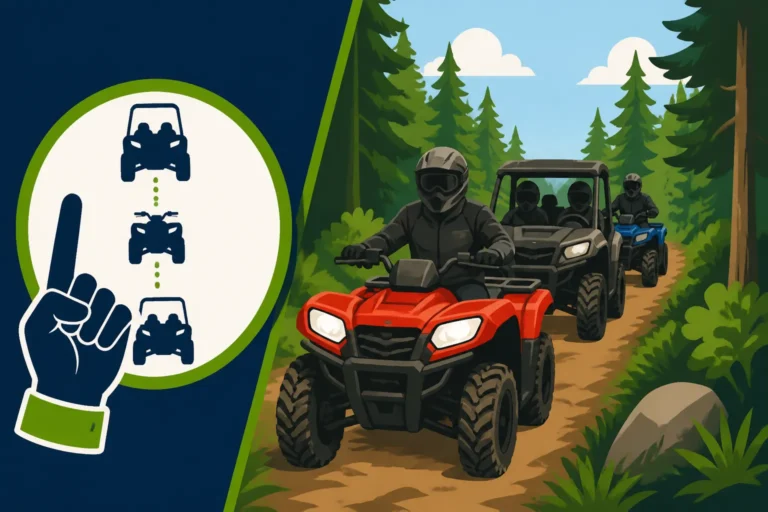
Riding an OHV is an exhilarating experience, but it demands respect and responsibility. Always ride within your skill level and the capabilities of your machine. Never ride under the influence of alcohol or drugs. Be aware of your surroundings, especially when sharing trails with other users like hikers, cyclists, or horseback riders. Maintain a safe speed, particularly on winding or unfamiliar trails, and always keep a safe distance from other riders. Take a safety training course if you're new to the sport or want to brush up on your skills. These courses provide invaluable knowledge on handling your machine, navigating obstacles, and emergency procedures.
Ensuring Your Machine is Road Trail Ready
Before every ride, conduct a quick inspection of your OHV. Check your tires for proper inflation and damage, ensure brakes are working effectively, and verify that all lights are functioning correctly. This is particularly important if you plan to use road trails where visibility and signaling are critical. [Nova Scotia Lighting Requirements] are not just for aesthetics; they are vital for being seen by other motorists and trail users, especially during dawn, dusk, or in poor weather conditions. Regularly scheduled maintenance, according to your manufacturer's guidelines, will keep your machine reliable and safe. A well-maintained machine is a safer machine, reducing the chances of mechanical failure disrupting your ride or, worse, leading to an accident.
Here’s a quick overview of essential helmet information:
| Requirement | Detail | Legal Standard / Compliance |
|---|---|---|
| Who Needs One? | All operators and passengers of any off-highway vehicle | Nova Scotia Off-highway Vehicles Act |
| When Is It Needed? | Any time the OHV is in operation (trails, private land, road trails) | Mandatory, no exceptions for location or purpose |
| Approved Standards | Helmets must meet recognized safety certifications | DOT, CSA, Snell, or BSI |
| Youth Riders | Absolutely mandatory for all ages, including children 6-15 | See [Nova Scotia Gear Rules for Riders Under 16] for more. |
| Consequences | Fines, potential insurance claim denial/reduction, legal issues | Significant penalties; impacts on personal injury claims |
| Beyond Helmet | Eye protection, gloves, sturdy footwear, long clothing, machine checks | Essential for comprehensive safety and compliance |
Disclaimer
This article is for general informational purposes only and does not constitute professional advice. Laws, prices and regulations vary by location and change over time. Consult a qualified professional for guidance on your specific situation.