Nova Scotia Bans Learner Drivers on Road Trails
It’s a common scenario: you’ve just gotten your off-highway vehicle (OHV), maybe a new ATV or a rugged side-by-side, and you're eager to explore Nova Scotia's beautiful backcountry. You might even have a learner's driver's licence in hand, thinking it's enough to navigate the province's growing network of designated road trails. However, a significant number of riders find themselves caught off guard by the specific licensing requirements for these shared-use corridors. This guide will clarify precisely why a learner driver's licence is not sufficient for riding OHVs on Nova Scotia's road trails, outlining the strict rules and consequences you need to understand to ride legally and safely.
Understanding Nova Scotia's Road Trails Act
Nova Scotia has made significant strides in expanding access for OHV enthusiasts, aiming to connect communities and provide more opportunities for adventure. The introduction of designated "road trails" is a key part of this vision, allowing OHVs to operate on specific sections of public roads under strict conditions. But this increased access comes with increased responsibility and specific regulations that every rider needs to understand.
The Vision Behind Road Trails
The idea behind creating road trails in Nova Scotia was truly ambitious: to bridge the gaps in the existing trail network, allowing riders to travel further, access services, and connect with more scenic routes without having to trailer their machines between segments. Imagine being able to ride from a club trail directly into a small town to grab a bite or refuel, then seamlessly pick up another trail on the other side. This vision aimed to boost tourism in rural communities and enhance the overall riding experience for both residents and visitors. It’s about creating a cohesive network that makes long-distance touring on an OHV a practical reality, something many riders have longed for. These designated sections are often crucial links, transforming disconnected segments into a flowing journey through the province.
The Legal Framework
The ability for OHVs to use designated public roads falls under the Nova Scotia Off-highway Vehicles Act and its associated regulations, specifically the sections pertaining to road trails. This isn't a free-for-all; it's a carefully considered legal framework designed to integrate OHVs into public road usage while prioritizing safety for all road users. The Act, notably proclaimed in September 2023, laid out the foundational rules for these unique corridors. It defines what constitutes a road trail, establishes the conditions for their use, and, crucially, outlines who is permitted to operate an OHV on them. It's a progressive piece of legislation that seeks to balance recreational access with public safety, recognizing that operating an OHV on a public road, even a designated road trail, demands a different level of responsibility than riding on a private bush trail. Understanding [Nova Scotia Road Trails Act Explained] is paramount for any rider looking to take advantage of these new opportunities.
The Crucial Distinction: Full vs. Learner's Licence
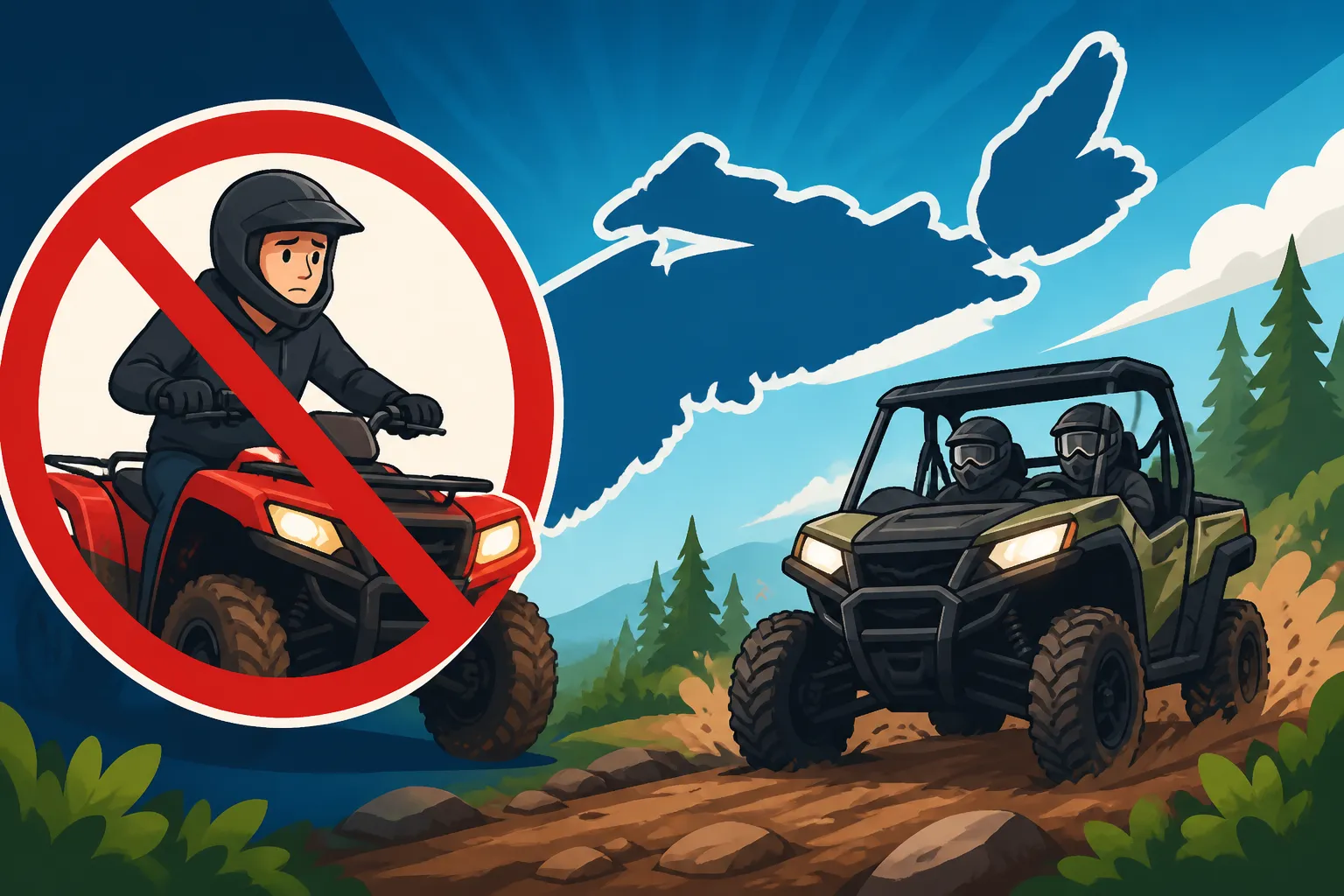
This is where many riders encounter a significant hurdle, and it's absolutely critical to get right. The Nova Scotia Off-highway Vehicles Act is unequivocal: operating an OHV on a designated road trail requires a full driver's licence, not a learner's permit. This distinction isn't arbitrary; it's rooted deeply in safety and legal liability.
Why a Full Driver's Licence is Non-Negotiable
When you're riding an OHV on a road trail, you're not just on a recreational path anymore; you're sharing space with other vehicles, pedestrians, and cyclists, even if only for short segments. This demands a level of driving experience, judgment, and adherence to traffic laws that a learner's permit holder is generally not yet deemed to possess. A full driver's licence signifies that the operator has completed the necessary training, passed rigorous testing, and accumulated sufficient supervised driving experience to navigate public roadways competently and independently.
The provincial government's stance is that the complexities of operating an OHV on a public road, even at a restricted speed limit like 25 km/h, require an operator who is fully licensed and capable of making immediate, sound decisions in a shared traffic environment. This includes understanding right-of-way, signaling intentions, and reacting predictably to unexpected situations. The requirement for a full licence helps ensure that only those with proven road competency are integrating OHVs into the public road system, thereby enhancing safety for everyone. It's a measure to protect not just the rider, but also other motorists and community members. [Nova Scotia Requires a Full Driver's Licence] highlights this fundamental requirement.
Consequences of Riding with a Learner's Permit
Ignoring the full driver's licence requirement can lead to a host of unpleasant and costly consequences. For starters, you're looking at significant fines. Officers conducting equipment checks or routine patrols on road trails are specifically looking for compliance with these rules. If you're found operating an OHV on a road trail with only a learner's permit, you could face a minimum fine, which can quickly escalate depending on the discretion of the officer and any other infractions observed. These aren't just minor slaps on the wrist; they are substantial financial penalties designed to deter non-compliance.
Beyond fines, there are other repercussions. Your OHV could be impounded, leaving you stranded and incurring towing and storage fees. Furthermore, if you're involved in an accident while riding illegally with a learner's permit on a road trail, your insurance coverage could be completely invalidated. Most insurance policies have clauses that void coverage if the vehicle is operated by an unlicensed driver or in contravention of traffic laws. This means you could be personally liable for damages, injuries, and legal costs that could easily run into the tens or even hundreds of thousands of dollars. The financial fallout from such a situation could be devastating. It's a risk simply not worth taking.
Who Can Legally Drive an OHV on Nova Scotia's Road Trails?
So, if learner drivers are out, who can legally use these connecting road trails? The requirements are clear and specific, ensuring that only qualified individuals are integrating OHVs into the public road system. It's about combining OHV-specific regulations with standard motor vehicle laws to create a safe operating environment.
Age and Licensing
To reiterate, the primary requirement is holding a valid, full driver's licence. This isn't just a Nova Scotia licence; any valid driver's licence from another province or territory in Canada, or indeed a recognized international licence, would generally suffice, assuming the driver is not a new resident of Nova Scotia who needs to transfer their licence. The minimum age to hold a full driver's licence in Nova Scotia is typically 17 years old, after completing the graduated licensing program. This means that if you're 16 and still on your learner's or newly acquired probationary licence, you are specifically excluded from operating on road trails.
The logic here is sound: road trails, by definition, require a mature operator who has demonstrated full competency behind the wheel of a motor vehicle. This experience and proven ability are what distinguish a full licence holder from someone still learning the ropes. It’s crucial to understand that even if you're an experienced OHV rider on private land or dedicated trails, the moment your tires touch a designated road trail, you are subject to these specific licensing requirements. There's no exception based on off-road experience or machine type, whether you're on a single-rider ATV or a multi-passenger UTV with all the bells and whistles from a company like SuperATV.
Beyond the Licence: Other Essential Requirements
Possessing a full driver's licence is just the starting point for legal road trail use. There are several other non-negotiable requirements that all OHV operators must adhere to when on these public corridors:
- Registration: Every OHV operated on a road trail must be properly registered with the provincial authorities. This involves obtaining a certificate of registration and a vehicle permit. An unregistered machine, even with a fully licensed driver, is a ticket magnet. [Nova Scotia Requires Registration and Insurance] is a crucial read here.
- Insurance: Just like any other motor vehicle on a public road, your OHV must be insured. Nova Scotia mandates a minimum amount of third-party liability insurance. Carrying your "pink card" or proof of insurance is essential, as an officer can request it at any time. Operating uninsured on a public road, even a road trail, carries severe penalties that go far beyond a simple fine.
- Helmet Law: Helmets are mandatory for all OHV riders and passengers in Nova Scotia, regardless of where they are riding. On road trails, this rule is strictly enforced. The helmet must meet approved safety standards (DOT, Snell, CSA, BSI, etc.). There are no exceptions for short distances or "just going down the road." [Nova Scotia Helmet Law for Riders] provides more detail on this vital safety requirement.
- Machine Fit and Equipment: Your OHV must be in good working order and equipped for road trail use. This generally means having working headlights and taillights, proper brakes, and a muffler that meets noise regulations. While you might have upgraded your machine with heavy-duty parts or accessories from a company like SuperATV for extreme trail riding, ensure all essential road-legal components are functional and compliant.
- Age of Passengers: If you're carrying a passenger, they must be at least nine years old, and your machine must be designed to safely carry a passenger. Two riders on a single-rider ATV on a road trail is an immediate infraction.
Navigating Road Trails Safely and Legally
Riding on Nova Scotia's road trails isn't just about having the right papers; it's also about adopting the right mindset and adhering to specific operational rules. These corridors demand a blend of off-road awareness and on-road discipline, ensuring that OHVs can coexist safely with other forms of traffic.
Speed Limits and Traffic Etiquette
One of the most critical rules to internalize when on a road trail is the speed limit. OHVs are restricted to a maximum speed of [25 km/h on a Road Trail] on these designated public road segments, regardless of the posted speed limit for other vehicles. This significantly lower speed is a key safety measure, allowing riders more time to react and reducing the severity of potential incidents. It also helps manage dust and noise in residential areas. Riding even slightly over this limit is a clear violation and can attract the attention of law enforcement.
Beyond speed, traffic etiquette is paramount. You are sharing the road, and as such, you must always yield to other motor vehicles, pedestrians, and cyclists. OHV riders must travel single file and are generally prohibited from passing other vehicles on a road trail. Always be predictable, use hand signals if your machine doesn't have turn signals, and maintain a safe distance from other road users. It’s crucial to ride defensively, anticipating potential hazards, and remembering that you are often the less visible vehicle. Think about how a motorist might perceive your machine and adjust your riding to maximize your visibility and predictability.
Mandatory Equipment and Gear
The legal requirements for equipment on your OHV and the gear you wear are not suggestions; they are mandates designed for your safety and the safety of others. Your machine must be in safe operating condition, meaning all brakes, steering, and suspension components must be sound. Working headlights and taillights are essential, especially during periods of reduced visibility or [Nova Scotia Road Trail Operating Hours] that extend into dusk or dawn. A quiet exhaust system is also critical; aftermarket systems that significantly increase noise levels are generally not permitted on road trails and can lead to fines and orders to rectify.
From a personal gear perspective, the helmet rule is non-negotiable for all riders and passengers. But it's also highly recommended to wear other protective gear, such as eye protection, gloves, sturdy footwear (boots are best), and long pants and sleeves. While not all of this is legally mandated beyond a certain age, it's just plain common sense for anyone who values their well-being. A small fall at 25 km/h can still result in serious scrapes or worse if you're not adequately protected. Ensuring your machine is equipped with proper protection, like robust skid plates or A-arm guards, perhaps from a brand like SuperATV, can also safeguard your investment from unexpected impacts on these shared corridors.
| Requirement | Dedicated OHV Trail | Designated Road Trail |
|---|---|---|
| Full Driver's Licence | Not Required | REQUIRED |
| Learner's Permit | Permitted (w/ rules) | NOT PERMITTED |
| OHV Registration | Required | Required |
| OHV Insurance | Required | Required |
| Helmet | Required | Required |
| Speed Limit | Varies by trail/area | 25 km/h Maximum |
| Yield to Traffic | Less frequent | Always Yield |
| Single File Riding | Not always | Required |
| Minimum Passenger Age | Varies by machine | 9 years old |
| Road Signage Obedience | No | Required |
Common Misconceptions and Where to Find Clarification
The nuances of Nova Scotia's OHV regulations can sometimes lead to confusion, especially with the introduction of new concepts like road trails. Clearing up these misunderstandings is key to staying on the right side of the law and ensuring an enjoyable, penalty-free riding experience.
The Difference Between Trail Access and Road Trail Access
This is perhaps the most significant point of confusion for many riders. Simply because you have "trail access" – meaning you're a member of an ATVANS club and have a valid trail permit – does not automatically grant you the right to ride on designated road trails with a learner's licence. Think of it this way: your trail permit allows you to ride on the vast network of managed OHV trails across Nova Scotia, like those maintained by the ATVANS network. This includes old rail beds, forestry roads, and designated club trails. On these trails, the licensing requirements for a full driver's licence do not generally apply. Younger riders (with specific age and supervision rules) can operate machines here.
However, the moment an OHV enters a designated road trail, even if it's merely a short section connecting two segments of an OHV trail, it transitions into a different legal category. These sections are part of the public road network, and thus, the rules of the road (including driver licensing) come into play. It's a critical distinction. A rider with a learner's permit can absolutely enjoy the extensive network of [Nova Scotia ATV Trails: The ATVANS Network], but they must trailer their machine if the route requires using a designated road trail segment. Don't assume that because one type of access is granted, all types are.
Seeking Official Guidance
With regulations constantly evolving and specific local conditions often playing a role in interpretation, it's natural to have questions. The best approach is always to seek official clarification rather than relying on hearsay or assumptions. Your primary point of contact for definitive information on OHV registration, licensing, and road trail regulations in Nova Scotia should be Access Nova Scotia or the provincial government's official transportation and infrastructure departments. They are the authoritative source for the most current rules and any amendments.
You can visit an Access Nova Scotia service centre in person, where staff can answer specific questions related to your licence status, OHV registration, or road trail usage. Many riders find it helpful to [Questions Worth Asking at an Access Nova Scotia Counter] to ensure they cover all their bases. Additionally, the official Nova Scotia government websites often contain detailed sections on OHV regulations, including maps and descriptions of designated road trails. These resources are updated as laws change, for instance, with ongoing [Nova Scotia Road Trail Expansion] initiatives. For broader trail network information, including club details and trail conditions, the ATV Association of Nova Scotia (ATVANS) is an invaluable resource, though for legal definitions of road trail use, the government sources are paramount. It's far better to ask a question beforehand than to face a fine or worse, an accident, because of a misunderstanding.
Disclaimer
This article is for general informational purposes only and does not constitute professional advice. Laws, prices and regulations vary by location and change over time. Consult a qualified professional for guidance on your specific situation.