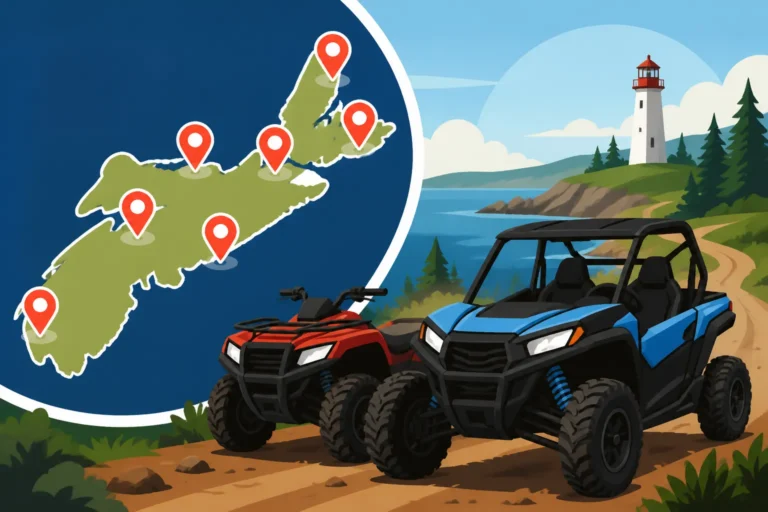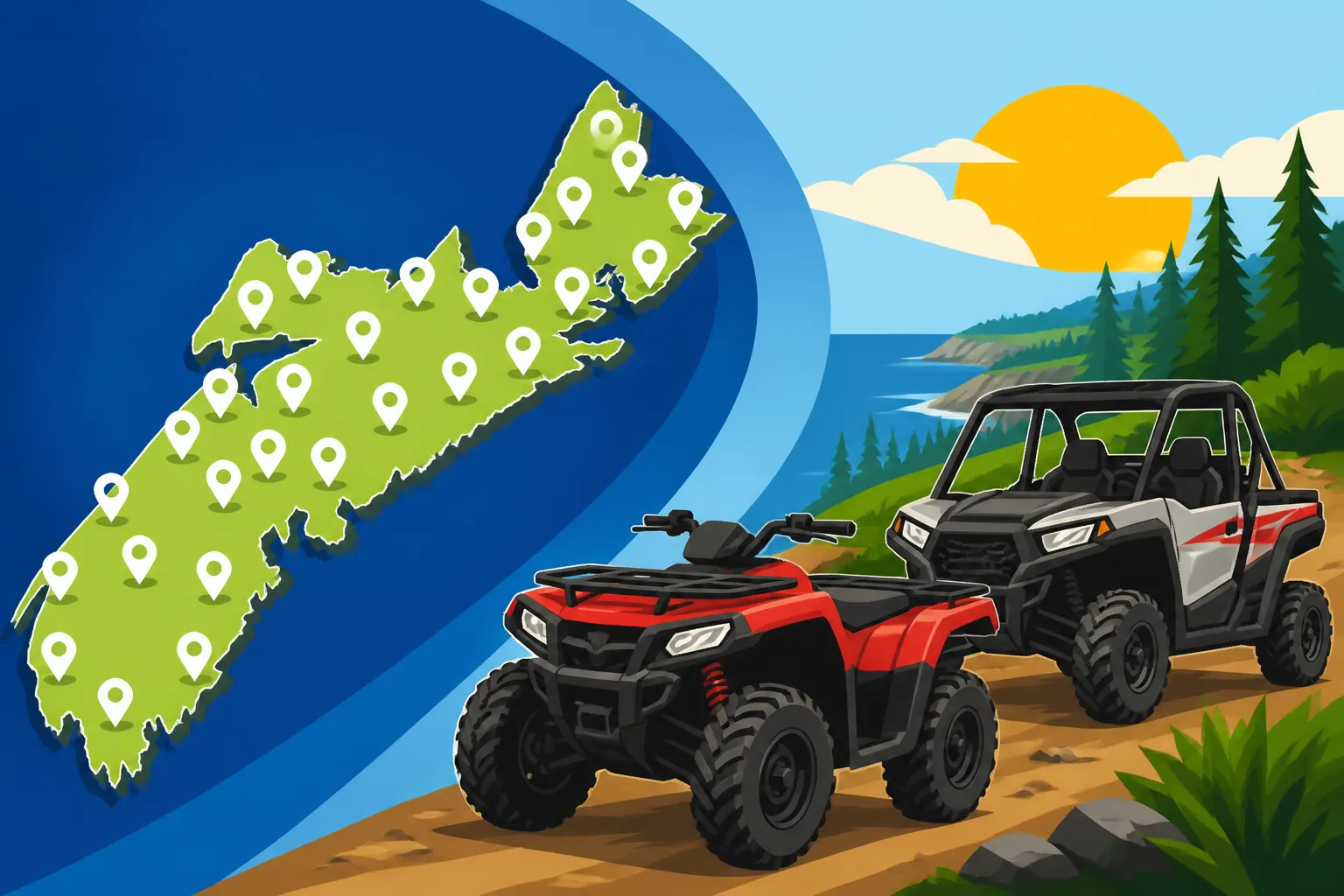
Seventy-Four Sites by Late 2025
Riding your ATV or UTV in Nova Scotia has always been a bit of a dance, especially when you want to connect trails or access amenities without breaking the rules. For years, riders have faced the frustration of having fantastic off-highway vehicle (OHV) trails often separated by unavoidable stretches of public road, leaving many to wonder how they could get from point A to point B legally and safely. This guide dives deep into Nova Scotia's significant expansion of its road trail network, particularly the exciting prospect of seventy-four sites opening by late 2025, explaining what this means for you, how to comply with the rules, and how to make the most of this newfound access.
Understanding Nova Scotia's Road Trail Expansion
It's no secret that the ATV and UTV community in Nova Scotia has been advocating for more logical access to roads for a long time. The idea isn't to turn every road into an OHV thoroughfare, but rather to create sensible connections that enhance the riding experience, support local businesses, and allow riders to bridge gaps between existing trail systems without resorting to illegal road crossings or risky detours.
The Journey to Expanded Access
The path to expanded road access for off-highway vehicles in Nova Scotia hasn't been a short or simple one. For years, the legal framework often felt restrictive, forcing riders into a difficult position when their journey required them to cross or briefly travel on a paved public road. Imagine the frustration: you've planned an epic ride, mapped out a fantastic route, only to find a critical segment blocked by a short stretch of road that your machine isn't legally allowed on. This kind of disconnect not only breaks the flow of a ride but also creates safety concerns as riders might be tempted to cut across or use roads illegally.
Recognizing these challenges, the province initiated a pilot program in 2018. This pilot was a crucial first step, testing the waters in a handful of communities to see how OHVs could safely integrate with road traffic under specific conditions. It was a learning experience for everyone involved – riders, communities, and policymakers alike. The feedback and data gathered during this period proved invaluable, paving the way for more comprehensive changes. Eventually, based on the success and lessons learned from the pilot, significant amendments were made to the Off-highway Vehicles Act. The new legislation, including key provisions for expanded road trail access, was finally [An Act Proclaimed in 2023], marking a monumental shift in how off-highway vehicles could legally interact with public roads. This was a direct response to the community's needs and the insights gained from [A Pilot That Started in 2018].
What "Seventy-Four Sites by Late 2025" Really Means for Riders
When we talk about "Seventy-Four Sites by Late 2025," it's not just a number; it represents a significant leap forward in connecting Nova Scotia's vast and diverse OHV trail network. These sites are not random, isolated stretches of road. Instead, they are strategically chosen points designed to allow riders to legally traverse short sections of public road, usually to connect to another trail, access a gas station, grab a bite to eat, or reach local services within a community. Think of them as crucial links in a much larger chain, turning what were once frustrating dead ends into seamless transitions.
This expansion aims to add substantial kilometres of accessible road segments, enhancing the overall connectivity of trails across multiple counties. It's about opening up possibilities for longer, more integrated rides, allowing you to explore more of Nova Scotia's stunning landscapes, from the coastal trails of Cape Breton to the wooded routes of the Annapolis Valley. For instance, sections that were once impassable by ATV might now link up, allowing for an uninterrupted journey between two trail systems or between a trail and a local town center. This initiative is set to connect an additional 146 kilometers of road trails, building on the initial [260 Kilometres Connected by the Pilot]. These new connections mean you could potentially ride directly from a major trail system into a village to refuel, grab a coffee, or even stay overnight, greatly improving the convenience and enjoyment of your trips. Riders should always check the official provincial resources for the specific locations and conditions of these [Seventy-Four Sites by Late 2025].
Navigating the Rules: What You Need to Know to Ride Legally on Nova Scotia Road Trails
With expanded access comes increased responsibility. Riding on designated road trails in Nova Scotia isn't like riding on a private woodlot; you're sharing the space with other vehicles, pedestrians, and cyclists. Understanding and adhering to the specific rules and regulations is paramount, not just to avoid fines, but to ensure everyone's safety and the continued success of these road access initiatives.
Essential Machine Requirements for Road Trails
Before you even think about hitting a road trail, your machine needs to be in tip-top shape and meet all the legal requirements. This isn't just a suggestion; it's the law, and enforcement is taken seriously.
First and foremost, your ATV or UTV absolutely must be registered with the province. This involves a one-time certificate fee and an annual vehicle permit. If you're caught on a road trail with an unregistered machine, you're looking at significant penalties. Along with registration, [Nova Scotia Requires Registration and Insurance] for all off-highway vehicles operating on road trails or any public land. This isn't just basic liability coverage; it's a specific requirement to ensure you're covered in case of an accident. Always carry proof of your insurance, often referred to as a "pink card," with you when you ride.
Beyond paperwork, your machine needs to be properly equipped. When you're on a road trail, you're essentially operating in a shared traffic environment, which means your visibility to others is critical. Your machine must have working headlights and tail lights, as required by [Nova Scotia Lighting Requirements], which must be illuminated during specified hours, typically from half an hour before sunrise to half an hour after dusk, and at any other time visibility is limited. Many riders opt to upgrade their factory lighting with brighter, more durable options from brands like SuperATV to enhance safety, especially in Nova Scotia's often foggy or dimly lit conditions. Brake lights are also mandatory and must be fully functional. Your machine also needs to be equipped with a muffler and meet specific noise limits. Modified or excessively loud exhausts are not permitted on road trails, as they can disturb residents and other trail users. Officers can and do enforce [Nova Scotia Exhaust Noise Rules], and fines can be substantial. Ensure your mirrors are properly positioned and provide a clear view to the rear, especially if you're riding a larger UTV.
Rider Responsibilities and Safety Protocols
Your personal conduct and preparation as a rider are just as important as your machine's compliance. Riding on road trails requires a different mindset than blasting through the backwoods.
For starters, helmets are non-negotiable. [Nova Scotia Helmet Law for Riders] dictates that all operators and passengers must wear an approved helmet at all times while operating an OHV. This isn't just any helmet; it needs to meet recognized safety standards like DOT, Snell, CSA, or BSI. Don't skimp on this — your head is worth more than a cheap helmet. Additionally, proper riding gear, including eye protection, sturdy footwear, long pants, and long-sleeved shirts, is highly recommended for all riders, and specifically mandated for those under 16.
When it comes to who can actually operate a machine on a road trail, Nova Scotia is quite clear: you must possess a valid, full driver's license. This means no learner's permits or temporary licenses are acceptable for operating an OHV on a designated road trail. [Nova Scotia Requires a Full Driver's Licence] because you are sharing the road with other licensed drivers. Age requirements are also strict for passengers. [Nova Scotia Passengers Must Be 9 or Older] to ride as a passenger on an OHV on a road trail, and they must be able to keep their feet on the footrests and hold onto the handgrips securely.
Once on the road trail, specific operating rules apply. You must always travel single file, never side-by-side, and you must never attempt to pass another vehicle unless it's safely parked. Yield to all other traffic, whether it's a car, truck, bicycle, or pedestrian. Your speed is strictly limited to 25 km/h on road trails, and you must always ride on the right-hand side of the road or the shoulder where safe and practical. Think of yourself as a cyclist, not a car. Riding in a responsible and courteous manner is essential for ensuring these road trail privileges remain available for all of us.
Making the Most of Nova Scotia's Expanded Road Trail Network
The expansion of Nova Scotia's road trail network is a game-changer for OHV enthusiasts, opening up new possibilities for exploration and convenience. It allows you to transform isolated rides into interconnected adventures, bridging gaps and creating more comprehensive touring opportunities.
Planning Your Route and Exploring New Connections
With more legal road access points, planning your rides becomes much more versatile. No longer are you strictly confined to segmented trails; you can now realistically plan multi-day excursions that incorporate stops in towns for fuel, food, and lodging. This is a huge boon for local economies and for riders seeking a fuller experience.
Start by consulting official sources like the Nova Scotia government's OHV website or the ATV Association of Nova Scotia (ATVANS) for up-to-date maps and listings of approved road trails. These resources will highlight the specific [Nova Scotia Road Trail Site Lists] and show how they connect to the broader [Nova Scotia ATV Trails: The ATVANS Network]. You might find that a short, legal stretch of road now connects two previously separate club trails, opening up a whole new loop you couldn't do before. For example, a village that was once off-limits might now be accessible via a road trail, allowing you to top up your tank or grab lunch without worry. These connections are designed to be practical, often leading directly to services or linking key recreational corridors. Remember that while these are "road trails," they often maintain a more rural, scenic feel, passing through charming communities and offering different perspectives than a dense wooded trail. Always plan your fuel stops carefully, especially in more remote areas, and consider the range of your machine.
Gear Up for Road Trail Riding
When you're riding on a road trail, your gear considerations shift slightly from pure off-road adventures. While protective gear remains essential, practical items for shared road use become more critical.
Visibility is key. Beyond your machine's lights, consider wearing high-visibility clothing, especially if you're riding in conditions that might reduce visibility, such as fog or low light. Reflective tape on your helmet and machine can also make a big difference. Ensure your helmet meets the required [Nova Scotia Helmet Standards Accepted] for maximum safety.
For your machine, consider accessories that enhance both safety and convenience on road trails. Aftermarket mirrors, like those available from SuperATV, can significantly improve your situational awareness by giving you a better view of traffic behind you, which is crucial when sharing the road. A small first-aid kit, a tool kit, and a tire repair kit are always good to have, regardless of where you're riding. While road trails generally mean smoother surfaces, unexpected debris can still cause issues. Storage solutions, such as a cargo box or saddlebags, can be invaluable for carrying extra layers, snacks, water, and any supplies you pick up in town. Some riders also invest in a small air compressor to adjust tire pressure for different riding surfaces, as optimal pressure for a gravel trail might be different from a paved road trail. Always double-check your [Nova Scotia Lighting Requirements] before heading out, as properly functioning lights are a legal necessity.
Common Pitfalls and How to Avoid Them on Road Trails
While the expanded road trail network offers incredible opportunities, it also comes with a new set of responsibilities and potential pitfalls. Being aware of these common mistakes can save you from fines, accidents, and damaging the positive perception of OHV riders in Nova Scotia.
Understanding Local Nuances and Avoiding Fines
One of the most frequent issues riders encounter on road trails is failing to adhere to the specific rules of the road. It's easy to forget you're on a public road, even if it's designated as an OHV road trail. The most critical rule to remember is the speed limit: [25 km/h on a Road Trail]. This limit is enforced strictly, and it's much lower than what you might be used to on open trails or even what seems appropriate for some paved sections. Exceeding this limit is a quick way to earn a ticket.
Operating hours are another common pitfall. While you might be used to riding from dawn till dusk on off-road trails, road trails have specific time restrictions. Typically, OHVs are permitted on road trails from half an hour before sunrise to half an hour after dusk. Riding outside these hours, especially after dark, is generally prohibited unless specific local bylaws state otherwise, and even then, your machine must have full, functioning headlights and tail lights.
It's also crucial to understand that not every road is an OHV road trail. The expansion targets specific segments, and mistakenly venturing onto an unauthorized public road can lead to significant penalties, including fines for an unregistered or uninsured machine, even if your papers are in order for designated areas. [Nova Scotia Penalties for Riding Unregistered] can be substantial, and operating an OHV on an unauthorized road can be treated similarly. Always verify your route with official maps and signage to ensure you are on a legal road trail. Some communities might have their own specific bylaws or additional restrictions, so it's always wise to check local information if you're riding in a new area.
Respecting the Environment and Other Users
The success and expansion of road trails depend heavily on respectful rider behavior. When you're on a road trail, you're not just representing yourself; you're representing the entire OHV community.
Environmental stewardship is crucial. Stick to the marked road trail and do not venture off into adjacent fields, private property, or sensitive natural areas. [Nova Scotia Beach and Dune Riding Bans] are in place for a reason – these delicate ecosystems are easily damaged and can take decades to recover. Avoid riding through wetlands or watercourses, as this can cause erosion and pollution. Responsible riders understand that preserving these natural spaces is key to maintaining access for future generations.
Equally important is showing respect to other road and trail users. Road trails are often shared with pedestrians, cyclists, and other vehicles. Always be courteous, reduce your speed when approaching others, and never spray gravel or dust onto homes or people. [Riding Etiquette When You Meet Walkers] means slowing down, giving them ample space, and a friendly wave. Excessive noise from aftermarket exhausts can also be a major nuisance for residents along road trails; keeping your machine quiet and compliant with noise regulations is a sign of respect. Remember, a single negative encounter can spark community opposition and potentially jeopardize future access for everyone. By being a considerate and responsible rider, you help ensure that these valuable road trail connections remain open and available.
| Rule Category | Requirement | Penalty for Non-Compliance |
|---|---|---|
| Registration | Must have current Nova Scotia OHV registration (certificate & annual permit). | Significant fines, machine impoundment. |
| Insurance | Minimum liability insurance coverage required; carry proof (pink card). | Fines for uninsured operation, potential liability in accidents. |
| Driver's License | Operator must hold a valid, full driver's license (no learners). | Fines for unlicensed operation. |
| Helmet | Approved helmet (DOT, Snell, CSA, BSI) mandatory for operator & all passengers. | Fines for helmet violations, increased risk of serious injury. |
| Passenger Age | Passengers must be 9 years or older, able to reach footrests, and hold handgrips. | Fines for underage or improperly seated passengers. |
| Machine Equipment | Functional headlights, tail lights, brake lights, muffler, and appropriate mirrors (check SuperATV for upgrades). Noise levels must be compliant. | Fines for equipment violations. |
| Speed Limit | Maximum 25 km/h on designated road trails. | Speeding tickets. |
| Operating Hours | Half an hour before sunrise to half an hour after dusk. | Fines for operating outside legal hours. |
| Riding Etiquette | Ride single file, yield to all other traffic, stay to the right, respect private property, do not pass. | Fines for improper operation, contributing to negative public perception. |
| Designated Routes | Only operate on officially designated OHV road trails; do not use unauthorized public roads, beaches, or dunes. | Fines for trespass, environmental damage, and operating on prohibited areas. Penalties can be severe for environmental infractions. |
Disclaimer
This article is for general informational purposes only and does not constitute professional advice. Laws, prices and regulations vary by location and change over time. Consult a qualified professional for guidance on your specific situation.