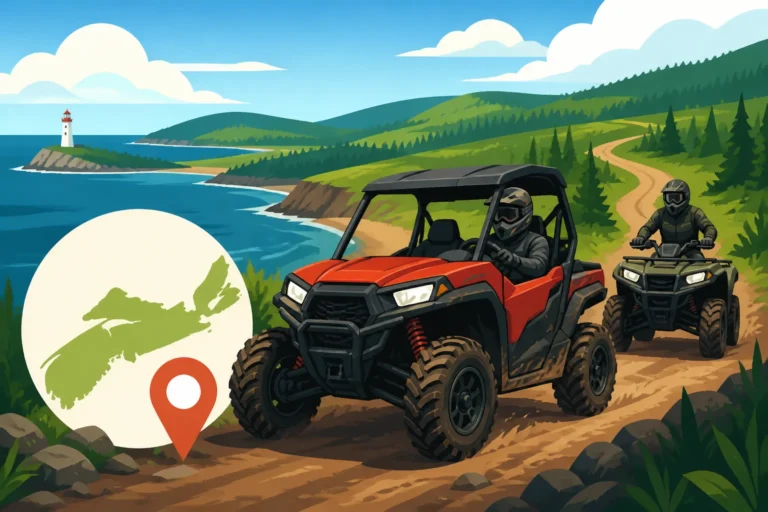
Nova Scotia Road Trails Near Sydney
It can be incredibly frustrating to own an ATV or UTV in Nova Scotia, especially around a vibrant hub like Sydney, and feel like you're constantly guessing where you're actually allowed to ride legally. You've invested in a machine for recreation, exploring, or perhaps even for practical uses, only to find the rules for getting from point A to point B or connecting to trails can be a confusing maze. This guide aims to clear up that confusion, specifically focusing on the road trail system near Sydney, so you can ride with confidence and enjoy the beautiful Cape Breton landscape without worry.
Understanding Nova Scotia's Road Trail System for OHVs
For years, many Nova Scotian ATV and UTV owners faced a dilemma: how to legally access trails or travel between communities without risking fines for riding on public roads. The solution came with the implementation of Nova Scotia's Road Trails Act, a significant piece of legislation designed to integrate off-highway vehicles (OHVs) into the provincial road network in a controlled and safe manner. This act doesn't just throw open all roads to machines; instead, it provides a framework for municipalities and the provincial government to designate specific, less-travelled roads or sections of roads as "road trails" where OHVs can legally operate.
The whole idea behind this system is to bridge those gaps between existing trail networks, allow riders to access amenities like gas stations or restaurants, and connect communities. It acknowledges that machines are a part of Nova Scotia's lifestyle and economy, especially in rural areas, and provides a structured way to accommodate them. However, it's absolutely crucial to remember that these aren't free-for-all zones. Each designated road trail comes with its own set of very specific rules that riders must adhere to for everyone's safety and to ensure the program's continued success. Thinking you can just hop on any road could lead to a hefty ticket and put others at risk. The government is pretty clear: if a road isn't specifically designated, it's off-limits for your quad or side-by-side.
The Purpose and Evolution of the Road Trails Act
The Road Trails Act didn't just appear overnight; it was the result of years of advocacy from riders and clubs, as well as pilot projects that proved the concept could work. It was officially proclaimed in September 2023, building on the experiences of a pilot program that began in 2018. This legislation aims to create a cohesive network, connecting the vast stretches of club trails and private land access that riders already enjoy. Before this act, accessing even a gas station a few kilometers down the road might have meant trailering your machine, which is a real inconvenience and deterrent to casual rides. Now, the goal is to reduce that friction, making riding more accessible and integrated into local tourism and recreation. You'll find that details about the evolution of the road trail system are outlined in articles like [Nova Scotia's Road Trails Act Explained].
It’s important to understand that the Act empowers municipalities to make local decisions about which roads within their jurisdiction are suitable for OHV use. This means that what's allowed in one county might be different from another, even if they're geographically close. This local control ensures that residents' concerns are addressed and that the designated routes make sense for the specific community. For riders, this means you can't assume a road is a road trail just because you saw one in a neighboring town. Always check the official listings, usually found on provincial or municipal government websites, or through local ATV associations.
General Rules and Limitations on Road Trails
Even on a designated road trail, your off-highway vehicle isn't treated exactly like a car. There are strict rules governing how you operate your machine. First and foremost, you absolutely need to have your machine registered and insured. This isn't just a suggestion; it's a legal requirement before you even think about putting a tire on a designated road trail. Details on this can be found in [Nova Scotia Requires Registration and Insurance]. Beyond the paperwork, personal safety gear is paramount. Helmets are mandatory, and not just any helmet – it needs to meet approved safety standards. You can read more about this in [Nova Scotia Helmet Law for Riders].
Speed is another major factor; road trails typically have a maximum speed limit of 25 km/h, which is significantly slower than typical road speeds. This reduced speed is in place to ensure the safety of OHV riders, other vehicles, pedestrians, and nearby residents. You're also generally restricted to riding single file and are prohibited from passing other vehicles on a road trail. These rules emphasize caution and respect for other road users. Always be prepared to yield to cars, trucks, and even cyclists or pedestrians. This isn't about challenging traffic; it's about sharing the space responsibly.
Identifying Road Trails Around Sydney
Sydney and the surrounding Cape Breton Regional Municipality (CBRM) offer a unique mix of urban centers, rural communities, and stunning natural landscapes. For ATV and UTV riders, this means a diverse range of riding opportunities, but also a greater need to understand where road trails are specifically designated. While it might seem convenient to just "know" the routes, relying on guesswork can be risky. The designated road trails often connect smaller communities, provide access to scenic viewpoints, or allow a seamless transition from one section of the vast ATVANS trail network to another. Finding these specific spots often involves consulting online maps provided by the province or local ATV clubs.
The CBRM, like other municipalities in Nova Scotia, has the authority to designate certain roads within its boundaries for OHV use. These are typically less-trafficked municipal roads, often found in more rural or semi-rural areas on the outskirts of Sydney. You won't be cruising your side-by-side down Charlotte Street, for instance. The focus is on connecting rural routes and providing safe passage where there's less conflict with high-speed vehicle traffic. Riders often find these routes essential for accessing specific trailheads or for connecting their cottage to a local store without having to load up the trailer.
Specific Examples of Road Trails in or Near Sydney
While I don't have real-time access to a constantly updated list, based on the historical context of Nova Scotia's road trail program and known pilot areas, you can generally expect to find road trail designations in the more rural areas surrounding Sydney. These might include routes connecting smaller communities within the broader Cape Breton Regional Municipality or providing access to the more extensive trail networks further afield. For instance, you might find designated sections that allow you to travel between areas like Mira Gut and points towards Marconi Tower Road, or from Loch Lomond to Framboise. These are the kinds of specific, localized connections that the road trail system is designed to facilitate, creating crucial links between villages and trails.
The key is to remember that these are specific, designated roads, not every back road in the county. Riders often check resources like Nova Scotia Road Trails Near Sydney and [Nova Scotia Municipal Road Trails] to stay informed about the latest additions and exact locations. It's not uncommon for municipalities to update their lists or add new sections as the program evolves and community feedback is gathered. Before you head out, confirm the validity of your intended route. Nothing ruins a ride faster than an unexpected fine for riding where you shouldn't be.
How Municipalities Designate These Trails
The process for designating a road as an OHV road trail involves the municipal council passing a by-law. This by-law will specifically name the roads or sections of roads where OHVs are permitted. This isn't a casual decision; it typically involves consultations with local residents, law enforcement, and ATV clubs. The goal is to find routes that provide valuable connectivity for riders while minimizing impact on other residents and ensuring safety. Because of this local control, the road trail map isn't a static, province-wide blanket. It's a patchwork that grows and adapts based on local needs and circumstances.
These designated roads are usually marked with specific signage indicating that they are part of the OHV road trail network. Always look for these signs. If you don't see one, assume the road is not a designated road trail. Sometimes, these signs might be placed at key intersections or entry points to the designated segment. The careful planning that goes into these designations means that riders are expected to respect the boundaries and rules set out. Understanding how this system works helps you appreciate the effort to create these opportunities and encourages responsible riding.
Essential Rules and Safety for Sydney Road Trails
Riding on designated road trails around Sydney isn't just about knowing where you can go; it's equally, if not more, about understanding how you must operate your machine safely and legally. These rules are in place to protect you, your passengers, other road users, and the longevity of the road trail program itself. Disregarding them not only puts you at risk of fines but can also jeopardize the entire system for other riders. The spirit of the law is about shared responsibility and mindful recreation.
It’s easy to get caught up in the excitement of a ride, especially with the stunning views Cape Breton offers. However, the momentary thrill isn't worth the potential consequences of ignoring the rules. Imagine cruising along, enjoying the fresh air, only to round a bend and encounter a local resident, a pedestrian, or another vehicle. Your compliance with the rules ensures that such encounters are safe and respectful for everyone involved. Think of it as being a good ambassador for the ATV/UTV community.
Speed Limits, Operating Hours, and Passenger Rules
Let's talk speed first. The absolute maximum speed limit on any designated road trail is 25 km/h. This is a crucial rule, clearly laid out in [25 km/h on a Road Trail]. It's significantly slower than typical road speeds and demands your full attention. This isn't the place to test your machine's top end. Keeping your speed down allows for quicker reaction times, reduces dust, and minimizes noise, which are all important for coexisting peacefully with residents along these routes.
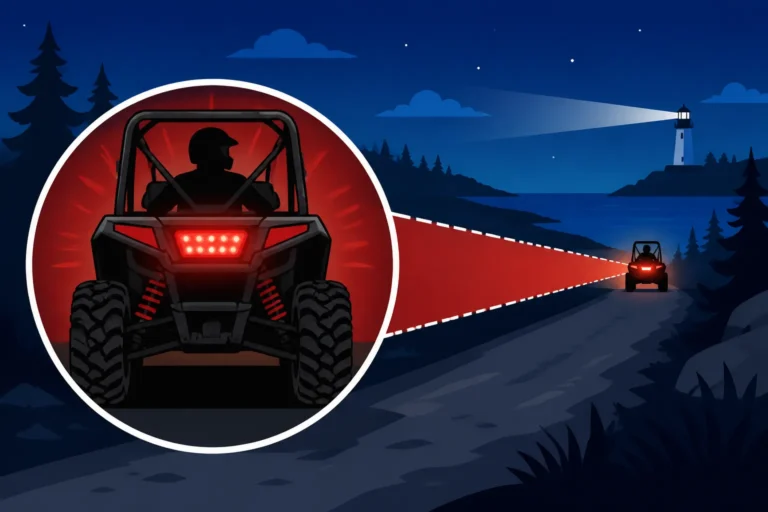
Operating hours are also strictly defined. Generally, OHVs are permitted on road trails from half an hour before sunrise to half an hour after sunset. This restriction is primarily for safety, as night riding introduces visibility challenges and can heighten noise concerns for residents. For more details on these timeframes, refer to [Half an Hour Before Sunrise]. Don't assume that because your machine has headlights, you can ride after dark on these designated roads. As for passengers, there are age restrictions. Any passenger riding on your ATV or UTV on a road trail must be at least nine years old. This rule is designed to ensure the passenger can safely hold on and endure the ride. You can find this requirement detailed in [Nova Scotia Passengers Must Be 9 or Older].
Driver's Licence, Riding Formation, and Yielding
To operate an OHV on a designated road trail in Nova Scotia, you must hold a valid full driver's license. A learner's permit or any other provisional license simply won't cut it. This ensures that riders have a foundational understanding of road rules and responsibilities before operating a machine in shared spaces. This crucial requirement is explained further in [Nova Scotia Requires a Full Driver's Licence]. This is not just about knowing how to drive; it's about demonstrating a certain level of maturity and understanding of road dynamics.
When riding on a road trail, you must always ride single file. This is particularly important on narrower roads and ensures that you're not hogging the entire lane, leaving space for other vehicles to pass safely. Passing other vehicles, including other OHVs, on a road trail is strictly prohibited. If you're riding with a group, maintain safe distances and stick to a single-file formation. Most importantly, you must yield to all other traffic. This means if a car, truck, or even a cyclist approaches, you are expected to slow down, pull to the side if safe, and let them pass. This courtesy and adherence to traffic laws are vital for demonstrating responsible OHV use and maintaining positive community relations.
Preparing for Your Ride Near Sydney
Before you even think about hitting a designated road trail around Sydney, a little preparation goes a long way. It’s not just about having the right papers; it’s about making sure your machine is trail-ready and you have the necessary gear to stay safe and compliant. Taking the time to do a quick pre-ride check can prevent headaches, fines, and potentially dangerous situations out on the trail or road. After all, the goal is to enjoy your ride, not to be stranded or ticketed.
Think about it: you're heading out to enjoy the beautiful scenery of Cape Breton. The last thing you want is to be pulled over because your tail light isn't working or because you forgot essential documentation. A proactive approach not only keeps you legal but also ensures a smoother, more enjoyable experience for everyone. Plus, being prepared contributes to the overall positive image of OHV riders in the community.
Machine Requirements and What to Carry
Your ATV or UTV needs to meet certain specifications to be legal on Nova Scotia road trails. This includes having working headlights and tail lights, especially if you're riding during the transitional periods of dawn or dusk within the permitted operating hours. Your lights must be in good repair and clearly visible. Furthermore, your machine must meet factory noise standards; modified or excessively loud exhausts are generally not permitted and can lead to fines. Details on this can be found in [Nova Scotia Lighting Requirements] and [Nova Scotia Exhaust Noise Rules]. A quick check of your machine before you leave is always a good idea. Make sure your brakes are functioning, tires are properly inflated, and all essential components are in good working order. High-quality parts and accessories from reputable brands, like those offered by SuperATV, can help ensure your machine is reliable and compliant with safety standards.
Beyond the machine itself, you need to carry specific documentation with you. This includes your certificate of registration, proof of insurance (often called a "pink card"), and your driver's license. An officer can and will ask to see these documents during a stop. Having them readily accessible is crucial. For guidance on what papers to carry, see [Carrying Papers on a Coastal Ride]. It’s also wise to carry a basic repair kit, a first-aid kit, and enough water and snacks for your planned ride, especially if you're venturing into more remote areas or connecting to longer trails.
Checking Local Conditions and Signage
Always make it a habit to check the local conditions before you head out. This includes weather forecasts, as Nova Scotia's weather can change quickly, especially along the coast. Rain can turn dusty trails into muddy messes, and fog can severely reduce visibility. Knowing what to expect allows you to dress appropriately and adjust your riding plans if necessary. Additionally, fire restrictions or woods bans can be implemented during dry periods, which might affect trail access even on designated road trails if they pass through wooded areas.
Crucially, always pay attention to signage. Road trails are explicitly marked, and if a road isn't signed as a road trail, you should assume it's not one. Signage might also indicate temporary closures due to maintenance, construction, or unforeseen circumstances like washouts. For instance, [Nova Scotia Equipment Checks by Officers] will confirm that officers are on the lookout for compliance, so knowing the signage is your first line of defense. Ignoring these signs isn't just risky; it demonstrates a disregard for the rules that allow this system to function. Even if you're using aftermarket parts from SuperATV to enhance your ride, like a full windshield for better visibility or heavy-duty axles for rough terrain, always ensure your setup complies with local regulations. Being informed and prepared makes for a safer and more enjoyable experience for everyone on the beautiful Cape Breton road trails.
Here's a quick summary of key rules for Nova Scotia Road Trails:
| Rule Category | Requirement | Details |
|---|---|---|
| Eligibility | Full Driver's License | Learner's permits or provisional licenses are not accepted. |
| Machine Status | Registered and Insured | Your OHV must have valid Nova Scotia registration and liability insurance. |
| Speed Limit | 25 km/h Maximum | Strictly enforced on all designated road trails. |
| Operating Hours | Half an hour before sunrise to half an hour after sunset | No night riding is permitted on road trails. |
| Passengers | 9 years of age or older | Passengers must be able to safely hold on and ride. |
| Riding Formation | Single File Only | Always ride single file; no passing other vehicles or OHVs on a road trail. |
| Traffic Interaction | Yield to All Traffic | Give way to cars, trucks, pedestrians, and cyclists. |
| Required Gear | Approved Helmet, Eye Protection | DOT, CSA, Snell, or BSI approved helmets are mandatory. Eye protection is highly recommended, mandatory for youth. |
| Machine Condition | Functional Headlights/Tail Lights, Standard Exhaust | Lights must work, and exhaust noise levels must meet factory specifications. |
| Documentation | Carry Registration, Proof of Insurance, Driver's License | Have all required documents readily accessible for inspection. |
Disclaimer
This article is for general informational purposes only and does not constitute professional advice. Laws, prices and regulations vary by location and change over time. Consult a qualified professional for guidance on your specific situation.