Nova Scotia Road Trails Near Truro
Finding safe, legal, and enjoyable places to ride your ATV or UTV near Truro can feel like a maze, especially with the evolving rules around off-highway vehicles and road access. It's easy to get frustrated trying to figure out where you can actually put tires to ground without risking a fine or trespassing. This guide is here to untangle the complexities of Nova Scotia's road trail system, specifically focusing on how it applies to riders in and around the Truro area, so you can spend less time worrying and more time riding.
Understanding Nova Scotia's Road Trail System
For years, many of us in Nova Scotia longed for a more cohesive and legal way to connect trails and access amenities like gas stations or restaurants without constantly loading and unloading our machines. The province heard these calls, and through amendments to the Off-highway Vehicles Act, a system of "road trails" has begun to emerge. These aren't just any roads; they are specific, designated segments of public highways and roads where OHVs are permitted to operate under strict conditions.
The whole point of this system is to bridge the gaps in our extensive trail networks, allowing us to link up different areas and enjoy longer, more integrated rides. However, it's crucial to understand that this isn't a free pass to ride anywhere you please. The system is designed to allow responsible access, meaning there are very clear boundaries and rules in place to ensure safety for everyone, whether they're on an OHV, in a car, or on foot. It’s a delicate balance that relies heavily on rider awareness and compliance.
What the Road Trails Act Means for You
The [Nova Scotia's Road Trails Act Explained] really changed the game for off-highway vehicle riders. Before this, riding any public road was largely off-limits, creating significant headaches for those who just wanted to get from one section of a trail to another, or even grab a coffee in town. The Act essentially provides a legal framework for municipalities and the province to designate specific road sections for shared use. This means that a road that was once completely forbidden to OHVs might now be a legitimate part of your riding route.
However, this designation comes with a lot of caveats. These aren't simply "open" roads. They have specific hours of operation, speed limits that are often much lower than the posted limit for cars, and mandatory safety equipment requirements that go beyond what you might need on a private trail. The intent is to allow connectivity while minimizing conflicts with other road users and maintaining public safety. It’s a testament to the hard work of rider associations lobbying for more sensible access, but it also places a significant responsibility on us, the riders, to know and follow the rules.
How Road Trails Operate and Their Limitations
The operational details of road trails are quite specific, and it's essential not to assume every road you see is fair game. Each designated road trail will have specific signage indicating that OHVs are permitted, along with any particular conditions. You might find that a road trail is only open during daylight hours, or that it has a maximum speed limit of 25 km/h, regardless of the usual road speed. [Nova Scotia Road Trail Operating Hours] often reflect these limitations, ensuring OHV use doesn't unduly impact residential areas during quieter times or low visibility conditions.
Furthermore, not all municipalities participate in the road trail program, and those that do will have specific sections of roads designated. This means you can't just pick any road segment and assume it's part of the network. The designations are often strategic, connecting existing trail systems or providing access to essential services. Understanding these limitations is key to a responsible and legal ride, preventing you from inadvertently straying onto prohibited sections. Always keep an eye out for the distinctive signage; when in doubt, assume it's not a designated road trail.
Navigating Road Trails in the Truro Area
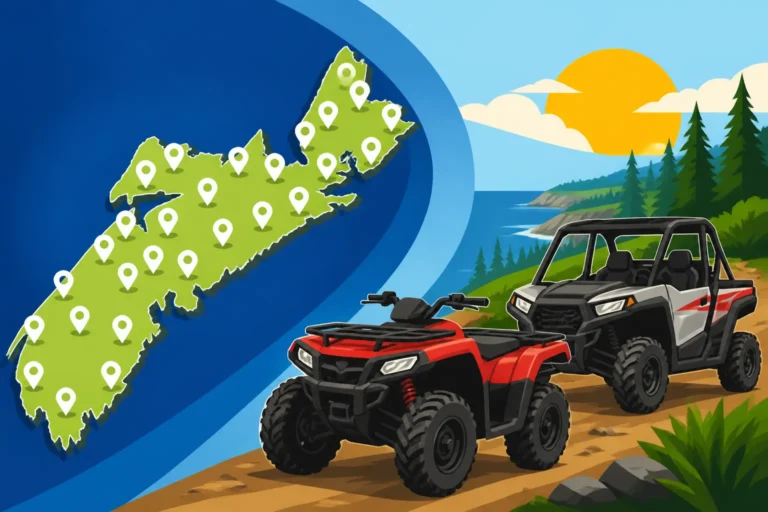
Truro, being a central hub in Nova Scotia, is surrounded by a diverse landscape that includes farmlands, woodlands, and many communities. This makes it an ideal location for the concept of connecting off-highway vehicle trails to local amenities. While specific road trail designations can change and expand over time, understanding how these trails are typically implemented around communities like Truro is crucial for planning your rides.
The focus in many areas has been on connecting existing ATVANS (All-Terrain Vehicle Association of Nova Scotia) club trails, which often run along old rail beds or through managed forests, to smaller rural roads that lead into villages or provide access to provincial highways for crossing. This approach aims to reduce the need for complicated loading and unloading procedures, making it easier for riders to embark on longer journeys or simply pop into town for supplies.
Identifying Designated OHV Roads Near Truro
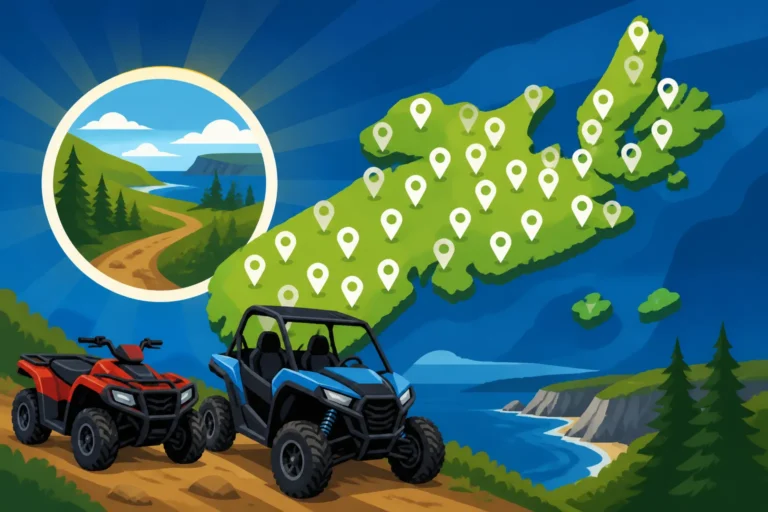
When it comes to actually finding these roads near Truro, the first step is always to check the official sources. Municipalities that have opted into the road trail program are responsible for identifying and marking these segments. This means looking for lists or maps provided by the local government, often accessible through their websites or physical offices. You'll typically find that [Nova Scotia Municipal Road Trails] are concentrated in areas where they can logically extend an existing trail network or offer a practical way for riders to reach services.
For example, you might find that sections of roads leading out of smaller communities surrounding Truro—like those in Colchester County—have been designated. These might be quieter, secondary roads or even parts of collector roads, rather than busy main thoroughfares. Look for specific signage featuring the OHV symbol, often accompanied by speed limits and operating hours. Without clear signs, you should not assume a road is a designated road trail.
Practical Riding Advice for Truro's Road Trails
Riding on a designated road trail, even a quiet one, is a different experience than being on a dedicated woods trail. You are sharing the space with other vehicles, pedestrians, and sometimes even cyclists. The number one rule is safety and courtesy. Adhere strictly to the posted speed limits, which are almost universally [25 km/h on a Road Trail] unless otherwise indicated. This isn't just a suggestion; it's a legal requirement designed to reduce conflict and increase reaction time.
Beyond speed, visibility is paramount. Your machine must be properly equipped with functional headlights, tail lights, and brake lights. Consider adding aftermarket turn signals and mirrors if your machine doesn't have them, to better communicate your intentions to other road users. Brands like SuperATV offer a range of universal turn signal kits and mirrors that can be adapted to most OHVs, enhancing safety significantly. Remember, you are expected to operate your machine as if it were any other vehicle on the road in terms of signaling and yielding. Always ride single file and yield to all other traffic.
Key Regulations and Rider Responsibilities on Truro Road Trails
Riding off-highway vehicles on designated road trails is a privilege, not an inherent right. With this privilege comes a clear set of responsibilities and legal requirements that are strictly enforced. Ignoring these rules not only puts you at risk but also jeopardizes the future of road trail access for all riders. It's about being a good neighbour and a responsible member of the riding community.
The rules cover everything from the basic legal necessities like registration and insurance to personal safety gear and how you conduct yourself on these shared-use paths. Understanding and adhering to these regulations is non-negotiable. It's not enough to know where you can ride; you also need to know how to ride legally and safely in these specific environments.
Essential Legal Requirements for Road Trail Use
First and foremost, your ATV or UTV must be properly registered with the Province of Nova Scotia. [Nova Scotia Requires Registration and Insurance] for all off-highway vehicles operating off private land. This isn't just for road trails; it's a requirement for any public trail system too. When you register, you also contribute to the OHV Infrastructure Fund, which helps maintain and expand the very trails you want to ride.
Equally critical is having adequate liability insurance. Nova Scotia law mandates a minimum amount of liability coverage to protect against financial responsibility in the event of an accident where you are at fault. Always carry proof of registration and insurance with you – your "pink card" is your evidence of insurance. Furthermore, every rider and passenger on a road trail must wear an approved helmet. [Nova Scotia Helmet Law for Riders] specifies standards like DOT or CSA approval. This isn't just good advice; it's the law, and fines for non-compliance are significant.
Rider Etiquette and Safety on Shared Roads
Operating an OHV on a road trail demands a higher level of caution and courtesy than you might typically employ on a remote woods trail. You are sharing space with cars, pedestrians, and cyclists. Always ride predictably and communicate your intentions clearly. When encountering other vehicles, slow down, move to the right side of the road, and be prepared to stop if necessary. Yield to all other traffic, especially motor vehicles.
Maintain a safe following distance from other OHVs in your group, and absolutely no passing on road trails. Keep your speed to the posted limit, usually [25 km/h on a Road Trail], which allows you more time to react to unexpected situations. [Nova Scotia Lighting Requirements] are not just for night riding; good visibility during the day is also crucial, especially on winding roads. Consider adding reflective elements to your machine or gear, or upgrading to brighter LED lights. SuperATV offers robust lighting solutions that significantly improve visibility in all conditions.
| Rule Category | Specific Requirement | Importance |
|---|---|---|
| Speed Limit | Max 25 km/h (unless otherwise posted) | Safety, sharing with other traffic, pedestrian protection |
| Equipment | Headlight, Tail light, Brake light, Horn, Muffler | Visibility, signaling, noise control |
| Personal Gear | Approved helmet (DOT, CSA, Snell, BSI) | Rider safety, legal compliance |
| Documentation | Valid registration, Proof of insurance (Pink Card) | Legal operation, financial protection |
| Rider Conduct | Ride single file, Yield to other traffic, No passing | Courtesy, accident prevention, smooth traffic flow |
| Age Requirement | Full driver's license required | Competence and responsibility when operating on roads |
| Operating Hours | Half an hour before sunrise to half an hour after dusk | Visibility, residential quiet hours (may vary by municipality) |
What to Avoid: Penalties and Prohibited Activities
Knowing what not to do is just as important as knowing what to do. Riding unregistered, uninsured, or without a helmet can lead to substantial fines. Furthermore, operating an OHV while impaired by alcohol or drugs carries the same severe [Nova Scotia Impaired Riding Penalties] as operating any other motor vehicle, including licence suspension and criminal charges. It's incredibly dangerous and absolutely not worth the risk.
Never ride off the designated road trail into ditches, private property, or non-designated areas. This is trespassing and can lead to property damage, fines, and serious injury. Respect private property and stay on the marked path. Any actions that create excessive noise, dust, or disturbance to local residents should also be avoided, as they can lead to complaints that jeopardize the future of road trail access. Our collective actions directly influence public perception and policy, so let's make sure it's a positive one.
Planning Your Road Trail Adventure Near Truro
Successfully incorporating road trails into your ATV or UTV adventures near Truro requires a bit of planning, but the rewards are well worth it. Imagine being able to ride from a club trail, grab lunch in a nearby village, and then continue your journey on another segment, all without loading your machine back onto a trailer. This connectivity opens up a whole new world of exploration.
Good planning ensures you have a smooth, enjoyable, and most importantly, legal ride. It means thinking about your route, where you'll get fuel, where you can park, and how to stay informed about any changes to the road trail network. Truro's central location makes it a great base for exploring central Nova Scotia, and with smart planning, you can make the most of the increasing access opportunities.
Mapping Your Route and Essential Amenities
Before you head out, sit down with a map (digital or paper) and plot your intended route. Look for the connections between established club trails and the designated road trail segments. Many municipalities publish maps of their designated road trails, and ATVANS often highlights these connections within their broader trail mapping resources. You'll want to identify convenient [Nova Scotia Trailheads With Parking] where you can safely leave your tow vehicle and trailer.
Consider your machine's [Nova Scotia Fuel Range Between Villages] and plan your stops accordingly. While road trails aim to connect you to amenities, some stretches might still be quite remote. Always start with a full tank of gas and carry extra fuel if you're venturing into less populated areas. Think about food and water as well, packing essentials for longer rides. Truro itself has plenty of services, but once you head into the more rural areas, options become more spread out.
Staying Informed About Trail Conditions and Access
The road trail system is still relatively new and can evolve. Designations might be added or changed, and temporary closures can occur due to weather, maintenance, or other local events. Therefore, it's critical to seek out current information before each ride. The municipal government websites for Colchester County and other surrounding areas are your primary source for up-to-date road trail designations.
Additionally, connecting with local ATVANS clubs in the Truro area can be invaluable. These clubs often have the most current information about trail conditions, including any changes to road trail access, due to their direct involvement in trail maintenance and advocacy. They might even organize group rides that utilize these new connections, providing an excellent way to learn the routes from experienced local riders. Remember that [Nova Scotia Cell Coverage on Remote Trails] can be spotty, so download any maps or critical information before you lose signal.
Disclaimer
This article is for general informational purposes only and does not constitute professional advice. Laws, prices and regulations vary by location and change over time. Consult a qualified professional for guidance on your specific situation.