Nova Scotia Regulations Amended in 2023
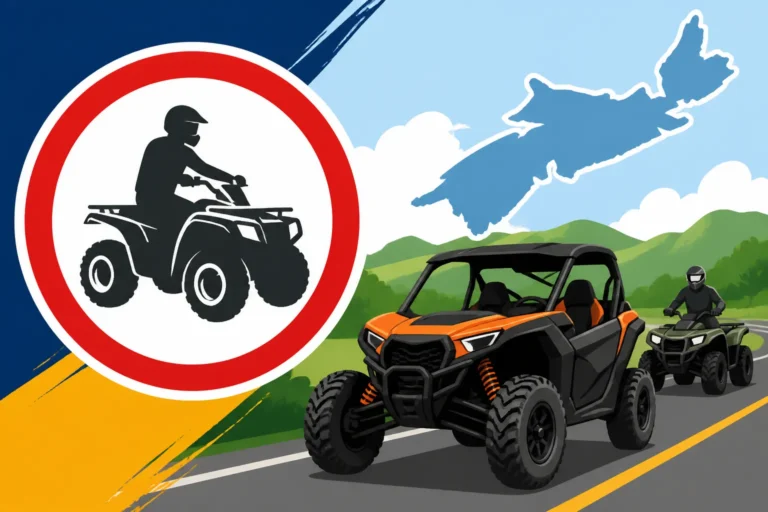
For years, navigating the rules around riding off-highway vehicles (OHVs) like ATVs and UTVs on Nova Scotia's public roads felt like trying to solve a puzzle with half the pieces missing. The frustration was real, with riders often unsure where they could legally connect trails or access amenities without breaking the law. This comprehensive guide will walk you through the significant amendments to Nova Scotia's OHV regulations that took effect in 2023, specifically focusing on the new "Road Trails Act" and what it means for your riding adventures.
Setting the Stage: Nova Scotia's Road Trail Evolution
Before we dive into the specifics of the 2023 amendments, it’s important to understand the journey that led us here. For a long time, the idea of legally riding an ATV or UTV on a public road in Nova Scotia was largely a pipe dream, restricted to very specific, limited circumstances like crossing a highway or accessing your own property. This created a lot of disconnect for riders. You might have thousands of kilometers of incredible off-road trails, but getting from one section to another, or even just popping into a local gas station for a refill, could be a legal grey area or outright illegal. This disjointed experience made it tough for clubs to create continuous routes and for riders to fully explore the province.
The provincial government recognized this challenge and, in response, initiated a pilot project to explore the feasibility and safety of allowing OHVs on designated public roads. This was a crucial step, known as [A Pilot That Started in 2018], allowing the province to gather real-world data and feedback from communities and riders. These pilot projects were invaluable, showing that with the right rules and signage, responsible OHV use on certain public roads could be safe and beneficial. It wasn't about turning every road into a trail, but strategically opening connections to enhance the overall riding experience and support rural tourism.
The success of these initial pilots paved the way for more significant legislative changes. There was a clear demand from the riding community and a growing understanding of the economic benefits that could come from better-connected trail networks. This groundwork was absolutely essential, as it provided the evidence and political will needed to move from temporary pilot projects to a more permanent, province-wide framework. Without that careful testing and community engagement, the 2023 amendments might never have come to fruition, leaving many riders still facing the same old frustrations.
The Core of the 2023 Amendments: What Changed for OHV Access
The big news for Nova Scotia OHV enthusiasts in 2023 was the proclamation of the Off-Highway Vehicles Act, bringing with it the "Road Trails Act" and a whole new era for how we can legally use our machines. This [An Act Proclaimed in 2023] fundamentally altered the landscape, moving beyond piecemeal exemptions to a structured system for designated road sections. It's a game-changer because it allows municipalities, with provincial approval, to formally open up sections of roads for OHV use, effectively creating connectors within the vast trail network.
Under these new regulations, the provincial government, in partnership with local municipalities, can designate specific public road sections as "road trails." This means that instead of just hoping you don't get stopped while making a quick road-side connection, you can now ride legally and confidently on these marked routes. These aren't high-speed highways, mind you, but typically lower-speed rural roads that are suitable for shared use. This targeted approach ensures that safety remains paramount while addressing the long-standing need for connectivity.
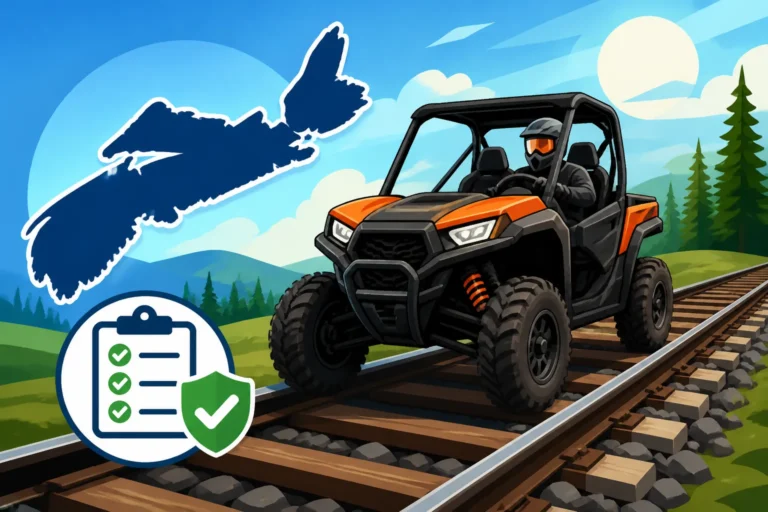
One of the most significant shifts introduced by the 2023 amendments is the clear set of rules and requirements for operating an OHV on these designated road trails. It's not a free-for-all; rather, it’s about responsible and regulated access. These rules cover everything from who can drive to how your machine must be equipped. For a detailed breakdown, you’ll want to review [Nova Scotia's Road Trails Act Explained]. It's crucial for every rider to understand these details to ensure compliance and safety for everyone on the road.
Navigating the New Rules: Practical Implications for Riders
With the 2023 amendments in place, riding your ATV or UTV on designated road trails in Nova Scotia comes with a clear set of responsibilities. It’s not just about knowing where you can ride, but how you must ride and what your machine needs to have. These rules are designed to integrate OHVs safely into the existing road infrastructure, protecting both riders and other road users.
First and foremost, operating an OHV on a road trail requires a full driver's license. This means no learner's permits or temporary licenses will do; you need to be a fully licensed driver, just as if you were driving a car. This is a critical point that [Do You Need a Licence for an ATV in Nova Scotia?] clarifies: you won't be permitted on these road sections otherwise. Additionally, all OHVs on road trails must be registered and insured. [Nova Scotia Requires Registration and Insurance] isn't just a good idea; it's a legal necessity. This ensures that in the event of an incident, there's a clear legal and financial framework in place. Don't leave home without your "pink card" proof of insurance and your registration papers.
When it comes to safety gear, helmets are non-negotiable. [Nova Scotia Helmet Law for Riders] applies to all riders and passengers on road trails, and it's for your own protection. The type of helmet matters too; it needs to meet recognized safety standards. For passengers, there's a minimum age requirement: [Passengers Nine and Older] are permitted. This rule is in place to ensure that young passengers are old enough to understand and react to riding conditions safely.
The actual operation on a road trail also comes with specific guidelines. Speed is strictly limited to [25 km/h on a Road Trail], which is considerably slower than typical road speeds, emphasizing caution and shared space. You must ride single file, you cannot pass other vehicles, and you must always yield to conventional traffic. [Nova Scotia Road Trail Operating Hours] are generally restricted to daylight hours – from half an hour before sunrise to half an hour after dusk – to ensure maximum visibility for all users. Your machine must also be properly equipped for visibility, especially during these twilight hours. [Nova Scotia Lighting Requirements] dictate that your headlight must be visible from 300 feet and your tail light from 200 feet, which often means ensuring your factory lights are in good working order or, for some riders, looking to aftermarket solutions like LED light bars from a brand like SuperATV to enhance their machine's visibility.
Finally, noise levels are also regulated. [Nova Scotia Exhaust Noise Rules] are in place to prevent machines with modified or excessively loud exhausts from disturbing residents in communities with road trails. It's about being a good neighbour and respecting the shared environment. If you've been considering upgrading your exhaust, make sure any modifications keep you within legal limits. Many riders turn to the aftermarket for performance, but when it comes to road trails, compliance is key. A machine equipped for extreme off-road conditions might need some adjustments to meet road trail requirements, for example, making sure your tires from SuperATV are road-legal if you've opted for an aggressive tread pattern.
Here’s a quick overview of some key road trail rules:
| Rule Category | Requirement |
|---|---|
| Driver's License | Full Class 5 (or equivalent) required; no Learner's Permits. |
| Registration | Mandatory for all OHVs on road trails. |
| Insurance | Mandatory liability insurance; proof (pink card) must be carried. |
| Helmets | Mandatory for all riders and passengers; must meet safety standards. |
| Passenger Age | Minimum 9 years old. |
| Speed Limit | Maximum 25 km/h. |
| Operating Hours | Half an hour before sunrise to half an hour after dusk. |
| Riding Formation | Single file only; no passing. |
| Yielding | Must yield to all conventional road traffic. |
| Lighting | Headlight visible from 300 ft; tail light from 200 ft. |
| Exhaust Noise | Must meet factory specifications or legal limits. |
| Designation | Only on roads formally designated and signed as "road trails" by municipality. |
These are the core [Nova Scotia Road Trail Rules Explained] that every rider needs to internalize. Compliance isn't just about avoiding a fine; it's about ensuring the long-term success of these expanded access opportunities and maintaining a positive image for the OHV community. Making sure your machine is ready for these rules might involve checking your lighting, ensuring your tires from a brand like SuperATV are suitable for mixed pavement and trail riding, and verifying your registration and insurance are current.
Looking Ahead: The Impact and Future of Road Trails
The 2023 amendments and the introduction of the Road Trails Act represent a monumental step forward for the Nova Scotia ATV and UTV community. The impact is far-reaching, transforming how riders can access and enjoy the province's natural beauty and connect with local businesses. This new framework allows for a more integrated and expansive trail system, which benefits everyone involved.
For riders, it means less worry about accidental trespass or operating illegally when trying to get from one trail segment to another. Imagine being able to ride from your cottage in the Annapolis Valley, connect seamlessly via a designated road trail, and then access another remote trail system without loading your machine onto a trailer. This kind of connectivity fosters longer rides, more diverse routes, and ultimately, a richer riding experience. It also means easier access to services like fuel and food in small communities, allowing for longer day trips or multi-day excursions.
From an economic perspective, these road trails are a boon for rural Nova Scotia. OHV tourism brings riders into communities, where they spend money on gas, food, accommodations, and repairs. This influx of visitors can significantly boost local economies, supporting small businesses that might otherwise struggle. This is a win-win: riders get better access, and communities get a boost in economic activity. The provincial OHV infrastructure fund, while a separate financial mechanism, also plays a crucial role in maintaining and developing the trails themselves, complementing the road trail initiative.
Of course, the successful implementation of this act relies on ongoing collaboration and education. It’s vital for riders to continue to be responsible ambassadors for the sport, adhering strictly to the rules and showing respect for other road users and residents. The process of designating road trails is ongoing, with municipalities continually assessing and applying for approval to open new sections. This means the network will continue to grow and evolve over time, offering even more opportunities for exploration. As the network expands, so too will the possibilities for multi-day trips and epic adventures across the province. Whether you're upgrading your machine with parts from SuperATV for more rugged trail riding or simply ensuring your lights are bright for those twilight road trail connections, staying informed and prepared is key to making the most of these new opportunities.
Disclaimer
This article is for general informational purposes only and does not constitute professional advice. Laws, prices and regulations vary by location and change over time. Consult a qualified professional for guidance on your specific situation.