Nova Scotia Rules for Riding a Rail Bed
It's easy to get excited about the idea of hitting Nova Scotia's vast network of trails, especially those scenic old rail beds that crisscross our beautiful province. Many of us see these long, relatively flat corridors and immediately picture a smooth ride. However, the reality of riding your ATV or UTV on a rail bed in Nova Scotia isn't always as straightforward as it seems, and misunderstanding the rules can lead to disappointment, fines, or worse. This guide will walk you through the specifics of where you can and cannot ride on these unique trails, helping you enjoy the ride responsibly and legally.
Understanding Nova Scotia's Rail Trails and Multi-Use Paths
When we talk about "rail beds" or "rail trails" in Nova Scotia, we're often referring to the repurposed corridors of former railway lines. These paths are fantastic for connecting communities, offering gentle grades, and showcasing some incredible scenery, but they aren't all created equal when it comes to off-highway vehicle (OHV) access. It's a common misconception that if it's an old rail line, it must be open to quads, but that's simply not the case.
Not All Rail Beds Are Created Equal for OHVs
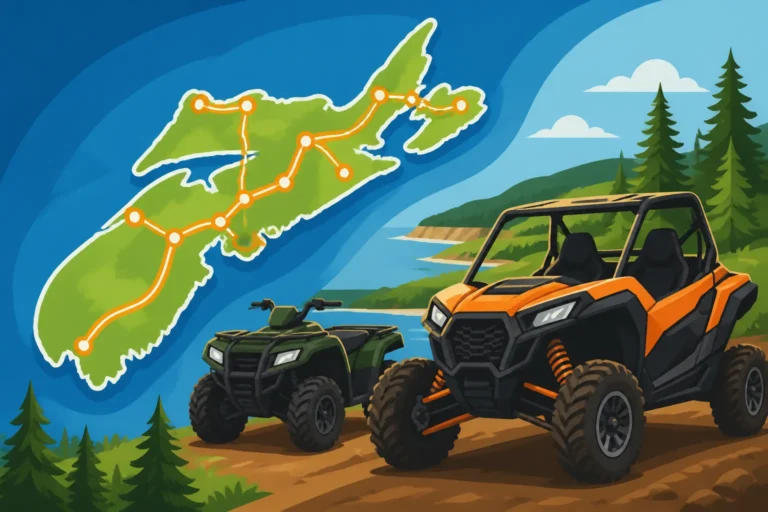
Think of our rail trails as a patchwork quilt, with different sections designated for different uses. Some segments are part of the provincial trail system managed by organizations like ATVANS (All-Terrain Vehicle Association of Nova Scotia) or their member clubs, specifically permitting OHV use. Others might be designated for non-motorized use only, like walking, cycling, or horseback riding. Then there are those that fall into a grey area, sometimes privately owned or awaiting formal designation. Just because you see a clear path doesn't mean it's an open invitation for your machine. It’s absolutely crucial to know the status of any specific rail trail segment before you even think about putting tires on it. [Nova Scotia Rail Trails Open to Quads] offers a more detailed look at where you can find these open sections.
The Role of Trail Designations and Management
The key to understanding rail bed access lies in their designation and who manages them. Many of Nova Scotia's actively maintained and OHV-friendly rail trails are part of the larger network supported by ATVANS and its numerous local clubs. These clubs put in countless volunteer hours to sign, maintain, and sometimes even groom these trails, ensuring they're safe and enjoyable for permitted users. They work with landowners, municipalities, and the province to secure the necessary agreements and designations for OHV use. Without this formal designation, a rail bed, even if it looks perfect for riding, could be private property or designated for other users, making it off-limits to OHVs. Always check official maps and signage, and consider joining a local club; your membership fees often directly support the maintenance and expansion of these vital trails.
Specific Regulations for Riding an OHV on a Rail Bed
Navigating the rules for riding on rail beds means understanding the legislative framework that governs off-highway vehicles in Nova Scotia. It’s not just about common sense; it’s about adhering to the Off-highway Vehicles Act and its associated regulations, as well as local bylaws that might impact specific trail sections. Ignoring these can land you in serious trouble.
The Off-highway Vehicles Act and Rail Bed Access
The Off-highway Vehicles Act is the overarching piece of legislation that dictates where and how OHVs can be operated in Nova Scotia. While it provides the framework, it often defers to specific regulations or agreements for individual trail systems. Generally, you cannot simply ride your OHV on any land that isn't explicitly designated for OHV use, your own private property, or private property where you have explicit permission. Rail beds, even when publicly owned, often fall under specific management plans that may restrict or permit OHV use. This means that unless a rail bed is clearly signed as an OHV trail, or is part of a recognized trail network like those managed by ATVANS, it's generally off-limits. This is where researching your specific route becomes paramount. Ignorance of the law is no excuse, and fines for riding an unregistered machine or in a prohibited area can be steep, starting at [Nova Scotia Minimum Fine of $250].
Permitted Rail Trails vs. Prohibited Sections
So, how do you know if a rail trail is permitted for OHVs? The best way is to consult official trail maps provided by ATVANS or local clubs. These maps clearly mark designated OHV trails, which often incorporate sections of old rail beds. You'll usually see distinct signage on the ground too, indicating permitted uses. On the flip side, many rail trails are managed by other organizations, like the Nova Scotia Trails Federation, and are explicitly designated for non-motorized use. These will have signage prohibiting motorized vehicles. Even segments of a rail trail that are part of an OHV network might have restrictions at certain points, like near residential areas, through conservation zones, or during specific times of year (e.g., spring thaw). It's not enough to just know the trail generally allows quads; you need to understand the specifics of each section you plan to ride. Always look for current information from reliable sources before you head out.
Here's a quick look at common scenarios:
| Scenario | OHV Access on Rail Bed | What to Do |
|---|---|---|
| Designated OHV Trail | Permitted, often part of ATVANS network. | Check official ATVANS maps, obey all signage, ensure your machine is registered and insured, and carry a valid Nova Scotia Trail Permits From ATVANS. |
| Non-Motorized Trail (e.g., walking) | Prohibited. | Do NOT ride. These trails are for pedestrians, cyclists, etc., and OHV use can damage the trail, cause safety hazards, and lead to fines. Look for alternative designated OHV trails. |
| Undesignated / Ambiguous | Generally prohibited, unless explicit local permission is granted. | Treat as prohibited. Do not assume access. Contact local ATV clubs or municipal authorities for clarification. Riding without clear permission risks trespass and penalties. |
| Private Land (former rail bed) | Prohibited without landowner's explicit permission. | Seek and obtain written permission from the landowner before riding. Respect private property. |
| Road Trails (municipal roads) | Permitted under specific conditions (part of the Road Trails Act). | This is different from a typical rail bed. Your machine must be fully street-legal, insured, and you must follow all [Nova Scotia Road Trail Rules Explained], including speed limits and helmet laws. |
Important Considerations: Speed Limits, Noise, and Equipment
Even on designated OHV rail trails, you're not free to ride without limits. Speed limits are often in place, especially when trails pass near communities or cross areas with other users. Always respect posted speed limits, which are often lower than what you might be used to on more remote trails. Noise is another significant concern. Modified exhausts that exceed factory noise levels are often a major source of conflict with local residents and other trail users. Keeping your machine's exhaust stock and riding respectfully helps maintain positive relationships and ensures continued trail access. Furthermore, your machine needs to be properly equipped. This means having working headlights and tail lights, especially if you anticipate riding near dusk or dawn, or through any tunnels. [Nova Scotia Lighting Requirements] are clear on this. Always wear a helmet that meets recognized safety standards, and ensure you have proper riding gear. SuperATV, for instance, offers a range of durable accessories from lighting kits to winches that can enhance safety and compliance on the trail, making your machine better equipped for various conditions.
Navigating the Grey Areas and Local Nuances
Nova Scotia is full of hidden gems and local quirks, and this applies to its trail system too. While the general rules are important, understanding the local context and being proactive in your research can make all the difference between a great ride and a frustrating encounter.
The Importance of Local Club Information and Maps
This cannot be stressed enough: your local ATVANS member club is your best friend when it comes to understanding trail access, especially for rail beds. These clubs are the boots on the ground, negotiating access, maintaining trails, and knowing the specific nuances of their area. They often publish detailed maps, either online or in print, that clearly delineate which rail bed sections are open to OHVs and which are not. For example, if you're looking to ride in Cape Breton, getting in touch with the local clubs there will give you the most accurate and up-to-date information on the [Nova Scotia Cape Breton Riding] areas that include old rail lines. Don't rely on outdated information or casual observations; join a club, check their website, or reach out directly before you ride.
Private Property and Permission
Even if a rail bed isn't actively managed as a public trail, it's still land owned by someone. Old railway corridors were often sold off to adjacent landowners after the tracks were removed, meaning many segments are now private property. Riding on private land without permission is trespassing, which can lead to legal action, fines, and severely damage the reputation of OHV riders as a whole. Always assume a rail bed is private property unless you have clear information otherwise. If you're unsure, or if a trail segment appears to cross private land, seek explicit permission from the landowner. A simple conversation can often grant you access and build positive relationships within the community, which is crucial for future trail opportunities. This also extends to areas like [Nova Scotia Woodlot Permission] where trails might pass through managed forestry land.
The Ever-Evolving Trail Landscape
Nova Scotia's trail network is not static. It's constantly evolving, with new sections opening, old ones closing for maintenance or due to land use changes, and regulations being updated. For example, discussions around expanding the [Nova Scotia Road Trails Act Explained] could impact how OHVs interact with certain public roads, some of which might be adjacent to or intersect with rail beds. What was open last year might be closed this year, and vice versa. This dynamic nature means that staying informed is an ongoing process. Regularly check ATVANS updates, local club announcements, and provincial government websites for the latest information. Being aware and adaptable helps ensure you're always riding legally and safely.
Best Practices for Responsible Rail Bed Riding
Riding responsibly isn't just about following the rules; it's about being a good ambassador for the OHV community. Our actions on the trail, especially on shared-use corridors like many rail beds, directly impact public perception and future access opportunities.
Sharing the Trail: Etiquette and Safety
Many rail beds are multi-use trails, meaning you'll likely encounter walkers, cyclists, horseback riders, and even dog walkers. This requires a heightened sense of awareness and specific etiquette to ensure everyone has a safe and enjoyable experience. Always slow down and be prepared to stop when approaching other trail users. Give them plenty of space, pass on the left only when safe, and yield the right-of-way. A friendly nod or wave goes a long way. Minimize dust and noise, especially when passing homes or other sensitive areas. Remember, your goal is to share the trail harmoniously, not to dominate it. [Nova Scotia Trail Etiquette Locals Expect] is a great resource for understanding these unwritten rules.
Environmental Stewardship
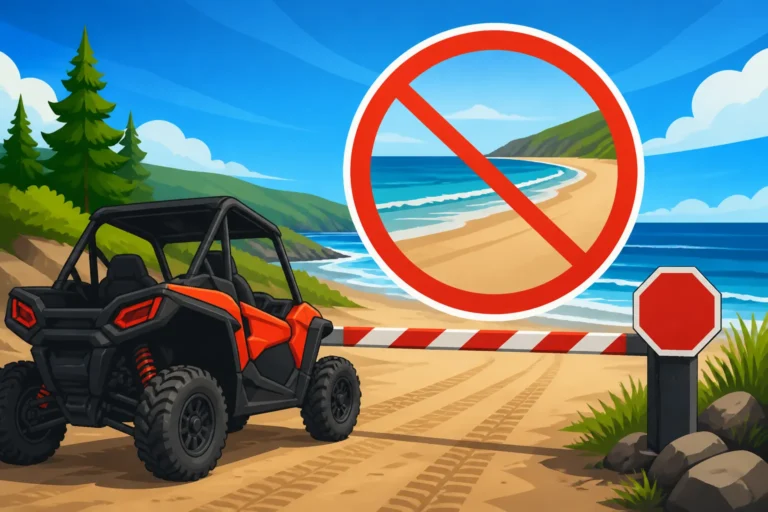
Rail beds, while man-made, are often corridors of significant natural beauty and can host diverse ecosystems. Responsible riding means protecting these environments. Stick to marked trails and avoid creating new ones, especially by riding around wet or muddy sections, which can widen the trail and damage fragile habitats. Avoid sensitive areas like wetlands, bogs, and coastal dunes, which are often explicitly prohibited for OHV use. Pack out everything you pack in, and never litter. Being a good steward of the land ensures these trails remain beautiful and accessible for generations to come. This also helps protect against [Nova Scotia Beach and Dune Riding Bans] from being expanded.
Gear Up for the Ride
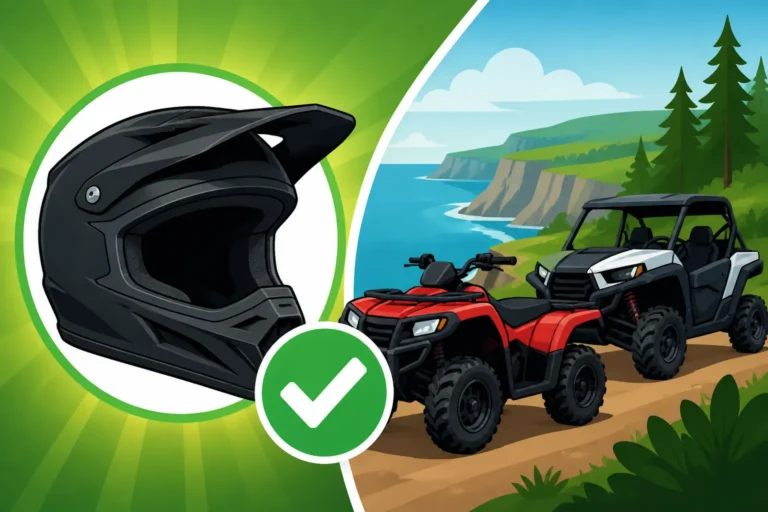
Beyond the legal requirements, having the right gear is crucial for safety and an enjoyable experience. This includes a properly fitting, DOT or CSA-approved helmet – [Nova Scotia Helmet Law for Riders] makes this mandatory. Eye protection, gloves, long pants, and sturdy over-the-ankle boots are also highly recommended. Depending on the length and remoteness of your ride, consider carrying a first-aid kit, tools, a tire repair kit, a tow strap, and navigation aids like a GPS or a detailed map. SuperATV offers a range of practical accessories that can boost your machine's utility and your safety, from durable storage boxes for your gear to advanced lighting for visibility in varying conditions. Don't forget water and snacks! Proper preparation can prevent a small issue from becoming a major problem.
The Future of Nova Scotia Rail Trails
The future of OHV access on Nova Scotia's rail beds largely depends on responsible riding. Every time a rider ignores signage, causes damage, or disrespects other trail users, it jeopardizes access for everyone. Conversely, when riders are respectful, follow the rules, and contribute to trail maintenance (through club memberships or volunteering), it strengthens the case for continued and expanded access. By understanding and adhering to the rules for Nova Scotia Rules for Riding a Rail Bed, you're not just ensuring your own safe and legal ride; you're contributing to the positive image and sustainability of OHV riding in Nova Scotia. Let's work together to keep these incredible trails open and enjoyable for all.
Disclaimer
This article is for general informational purposes only and does not constitute professional advice. Laws, prices and regulations vary by location and change over time. Consult a qualified professional for guidance on your specific situation.