Seven Communities at the Start
For years, off-highway vehicle (OHV) enthusiasts in Nova Scotia found themselves in a bind, often wanting to connect different segments of the vast trail network or simply run into a nearby village for fuel or a meal without breaking the law. The legalities around riding ATVs and UTVs on public roads were historically restrictive, leading to widespread confusion and frustration among riders who just wanted to enjoy their machines responsibly. This guide dives into the initial groundbreaking phase of Nova Scotia's journey toward integrating OHVs into its transportation landscape, specifically focusing on the first seven communities that bravely stepped forward to embrace the Road Trail Pilot program, offering a glimpse into what riding legally on designated roads looked like right from the very beginning.
The Dawn of a New Era: Nova Scotia's 2018 Road Trail Pilot
Before 2018, the idea of legally riding your ATV or side-by-side on a public road in Nova Scotia was largely a pipe dream for most recreational riders. The provincial regulations were clear: OHVs belonged off-highway. This created a significant challenge for riders who wanted to embark on longer tours, as trails often ended abruptly at public roads, forcing riders to either illegally travel on the pavement or find complicated, often unfeasible, detours. The lack of legal road access was a constant headache, preventing the creation of truly interconnected trail systems and limiting the economic benefits that OHV tourism could bring to rural communities.
This all began to change with the introduction of the Road Trails Act, a pivotal piece of legislation that aimed to address these very issues. The Act provided a framework for municipalities to designate specific roads or road segments where OHVs could legally operate, effectively creating "road trails." It wasn't about opening up every road; it was about strategic connections, often linking trail networks, allowing access to essential services, or providing passage through communities that were otherwise cut off. The spirit of the Act was to enhance the riding experience while ensuring public safety and respecting the rights of all road users.
Why the Pilot Program Was Needed
The demand for connecting trails and accessing amenities by ATV or UTV was immense, driven by the ever-growing popularity of these machines. Riders frequently expressed their desire to reach gas stations, convenience stores, or local diners without having to trailer their machines or risk fines for illegal road use. Imagine planning an epic weekend ride through the stunning Annapolis Valley, only to hit a dead end at a paved road, forcing you to turn back or call a friend with a truck. This disconnect was a major barrier to fully enjoying the province's incredible natural beauty and its extensive trail systems.
Moreover, the existing situation often led to informal, and illegal, road use. While most riders are conscientious, the lack of legal options sometimes pushed individuals into situations where they felt they had no choice but to briefly use a road. This created safety concerns for both OHV operators and other motorists, as there were no formal rules governing these interactions. The pilot program, therefore, wasn't just about convenience; it was a proactive step to formalize and regulate a practice that was already occurring, bringing it under a controlled, safe framework. It was a clear recognition that OHVs were an integral part of Nova Scotia's recreational and working landscape.
Unveiling the Initial Seven Communities
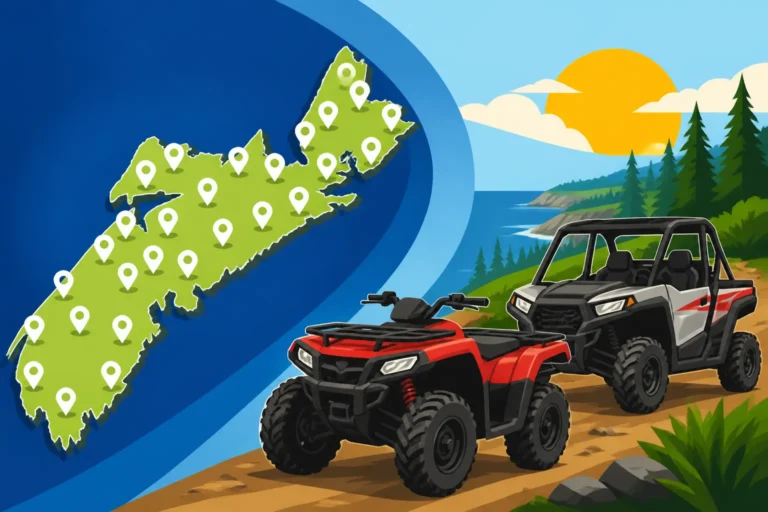
The exciting phase truly kicked off with [A Pilot That Started in 2018], bringing the concept of road trails to life in Nova Scotia. This initial phase involved a careful selection of communities and specific road segments, chosen to evaluate the feasibility and impact of the program. These were not arbitrary choices; they were areas where there was a demonstrated need for connectivity, strong local support, and a commitment to making the pilot successful. The idea was to start small, learn from the experience, and then potentially expand.
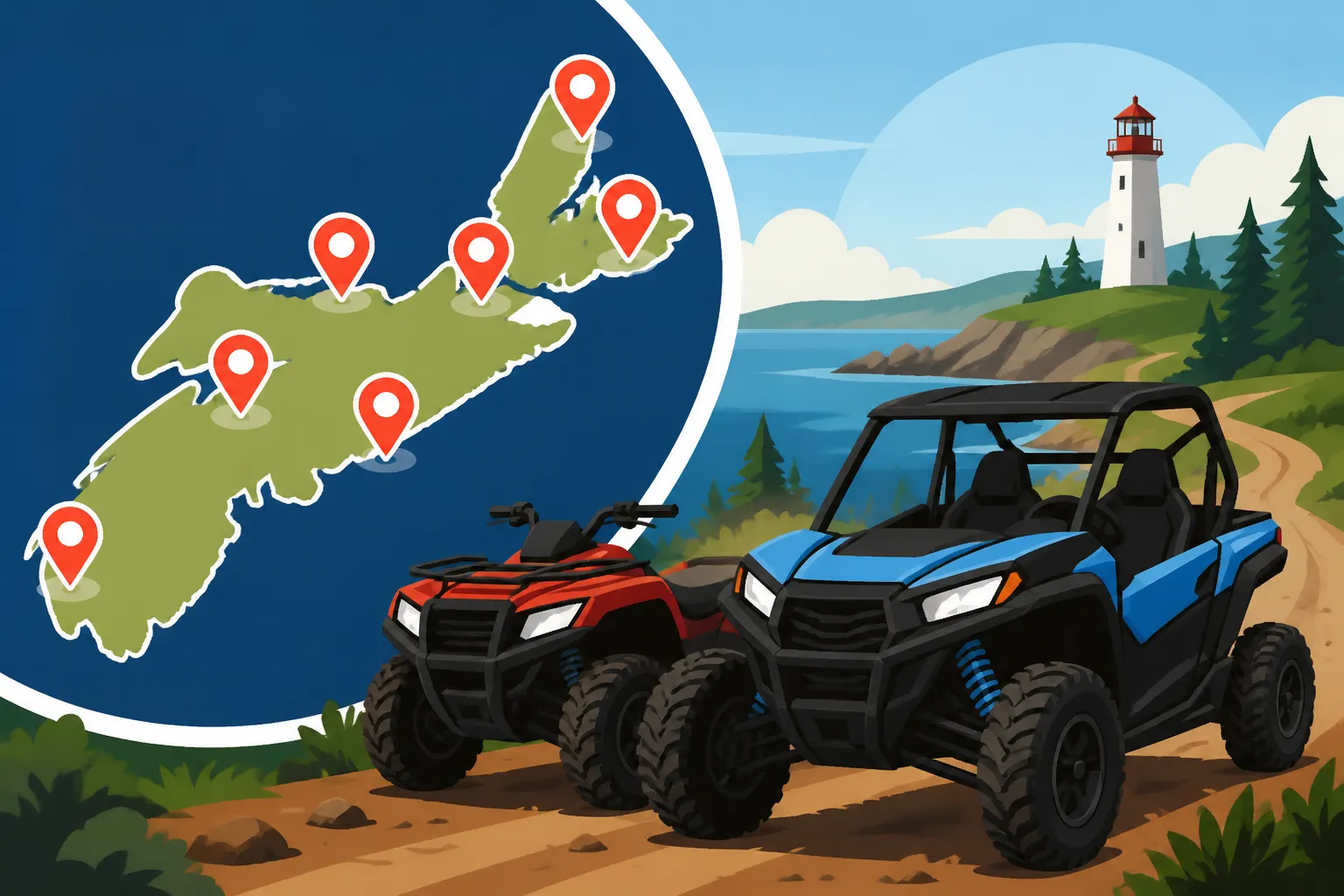
The initial seven communities, or specific areas within them, that embraced this new era for OHV riding included:
- Pictou: Known for its progressive approach, Pictou famously implemented an "all-roads trial" within its municipal boundaries, allowing OHV access on nearly every road to test comprehensive integration. This was a bold move, and it immediately transformed how riders could navigate the town, making it a hub for connecting trails and accessing services.
- Nictaux: Situated in the heart of the Annapolis Valley, Nictaux provided a vital link to the Northern Spur Line trail, allowing riders to extend their journeys and connect to a wider network. For riders exploring the Valley, this was a game-changer, removing a significant barrier.
- Mooseland and Old Guysborough Road (Guysborough County): These rural routes offered critical connections in Guysborough County, enabling riders to access remote areas and link up with other segments of the trail system. It was about opening up wilderness riding while maintaining access to smaller settlements.
- Mira Gut, Marconi Tower Road, and Loch Lomond Road (Richmond County): This network of roads in Richmond County provided crucial access points, allowing riders to traverse stunning coastal landscapes and reach trailheads that were previously difficult to access legally. The potential for scenic rides was greatly enhanced.
- Mabou, Port Hood, and Cranton Crossing (Inverness County): On the scenic west coast of Cape Breton, these areas saw strategic road segments opened, connecting communities and trails along the rugged coastline. It was a significant step toward developing Cape Breton as a premier OHV destination.
- Pugwash, Wallace, and Maccan (Cumberland County): These communities in Cumberland County formed part of a broader network of designated roads, facilitating travel and access for riders exploring the northern shore. It allowed for greater mobility and the ability to link up with trails leading to Northumberland Shore destinations.
- Tusket and Pubnico (Yarmouth County): Providing essential connections in the South Shore region, these areas allowed riders to link trails and access services in a part of the province known for its rich Acadian culture and beautiful coastline.
The unveiling of these pilot areas was met with considerable excitement from the OHV community. Riders finally had legal pathways, even if limited, to connect segments of their rides. This marked a tangible shift, signaling a new willingness from the province and municipalities to recognize and accommodate the legitimate needs of OHV users. It also brought a new sense of responsibility, as riders understood that the success of the pilot hinged on their adherence to the new rules.
The Legislative Backbone of the Pilot
The implementation of these road trails wasn't a casual decision; it was carefully governed by [Nova Scotia's Road Trails Act Explained]. This legislation empowered municipalities to designate specific roads, or portions thereof, as suitable for OHV use, rather than a blanket provincial mandate. This localized approach allowed each community to tailor the program to its unique needs and concerns, ensuring that local residents had a say in how OHVs would interact with their roads.
The Act didn't just open roads; it also laid down the foundational principles for how these road trails would operate. It outlined the types of machines permitted, the operating hours, and the responsibilities of riders. Crucially, the pilot program was designed as an evaluation period. It wasn't set in stone; rather, it was an opportunity to collect data, assess impacts on public safety, traffic flow, and community sentiment, and then refine the approach based on real-world experience. This phased, data-driven strategy was key to building support and addressing potential concerns.
Navigating the New Rules: What Riders Needed to Know
With the opening of designated road trails, Nova Scotia OHV riders gained unprecedented access, but this privilege came with a clear set of responsibilities and new rules. It wasn't simply a matter of hitting the pavement; riders had to ensure their machines were properly equipped and they themselves were compliant with specific operating conditions. The provincial government and local authorities made it clear that adherence to these regulations was paramount for the continued success and expansion of the program.
Ignorance of the rules was no excuse, and riders quickly learned the importance of understanding everything from licensing requirements to machine specifications. The aim was to integrate OHVs safely and harmoniously with existing traffic, ensuring that both drivers of traditional vehicles and OHV operators felt secure on these shared routes. For many, it was a steep learning curve, requiring a shift in mindset from pure off-road adventure to a more blended, cautious approach when entering public roadways.
Key Requirements for Road Trail Use
Before even thinking about hitting a designated road trail, riders had to ensure they met several fundamental requirements. First and foremost, the machine itself needed to be legally recognized. This meant proper registration: [Nova Scotia Requires Registration and Insurance]. An unregistered machine, even on a designated road trail, could lead to significant fines and penalties. Think of it like driving a car – you wouldn't get far without valid plates. The same principle applied here.
Beyond registration, having adequate insurance was non-negotiable. [Nova Scotia Insurance Requirements for Riders] are strict, and specifically, OHV operators on road trails needed to carry at least [Nova Scotia's $500,000 Liability Minimum]. This coverage protects against potential damages or injuries to others in the event of an accident, a crucial safeguard when sharing roads with cars and trucks. You always needed to carry proof of insurance, often referred to as a "pink card," just as you would for a car.
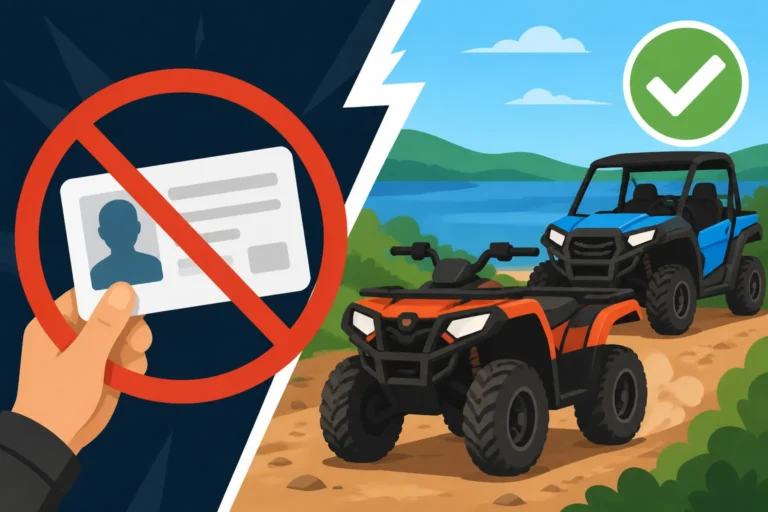
The operator themselves also had critical requirements. A full driver's license was mandatory; [Nova Scotia Requires a Full Driver's Licence], and learner's permits were strictly prohibited for road trail use. This ensured that operators had a foundational understanding of road rules and defensive driving. Furthermore, [Nova Scotia Helmet Law for Riders] applied without exception. Just as you'd wear a helmet off-road, it was even more critical on shared roads. And for those carrying passengers, specific age restrictions were in place: [Nova Scotia Passengers Must Be 9 or Older]. The machine itself also needed to be in good working order, with functional headlights, tail lights, and an exhaust system that met noise regulations. Companies like SuperATV offer a range of accessories, from mirrors to turn signal kits, that can help ensure your UTV meets these road-legal equipment standards for safe operation.
Specific Operating Rules on Road Trails
Once all the prerequisites were met, riders still had to navigate the road trails with a keen awareness of specific operating rules. These rules were designed to minimize conflict and ensure safety on shared public spaces. One of the most significant adjustments for many riders was the speed limit: [Nova Scotia's 25 km/h Road Trail Limit]. This was considerably slower than what many were accustomed to off-road, but it was crucial for safety, especially when interacting with residential traffic or blind corners. It required a patient and disciplined approach, acknowledging that the primary purpose was connectivity, not speed.
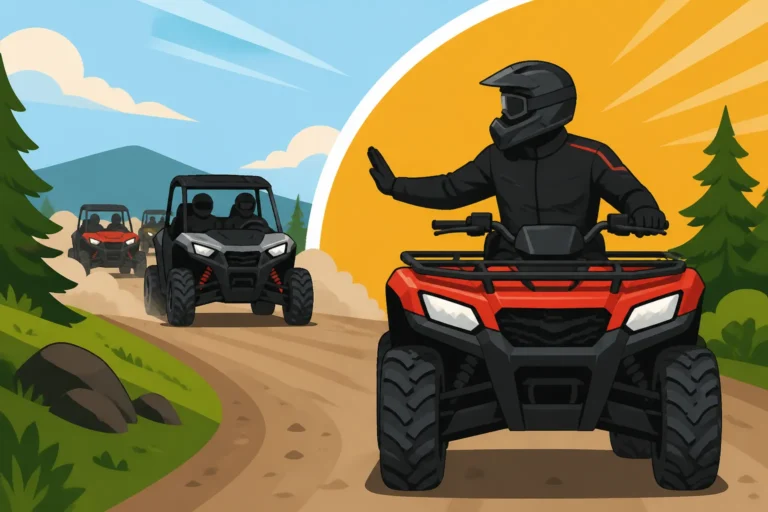
Riders were also required to operate their machines [Nova Scotia Riders Travel Single File], which meant no side-by-side riding on the road, even if the road was wide. Passing other OHVs on these designated segments was also generally prohibited, reinforcing the single-file rule and maintaining an orderly flow of traffic. When encountering other vehicles, whether a car, truck, or bicycle, OHV riders were expected to yield, demonstrating courtesy and prioritizing the safety of all road users.
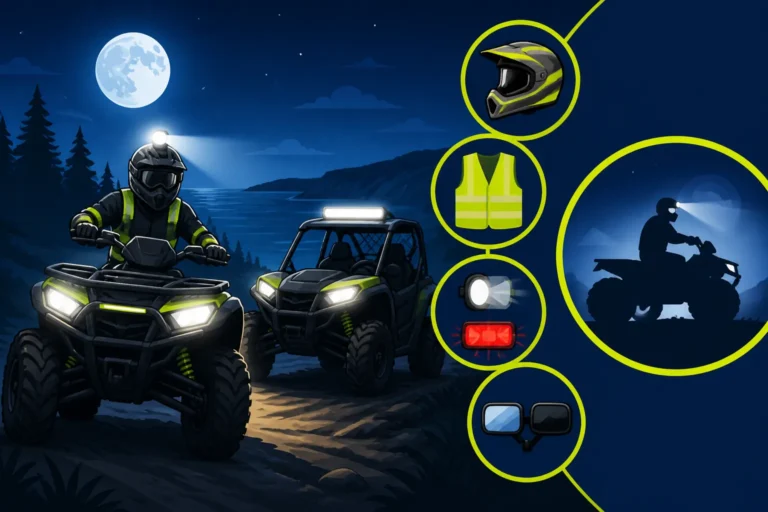
Operating hours were another important consideration. Road trails were typically only open from [Half an Hour Before Sunrise] to [Half an Hour After Dusk]. Night riding, common on some private trails, was strictly forbidden on road trails. This was a safety measure, as OHVs, despite having lights, are less conspicuous than cars, and visibility is crucial. Riders also had to stick strictly to the designated road segments; veering onto non-designated roads, sidewalks, or private property was not permitted and could result in fines. These rules, while sometimes feeling restrictive, were put in place to ensure the pilot program's success and to mitigate potential negative impacts on communities.
Initial Challenges and Rider Adaptations
The introduction of road trails, while celebrated, wasn't without its challenges. For riders, one of the biggest adaptations was consistently maintaining the 25 km/h speed limit. It required a conscious effort to keep the throttle in check, especially for those used to faster off-road speeds. It also meant being extra vigilant for other road users, including pedestrians, cyclists, and motorists who might not be accustomed to seeing OHVs on their local streets. Communication and awareness were key.
Community acceptance was another hurdle. While many communities were eager to welcome OHV riders for economic benefits, some residents harboured concerns about noise, safety, and increased traffic. It became incumbent upon riders to demonstrate responsible behaviour, abiding by noise limits and driving respectfully, especially in residential areas. The success of the pilot, and any future expansion, depended heavily on positive interactions between OHV riders and the wider community.
Ensuring machines met the new road-legal standards also prompted some riders to make necessary upgrades. This often meant adding features like proper mirrors, turn signals, or even improving their headlight and tail light systems for enhanced visibility during dawn and dusk operating hours. For example, SuperATV offers robust windshields for UTVs that can significantly enhance rider comfort and safety on road sections by protecting against road debris and wind, making the transition between trail and road seamless and safer. The entire experience was a learning process for everyone involved, but the excitement of legally connecting Nova Scotia's vast trail network propelled the program forward.
Beyond the Pilot: The Vision for Nova Scotia's OHV Network
The initial success of the Road Trail Pilot in those first seven communities was a clear indicator that the concept held significant promise for Nova Scotia. What began as a cautious experiment quickly demonstrated its value, not just for recreational riders, but also for the economic vitality of rural towns. The feedback from both communities and riders was overwhelmingly positive, paving the way for a more ambitious vision: a truly connected, province-wide OHV network that leverages both traditional trails and designated road segments.
The lessons learned from Pictou, Nictaux, Guysborough, Richmond, Inverness, Cumberland, and Yarmouth were invaluable. They provided the blueprint for how to expand the program responsibly, addressing concerns and building on what worked well. The collaborative spirit between government, rider associations, and local municipalities became the driving force behind this expansion, underscoring a shared commitment to developing a world-class OHV experience in Nova Scotia.
Expanding the Road Trail Network
The initial pilot program proved to be just the beginning. The success in the first seven communities fueled a broader provincial initiative to expand the road trail network exponentially. From a handful of designated segments, the province began to look at connecting entire regions. This expansion wasn't just about adding more kilometres; it was about strategic connections that would create genuine long-distance touring opportunities, allowing riders to explore Nova Scotia like never before. Evidence of this commitment can be seen in the plans for [Nova Scotia's 2025 Road Trail Expansion] and further ambitious additions for [Nova Scotia's 2026 Road Trail Expansion].
The overarching goal was to knit together existing trail systems, which often ran into dead ends at provincial highways or community boundaries. By connecting these trails through designated municipal road segments, OHV riders could access an even larger network, creating multi-day trips and opening up tourism dollars for isolated communities. Imagine starting a ride on the Celtic Shores Coastal Trail in Cape Breton, riding into a town for lunch, gassing up, and then legally connecting to another trail system further down the coast – this was the vision, and it was becoming a reality. This expansion was seen as a way to boost local economies, bringing riders into small towns to support businesses that had been struggling.
Community Engagement and Feedback
The expansion of the road trail network was, and continues to be, a highly collaborative process. Communities interested in participating needed to apply to the province, demonstrating local support and outlining their proposed road segments. This community-led approach ensured that designations were made where they were genuinely welcomed and could integrate effectively into the local fabric. Municipalities had to consider traffic patterns, residential areas, and safety concerns, often holding public consultations to gather feedback from their residents.
Addressing concerns from residents was a continuous effort. Issues like noise, dust, and safety were taken seriously, and measures were often put in place to mitigate them. For instance, some communities implemented stricter local operating hours or specific bypass routes around sensitive areas. The provincial ATV association, ATVANS, played a crucial role here, working as an advocate for responsible riding and bridging the gap between riders and communities. They emphasized rider education and etiquette, reinforcing that the privilege of road access depended on respectful and safe operation by all. This ongoing dialogue between all stakeholders ensures that the network grows sustainably and harmoniously.
Enhancing the Riding Experience with the Right Gear
As the road trail network expanded and riders spent more time on mixed terrain, the importance of having the right gear and accessories became even more apparent. While machines are designed for off-road durability, the demands of road sections – higher speeds, interaction with other traffic, and exposure to road debris – necessitate specific enhancements. Safety and visibility were always top priorities.
Proper lighting, for instance, is absolutely critical, especially with the designated operating hours extending from half an hour before sunrise to half an hour after dusk. Bright, reliable headlights and tail lights are not just about seeing; they're about being seen. Many riders invested in auxiliary lights to boost their visibility, especially on foggy coastal roads. Mirrors became essential, allowing riders to be aware of traffic behind them – a fundamental requirement for road safety that's often overlooked in pure off-road settings. Robust windshields, such as those made by SuperATV, became popular for UTVs, providing crucial protection from wind, insects, and road spray, enhancing comfort on longer, faster road segments. Similarly, durable tires that can handle both the rigours of rocky trails and the wear of paved surfaces are a must for mixed-use riding. This focus on appropriate gear not only improves safety but also enhances the overall enjoyment of the expanded riding opportunities, allowing riders to fully embrace Nova Scotia's diverse landscapes from the trail to the village.
Disclaimer
This article is for general informational purposes only and does not constitute professional advice. Laws, prices and regulations vary by location and change over time. Consult a qualified professional for guidance on your specific situation.