Nova Scotia Rules for a Side-by-Side Driver
Riding a side-by-side through Nova Scotia's beautiful landscapes is an incredible experience, but the rules for legally operating these machines, especially on roads, can feel like a tangled web. Many drivers grapple with understanding what's allowed, where they can go, and what paperwork they absolutely need. This guide is here to untangle those knots, giving you a clear, comprehensive understanding of Nova Scotia's regulations for side-by-side drivers, so you can ride confidently and within the law.
Understanding the "Off-highway Vehicle" Designation in Nova Scotia
Let's start by clarifying what your side-by-side actually is in the eyes of Nova Scotia law. This might seem like a minor detail, but it's the fundamental starting point for understanding all the rules that apply to you.
What Qualifies as an OHV in Nova Scotia?
In Nova Scotia, your side-by-side (often called a UTV or Utility Terrain Vehicle) falls squarely under the category of an "Off-highway Vehicle" or OHV. This isn't just a casual term; it's a legal designation that sets your machine apart from typical street-legal cars, trucks, or motorcycles. The province defines an OHV quite broadly, encompassing not only ATVs (quads) and dirt bikes but also snowmobiles and, yes, your side-by-side. Essentially, if it's designed primarily for off-road use, it's an OHV.
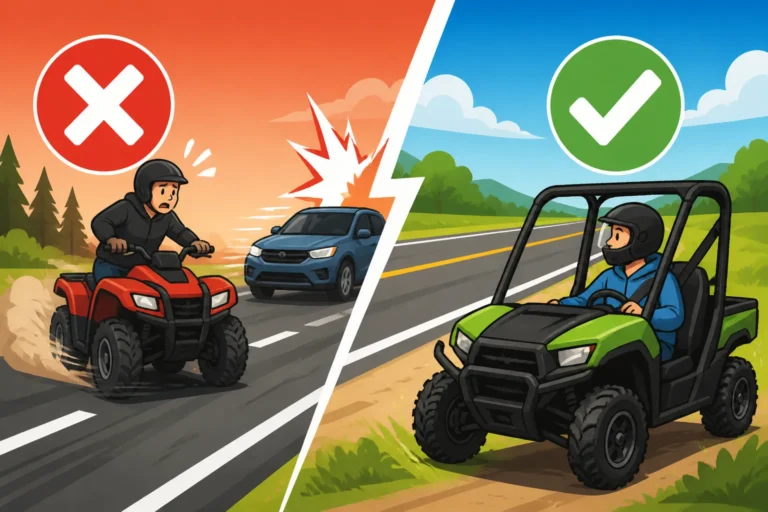
This classification is crucial because it means your side-by-side isn't treated like a regular road vehicle for most purposes. It doesn't get a standard license plate, nor does it typically have the same free rein on public roads that a car does. Many new side-by-side owners mistakenly believe that because their machine has a steering wheel and seatbelts, it must be inherently more "road-friendly" or even street legal than an ATV. While some manufacturers, like SuperATV, offer accessories that enhance road-readiness, it's vital to understand that these additions don't automatically change its legal classification in Nova Scotia. The law specifies its primary design purpose, not its potential modifications.
So, while your machine might feel like a mini-truck, legally, it's an off-highway vehicle. This distinction dictates everything from how you register it to where you can legally drive it, and it's why provincial OHV regulations, rather than general motor vehicle laws, are your go-to reference. Understanding this foundational piece of information will save you a lot of confusion and potential headaches down the trail.
Why the Distinction Matters for Drivers
The "Off-highway Vehicle" designation isn't just bureaucratic jargon; it fundamentally changes how you, as a side-by-side driver, interact with the legal framework in Nova Scotia. Because your machine is an OHV, it operates under a separate set of rules for registration, insurance, and most importantly, where you can ride it. You can't just assume the rules for your car apply to your side-by-side.
For instance, unlike a car, a side-by-side doesn't generally have universal access to all public roads. Its primary domain is off-road trails, private land (with permission, of course), and specific designated "road trails" or road crossings. This means that if you're planning a trip, you can't simply pull out your car map and plot a route. You need to consult OHV-specific maps and regulations to ensure you're not inadvertently trespassing or driving illegally on a prohibited roadway. This is where understanding your machine's legal status truly pays off, helping you avoid fines and keep your adventures enjoyable.
Furthermore, the OHV classification means you'll be dealing with different government departments and processes for things like registration and permits. You won't be visiting the provincial Department of Motor Vehicles for a standard vehicle registration; instead, you'll be going through Access Nova Scotia or similar channels that handle off-highway vehicles. This distinction ensures that the unique aspects of OHV operation, from trail maintenance levies to specific safety equipment requirements, are properly addressed. It’s all about fitting your machine into the correct legal box to ensure safe and responsible operation across Nova Scotia’s diverse terrains.
Essential Requirements for Side-by-Side Drivers on Nova Scotia Road Trails
So, you've got your side-by-side, you know it's an OHV, and you're eager to explore those Nova Scotia road trails. But before you hit the ignition, there are some non-negotiable requirements you absolutely must meet. Think of these as your personal checklist for legal operation.
Driver's Licence and Age Restrictions
This is a big one, and it often trips people up. If you plan on operating your side-by-side on any designated "road trail" in Nova Scotia – which are those specific public roads where OHVs are permitted – you absolutely need a valid driver's licence. And we're not talking about just any licence. [Nova Scotia Requires a Full Driver's Licence] for anyone operating an OHV on these shared-use roads. This means your standard Class 5 licence, or equivalent, is what you need.
A learner's permit, unfortunately, won't cut it. [Nova Scotia Bans Learner Drivers on Road Trails], so if you're still in the process of getting your full licence, your side-by-side road trail adventures will have to wait. This requirement emphasizes that operating an OHV on a public road, even a designated road trail with a lower speed limit, demands the same level of driver competency and experience as operating a car. It's about ensuring everyone sharing those roads, whether in a car or a side-by-side, is adequately trained and understands the rules of the road.
Beyond the driver's licence, there are also age considerations for simply operating an OHV. In Nova Scotia, you must generally be 16 years old to operate an OHV. However, when you add the road trail component, the full driver's licence requirement effectively raises the minimum age for that specific activity. What about passengers? This is important for side-by-sides since they often have multiple seats. [Nova Scotia Passengers Must Be 9 or Older] to ride as a passenger on an OHV, including your side-by-side, on a road trail. Always ensure your passengers meet the age requirements and are properly seated and secured according to your machine's design and manufacturer recommendations. Safety first, always!
Registration and Insurance are Non-Negotiable
Just like your car, your side-by-side isn't hitting any public trails or designated road routes without proper paperwork and coverage. In Nova Scotia, mandatory registration and insurance are the twin pillars of legal OHV operation. You can't have one without the other, and ignoring either will lead to significant penalties.
First up is registration. Every off-highway vehicle in Nova Scotia, including your side-by-side, must be registered with the province. This involves a few components, and understanding [Nova Scotia OHV Registration Cost] can help you budget accordingly. You'll typically pay a one-time Certificate of Registration fee and an annual Vehicle Permit fee, which also contributes to the province's OHV Infrastructure Fund. When you [Registering a Side-by-Side in Nova Scotia], you’ll typically do so at an Access Nova Scotia counter. You’ll need to provide proof of ownership, like a bill of sale, and proof of identification.
Next, and equally vital, is insurance. Nova Scotia mandates that all OHVs, including side-by-sides, carry a minimum amount of liability insurance. [Nova Scotia's $500,000 Liability Minimum] is generally the provincial requirement. This insurance protects you financially if you're involved in an accident and are found responsible for injury or damage to others or their property. It's not about covering damage to your own machine – that would be additional collision coverage you'd need to purchase – but about protecting you from potential legal claims. You'll receive a "pink card" or similar proof of insurance, and it's absolutely crucial to have this with you whenever you're riding. [Carrying a Pink Card on the Trail] isn't just a good idea; it's a legal requirement that officers can and will ask to see.
Ignoring these requirements is a serious misstep. The penalties for riding an unregistered machine can start at a minimum of $250, and those for riding uninsured can be even higher, not to mention the immense financial risk if you're involved in an accident. [Nova Scotia Penalties for Riding Unregistered] and [Nova Scotia Penalties for Riding Uninsured] are in place to ensure responsible OHV operation and protect everyone sharing the trails and roads. Don't let a simple oversight turn your fun day into a costly legal nightmare.
Navigating Nova Scotia's Road Trails with a Side-by-Side
Now that you've got your licence, registration, and insurance in order, let's talk about where you can actually take your side-by-side on Nova Scotia's roads and how to do it safely and legally. The province has made strides in providing more access, but it's vital to know the specific rules.
Understanding Road Trail Access and Limitations
Nova Scotia has implemented a "Road Trails" system, which is fantastic news for OHV enthusiasts. This system, outlined in the [Nova Scotia Road Trails Act Explained], designates specific segments of public roads where off-highway vehicles, including your side-by-side, are permitted to operate. These aren't just any roads; they are carefully chosen and marked to allow OHV access, often connecting existing trail networks or providing access to services.
It's absolutely critical to understand that "road trail" access is not universal. You can't just jump on any paved road. You must stick to the designated segments. The province has been expanding these, and you'll find them across many areas, including [Nova Scotia's 16 Counties With Road Trails]. Always look for official signage indicating OHV access. When riding on these designated road trails, there's a strict [25 km/h on a Road Trail] speed limit. This slower speed is in place because you're sharing the road with other traffic, and safety is paramount. You also need to adhere to specific operating hours: generally, you can ride from half an hour before sunrise to half an hour after dusk. [Nova Scotia Road Trail Operating Hours] exist to ensure visibility and minimize conflicts with other road users during peak night-time driving hours.
Furthermore, there are places where your side-by-side is explicitly not allowed on roads. Controlled access highways, for example, are always off-limits. [Nova Scotia Controlled Access Highway Rules] are clear: OHVs have no business on these high-speed arteries. The idea of road trails is to provide connectivity and access, not to turn every road into a quad track. For riders looking to enhance their side-by-side with lighting or other safety components to meet these road trail requirements, companies like SuperATV offer a range of products designed to improve visibility and driver awareness, even if they don't magically make all roads accessible. Always check local municipal bylaws too, as some areas may have additional restrictions or specific town access plans, like Pictou's all-roads trial.
Safe Operating Practices and Equipment
When you're driving your side-by-side on a Nova Scotia road trail, safety isn't just a suggestion; it's a legal and moral imperative. Many of the rules are designed to protect you, your passengers, and other road users.
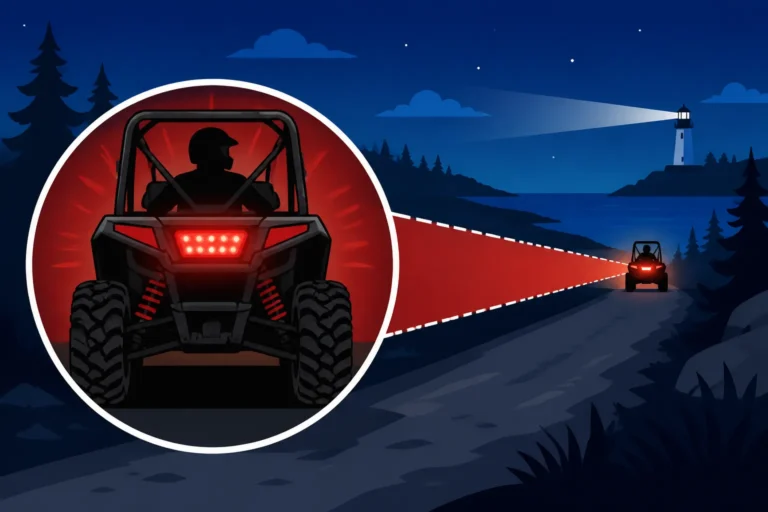
First and foremost, helmets are mandatory. [Nova Scotia ATV Helmet Law] applies to everyone on an OHV, including side-by-side drivers and passengers, regardless of age or experience. Your helmet must meet approved safety standards (DOT, CSA, Snell, or BSI). This is for your head protection in the event of an accident. Furthermore, your machine needs to be properly equipped for visibility. [Nova Scotia Lighting Requirements] state that you must have a working headlight and tail light during the permitted operating hours (half an hour before sunrise to half an hour after dusk). These lights must be visible from specific distances to ensure other drivers can see you clearly. If your machine is older or has seen some hard use, make sure all lights are in perfect working order.
When actually operating on a road trail, observe basic road etiquette, but with specific OHV adaptations. For example, [Nova Scotia Riders Travel Single File] and [Nova Scotia Riders Must Not Pass] other OHVs on these road segments. You are also expected to yield to all other vehicle traffic. This means if you encounter a car, truck, or even a bicycle, they have the right of way, and you should slow down, pull to the side if safe, and let them pass. Keep your speed at or below the [25 km/h on a Road Trail] limit, even if the posted limit for cars is higher.
Lastly, be mindful of noise. Nova Scotia has [Nova Scotia Noise Limits on a Machine], and modified exhausts that make your side-by-side excessively loud can lead to fines. While products from brands like SuperATV might offer performance upgrades, ensure any exhaust modifications keep your machine within legal sound limits. For side-by-sides, always ensure all occupants are wearing seatbelts if equipped, and that your machine's safety features are functional. Carrying a basic first-aid kit, a communication device, and enough fuel for your planned route are also smart practices, even on shorter road trail segments that might link to more remote areas.
Common Pitfalls and Staying Compliant
Even with the best intentions, it's easy to make mistakes if you're not fully aware of the specifics. Let's look at some common pitfalls and how you can ensure you're always riding on the right side of the law.
Avoiding Fines and Legal Trouble
Nobody wants to cut short a scenic ride with a hefty fine, but it happens more often than you'd think when OHV drivers aren't up to speed on the regulations. The fines in Nova Scotia for non-compliance are not trivial. For example, operating an unregistered machine can result in [A Minimum $250 Fine for an Unregistered Machine]. If you're caught riding without insurance, the penalties can be even more severe, including potential vehicle impoundment and much higher fines. These aren't just minor inconveniences; they can significantly impact your wallet and your ability to enjoy your side-by-side.
One of the biggest culprits for fines comes from not knowing exactly where you're allowed to ride. While road trails offer access, many riders mistakenly assume this means all rural roads. This isn't the case. Riding on undesignated public roads, or trying to shortcut through private property without explicit permission, are common errors. Always check your maps and look for official signage. [Nova Scotia Registration Mistakes Nova Scotia Riders Make] often stem from a lack of understanding of the system, not a deliberate disregard for the law. This is why staying informed is so critical.
Another common pitfall is neglecting equipment checks. Riding after dusk without working headlights or tail lights, or having an excessively loud exhaust system, can draw the attention of law enforcement. Ensure all your safety equipment, from your helmet to your machine's lights, is in perfect working order before every ride. Remember, the rules are in place for safety, and enforcement officers are there to ensure those rules are followed to protect everyone on and off the trails. A little bit of proactive checking goes a long way in preventing an unpleasant encounter.
Where to Get More Information and Support
With laws and regulations constantly evolving, staying informed can feel like a full-time job. Thankfully, there are excellent resources available in Nova Scotia to help you keep your side-by-side operations compliant and safe. Don't hesitate to reach out to them if you have questions that aren't fully covered in general guides.
Your first point of contact for anything administrative, like registration or specific permit questions, should be Access Nova Scotia. They are the provincial agency responsible for issuing registrations and permits, and their staff can provide clarity on the latest fees, required paperwork, and processes. [Questions Worth Asking at an Access Nova Scotia Counter] before you head out on your first ride can save you a lot of grief. They can guide you through the intricacies of transferring ownership, dealing with lost documents, or understanding specific exemptions.
For trail information, advocacy, and a sense of community, the ATV Association of Nova Scotia (ATVANS) is an invaluable resource. [Reaching the Provincial ATV Association in Lower Sackville] can connect you with the largest organized OHV group in the province. ATVANS works closely with the province to develop and maintain the trail network, including advocating for more road trail access. Their website and member clubs often have the most up-to-date information on trail conditions, closures, and local riding rules. Becoming a member also contributes to the upkeep of the trails you love to ride and often provides insurance benefits. Finally, always remember that municipal bylaws can add another layer of rules to provincial regulations. If you're riding in or through a specific town, it's a good idea to quickly check their website for any local OHV ordinances. A little research upfront ensures a smooth, enjoyable ride every time.
Key Regulations for Side-by-Side Drivers on Nova Scotia Road Trails
| Requirement | Detail | Legal Reference / Rationale |
|---|---|---|
| Driver's Licence | Full driver's licence required (e.g., Class 5). Learner's permits not accepted. | Ensures driver competency on shared public roads. |
| Minimum Age | 16 years old to operate OHV. For road trails, effectively tied to licence age. | General OHV operating age; full licence needed for road trails. |
| Passengers | Must be 9 years or older. | Safety and stability considerations for OHV passengers. |
| Registration | Mandatory provincial registration and annual vehicle permit. | Legal identification and contribution to OHV infrastructure. |
| Insurance | Mandatory minimum $500,000 liability insurance. Pink card required. | Financial protection in case of accident liability. |
| Speed Limit | Maximum 25 km/h on designated road trails. | Safety for shared roads with other traffic. |
| Operating Hours | Half an hour before sunrise to half an hour after dusk. | Visibility and minimizing conflict with night-time traffic. |
| Helmet | Mandatory for all drivers and passengers. Approved standard required. | Head protection in case of impact. |
| Lighting | Headlight and tail light required and functional during operating hours. | Visibility to other road users. |
| Road Access | Only on officially designated and marked "road trails." | Specific legislation governs OHV access to public roads. |
| Manner of Ride | Single file, no passing other OHVs, yield to all other traffic. | Promotes safe and orderly flow on shared roads. |
| Exhaust Noise | Must comply with provincial noise limits. No excessively loud modifications. | Minimizes disturbance to residents and other trail users. |
Disclaimer
This article is for general informational purposes only and does not constitute professional advice. Laws, prices and regulations vary by location and change over time. Consult a qualified professional for guidance on your specific situation.