Permission From a Nova Scotia Woodlot Owner
It can be incredibly frustrating to be out on your ATV or UTV, exploring the beautiful Nova Scotian landscape, only to find what looks like an amazing trail disappear into a private woodlot, often with "No Trespassing" signs. This guide is all about navigating those situations, understanding why those signs are there, and, most importantly, how to respectfully and successfully gain permission from a private woodlot owner to ride on their land.
The Importance of Permission: Why You Can't Just Ride
There’s a unique allure to an untamed path, a tempting track leading deeper into the woods, especially when you’re out on your machine seeking adventure. Nova Scotia is blessed with countless private woodlots, and many of them crisscrossed with old logging roads, hunter trails, or just natural clearings that look like prime riding territory. However, that sense of curiosity needs to be tempered with respect for private property, because just assuming a trail is open for public use can lead to some really unpleasant, and often costly, consequences.
Understanding Trespass Law in Nova Scotia
Let's be blunt: riding on private land without explicit permission from the owner is trespassing. It doesn't matter if there's no gate, no fence, or even if the "No Trespassing" sign is old and faded. The land belongs to someone, and they have the legal right to control who accesses it. The law in Nova Scotia is clear on this, and it protects property owners from unauthorized entry. You might think, "Oh, I'm just passing through, I won't cause any harm," but that's not how the law sees it. The moment your tires cross that property line without permission, you're on the wrong side of the law.
The consequences for trespassing can range from a stern warning and being asked to leave, all the way up to significant fines. Nobody wants their peaceful day of riding to end with a conversation with a property owner who's understandably upset, or worse, a visit from law enforcement. The minimum fine for riding an unregistered machine is already quite steep, and trespassing can add to that burden. Beyond the legal ramifications, there's the damage to the reputation of all responsible riders. When one person trespasses, it creates a negative perception of all ATV and UTV enthusiasts, making it even harder for clubs and individuals to secure legitimate access in the future. For a deeper dive into the specifics, you can check out [Nova Scotia Trespass Law for Riders].
The Woodlot Owner's Perspective
It’s easy to focus on our desire to ride, but putting ourselves in the shoes of the woodlot owner can help us understand why permission is so crucial. For many Nova Scotians, their woodlot is more than just land; it's a source of income, a place for hunting or recreation, a family legacy, or simply their peaceful sanctuary. When someone rides across it without asking, it can feel like a profound invasion of privacy and a disregard for their property.
Think about the concerns that might weigh on a woodlot owner's mind. There's the potential for property damage—ruts in soft ground, damage to young trees, or even disturbing wildlife. Then there's the noise factor; the roar of an engine can carry a long way, disrupting the peace and quiet the owner might cherish. Fire risk is a huge one, especially during dry seasons. Even a hot exhaust pipe sitting on dry leaves can spark a devastating fire. And let's not forget liability. If you're on their land without permission and get injured, they could potentially be held responsible, which is a major worry for any landowner. It's not about being ungenerous; it's about protecting what's theirs and managing risks.
Imagine for a moment: you've spent years nurturing your woodlot, perhaps planting trees, managing trails for walking, or simply enjoying the natural quiet. Suddenly, you hear the rumble of engines and see machines crossing your land. Your first thought might not be, "Oh, they just want to enjoy the trails!" It's more likely to be, "Who are these people, what are they doing, and what if something goes wrong?" Understanding these very real concerns is the first step toward building a relationship based on trust and respect.
Here's a quick look at common woodlot owner concerns and how responsible riders can address them:
| Woodlot Owner Concern | Rider Solution / Promise |
|---|---|
| Liability for injury | Provide proof of insurance, offer to sign a waiver. |
| Property damage (ruts, trees) | Stick to designated trails, avoid wet areas, offer to help with maintenance. |
| Noise pollution | Ride responsibly, respect quiet hours, ensure your exhaust meets [Nova Scotia Sound Limits on Trails]. |
| Fire risk | Avoid riding in dry conditions, carry a small extinguisher, promise to report fires. |
| Privacy / Disturbance | Ride only during agreed-upon hours, avoid active work areas, respect their boundaries. |
| Garbage / Litter | Pack out everything you pack in, volunteer for cleanup days. |
| Security / Unauthorized activity | Offer to report anything suspicious you see on their land. |
How to Respectfully Seek Permission from a Woodlot Owner
Okay, so you understand why you need permission. Now, how do you actually get it? This isn't about being sneaky or entitled; it's about being polite, prepared, and persuasive. Building a rapport with a landowner can open up incredible riding opportunities, but it starts with a good first impression and clear communication.
Identifying the Owner and Making First Contact
This can be the trickiest part. You see a fantastic-looking trail, but how do you find out who owns it? Local knowledge is often your best friend here. If you know the area, ask neighbours, folks at the local general store, or the post office. Sometimes, land boundaries are well-known within a community. In more formal cases, you might need to consult public land registries, though this can be more time-consuming. However, before you go to the trouble of official searches, often a friendly inquiry in the local community is enough to point you in the right direction. For land that isn't privately owned, you'd be looking at [Crown Land Access Questions in Nova Scotia], which have entirely different rules.
Once you have a name, the way you make contact is crucial. Never, ever show up on their property unannounced with your machine, ready to ride. That immediately sends the wrong message. A polite phone call or, even better, a face-to-face meeting at their home (during reasonable hours, of course) or a neutral location is far more effective. Introduce yourself, explain that you're an ATV/UTV rider, and you've noticed a trail on what you believe is their property. State your purpose clearly and respectfully: you'd like to ask for permission to ride.
Be prepared for them to be cautious or even hesitant. Many landowners have had bad experiences in the past, or they simply aren't familiar with responsible riders. Your job is to demonstrate that you are trustworthy and respectful. Your attire, your demeanor, and the way you present your request all contribute to that first impression.
What to Discuss When Asking for Access
When you get the chance to speak with the owner, be clear, concise, and honest about your intentions. Don't beat around the bush; get straight to what you're asking for.
Here’s a checklist of things to discuss:
- Specify Your Interest: Are you looking to ride a particular trail segment? For how long? Are you a lone rider, or do you plan to bring a small group? Being specific helps them understand the scope of your request.
- Your Commitment to Responsibility: This is huge. Assure them you will stay on designated paths, avoid wet areas that could lead to excessive rutting, and leave no trace behind. Emphasize that you respect their property as if it were your own.
- Safety and Insurance: Offer to show proof of your liability insurance. Nova Scotia legally requires riders to carry at least $500,000 in liability coverage, and showing your [Nova Scotia Pink Card Rules] or other documentation can go a long way in easing their concerns about potential accidents. Knowing that you are a responsible rider, properly insured as per [Nova Scotia Insurance Requirements for Riders], provides significant peace of mind.
- Noise Awareness: If their property is near homes or a quiet area, mention that you're conscious of noise levels and that your machine has a stock exhaust system or one that meets legal sound limits. Some riders even install quieter aftermarket exhaust systems, which might be a good talking point. If you use aftermarket parts, ensure they are designed for responsible trail use. Reputable brands like SuperATV offer a range of utility and recreational accessories, but always make sure any modification aligns with local regulations and good neighbour practices.
- Emergency Contact: Provide your phone number and perhaps the registration details of your machine. This shows you have nothing to hide and can be reached if needed.
- Offer to Help: Sometimes, a simple offer to help with minor trail maintenance, like clearing a fallen branch, can make a huge difference. It shows you're not just taking, but willing to contribute.
Listen to their concerns, answer their questions honestly, and be prepared for them to say no. If they decline, thank them for their time and politely move on. Arguing or pushing the issue will only solidify their negative view of riders. Their "no" is their right, and respecting it is paramount.
Formalizing the Agreement (Even if Informal)
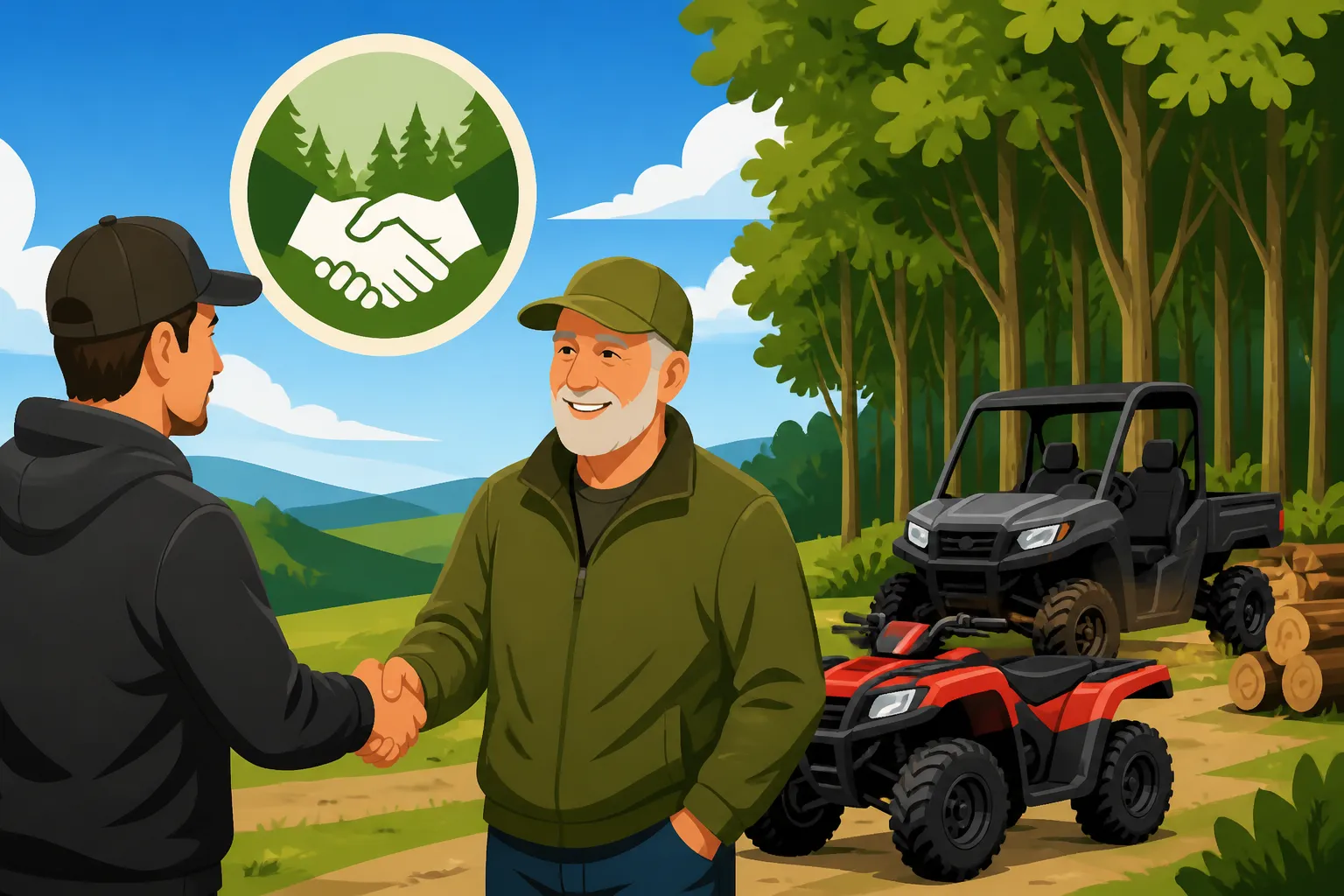
While a handshake agreement is often enough in Nova Scotia communities, for both your protection and the owner's, considering a simple written agreement isn't a bad idea, especially if you plan on frequent or long-term access. This doesn't need to be a complex legal document, but a basic outline can prevent misunderstandings down the road.
A simple letter or email could include:
- The names of the parties involved.
- The specific area of the woodlot where access is granted (perhaps marked on a simple map).
- The duration of the permission (e.g., for the season, for a specific date, ongoing until revoked).
- Any specific conditions or rules set by the owner (e.g., no riding after dark, stay 100 feet from a particular boundary, no hunting access).
- Acknowledgement of your insurance coverage.
- A clause stating you understand and accept full responsibility for your actions and potential injuries.
This kind of clarity helps everyone. It ensures you know exactly where you can and cannot go, and it gives the landowner peace of mind that there’s a clear understanding. It's a testament to your professionalism and serious intent as a respectful user of their land.
Building Trust and Maintaining a Good Relationship
Getting permission is just the first step. The ongoing relationship is what truly matters. Your actions on their land will either reinforce their trust or erode it, impacting not only your future access but potentially that of other riders in the community.
Riding Responsibly on Private Land
This is where your promises turn into practice. Every time you ride on someone else's property, you're essentially being an ambassador for the entire ATV/UTV community.
- Stick to the Plan: Only ride on the trails and within the areas you were granted permission for. Veering off course, even "just for a little look," can break trust quickly.
- Gates and Fences: If you encounter a gate, whether it's open or closed, always leave it exactly as you found it. This simple act of [Leaving Woodlot Gates Exactly as You Found Them] shows immense respect for their property management and livestock control. Never assume an open gate means free rein to roam anywhere.
- Respect the Environment: Avoid riding through sensitive areas, especially wet boggy spots that can easily become rutted and damaged. Be mindful of wildlife; if you see animals, slow down or stop to let them pass. Pack out all your trash, and if you see any litter that isn't yours, consider packing that out too.
- Seasonal Considerations: Be aware of hunting seasons. Riding through a woodlot during prime deer season without specific permission for that activity could disturb hunters who also have permission to be there. Always check the regulations for [Hunting Season and Trail Sharing in Nova Scotia] if your intent involves hunting access. Consider also the weather; avoid riding when trails are excessively muddy after heavy rain or during spring thaw, as this can cause significant damage.
- Maintain Your Machine: Ensure your machine is in good working order, especially if you plan on navigating challenging terrain. Having reliable tires and winches, perhaps from brands like SuperATV, can help you avoid getting stuck and causing unnecessary damage or requiring assistance. Proper lighting is also key, ensuring visibility and adherence to any night riding rules the owner might have.
Ongoing Communication and Gratitude
Maintaining a good relationship isn't a one-and-done deal. It requires ongoing communication and genuine appreciation.
- Regular Check-ins: Periodically, touch base with the owner. A quick phone call or a brief chat can go a long way. This shows you value their generosity and haven't forgotten about them.
- Report Issues: If you notice anything unusual on their property—like a fallen tree blocking a path, signs of illegal dumping, or even trespassers—let them know. This demonstrates that you're not just using their land but also looking out for it. You become an extra set of eyes and ears, which can be invaluable to a landowner.
- Express Gratitude: A simple "thank you" after a ride or a small gesture of appreciation (like a gift basket during the holidays, or helping with a chore if they accept) can reinforce the positive relationship. This isn't about buying access, but about showing genuine appreciation for their generosity.
- Offer Assistance: If you're skilled with a chainsaw and they need a downed tree cleared, or if you have a quad with a small trailer and they need something hauled, offer your help. These gestures demonstrate that you're a good neighbour and a responsible community member.
Alternatives When Private Access Isn't Possible
Even with the best intentions and most polite approach, some woodlot owners will simply say no, and that's their right. Don't take it personally. Fortunately, Nova Scotia still offers fantastic riding opportunities.
Exploring Official Trails and Club Networks
If private access isn't in the cards, your best bet is to connect with organized trail networks. The Nova Scotia ATV Association (ATVANS) is a fantastic resource. They work tirelessly to develop and maintain an extensive network of trails across the province. By joining a local club and purchasing an ATVANS trail permit, you gain access to thousands of kilometers of managed trails, many of which cross private land where agreements are already in place.
ATVANS members enjoy maintained trails, organized events, and the peace of mind that comes from riding legally on approved routes. [Nova Scotia ATV Trails: The ATVANS Network] is a testament to the dedication of volunteers and landowners working together. The province boasts [Nova Scotia's 8,000 Kilometres of Trail] within the ATVANS network, offering endless adventure without the stress of seeking individual permissions. Plus, your membership fees contribute directly to trail maintenance and the ongoing expansion of the network. It's truly a win-win, providing riders with fantastic places to explore and helping to fund the vital work of trail development and upkeep. For details on the benefits, see [Nova Scotia Club Membership Benefits].
Road Trails and Designated Access
Nova Scotia has also implemented a "road trail" system in many communities, which allows ATVs and UTVs to legally use designated sections of municipal roads to connect trails or access services. This is not about open season on all public roads, but rather specific, signed routes. These road trails are a game-changer for connectivity, allowing riders to link up different sections of trails or even get to a gas station or restaurant without trespassing or riding illegally.
While these road trails don't replace the experience of riding through a woodlot, they offer a legitimate way to extend your riding adventures and explore new areas. Always remember that riding on these designated road trails comes with its own set of rules, including speed limits, helmet requirements, and specific operating hours. It's crucial to understand these regulations before you head out. If you're wondering [Can You Ride an ATV on the Road in Nova Scotia?], the answer is yes, in specific areas and under strict conditions. These initiatives highlight the provincial and municipal efforts to provide legal and safe riding options for off-highway vehicle enthusiasts.
Ultimately, respectful communication and understanding are key to unlocking more riding opportunities in Nova Scotia. Whether it's securing permission from a private woodlot owner or utilizing the extensive network of club trails and designated road trails, riding responsibly ensures that these opportunities remain available for years to come. For more on gaining access to specific types of property, consider researching [Nova Scotia Private Woodlot Permission].
Disclaimer
This article is for general informational purposes only and does not constitute professional advice. Laws, prices and regulations vary by location and change over time. Consult a qualified professional for guidance on your specific situation.