Do You Need a Licence for an ATV in Nova Scotia?
Navigating the rules for riding an ATV or UTV in Nova Scotia can feel like trying to solve a puzzle with a few missing pieces, especially when it comes to understanding what kind of "licence" you actually need. Many riders get frustrated, assuming a regular driver's licence covers everything, only to find out there are specific requirements for off-highway vehicles that go beyond what you might expect. This guide will clarify the ins and outs of operating an OHV in Nova Scotia, detailing the mandatory certifications, age restrictions, and the specific instances where a driver's licence becomes absolutely essential.
Navigating the Licence Labyrinth for Nova Scotia OHV Riders
When you think about needing a "licence" to operate a vehicle, your mind probably jumps straight to a driver's licence issued by the Department of Motor Vehicles for cars and trucks. For off-highway vehicles (OHVs) like ATVs and UTVs in Nova Scotia, the situation is a bit more nuanced. It's not always about carrying your car licence, but rather about possessing the right credentials for the specific type of riding you're doing, coupled with age and safety requirements. This distinction is crucial and often misunderstood, leading to confusion and, sometimes, penalties.
The province really has two distinct pieces of legislation that impact OHV operation: the Off-highway Vehicles Act and the Off-highway Vehicles (Roads) Act. The first one governs general OHV use on trails, private land, and unmaintained roads, while the second specifically addresses the newer concept of designated "road trails" where OHVs can share certain public roads. Depending on where you plan to ride, the requirements can shift dramatically. It's not a one-size-fits-all answer, and understanding these differences is key to staying legal and safe on our beautiful Nova Scotian trails and roadways.
This isn't just about avoiding a fine; it's about ensuring you, your passengers, and other trail users are as safe as possible. The regulations are in place to minimize risks, protect our natural environment, and allow all outdoor enthusiasts to enjoy Nova Scotia responsibly. So, let's break down what you truly need to hit the trails or designated road sections with confidence.
Decoding "Driver's Licence" vs. "Safety Certificate"
This is where much of the confusion lies for new and even some seasoned riders. A "driver's licence" refers to the provincial permit that allows you to operate a car, truck, or motorcycle on public roads. It's what you get after passing your road test and meeting various conditions. A "safety certificate," on the other hand, is specific to off-highway vehicles. It confirms you've undergone recognized safety training designed for the unique challenges of riding an ATV or UTV.
In Nova Scotia, generally speaking, your regular driver's licence does not automatically qualify you to operate an OHV, especially when it comes to the safety knowledge required for off-road environments. While having a driver's licence demonstrates your ability to operate a motorized vehicle safely on paved roads, it doesn't cover the specific techniques, hazards, and etiquette of trail riding. Think about it: the skills needed to navigate a busy roundabout are quite different from those needed to traverse a rocky ascent or a muddy bog. That's why the province mandates specific safety training for most OHV operators.
However, as we'll explore shortly, there are specific scenarios, particularly with the introduction of designated road trails, where your provincial driver's licence becomes an absolute must-have. It’s about matching the right credential to the right riding environment. So, while a driver's licence isn't always the primary requirement for all OHV operation, a safety certificate usually is.
Who Needs What, Where? A Quick Overview
To quickly sum it up, most people operating an OHV in Nova Scotia will need an OHV Safety Certificate. This is your core credential for general off-highway use. It’s what teaches you about machine control, environmental awareness, and how to safely share trails. Your Nova Scotian driver's licence, however, becomes critical if you intend to ride on any of the province’s designated road trails. These are specific sections of public roads where OHVs are permitted, often connecting trail systems or providing access to services.
Without either the appropriate safety certificate or driver's licence (depending on where you are), you could face significant fines. The rules are designed to prevent inexperienced riders from endangering themselves or others, particularly in situations where OHVs are interacting with regular road traffic or navigating challenging terrain. So, before you even think about firing up your machine, make sure you've got the right paperwork in hand.
| Riding Scenario | Driver's Licence Required? | OHV Safety Certificate Required? | Other Key Requirements |
|---|---|---|---|
| Designated Road Trails | Yes (Full Licence, no learners) | Yes (for most riders) | Registration, Insurance, Helmet, Road-legal equipment |
| ATVANS Club Trails | No (unless accessing via road) | Yes (for most riders) | Registration, Insurance, Helmet, Trail Permit |
| Private Land (Your Own) | No | No | Helmet (recommended), Age Restrictions (still apply) |
| Private Land (With Permission) | No | Yes (for most riders) | Helmet (recommended), Registration, Insurance (advised) |
| Forestry/Farm Work | No | No | Must be actively engaged in exempt work |
Operating Your ATV or UTV on Designated Road Trails
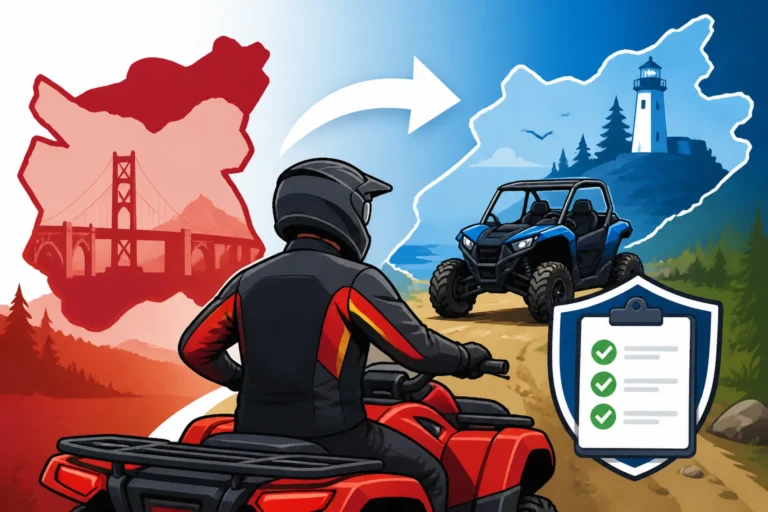
This is where the "driver's licence" question becomes paramount. Nova Scotia has been expanding its network of designated road trails under the Off-highway Vehicles (Roads) Act, allowing OHVs to travel on specific sections of public roadways. This initiative aims to connect more of the province's vast trail network and give riders easier access to amenities. However, with this privilege comes a clear set of responsibilities, and a valid driver's licence is at the top of the list.
It's a huge step forward for the OHV community, offering unprecedented access and connectivity. No longer are riders always forced to avoid paved roads entirely; now, specific routes are opened up. But this integration means OHVs must meet certain standards, and their operators must demonstrate the same level of competency as someone driving a car or truck on the same road. This is why the provincial government has been very clear about the licence requirement in these areas.
If you're planning a multi-day trip that involves connecting trails through a town or accessing a gas station, understanding these road trail regulations is essential. A quick glance at the [Nova Scotia Road Trail Rules Explained] will give you a good start, but let's dive into the licence specifics.
The Full Driver's Licence Mandate
For any rider operating an ATV or UTV on a designated road trail in Nova Scotia, a valid Class 5 (or equivalent) driver's licence is absolutely mandatory. This means no learner's permits, no temporary licences, and no foreign licences unless they are fully recognized under Nova Scotia's reciprocal agreements. The province has made it explicitly clear: if you are on a designated road trail, you must be a fully licensed driver, just as you would be if you were driving a car.
This requirement is in place because these road trails are shared spaces. You'll be interacting with other road users, including cars, trucks, and cyclists. The skills assessed during a standard driver's licence examination—like understanding road signs, yielding procedures, signaling, and maintaining appropriate speeds—are all crucial for safe operation in these environments. It's about ensuring every operator on a public road has demonstrated a basic level of driving competence. The risks associated with a novice operator on a public road, even on an OHV, are simply too high. [Nova Scotia Requires a Full Driver's Licence] for these specific scenarios, making no exceptions for those still learning to drive.
Why Learner's Permits Don't Make the Cut
This is a point of frustration for some younger riders or those new to driving, but the rule is firm: [Nova Scotia Bans Learner Drivers on Road Trails]. If you hold a Class 7 learner's permit, you cannot legally operate an ATV or UTV on a designated road trail. This means no riding with an experienced supervisor, which is typically allowed for learner drivers in a car. The reasoning is rooted in safety and the unique challenges of operating an OHV, even on a paved surface.
Learner drivers are still developing their road sense, judgment, and reactive skills. Introducing an OHV, which handles differently from a car and can be less stable, into that learning environment on a public road is deemed too risky. The province wants fully competent drivers navigating these shared spaces. So, if you're still on your learner's journey, stick to private land or dedicated off-highway trails where a driver's licence isn't the primary requirement. Your safety and the safety of others depend on it.
Beyond the Licence: Equipment for Road Trails
While a driver's licence is key for road trails, it's not the only thing you'll need. Your machine itself must meet certain standards to be considered "road legal" for these designated sections. This includes things like working headlights and tail lights (which must meet specific visibility distances), brake lights, rearview mirrors, and a horn. These are all standard features on cars, but some recreational ATVs might not have them, or they might not meet the exact specifications.
Many riders find themselves needing to outfit their machines with additional accessories to comply with these rules. This is where companies like SuperATV come in handy, offering a wide range of aftermarket parts specifically designed to enhance machine safety and compliance. Whether you need a full turn signal kit, upgraded mirrors, or more robust lighting, exploring options from reputable brands can help you get your machine ready for prime time on those road trails. It’s not just about having the driver's licence; it’s about having a machine that’s visible and controllable for all conditions you might encounter alongside other traffic. Always check the specific requirements for [Nova Scotia Lighting Requirements] and other gear before heading out.
Beyond the Driver's Seat: Mandatory Safety Certificates and Age Rules
Even if you're not planning to ride on a designated road trail, the question of "licence" still applies, but in the form of an OHV Safety Certificate. For most OHV operators in Nova Scotia, this certificate is a mandatory requirement. It's the provincial government's way of ensuring that riders have a foundational understanding of safe OHV operation, regardless of where they choose to ride. This covers riding on ATVANS club trails, other public lands where OHVs are permitted, and even private property belonging to someone else.
The focus here shifts from traffic laws to terrain management, environmental impact, and specific machine handling techniques. Think of it as specialized training for your chosen activity. Without this certificate, you could be risking fines and, more importantly, your safety and the safety of those around you. The provincial government has stressed the importance of these safety courses, especially for younger riders, to instill good habits early on.
The Mandatory OHV Safety Certificate
Generally speaking, if you operate an ATV or UTV in Nova Scotia, you are legally required to hold an OHV Safety Certificate. This certificate is typically obtained by completing an approved safety course, such as those offered by the Canada Safety Council. These courses cover essential topics like pre-ride inspections, safe riding practices, navigating various terrains, emergency procedures, and respecting the environment. It's not just a hoop to jump through; it provides critical knowledge that can prevent accidents and injuries. [Nova Scotia Safety Certificates Are Mandatory] for a reason: they equip riders with the skills to handle challenging situations and make informed decisions on the trail.
There are some exceptions, which we'll cover, but for the vast majority of recreational riders, getting this certificate is a non-negotiable step before you hit the trails. Even if you've been riding for years, the structured learning environment can reinforce good habits and introduce new safety concepts you might not have considered. It's an investment in your safety and the longevity of your riding enjoyment.
Age Requirements for Riders
Nova Scotia has clear age requirements for operating OHVs, and these are separate from whether you hold a driver's licence. The province mandates a minimum riding age of 6 years old for an OHV. However, there are strict rules about supervision and machine size for younger riders. For example, riders between 6 and 15 years old must be supervised by someone 19 or older who holds a valid OHV Safety Certificate. Additionally, the machine itself must be appropriate for the rider's age and size. [Nova Scotia ATV Age Requirements] are in place to ensure children are not operating machines beyond their physical and cognitive capabilities.
It's not just about letting a child sit on a quad; it's about ensuring they can reach and operate all controls, maintain proper balance, and understand the risks involved. While some parents might be tempted to put a young child on a larger machine, Nova Scotia's regulations guide against this, emphasizing that the machine must be sized correctly for the operator's weight and height. Proper training, suitable equipment (perhaps even youth-specific protection from SuperATV), and constant supervision are paramount for young riders to enjoy the sport safely.
Passengers and Age Restrictions
Just like operators, passengers on an OHV in Nova Scotia are subject to age restrictions. Generally, a passenger must be at least nine years old to ride on an OHV, and only if the machine is specifically designed to carry a passenger. This means two-up ATVs are fine, but trying to squeeze a passenger onto a single-rider quad is illegal and incredibly dangerous. Even on designated road trails, [Nova Scotia Passengers Must Be 9 or Older].
These rules are not arbitrary; they are in place to prevent serious injuries. A younger child may not have the physical strength or maturity to hold on properly, anticipate bumps, or keep their feet clear of moving parts. On a two-up machine, the passenger seat is designed to provide support and handholds, making the ride much safer. Always ensure your machine is rated for a passenger and that your passenger meets the age requirement before heading out.
Special Cases and Exemptions: When the Rules Bend (or Don't)
While the general rule is that an OHV Safety Certificate is required, and a driver's licence is needed for road trails, there are always a few specific scenarios where the rules might be different. These exemptions are usually in place for practical reasons, but it's crucial to understand their limits. Misinterpreting an exemption can lead to fines and put you in a precarious legal position.
Many riders wonder if they need all the paperwork if they're just on their own property, or if an out-of-province visitor needs to jump through all the same hoops. It's easy to assume a "common sense" approach, but the law is quite specific. Let's delve into these situations to ensure you're always riding within Nova Scotia's legal framework.
Riding on Your Own Land
One of the most frequently asked questions is about riding on private property. If you are operating an OHV exclusively on land that you own, you are generally exempt from the requirement to have an OHV Safety Certificate and from registering your machine. This is often referred to as the [Nova Scotia Own-Property Exemption]. However, this exemption has strict limits. The moment your wheels touch public land, a designated trail, or even land owned by someone else (even with permission), those exemptions usually vanish, and the full requirements for registration, insurance, and safety certification kick in.
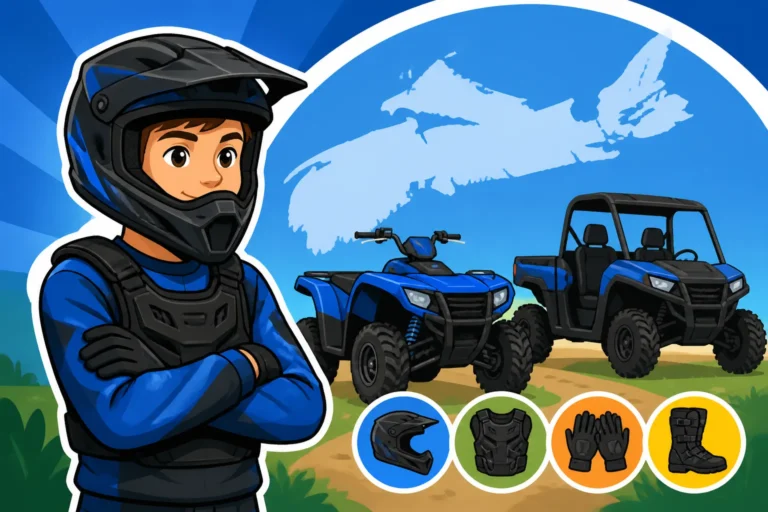
Even on your own land, while not legally mandated, wearing a helmet is always a wise decision. And while the safety certificate isn't required by law in this specific instance, the knowledge gained from a safety course is invaluable for preventing accidents, regardless of where you ride. Safety should always be your top priority.
Work Use Exemptions
Nova Scotia recognizes that OHVs are often essential tools for certain industries. Therefore, there are specific [Nova Scotia Work Use Exemptions] for individuals operating an OHV solely for farming, forestry, or commercial fishing purposes. If you are actively engaged in these activities and using your OHV as part of your work on relevant land, you may be exempt from the registration and safety certificate requirements.
For example, a farmer moving feed across their fields or a woodlot owner managing their timber stands might fall under these exemptions. However, this exemption does not apply if you're using the machine for recreational purposes on your day off, even if you typically use it for work. The machine must be directly involved in the exempted work activity at the time of operation. If you take your work quad out for a recreational spin on a club trail, all the usual rules (registration, insurance, permit, safety certificate) apply.
The "Grandfathered" Certificate
Before April 1, 2006, the Nova Scotia Off-highway Vehicles Act did not require a mandatory safety certificate for all operators. If you were 19 years of age or older and owned an OHV before this date, you might be "grandfathered" in, meaning you are exempt from needing a formal OHV Safety Certificate. This is a specific provision designed to accommodate long-time riders who were operating legally before the certificate became mandatory.
However, if you bought your machine after April 1, 2006, or if you were under 19 at that time, you generally need to acquire the safety certificate. This exemption is quite specific, and it's best to confirm your eligibility if you believe you fall under this category. Don't assume you're grandfathered; verify it to avoid any misunderstandings with law enforcement. Understanding [Nova Scotia's Pre-2006 Grandfather Rule] can save you a lot of headache.
Visitors from Other Provinces
If you're visiting Nova Scotia from another province and bringing your ATV or UTV, you might be wondering about the local requirements. Nova Scotia does have some reciprocity agreements, but these can change. Generally, if your machine is properly registered and insured in your home province, and you meet the equivalent licensing/certification requirements there, Nova Scotia will often honour that for a limited period, typically up to 30 days.
However, this isn't a blanket rule. For instance, [Nova Scotia Visitors From Ontario] often find their OHV permits and certifications are recognized. But it's always best practice to check the most current regulations before you travel. What's considered legal in New Brunswick or PEI might have slight variations here. If you plan a longer stay or intend to ride extensively on Nova Scotian trails, it might be prudent to look into getting a temporary Nova Scotia trail permit and ensuring your safety certifications align with provincial standards. Always carry your proof of registration and insurance from your home province, and any relevant safety certificates.
Staying Legal and Safe on Nova Scotia's Trails
Adhering to Nova Scotia's OHV regulations isn't just about avoiding penalties; it's about contributing to a safe, sustainable, and enjoyable riding experience for everyone. The rules regarding driver's licences and safety certificates are cornerstones of responsible OHV operation. Taking the time to understand them fully and ensure you're compliant is a mark of a responsible rider.
It's tempting to think you can just hop on and go, but the complexity of modern OHV laws, especially with the introduction of road trails, means a bit of homework is necessary. From securing the right safety certificate to ensuring your driver's licence is valid for road sections, each step contributes to your personal safety and the preservation of our beautiful trails.
The Consequences of Non-Compliance
Operating an ATV or UTV without the proper licence or safety certificate can lead to significant repercussions. Penalties can range from substantial fines to having your machine impounded. Beyond the legal ramifications, operating without the necessary credentials means you likely haven't received the full training needed to handle an OHV safely, increasing your risk of an accident. [Nova Scotia Impaired Riding Penalties] are severe, and operating an OHV without the correct documentation can escalate any other infractions you might commit.
Moreover, if you are involved in an accident and found to be operating without the required certificate or licence, your insurance coverage could be jeopardized. This could leave you personally liable for damages or injuries, which can be financially devastating. It's a risk simply not worth taking when the solutions are readily available.
Resources for Riders
The best way to stay informed and compliant is to utilize the resources available to you. The provincial government websites, particularly those related to the Department of Natural Resources and Renewables (which oversees OHVs), are excellent sources of official information. Additionally, the provincial OHV association, ATVANS (All-Terrain Vehicle Association of Nova Scotia), is a fantastic resource. They offer information on safety courses, trail permits, and can often clarify specific regulations.
Don't hesitate to contact Access Nova Scotia directly if you have specific questions about your personal situation, or need to know [Registering an ATV at Access Nova Scotia]. They are the primary point of contact for many OHV-related transactions, including registration and permits, and can provide the most accurate and up-to-date information.
By staying informed and prioritizing safety, you're not just protecting yourself, but also ensuring that the vibrant OHV community in Nova Scotia can continue to thrive for years to come. Whether you're upgrading your machine with SuperATV accessories or just hitting a local trail, always make sure you've got your paperwork in order and your safety knowledge fresh.
Disclaimer
This article is for general informational purposes only and does not constitute professional advice. Laws, prices and regulations vary by location and change over time. Consult a qualified professional for guidance on your specific situation.