Nova Scotia Rules for a Visiting New Brunswick Rider
Crossing the provincial border for an ATV or UTV adventure can be a fantastic way to explore new terrain, but it often comes with a heap of questions and, let's be honest, a fair bit of frustration about differing rules. For our friends from New Brunswick looking to experience Nova Scotia's stunning trails, navigating the local regulations for your machine requires a bit of homework to ensure your visit is all about the fun and none of the fines. This guide will walk you through everything you need to know to bring your machine from New Brunswick to Nova Scotia legally and confidently.
Understanding the Inter-Provincial Jumble for Off-Highway Vehicles
It's a common misconception that if your off-highway vehicle (OHV) is registered and insured in your home province, you're automatically good to go anywhere in Canada. While that used to be the case for some Maritime provinces, things have changed, and it can definitely catch folks off guard. The reality is that each province has its own set of rules, and Nova Scotia has distinct requirements that apply to all riders, including those visiting from neighbouring New Brunswick.
The End of Reciprocity: What Changed for New Brunswick Riders
For years, there was a wonderful sense of camaraderie and ease for off-highway vehicle enthusiasts traveling between Nova Scotia and New Brunswick. Our provinces enjoyed a reciprocity agreement, meaning your valid New Brunswick trail permit or registration was recognized here in Nova Scotia, and vice-versa. It truly made planning cross-border rides a breeze.
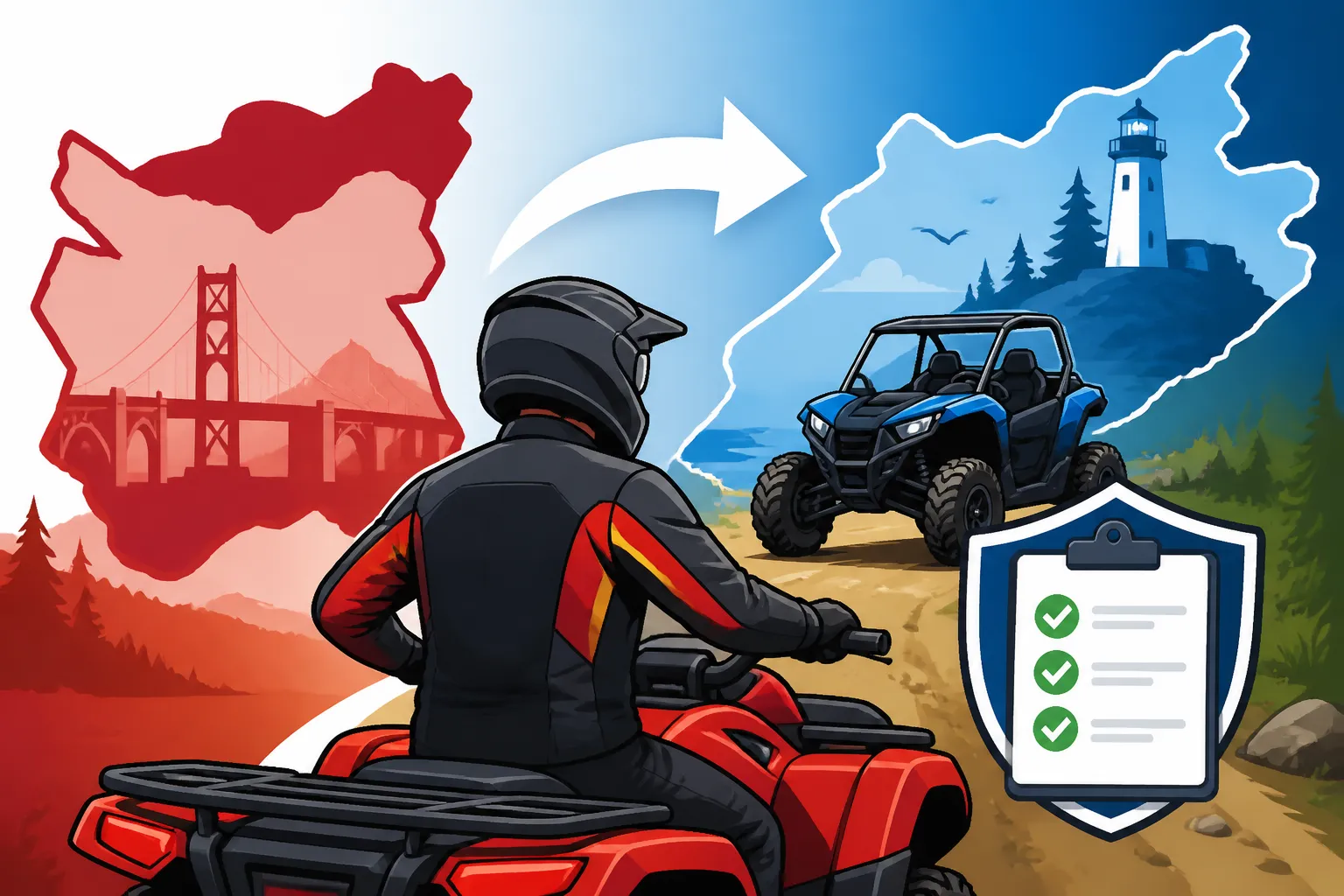
However, that agreement eventually came to an end. This means that as a New Brunswick rider, simply having your machine legally registered and permitted in your home province is no longer sufficient to hit the trails in Nova Scotia. This can certainly feel like an extra hurdle, especially if you were used to the old system. You're not alone in finding this change a bit inconvenient, but understanding why it happened, and what to do about it, is the first step to a hassle-free trip.
Why Nova Scotia Wants Its Own Permit
The requirement for a Nova Scotia trail permit for all riders, including visitors, isn't just about bureaucracy; it's fundamental to how our extensive trail network is maintained and improved. The funds generated from these permits go directly into the provincial Off-Highway Vehicle Infrastructure Fund and support the dedicated efforts of local ATV clubs across Nova Scotia. These clubs are the unsung heroes who spend countless hours building, maintaining, and signing the trails we all love to ride.
Think of it this way: when you purchase a Nova Scotia permit, you're contributing to the very trails you'll be enjoying. It helps pay for bridge repairs, culvert installations, brushing back overgrown sections, and ensuring the trails are safe and accessible. Without these funds, our trails would quickly fall into disrepair, impacting everyone's riding experience. It's a collective effort, and your contribution as a visitor ensures the continued enjoyment of these beautiful landscapes for years to come.
The Core Requirements for Any Visiting Rider
While the trail permit is a significant point of change for New Brunswick riders, it’s important to remember that some core requirements remain universal across most jurisdictions, including Nova Scotia. These aren't unique to visitors but apply to everyone who wants to ride an OHV here. You'll need to ensure your machine is properly registered in New Brunswick, and that you have adequate liability insurance. [Nova Scotia Insurance Requirements for Riders] are quite specific, requiring a minimum of $500,000 in third-party liability coverage.
Beyond the paperwork, personal safety gear is non-negotiable. A helmet is mandatory for all riders and passengers, regardless of age or experience level. [Nova Scotia ATV Helmet Law] outlines these requirements clearly. Moreover, there are age restrictions for operating OHVs and for carrying passengers, which are designed to keep everyone safe on the trails. These fundamental elements form the bedrock of responsible OHV operation, and they're just as crucial for a visiting rider as they are for a local.
Navigating Nova Scotia's Permit System as a Visitor
So, the reciprocity is gone, and you need a Nova Scotia permit. Don't fret! The system is straightforward, and there are options tailored for different lengths of stay. The key is to plan ahead and ensure you have the correct documentation before you even unload your machine from the trailer. Getting caught without the proper permit on a Nova Scotia trail can lead to fines, which would certainly put a damper on your vacation. [Nova Scotia Penalties for No Permit] can be quite substantial, so it's always best to be prepared.
The Nova Scotia Thirty-Day Visitor Permit Explained
For those planning a shorter trip—a weekend getaway, a week-long excursion, or even just a few days of riding—the Nova Scotia Thirty-Day Visitor Permit is likely your best bet. This permit is designed specifically for non-resident riders and offers a convenient way to legally access Nova Scotia's vast trail network for a limited period. It's an excellent option if you're not planning extended stays throughout the year but still want to experience what our province has to offer.
This permit provides all the necessary legal access to designated OHV trails for 30 consecutive days from its activation date. It's important to understand that this permit is not linked to a specific club membership, and it does not come with a physical sticker for your machine. Instead, you'll receive a confirmation letter or email that serves as your proof of permit, which you should carry with you at all times while riding. Always double-check the current cost for this permit directly with ATVANS or an Access Nova Scotia centre, as prices can change.
The Full Calendar-Year ATVANS Permit: When It Makes Sense
If you find yourself frequently visiting Nova Scotia, or perhaps planning multiple trips throughout the year, investing in a full calendar-year ATVANS Trail Permit might be the more economical and convenient choice. While it might seem like a bigger upfront cost compared to the 30-day option, its benefits extend beyond just trail access.
Purchasing the full ATVANS permit often includes membership in the provincial association, which typically comes with liability insurance benefits that supplement your primary coverage while on club trails, along with supporting advocacy for OHV rights and trail development. This permit runs from January 1st to December 31st, regardless of when you purchase it, so if you're buying it late in the year, factor that into your decision. It's the same permit that local Nova Scotia riders purchase, and it actively supports the volunteer clubs that maintain thousands of kilometres of trails. This option is especially beneficial if you anticipate wanting to experience Nova Scotia's trails across various seasons, like summer coastal rides and fall foliage tours. You can learn more about this by checking out [Nova Scotia Trail Permit Cost].
Where to Purchase Your Nova Scotia Permit
Getting your permit is a relatively straightforward process, designed to be as accessible as possible for both residents and visitors. The easiest and often quickest way to purchase either the 30-day visitor permit or the full calendar-year ATVANS permit is online through the ATVANS (All-Terrain Vehicle Association of Nova Scotia) website. Their portal will guide you through the necessary steps, allowing you to pay by credit card and receive your permit confirmation electronically. This means you can get it sorted before you even leave New Brunswick, ensuring you're ready to roll the moment you arrive.
Alternatively, you can visit an Access Nova Scotia service centre once you've arrived in the province. These government service points handle various vehicle and permit transactions and can process your OHV permit in person. However, keep in mind that waiting times can vary, especially during peak seasons. It's always a good idea to check their operating hours and any required documentation beforehand. Many local ATVANS member clubs may also be able to assist with permit purchases, especially the full annual permits, as part of their membership drive.
Beyond the Permit: Essential Nova Scotia Riding Rules for Visitors
Having your Nova Scotia trail permit sorted is a huge step, but it's not the only piece of the puzzle. Just like in New Brunswick, Nova Scotia has a comprehensive set of rules governing OHV operation that cover everything from machine registration to how and where you can ride. Being familiar with these rules will not only help you avoid tickets but also ensure a safer and more enjoyable experience for everyone sharing the trails.
Registration, Insurance, and Safety Certificates: The Foundation
Even though you're a visitor, your machine still needs to be properly registered. You'll use your existing New Brunswick registration for this. Nova Scotia respects the registration from your home province, but it expects that you are in good standing there. Crucially, as mentioned, you must carry adequate liability insurance. Nova Scotia's minimum liability requirement is significant, often $500,000, to cover potential damages or injuries you might cause to others or their property. You absolutely need to carry proof of this insurance, often called a "pink card," with you while riding. [Nova Scotia Pink Card Rules] are very clear on this.
Regarding safety certificates, Nova Scotia has specific rules about mandatory training, particularly for younger riders or those who acquired their machines after a certain date. If you're 16 years old, for instance, you'll likely need to have completed a recognized OHV safety training course to legally operate a machine in Nova Scotia. While there's often a "grandfather clause" for long-time owners, it's always safest to verify if your existing training or ownership history meets Nova Scotia's criteria, especially if you're coming from another province with different standards.
Helmet, Age, and Passenger Rules: Staying Safe and Legal
Safety starts with proper gear, and in Nova Scotia, that means a helmet, every single time. It's not just a recommendation; it's the law for all riders and passengers on off-highway vehicles, whether on a trail, private land, or a designated road trail. The helmet must meet approved safety standards, such as DOT, CSA, Snell, or BSI. Don't risk a fine or, worse, an injury by forgetting this crucial piece of equipment.
Age restrictions are also strictly enforced. [Nova Scotia ATV Age Requirements] dictate the minimum age for operating an OHV, as well as rules for youth supervision. For example, riders between 6 and 15 years old have specific requirements regarding engine size, supervision by an adult (19 or older and trained), and often riding on a closed course. Furthermore, any passenger riding on an OHV must be at least nine years old and able to reach the footrests. If your machine isn't designed to carry a passenger, then don't carry one. These rules are in place to protect riders and prevent accidents.
Road Trails and Crossing Public Roads: Knowing the Limits
Nova Scotia has introduced a fascinating and evolving network of "road trails" under its Road Trails Act. [Nova Scotia's Road Trails Act Explained] allows OHVs to legally operate on certain sections of public roads to connect trail networks or access services. This is a game-changer for riders, but it comes with very strict rules. When riding on a designated road trail, you must adhere to a maximum speed limit, often 25 km/h, ride single file, yield to other vehicles, and have a valid driver's licence. [Nova Scotia Road Trail Rules Explained] details these specific requirements.
It's absolutely critical to understand that you cannot simply ride your OHV on any public road in Nova Scotia. Only designated road trail segments are permitted. For crossing a public highway that isn't a designated road trail, there are also specific rules: you must come to a complete stop, yield to all traffic, and cross at a right angle as quickly and safely as possible. You must also hold a full driver's license to cross a public road. Never assume a road is a road trail unless it's clearly marked or listed as such by the province or a local municipality. Ignorance of these rules is not an excuse and can lead to serious penalties.
General Trail Etiquette and Environmental Responsibility
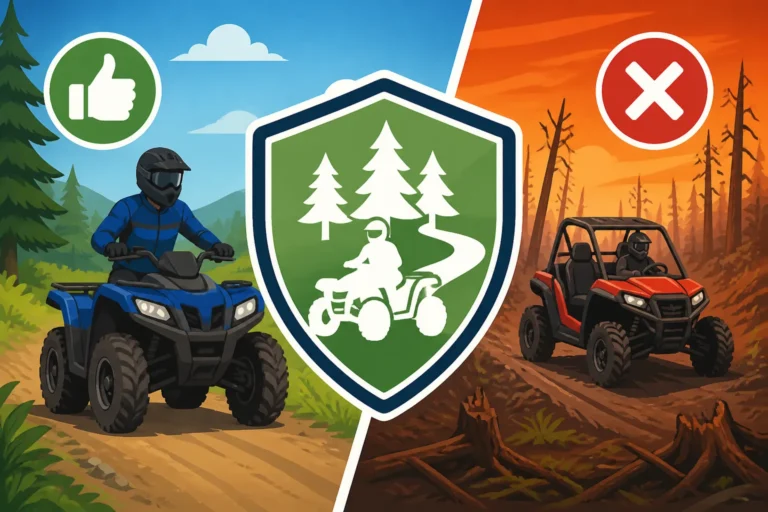
Nova Scotia's trails wind through incredibly diverse and sensitive environments, from coastal forests to inland wilderness, and often cross private land. As a visitor, it's paramount to practice responsible riding and respect the land. Always stay on marked trails; riding off-trail can damage fragile ecosystems, disturb wildlife, and is often trespassing. [Nova Scotia Trails That Cross Private Woodlots] are a common occurrence, and deviation can lead to permanent closures.
Minimize your impact by riding quietly, especially near residential areas or wildlife habitats. Avoid excessive dust and mud, which can affect local residents and water quality. Pack out everything you pack in, and never leave trash behind. Additionally, be mindful of fire restrictions, especially during dry seasons, as woods bans can be implemented quickly. Responsible riding ensures that these beautiful trails remain open and enjoyable for everyone, including future generations of riders from both Nova Scotia and New Brunswick.
Practical Tips for Your Nova Scotia ATV Adventure
Now that you're armed with the essential rules and permit information, let's talk about making your Nova Scotia ATV adventure truly epic. A little extra planning and preparation can go a long way in ensuring a memorable and hassle-free experience. From mapping your route to packing the right gear, these tips will help you ride like a seasoned local.
Planning Your Route and Connecting with Local Clubs
Nova Scotia boasts an incredible network of trails, thanks to the hard work of ATVANS and its member clubs. Before you leave New Brunswick, take some time to plan your routes. The ATVANS website is a fantastic resource, often providing [Nova Scotia ATV Trail Map Downloads] or links to interactive maps. These maps will show you the designated OHV trails, often indicating difficulty, points of interest, and connections to road trails.
Connecting with local ATV clubs in the areas you plan to visit can also be invaluable. [Nova Scotia ATV Trails: The ATVANS Network] lists the 48 member clubs. They often have the most up-to-date information on trail conditions, temporary closures due to weather or maintenance, and local points of interest. They might even be able to recommend scenic loops or local eateries accessible by quad. Many clubs also organize group rides, which can be a fun way to explore new terrain with experienced guides. Don't be shy about reaching out; the ATV community in Nova Scotia is generally very welcoming!
Packing Smart and Being Prepared
Preparation is key, especially when venturing into unfamiliar territory. Beyond your helmet and permit, a well-stocked machine and riding kit can save the day. Always carry basic tools, a tire repair kit, and a small air compressor. A first-aid kit, flashlight, knife, and fire starter are essential for any outdoor adventure. Consider carrying a tow strap – or better yet, a robust winch, with options like those from SuperATV – because even the most experienced riders can get stuck.
Given Nova Scotia's varied terrain and often remote trails, cell phone service can be spotty, especially in more rural or highland areas. Consider carrying a satellite messenger or a two-way radio for emergencies. Pack enough food and water for the duration of your ride, plus a little extra. Layers of clothing are always a good idea, as coastal weather can change rapidly. And if you're exploring areas with thick brush, consider adding some durable guards and protective accessories from SuperATV to keep your machine safe from scrapes and impacts. Having protective gear like high-quality skid plates for the undercarriage can give you peace of mind when navigating rocky sections.
Understanding Potential Penalties for Non-Compliance
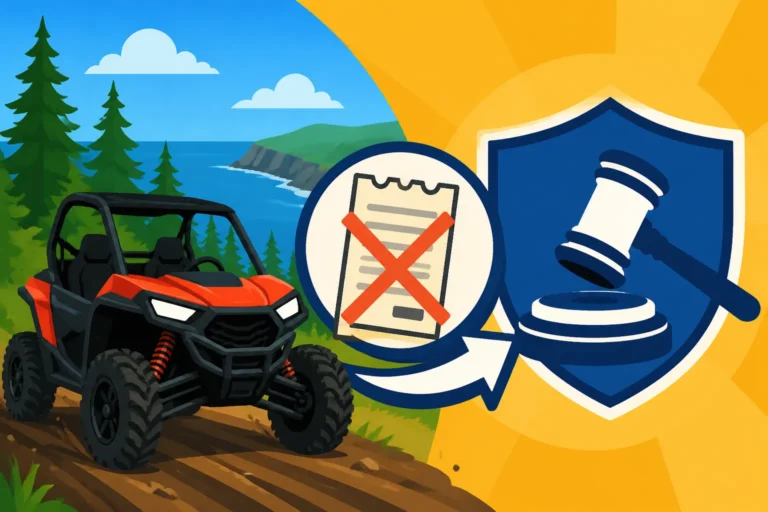
Nobody wants to have their Nova Scotia adventure cut short by a ticket, but it's important to be aware of the consequences if you don't adhere to the rules. Riding an unregistered or uninsured machine, or operating without the required Nova Scotia permit, carries significant fines. [Nova Scotia Penalties for Riding Unregistered] can range from hundreds to thousands of dollars, plus potential court costs. These are not minor infractions and can quickly turn a fun trip into a costly headache.
Beyond the financial penalties, you could also face having your machine impounded, and in more serious cases, legal proceedings. It's simply not worth the risk. The provincial authorities and local law enforcement actively patrol trails and road trail sections to ensure compliance, both for safety and to protect the trail network. By taking the time to understand and follow Nova Scotia's OHV regulations, you ensure your visit is enjoyable, safe, and respectful of the local laws and the hard work that goes into maintaining our trails.
| Permit Type | Best For | Duration | Typical Cost Structure | Membership Benefits | Proof of Permit |
|---|---|---|---|---|---|
| 30-Day Visitor Permit | Short trips, infrequent Nova Scotia visits | 30 consecutive days | Lower, one-time fee | None | Email/Letter |
| Annual ATVANS Permit | Frequent visits, longer stays, local support | Calendar year (Jan 1-Dec 31) | Higher, annual fee | ATVANS membership, supplementary insurance | Email/Letter, often club affiliation |
Disclaimer
This article is for general informational purposes only and does not constitute professional advice. Laws, prices and regulations vary by location and change over time. Consult a qualified professional for guidance on your specific situation.