Nova Scotia Beach and Dune Riding Bans
The dream of riding your ATV or UTV along a windswept Nova Scotia beach, feeling the salt spray and the rumble of your machine beneath you, is a common fantasy for many off-road enthusiasts. However, this idyllic vision often crashes head-first into the firm reality of environmental protection and strict regulations. This guide is here to untangle the complex rules surrounding beach and dune riding in Nova Scotia, explaining exactly why these areas are off-limits and where you can legally and responsibly enjoy your machine instead.
The Allure of Coastal Riding and the Harsh Reality
There's something undeniably captivating about the idea of taking your off-highway vehicle (OHV) to the coast. The vast, open spaces, the roar of the ocean, and the unique terrain seem to call out to the adventurous spirit of ATV and UTV riders. Many folks new to the Nova Scotia off-roading scene, or even long-time residents, often wonder if those expansive beaches or rolling dunes might be accessible for a ride. It's a natural thought when you see the stunning coastline the province has to offer.
The Dream of a Beach Ride
Imagine it: the sun glinting off the water, the sand stretching out before you, and the sheer freedom of cruising along the shore. For many, this is the ultimate off-roading experience. They picture themselves exploring secluded coves or racing along the tide line, far from the usual hustle and bustle. The power and versatility of machines, especially those equipped with robust tires and suspension from brands like SuperATV, seem perfectly suited for such an adventure. It's a romantic notion that evokes a sense of exploration and connection with nature, which is often what draws us to off-roading in the first place.
This dream isn't unique to Nova Scotia; it’s a universal image often seen in promotional materials or even in other jurisdictions where coastal riding might be permitted. People might see footage from other places and assume the same rules apply here. However, Nova Scotia's unique geology, sensitive ecosystems, and dedication to conservation mean that this dream largely remains just that – a dream – when it comes to riding on the beaches and dunes themselves. The temptation is strong, but the ecological cost and legal repercussions are far too significant.
The Legal Wall You Face
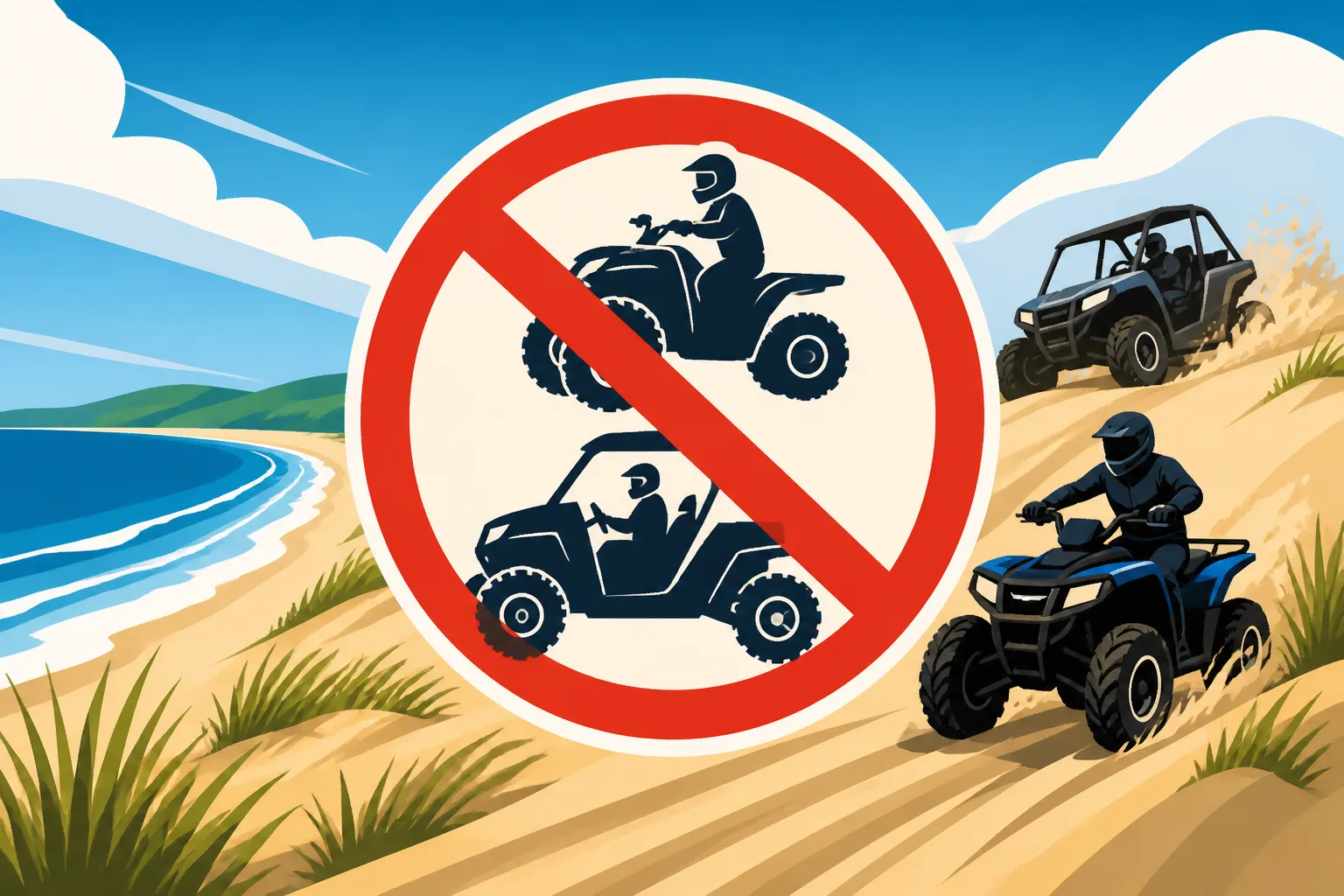
Unfortunately, the reality is that nearly all beach and dune areas in Nova Scotia are strictly off-limits to off-highway vehicles. This isn't just a suggestion; it's a legal prohibition enforced by provincial regulations designed to protect incredibly fragile coastal ecosystems. Attempting to ride in these areas can lead to significant fines, potential impoundment of your machine, and a lot of headaches, none of which are worth the fleeting thrill of a prohibited ride. The laws are in place for a very good reason, which we’ll delve into shortly.
The frustration is understandable. You've invested in a machine, you love to ride, and Nova Scotia boasts some of the most beautiful coastlines in the world. It feels almost counterintuitive that you can't access these natural wonders with your OHV. However, the legislation, such as the Off-highway Vehicles Act and various environmental protection acts, draws a clear line. Ignorance of the law is never an excuse, and enforcement officers are diligent in protecting these sensitive areas. It's crucial for every rider to understand these boundaries before heading out, to ensure they’re enjoying their passion legally and responsibly.
Understanding Nova Scotia's Environmental Protection
Nova Scotia takes its environmental stewardship very seriously, especially when it comes to its precious coastal areas. The province is home to a diverse array of delicate ecosystems, many of which are particularly vulnerable to human activity. The legal framework surrounding OHVs reflects this commitment to protection, ensuring that the natural beauty and ecological integrity of the province are preserved for future generations. It’s not about limiting fun; it’s about preventing irreversible damage to critical habitats.
Key Legislation and Regulations
The primary piece of legislation governing off-highway vehicles in Nova Scotia is the Off-highway Vehicles Act. This act, along with its associated regulations, dictates where and how OHVs can be operated. While it outlines aspects like [Nova Scotia ATV Helmet Law], [Nova Scotia Registration Requirements], and [Nova Scotia Insurance Requirements for Riders], it also implicitly or explicitly restricts riding in certain sensitive areas. Beyond this, other environmental laws, such as the Environment Act and the Beaches Act, directly prohibit or regulate activities on beaches and dunes, making it clear that these areas are not for recreational OHV use.
These acts work in concert to create a robust legal shield for Nova Scotia's natural environments. For instance, the Beaches Act is specifically designed to protect beaches from degradation, including damage from vehicles. It covers everything from sand dunes to the tidal zone, ensuring that these areas remain untouched by disruptive activities. Riders need to be aware that even if a specific beach isn't explicitly signposted as "No ATVs," the general provincial legislation still applies, and ignorance is no defense against a hefty fine. Always assume coastal zones are protected unless specifically stated otherwise by an authorized body.
Designated Protected Areas
Beyond general prohibitions, Nova Scotia has many formally designated protected areas, wildlife sanctuaries, and nature reserves that explicitly ban OHV use. These areas, often encompassing significant stretches of coastline, beaches, and dune systems, are critical for biodiversity and ecological health. For example, bird nesting sites, sensitive plant habitats, and migration routes are frequently found in coastal zones, making them prime candidates for strict protection. These designations are not arbitrary; they are the result of scientific assessment identifying areas of high ecological value that require maximum safeguarding.
Even areas that may not appear "protected" on a map might still be considered sensitive under broader environmental regulations. For example, many of the province's beaches and dune systems are natural buffers against storm surges and erosion, playing a crucial role in coastal resilience. Damage to these natural barriers can have far-reaching consequences, affecting not only the local environment but also nearby communities and infrastructure. Therefore, even a seemingly innocuous joyride can contribute to significant environmental degradation, underlining why these restrictions are so universally applied across the coastline.
The Role of Provincial Departments
Several provincial departments share the responsibility for enforcing these environmental protections and OHV regulations. The Department of Natural Resources and Renewables (DNRR), for instance, plays a significant role in managing Crown land and natural resources. Environmental enforcement officers, often referred to as conservation officers, are empowered to patrol coastal areas, respond to complaints, and issue tickets for violations. Their job is to ensure that the delicate balance between recreational use and environmental preservation is maintained.
These officers are often visible in popular or vulnerable coastal areas, especially during peak seasons. They are trained to identify tracks left by OHVs, assess environmental damage, and trace infractions. It's not uncommon for them to use aerial surveillance or collaborate with local community groups to monitor compliance. Their presence serves as a strong deterrent, and their ability to enforce regulations means that penalties for illegal beach or dune riding are very real. Riders caught in violation aren't just facing a slap on the wrist; they're dealing with serious legal consequences that reflect the importance the province places on these ecosystems.
The Specifics of Beach and Dune Riding Bans
When we talk about "beach and dune riding bans" in Nova Scotia, it's not a vague suggestion; it's a specific legal framework that makes it almost impossible to legally operate an OHV in these sensitive coastal environments. Understanding what exactly is prohibited and how to recognize these areas is crucial for any responsible rider wanting to avoid fines and environmental damage. It boils down to knowing the boundaries and respecting the law.
What Exactly is Prohibited
Under Nova Scotia's environmental legislation, the operation of off-highway vehicles on beaches, sand dunes, and adjacent coastal environments is generally prohibited. This includes, but isn't limited to, the intertidal zone (the area between high and low tide), the dry sandy beach above the high tide mark, and the fragile dune systems that typically back the beach. The prohibition isn't just about driving; it extends to parking, launching, or even accessing these areas via an OHV. Essentially, if it’s a beach or a dune, your ATV or UTV should not be on it.
This ban applies to all types of off-highway vehicles, whether it's a quad, a side-by-side (UTV), or even a dirt bike. The rationale is that any motorized vehicle, regardless of its size or tire pressure, can cause significant damage to these sensitive environments. For example, even a low-impact pass can crush nesting seabird eggs, disrupt delicate plant root systems, or initiate dune erosion. The collective impact of multiple vehicles over time is devastating, which is why a blanket ban is in place rather than attempting to regulate specific types of machines or activities.
Recognizing Restricted Zones
Identifying restricted zones might seem obvious if you're standing on a pristine beach, but it's not always so clear-cut, especially in less developed areas or on what might appear to be private land near the coast. Many beaches in Nova Scotia, even if privately owned, are still subject to public access laws below the high-water mark and fall under the province's environmental protections. While you might occasionally see "No ATV" signs, the absence of such signage does not imply permission. When in doubt, always assume the area is restricted.
It’s important to understand that the definition of a "beach" or "dune" in the legal context is broad and can extend inland beyond what you might visually consider the immediate coastline. This often includes foredunes, backdunes, and associated vegetation that may not look like a "beach" but are integral to the coastal ecosystem. Riders should educate themselves on the general characteristics of these environments. If you’re seeing marram grass, sensitive beach flora, or signs of dune formation, you’re almost certainly in a prohibited zone for OHV operation. When planning a ride, it’s always best to consult maps from recognized organizations like ATVANS, which clearly mark legal trails and usually avoid these sensitive areas.
Exemptions and Why They're Rare for Recreational OHVs
While the general rule is a strict prohibition, there are extremely rare and specific exemptions for OHV use on beaches and dunes, though almost none apply to recreational riders. These exemptions are typically granted only for essential, authorized activities such as emergency response (e.g., search and rescue), scientific research conducted with proper permits, or maintenance by authorized government agencies (e.g., coastal infrastructure repair). In all these cases, stringent conditions are usually attached to minimize environmental impact, and the activity is temporary and highly controlled.
For the vast majority of ATV and UTV owners, hoping to use their machine for leisure, there are simply no legal exemptions for riding on Nova Scotia's beaches and dunes. This means that personal access for fishing, sight-seeing, or simply "getting to the water" with your machine is not permitted if it involves operating on these protected lands. It’s a common misconception that if you’re "just going to fish," the rules might be relaxed. This is not the case. If you need to access a coastal fishing spot, you will need to do so by legal means, often on foot, or by launching a boat from an approved ramp, not by driving your OHV onto the beach.
Why These Bans Exist: Protecting Fragile Ecosystems
The strict bans on off-highway vehicle use on Nova Scotia's beaches and dunes are not arbitrary rules designed to spoil fun. They are vital measures rooted in the science of environmental conservation, protecting some of the province's most delicate and ecologically significant landscapes. Understanding the "why" behind these regulations can help foster a greater appreciation for responsible riding and the efforts to preserve Nova Scotia's natural heritage. These are irreplaceable natural assets that require our collective care.
The Delicate Nature of Dunes
Dunes, often appearing as resilient mounds of sand, are in fact incredibly delicate ecosystems. They are formed and stabilized by specialized vegetation, like marram grass, which has extensive root systems that bind the sand together. A single pass from an OHV can easily damage this vegetation, breaking the delicate root network and leaving the dune susceptible to erosion by wind and water. Once a dune system is compromised, it can take decades, if not centuries, to naturally recover, and often requires extensive human intervention. This impact can be exacerbated by machines with aggressive tire treads, even those designed for off-road performance like some SuperATV options, which are perfect for trails but devastating to soft, uncompacted dune sand.
Beyond the visible damage, dunes are also home to a unique array of insects, small mammals, and ground-nesting birds. The subtle contours and sheltered hollows provide critical habitat. OHV traffic can crush nests, disturb breeding patterns, or simply scare away wildlife, leading to significant population declines. The vibrations and noise alone can disrupt delicate ecosystems that rely on quiet solitude. These areas are not just piles of sand; they are vibrant, living communities that are incredibly sensitive to disturbance, highlighting why even a brief, seemingly harmless ride can have long-lasting, detrimental effects on these fragile natural formations.
Impact on Wildlife and Habitat
Beaches and dunes are crucial habitats for a wide variety of wildlife, many of which are endangered or threatened. They serve as essential nesting grounds for shorebirds like the Piping Plover, a species at risk, whose camouflaged nests and eggs are almost invisible on the sand, making them incredibly vulnerable to being crushed by vehicles. These coastal areas are also important foraging grounds for migratory birds, nurseries for marine life, and home to unique plant species found nowhere else. The disruption caused by OHVs can directly destroy these habitats, leading to a decline in biodiversity.
Consider the life cycle of a shorebird. They lay their eggs directly on the open sand, blending in perfectly with their surroundings. An OHV, even traveling slowly, might not see a nest until it's too late. The noise and presence of vehicles can also cause adult birds to abandon their nests, leaving eggs or chicks exposed to predators or the elements. Furthermore, the tracks left by vehicles can create ruts that trap young hatchlings or disrupt the natural movement of small creatures. It's a chain reaction: disturb one part of the ecosystem, and the effects ripple through the entire food web, demonstrating why a protective stance is absolutely necessary for these vital coastal environments.
Erosion and Coastal Resilience
Nova Scotia's coastline is dynamic, constantly shaped by the power of the Atlantic Ocean. Beaches and dunes act as natural barriers, protecting inland areas from storm surges, high tides, and coastal erosion. Healthy dune systems, with their stabilizing vegetation, absorb the force of waves and prevent the ocean from encroaching further inland, safeguarding homes, infrastructure, and agricultural lands. When these systems are damaged by OHV traffic, their ability to perform this protective function is severely compromised, leaving coastal communities more vulnerable to the impacts of climate change and severe weather events.
The destruction of dune vegetation or the creation of ruts on beaches can accelerate the natural process of erosion to an unsustainable level. This not only diminishes the aesthetic appeal of the coastline but also has profound economic and safety implications for those living near the shore. Imagine a community suddenly facing increased flooding or the loss of valuable land because their natural coastal defenses have been weakened by unregulated vehicle traffic. This is why the bans are not just about protecting birds or plants; they are fundamentally about ensuring the long-term resilience and safety of Nova Scotia's coastal regions and the people who call them home.
Penalties for Ignoring Beach and Dune Bans
Riding your off-highway vehicle on a Nova Scotia beach or dune isn't just an environmental faux pas; it's a direct violation of provincial law with tangible and often significant consequences. The province takes these infractions seriously, and enforcement officers are equipped to issue substantial penalties. It's not a risk worth taking, not only for your wallet but also for your machine and your reputation within the riding community. Understanding these penalties reinforces why adherence to the rules is paramount.
Fines and Legal Consequences
The most immediate consequence of being caught riding an OHV on a prohibited beach or dune in Nova Scotia is a significant fine. These fines can be substantial, often starting in the hundreds of dollars for a first offense, and they can escalate considerably for repeat violations or if significant environmental damage has occurred. These aren't minor traffic tickets; they reflect the severity with which the province views damage to its fragile ecosystems. Furthermore, these fines are typically issued under environmental protection acts, which often carry higher penalties than standard OHV Act infractions.
Beyond the initial fine, riders may also face additional legal consequences. Depending on the nature and extent of the damage, they could be held liable for clean-up costs or environmental remediation efforts. This means that if your machine causes significant erosion or destroys a protected habitat, you might be on the hook for the expenses incurred to repair that damage, which could amount to thousands of dollars. It's a stark reminder that the financial cost extends far beyond the ticket itself, impacting your personal finances long after the incident. For more general information on fines, you might look at [Nova Scotia Fines for an Unregistered Machine], as the framework for enforcement is similar even if the specific amounts differ.
Machine Impoundment and Other Repercussions
In serious cases, or for repeat offenders, enforcement officers have the authority to impound your off-highway vehicle. This means your ATV or UTV could be seized on the spot, towed away, and held at an impound lot, often at your expense. Recovering an impounded machine involves paying all associated fines, towing fees, and storage fees, which can quickly add up to a considerable sum. This can put a serious dent in your riding season and your bank account, and the hassle of retrieving your machine can be a bureaucratic nightmare. The inconvenience alone is enough to deter many from considering such a risky venture.
Beyond impoundment, other repercussions could include a suspension of your OHV registration or operating privileges. This could mean you're temporarily banned from riding any OHV on public or designated trails. Such a suspension can be particularly frustrating for dedicated riders who rely on their machines for recreation or even work. Imagine having a perfectly good machine, perhaps equipped with quality parts from SuperATV, but being legally unable to use it because of a past infraction. The long-term impact on your ability to enjoy your hobby is a powerful disincentive, making it clear that the consequences extend beyond just a monetary penalty.
Reputational Damage and Community Relations
While not a legal penalty, the reputational damage from being caught riding illegally on a beach or dune can be significant, both within the local community and among the broader OHV riding public. The vast majority of ATV and UTV riders in Nova Scotia are responsible individuals who respect the environment and the laws. When a few individuals violate these rules, it casts a negative light on the entire riding community, perpetuating stereotypes that off-roaders are reckless or disrespectful of nature. This can strain relationships with environmental groups, landowners, and even local residents.
Such incidents can also undermine the hard work done by organizations like the ATV Association of Nova Scotia (ATVANS), which strives to promote responsible riding and secure legal trail access. Every time someone breaks the rules, it provides ammunition to those who wish to restrict OHV access even further, making it harder to establish new trails or maintain existing ones. Protecting these environments is a shared responsibility, and upholding the integrity of the riding community depends on every rider doing their part. The embarrassment and frustration of being identified as someone who disregards conservation efforts can be a powerful deterrent, encouraging riders to choose legal and ethical paths for their adventures.
Where You Can Ride: Legal Alternatives in Nova Scotia
While the dream of beach riding is largely off-limits, Nova Scotia offers an abundance of incredible, legal alternatives for ATV and UTV enthusiasts. The province boasts a diverse landscape perfect for off-roading, and there are well-established networks and opportunities to explore. Focusing on these legitimate options not only keeps you within the bounds of the law but also connects you with a vibrant community of responsible riders and helps support the development and maintenance of fantastic trails.
The Extensive ATVANS Trail Network
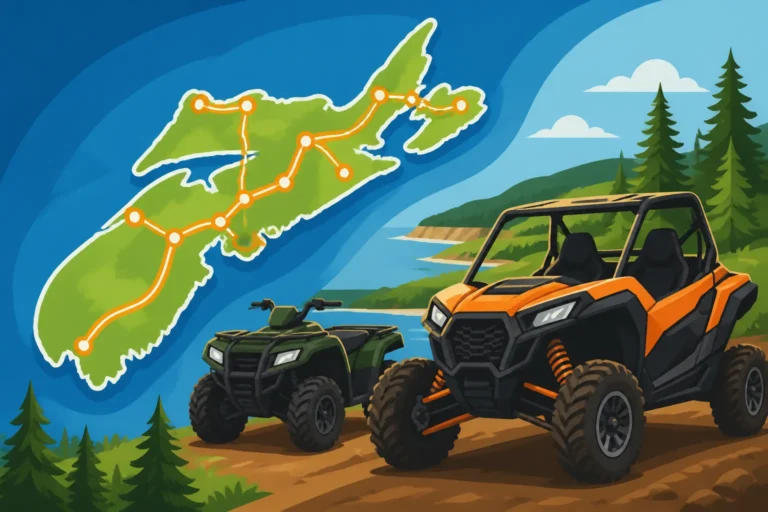
For many off-roaders in Nova Scotia, the primary legal riding opportunity lies within the extensive trail network managed and maintained by the ATV Association of Nova Scotia (ATVANS) and its numerous member clubs. This network, often utilizing old rail beds, forestry roads, and dedicated corridors, spans thousands of kilometres across the province. These trails are specifically designed and managed for OHV use, providing safe, challenging, and scenic routes for riders of all skill levels. Becoming a member of ATVANS and purchasing a trail permit is the key to unlocking this incredible resource. You can find more information here: [Nova Scotia ATV Trails: The ATVANS Network].
Riding on ATVANS-sanctioned trails means you're contributing directly to the maintenance, signage, and development of these corridors, ensuring they remain open and enjoyable for everyone. These trails take you through diverse landscapes, from dense forests to rolling hills and along picturesque rivers, offering a true sense of adventure without the ecological cost or legal risk of beach riding. Many clubs organize group rides, poker runs, and volunteer maintenance days, offering a fantastic way to connect with other riders and explore new areas responsibly. Remember, a legal trail permit is not just a fee; it's an investment in the future of off-roading in Nova Scotia.
Designated Road Trails and Shared-Use Paths
In addition to the dedicated OHV trails, Nova Scotia has implemented a progressive system of "road trails" that allow ATVs and UTVs to legally operate on certain sections of public roads. These road trails are carefully selected municipal and provincial roads, often connecting trail systems or providing access to services like fuel and food. They are typically marked with specific signage and come with strict rules regarding speed limits (often 25 km/h), helmet use, and yielding to other traffic. Understanding these specific regulations is vital for legal use. A good place to start would be [Nova Scotia Road Trails Act Explained].
These road trails offer a fantastic way to extend your riding range and explore different communities. They are not meant for high-speed cruising but rather for safe, responsible transit between designated trail sections. It's crucial to be aware that not all roads are road trails, and riding on undesignated public roads is still illegal. Always check the official provincial "Roads to Resources" map or consult local municipal bylaws to confirm permitted road trail sections. While these paths won't get you onto the beach, they do provide a unique opportunity to see more of Nova Scotia's inland beauty and connect various riding areas, making for much longer and more diverse rides.
Private Land Riding with Permission
Another viable and legal option for off-roading in Nova Scotia is riding on private land, provided you have explicit permission from the landowner. Many farmers, woodlot owners, or other private property holders may allow OHV use on their land, especially if you have a good relationship with them. This can offer unique riding experiences, from challenging farm tracks to scenic woodland trails. However, "permission" means direct, personal consent, not just assuming it's okay because a gate is open or because you've ridden there before without being caught. Always ask first, and get clear boundaries for where you can ride.
Riding on private land without permission constitutes trespass, which is a legal offense with potential fines and strained landowner relations. Landowners have the right to revoke permission at any time, and their decisions must be respected. It's also critical to remember that even on private land, certain provincial regulations regarding OHV operation, such as helmet laws and safe operating practices, still apply. If you're fortunate enough to gain private land access, treat the property with the utmost respect, leave no trace, and ensure you understand and adhere to all local and provincial regulations. This approach fosters good relationships and ensures continued access for responsible riders. For more details on this, consider [Nova Scotia Trespass Law for Riders].
Responsible Riding Beyond the Bans
Understanding where you can't ride is only one part of being a responsible off-highway vehicle owner in Nova Scotia. The other, equally important part, is embracing a mindset of respect for the environment, other users, and the law wherever you choose to ride. Responsible riding goes beyond simply avoiding illegal areas; it's about actively contributing to the sustainability of the sport and fostering positive relationships within communities. This approach ensures that future generations can also enjoy the thrill of off-roading in this beautiful province.
Planning Your Route Carefully
Before every ride, especially when exploring new areas, meticulous route planning is paramount. Don't just head out hoping for the best. Utilize official maps from ATVANS, provincial government resources that identify road trails, and topographical maps to clearly identify legal corridors and sensitive areas to avoid. Look for designated trailheads and parking areas. If your planned route takes you near coastal zones, double-check that you're staying well clear of beaches and dunes. This proactive approach prevents accidental trespass or unintentional entry into prohibited areas.
Consider the time of year and weather conditions when planning. Spring thaws can make certain trails impassable or extremely muddy, leading to environmental damage if riders try to go around obstacles, widening trails unnecessarily. Similarly, during dry periods, fire restrictions might be in place, impacting where and when you can ride. Planning also involves ensuring your machine is in good working order, perhaps checking your SuperATV accessories like winches or skid plates are secure, and that you have all necessary safety gear, supplies, and emergency equipment. A well-planned ride is a safe and legal ride, minimizing risks to yourself, others, and the environment.
Supporting Conservation Efforts
Responsible riders recognize that their passion for off-roading intersects with the need for environmental conservation. Instead of viewing environmental regulations as an obstacle, embrace them as a necessary component of sustainable recreation. This means actively supporting conservation efforts, even if they sometimes restrict access to certain areas. Join local ATV clubs and participate in their volunteer days, which often involve trail maintenance, clean-ups, and even some [Nova Scotia Club Trail Maintenance] projects that benefit the wider natural landscape. These activities directly contribute to the health of the trails and the surrounding environment.
Consider becoming an advocate for responsible riding. Educate new riders about the importance of staying on marked trails, respecting private property, and protecting sensitive ecosystems like beaches and dunes. Support organizations that work to balance recreational access with conservation, demonstrating that OHV enthusiasts are indeed stewards of the land, not destroyers. Your actions, both on and off the trail, speak volumes about the riding community as a whole. By showing a genuine commitment to environmental protection, you help build trust and support for the sport of off-roading in Nova Scotia.
Community Engagement and Education
Building strong relationships with local communities and educating the public about responsible OHV use is essential for the long-term health of the sport. Engage respectfully with residents, landowners, and other trail users (hikers, cyclists) you encounter. Be mindful of noise levels, especially when passing through residential areas, and always yield the right-of-way to other users on multi-use trails. Your courteous behavior can help dispel negative stereotypes and foster a more welcoming environment for off-roading.
Participate in local events, support businesses along trail systems, and be a positive ambassador for ATV and UTV riding. Share your knowledge about legal riding areas, safety protocols, and the importance of environmental responsibility. By actively engaging with communities and taking a leadership role in educating others, you contribute to a positive perception of OHV recreation. This collective effort ensures that Nova Scotia's trails remain open and accessible, allowing everyone to enjoy the province's incredible natural beauty responsibly and respectfully for years to come.
Advocacy and the Future of Coastal Access
While the current regulations are clear regarding beach and dune bans, the landscape of off-highway vehicle use is always evolving. For those passionate about OHV access, understanding how to advocate responsibly and work within existing frameworks is crucial for any potential future discussions about coastal zones, or any other riding opportunities. This isn't about challenging established bans but about intelligent, long-term engagement.
Working with OHV Associations
The most effective way to advocate for OHV interests in Nova Scotia is by joining and actively participating in organizations like the ATV Association of Nova Scotia (ATVANS). These associations are the recognized voice of the riding community, engaging directly with government bodies, landowners, and other stakeholders. They work tirelessly to secure and maintain legal trail access, promote responsible riding practices, and represent the interests of their members. By uniting under a common banner, riders have a much stronger voice than they would as individuals.
ATVANS and its member clubs don't just maintain trails; they also engage in ongoing dialogue about policy, land use, and the future of off-roading. They provide a structured channel for communication with provincial authorities and offer opportunities for members to contribute their input on various issues. If there were ever to be a discussion about limited, controlled access to specific coastal areas (which would be extremely rare and under very strict conditions), it would undoubtedly come through the organized efforts of such associations. So, if you want your voice heard, get involved, learn the issues, and support the collective effort.
Understanding the Legislative Process
Any changes to environmental protection laws or OHV access regulations in Nova Scotia would involve a complex and often lengthy legislative process. This typically includes public consultations, scientific assessments, stakeholder input, and political decisions. Simply demanding access to prohibited areas without a robust, scientifically-backed proposal and broad community support is unlikely to yield results. Instead, understanding how laws are made and identifying legitimate avenues for input is key.
This means staying informed about proposed legislation, participating in public feedback opportunities (when available), and providing well-reasoned arguments based on facts and data. For example, rather than pushing for beach access, advocates might focus on demonstrating the economic benefits of trail tourism in other areas, or the success of existing [Nova Scotia Road Trails: Where You Can Ride] initiatives. The process requires patience, strategic thinking, and a commitment to working within established systems, not against them. It's about building bridges, not burning them.
Long-Term Vision for Multi-Use Trails
Looking to the future, the focus for OHV enthusiasts in Nova Scotia should remain on expanding and enhancing the network of legal, multi-use trails. This could involve identifying new corridors, upgrading existing ones, and exploring opportunities for more seamless connections between communities and attractions. The emphasis should be on creating high-quality, sustainable riding experiences that respect environmental sensitivities and coexist harmoniously with other recreational activities.
While the allure of the coast is strong, the most realistic and beneficial long-term vision involves advocating for more access to inland forests, abandoned rail lines, and designated wilderness areas that can sustain OHV traffic without significant ecological harm. By investing energy in these areas, the riding community can secure a robust and diverse future for off-roading in Nova Scotia, ensuring that the sport can thrive responsibly and legally for generations to come, without having to dream of prohibited beach rides.
Nova Scotia Beach and Dune Riding: Prohibited vs. Permitted Areas
Here's a quick summary to clarify where you absolutely cannot take your OHV and where you can legally ride in Nova Scotia.
| Feature / Area Type | OHV Riding Permitted? | Key Considerations |
|---|---|---|
| Beaches (sand, gravel) | No | Strict provincial ban due to environmental protection and erosion control. Includes intertidal zone. |
| Sand Dunes | No | Strictly prohibited. Extremely fragile ecosystems, vital for coastal stability and wildlife habitat. |
| Coastal Bogs/Wetlands | No | Prohibited. Highly sensitive, protected under environmental legislation. |
| Provincial Parks | No | Generally prohibited unless specifically designated for OHV access (extremely rare). |
| Wildlife Management Areas | No | Generally prohibited. Designated for wildlife protection and often sensitive habitats. |
| ATVANS Designated Trails | Yes | Legal and encouraged with a valid ATVANS trail permit. Maintained by clubs. |
| Designated Road Trails | Yes | Legal on specific, marked public road sections. Strict speed limits and rules apply. |
| Private Land | Yes | Only with explicit, verifiable permission from the landowner. Respect boundaries and landowner wishes. |
| Crown Land | Sometimes | Limited access. Requires adherence to specific Crown Land Use Regulations, often restricted by environmental concerns. Check with DNRR. |
| Forestry Roads | Sometimes | Many are part of ATVANS trails or subject to public access, but some are private or restricted. Always confirm access. |
Remember, always check local regulations and trail conditions before heading out, and when in doubt, choose a known, legal trail.
Disclaimer
This article is for general informational purposes only and does not constitute professional advice. Laws, prices and regulations vary by location and change over time. Consult a qualified professional for guidance on your specific situation.