Eye Protection Under Sixteen
There’s nothing quite like the feeling of hitting the trails in Nova Scotia, the fresh air, the beautiful scenery, and the camaraderie of a group ride. But when you’re out there with younger riders, especially those under the age of sixteen, a whole different set of considerations comes into play. It's not just about teaching them how to handle their machine, but about ensuring every single piece of safety gear is up to snuff. One area that often gets overlooked, or perhaps just seen as a simple "get a pair of goggles," is eye protection. The reality is, keeping young eyes safe from dust, debris, branches, and even the sun’s glare is critical, and Nova Scotia has specific expectations that every parent and guardian needs to understand. This guide aims to clear up any confusion and help you make the best, safest choices for your younger riding companions.
The Imperative of Eye Protection for Young Riders
Imagine cruising along a beautiful Nova Scotia trail, perhaps in the Annapolis Valley, and suddenly a branch whips out, or the machine in front kicks up a shower of gravel. For an adult with good reflexes, it might just be a startled blink. For a younger rider, who might not have the same reaction time or depth perception, that moment can turn into a serious injury without proper eye protection. It’s not just about preventing a scraped lens; it’s about safeguarding their vision for life.
Think about the environment: dusty gravel roads, mud splattering after a rain shower, low-hanging branches on wooded trails, insects, and the sheer speed at which debris can travel. Without adequate eye protection, a day of fun can quickly become a trip to the emergency room. A simple scratch on the cornea can be incredibly painful and potentially lead to long-term vision issues if not treated correctly. Beyond the physical impact, an eye injury can understandably shake a child’s confidence, potentially making them hesitant to enjoy the activity again. It's a stark reminder that safety gear isn't just about compliance; it's about preserving joy and preventing trauma. This is precisely why Nova Scotia takes such a clear stance on protective gear for its youngest off-highway vehicle (OHV) enthusiasts.
Nova Scotia's Specific Rules for Under-16 Eye Protection
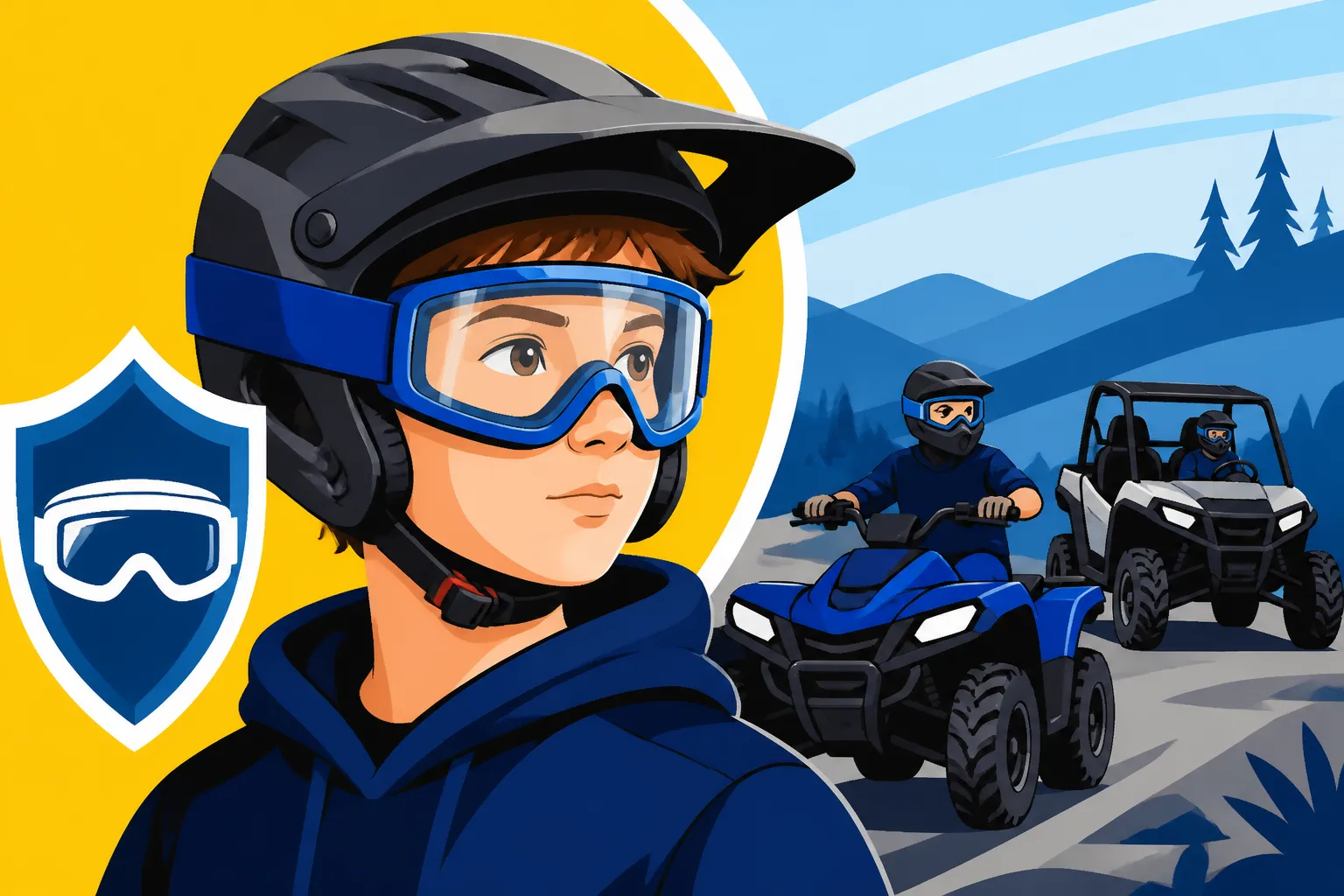
When it comes to youth riders in Nova Scotia, the rules are not ambiguous. The province is quite clear: if you're under the age of sixteen and operating or riding as a passenger on an off-highway vehicle, you must wear eye protection. This isn't a suggestion; it's a mandatory requirement designed to keep young people safe. This rule often goes hand-in-hand with helmet requirements, emphasizing a layered approach to head and face protection. You can learn more about related gear rules in [Nova Scotia Gear Rules for Riders Under 16].
What does "eye protection" specifically mean in this context? It generally refers to goggles or a full-face helmet with an integrated visor. Standard eyeglasses or sunglasses, while better than nothing, typically do not offer the comprehensive protection needed for OHV riding. They can easily fall off, shatter on impact, or simply not provide enough coverage from flying debris. The key is that the eye protection must be securely worn and effectively shield the eyes from all angles, especially in environments where dust and projectiles are common. Nova Scotia's officers performing [Nova Scotia Equipment Checks by Officers] on the trail are trained to look for these details. While the rules don't typically specify brands, the expectation is that the gear is fit for purpose and provides genuine safety.
Understanding the "Why" Behind the Rule
It might seem like just another regulation, but the requirement for eye protection for riders under sixteen is rooted deeply in injury prevention statistics and child development understanding. Children, by nature, are often less aware of their surroundings, have slower reaction times, and might not anticipate hazards as quickly as an experienced adult. Their field of vision might also differ.
Consider a child riding on a winding trail near Pictou or Port Hood. Their attention might be on the path immediately ahead, rather than the low-hanging branch off to the side or the sudden gust of wind that kicks up a cloud of dust. Without proper goggles or a visor, their eyes are completely exposed. Furthermore, children's eyes are still developing and can be more susceptible to certain types of damage, including UV radiation from prolonged sun exposure, which quality eye protection also helps mitigate. The Nova Scotia government, through these regulations, aims to create a riding environment where parents and guardians can feel confident that they are equipping their children with the best possible chance of avoiding preventable injuries. This commitment to safety is a cornerstone of the province’s approach to OHV recreation, ensuring that the thrills of the trail don't come at the cost of safety. [Nova Scotia Helmet Law for Riders] reinforces this comprehensive safety approach.
Types of Eye Protection: Goggles vs. Integrated Visors
When you're outfitting a young rider, the primary choice for eye protection boils down to two main categories: riding goggles or a full-face helmet with an integrated visor. Both have their merits, and the best choice often depends on the specific type of riding, personal preference, and the fit with other gear.
Riding Goggles:
Goggles are a very popular choice for off-highway vehicle riding, and for good reason. They are designed specifically for the rugged demands of the trail.
- Pros:
- Excellent Seal: High-quality riding goggles create a tight seal around the eyes, preventing dust, mud, and small debris from getting in. This is crucial when you're following another machine or riding on particularly dry, dusty tracks.
- Ventilation: Many goggles are designed with ventilation systems to minimize fogging, a common issue when exertion levels are high or temperatures fluctuate.
- Interchangeable Lenses: Often, goggles come with or can be fitted with interchangeable lenses, allowing you to switch between clear, tinted, or amber lenses depending on light conditions. Clear for cloudy days or night riding, tinted for bright sun, and amber for enhanced contrast in low light.
- Durability: Made to withstand impacts, the lenses are typically shatter-resistant polycarbonate.
- Comfort with Helmets: They fit snugly into the eyeport of most open-face or motocross-style helmets, providing a secure fit.
- Cons:
- Separate Piece of Gear: You have to remember to put them on and take them off separately from the helmet, which can be overlooked by younger riders.
- Potential for Gaps: If not properly fitted with the helmet, there can be small gaps where dust or wind can sneak in, though this is rare with well-matched gear.
When selecting goggles, look for features like anti-fog coatings, tear-off or roll-off systems (especially useful in muddy conditions), and a wide field of vision. Brands that specialize in off-road gear, like SuperATV, often have robust options designed for performance and safety.
Full-Face Helmets with Integrated Visors:
These helmets offer a "one-and-done" solution where eye protection is built right into the helmet itself.
- Pros:
- Convenience: The visor is always there, eliminating the need for separate goggles. This is especially handy for younger riders who might forget or misplace their goggles.
- Seamless Protection: The visor offers a continuous barrier from the forehead down to the chin, providing full-face protection against wind, rain, and debris.
- Aerodynamics: Designed as a single unit, they can sometimes offer better aerodynamics than a helmet-and-goggle combination.
- Less Fogging (sometimes): Many visors have anti-fog treatments and can be cracked open slightly for ventilation, though heavy breathing can still cause fogging in certain conditions.
- Cons:
- More Restricted Airflow (can be): While ventilation systems exist, some riders find them warmer than motocross helmets with goggles, especially on hot Nova Scotia summer days.
- Fixed Lens Type: While some visors can be swapped, it's often more involved than changing goggle lenses, meaning you might be stuck with a single tint level unless you invest in multiple visors.
- Scratches: A scratched visor means replacing the whole piece, which can be more costly than replacing goggle lenses.
For younger riders, the convenience of an integrated visor can be a huge benefit, as it reduces the chances of them forgetting or losing their eye protection. However, ensure the visor offers sufficient impact resistance and optical clarity. Regardless of choice, the key is to ensure the protection fits well, is comfortable, and meets accepted safety standards. The [Nova Scotia Helmet Standards Accepted] guide can offer more insights into general head protection requirements.
Fitting Eye Protection for Comfort and Safety
Getting the right fit for eye protection is just as important as choosing the right type. An ill-fitting pair of goggles or a poorly adjusted helmet visor can be uncomfortable, distracting, and ultimately, less effective in a real-world scenario. For younger riders, who are still growing and often fidgety, this becomes even more crucial.
Goggles:
When fitting goggles, pay attention to the following:
- Helmet Compatibility: The goggles should fit snugly within the eyeport of your child's helmet without creating pressure points or gaps. If they are wearing an open-face or motocross helmet, ensure the goggle strap sits securely around the helmet, not sliding up or down.
- Facial Seal: The foam padding around the goggle frame should create a good seal against your child's face, blocking out dust and wind. It shouldn't pinch or leave excessive gaps, especially around the nose and temples.
- Strap Adjustment: The strap should be adjustable to provide a secure, yet comfortable, fit. It shouldn't be so tight that it causes discomfort or pulls the helmet out of position, nor so loose that the goggles can shift or fall off.
- Field of Vision: Ensure the goggles offer a wide, unobstructed field of vision. Peripheral vision is incredibly important for trail riding, allowing the rider to spot hazards and other riders.
- Comfort: Have your child wear the goggles for a few minutes with their helmet on. Ask them if there are any pressure points, discomfort, or if their vision feels distorted.
Integrated Visors:
For helmets with integrated visors, fitting is tied directly to the helmet fit:
- Helmet Fit First: The helmet itself must fit properly – snug but not painful, with no excessive movement. The visor is an extension of that.
- Clear Visor: Ensure the visor is free from scratches or defects that could impair vision.
- Smooth Operation: The visor mechanism should operate smoothly, allowing your child to easily open and close it if needed, without it rattling or sticking.
- Optical Clarity: Check that the visor offers clear, undistorted vision. Any distortion can be disorienting and dangerous.
Remember, children grow quickly, so what fits well this season might not next. Regularly check the fit of all their gear, including eye protection. Investing in quality gear, perhaps from manufacturers like SuperATV, ensures that your protective equipment can stand up to the challenge of growing kids and adventurous riding. It's a key part of the comprehensive safety approach outlined in [What a Rider Under 16 Must Wear].
Advanced Eye Safety Tips and Best Practices
While meeting Nova Scotia's basic eye protection requirements is crucial, there are always additional steps you can take to enhance safety and ensure a more comfortable riding experience for your young ones. These tips go beyond the bare minimum and reflect a proactive approach to protecting those precious eyes.
1. Always Wear Eye Protection – No Exceptions
This might seem obvious, but it's worth reiterating. Even for short rides, or "just down the driveway," insist on proper eye protection. It only takes a split second for a pebble to fly up or a twig to snap back. Teach your child that eye protection is as non-negotiable as their helmet. Consistency is key in forming good safety habits.
2. Consider Photochromatic Lenses or Easily Swappable Options
Nova Scotia weather can change rapidly. A bright, sunny morning can quickly turn into an overcast, misty afternoon, especially in coastal areas or when riding through varied terrain like the [Celtic Shores Coastal Trail in Nova Scotia]. Having eye protection that adapts to light changes, like photochromatic lenses that darken in sunlight and lighten in shade, or goggles with easily swappable tinted and clear lenses, can greatly improve visibility and reduce eye strain. This flexibility means your child will always have optimal vision, regardless of conditions.
3. Keep Lenses Clean and Scratch-Free
A scratched or dirty lens not only impairs vision but can also cause glare and distraction. Regularly clean goggles and visors with a soft cloth and a gentle, non-abrasive cleaner (often specifically designed for optical plastics). Teach your child the importance of caring for their gear, perhaps by showing them how to clean their goggles after each ride. Replace lenses or visors if they become excessively scratched or damaged, as a compromised lens offers compromised protection.
4. Anti-Fog Solutions
Fogging can be a major issue, especially in cooler, humid conditions or during strenuous activity. Look for goggles with good ventilation or visors with anti-fog coatings. You can also purchase anti-fog sprays or inserts that help keep vision clear. Clear vision is paramount for safety, allowing your child to react quickly to obstacles and changes in the trail. This also reduces the temptation for a child to lift their goggles or visor, exposing their eyes.
5. Proper Storage of Eye Protection
When not in use, goggles should be stored in a protective bag (often included when purchased) to prevent scratches. Helmets should be stored in a way that protects the visor from impact or abrasion. This simple habit extends the life of the gear and ensures it's in top condition for the next ride. This is part of the larger picture of teaching responsible OHV ownership and care, which also includes understanding rules like [Nova Scotia Youth Supervision Rules].
6. Lead by Example
The most effective way to instill good safety habits in young riders is to model them yourself. Always wear your own eye protection, along with your helmet and other gear, every single time you ride. Children are great observers and are more likely to adopt habits they see their role models practicing. Discuss why you wear your gear and the importance of each piece. This shared commitment to safety reinforces the message and makes it a natural part of the riding experience in Nova Scotia, whether you're taking them on a simple excursion or a more challenging trip on [Nova Scotia Riding With Kids on the Trail].
By combining Nova Scotia’s mandatory requirements with these advanced safety practices, you create a robust protective environment for your young riders. This focus on comprehensive safety ensures that their time on the off-highway vehicle is not only fun and exciting but also as safe as possible.
Summary of Youth Eye Protection Requirements
To ensure clarity and reinforce the key takeaways, here's a quick overview of what parents and guardians in Nova Scotia need to know about eye protection for riders under sixteen:
| Aspect | Requirement / Recommendation | Details |
|---|---|---|
| Mandatory Requirement | Yes, for all riders and passengers under 16. | This is a legal requirement in Nova Scotia. |
| Acceptable Types | Riding goggles or a full-face helmet with an integrated visor. | Standard eyeglasses or sunglasses are generally not considered sufficient as primary eye protection due to lack of full coverage and impact resistance. |
| Fit and Comfort | Must be snug, secure, and comfortable. | Poorly fitting gear can impair vision, cause discomfort, and reduce effectiveness. Regularly check fit as children grow. |
| Material | Lenses should be shatter-resistant (e.g., polycarbonate). | Ensures protection against impacts from debris, branches, etc. |
| Visibility | Must offer clear, unobstructed, and undistorted vision. | Anti-fog coatings, good ventilation, and keeping lenses clean are essential for maintaining clear vision in varied conditions (e.g., dust, mud, rain, fog). |
| Additional Protection | Consider UV protection, interchangeable/photochromatic lenses. | Protects against sun damage and adapts to changing light conditions on trails. |
| Maintenance | Keep lenses clean and scratch-free; replace when damaged. | Damaged or dirty lenses compromise safety. Store goggles in a protective bag when not in use. |
| Related Safety Gear | Always worn in conjunction with an approved helmet. | Eye protection is one component of a complete head protection system, as detailed in [Nova Scotia Gear Rules for Riders Under 16]. |
| Enforcement | Subject to inspection by Nova Scotia law enforcement. | Officers conducting [Nova Scotia Equipment Checks by Officers] will ensure compliance with this and other safety regulations for youth riders. |
Ensuring that every young rider has the correct, well-fitting, and properly maintained eye protection is a testament to our commitment to their safety and enjoyment of the sport. It allows them to focus on the trail, build their skills, and create lasting memories without the fear of preventable injury. This is a small but incredibly significant investment in their riding future, a future full of safe and exhilarating adventures across the stunning landscapes of Nova Scotia.
Disclaimer
This article is for general informational purposes only and does not constitute professional advice. Laws, prices and regulations vary by location and change over time. Consult a qualified professional for guidance on your specific situation.