260 Kilometres Connected by the Pilot
There’s nothing quite like hitting the trails in Nova Scotia, but for years, one of the biggest headaches for off-highway vehicle (OHV) enthusiasts has been the frustrating gaps in our trail networks. You’d be enjoying a beautiful ride, only to hit a paved road and have to load up your machine, trailer it down the highway, and unload again just to get to the next section. It broke up the flow, added extra work, and honestly, sometimes it made you question if it was even worth the effort. This guide is all about one of the most exciting developments to tackle that very problem: the Nova Scotia Road Trail Pilot project, and how its initial phase connected a groundbreaking 260 kilometres, changing how we ride forever.
Understanding Nova Scotia's Road Trail Pilot Project
For the longest time, the idea of legally riding your ATV or side-by-side on any paved road in Nova Scotia felt like a pipe dream. The rules were clear: off-highway vehicles stayed off the highway, for safety and regulatory reasons. But as our vibrant OHV community grew, so did the demand for better connectivity between our incredible trail systems. We have thousands of kilometres of trails, but they often ended abruptly at municipal boundaries or highways, creating frustrating dead ends.
What is the Road Trail Pilot and Why It Matters
The Nova Scotia Road Trail Pilot project was born out of this very frustration. It’s essentially an initiative to designate specific, low-speed municipal roads and shoulders as legal connectors for OHVs. The provincial government, in partnership with local municipalities and groups like ATVANS, recognized that allowing controlled, legal access on certain roads could bridge these gaps, transforming disconnected segments into expansive, continuous riding experiences. It wasn’t about turning every road into an ATV highway, but rather strategically identifying routes that would enhance safety by getting riders off illegal shoulders and giving them designated, regulated paths. This project really matters because it acknowledges the recreational and economic value of OHV riding in Nova Scotia, opening up new possibilities for tourism and local businesses alike. The pilot kicked off with specific communities and trails, serving as a real-world test to see how riders and communities adapted to these new shared spaces.
The Initial 260 Kilometres of Connectivity
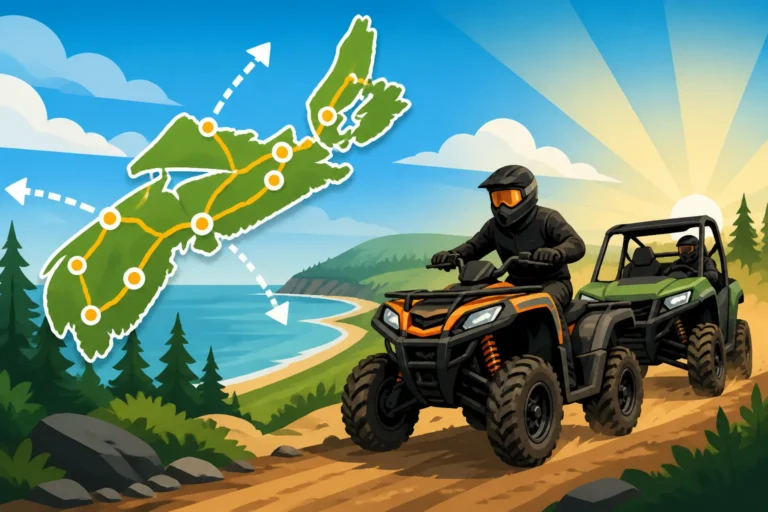
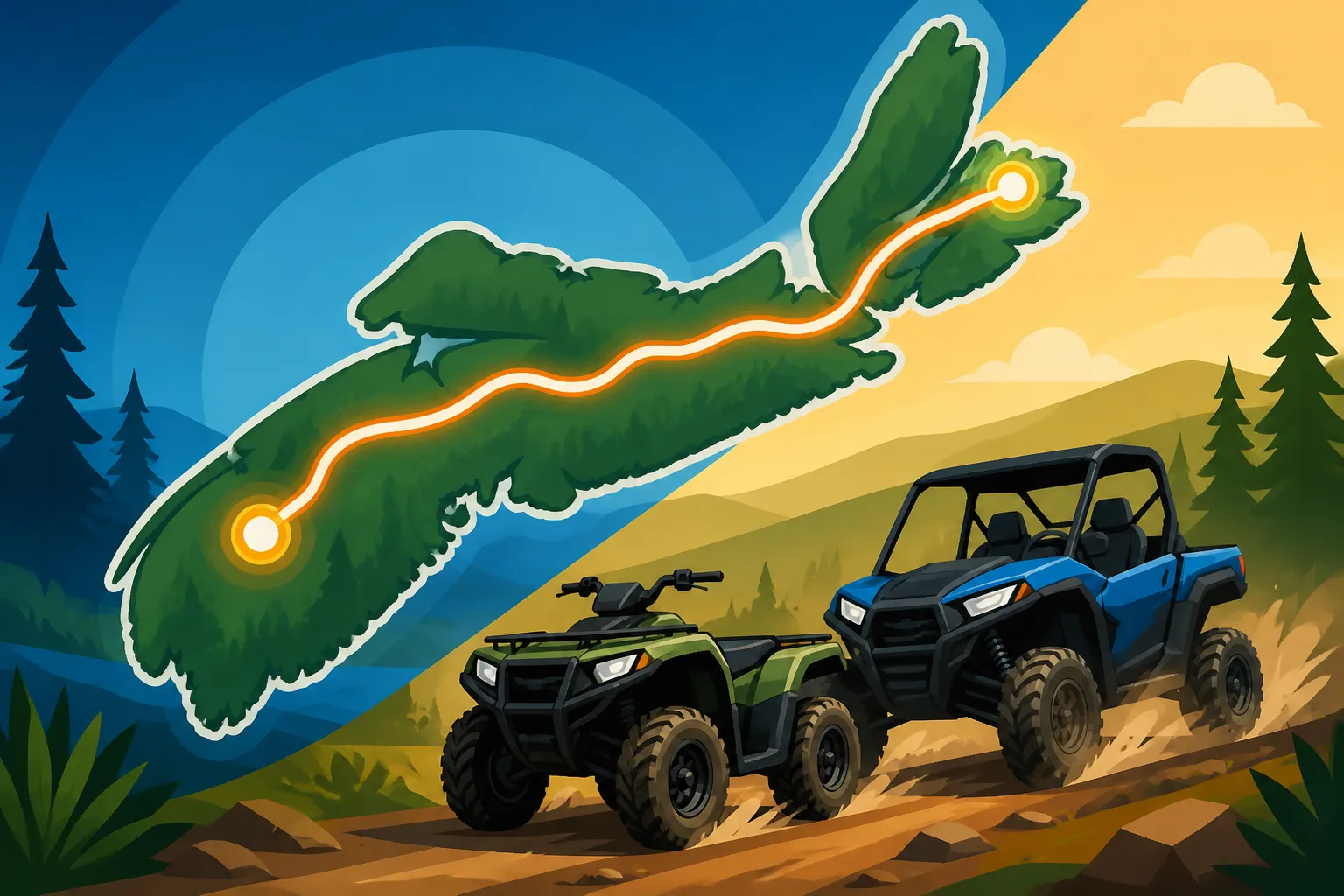
When we talk about "260 kilometres connected by the pilot," it’s easy to misunderstand what that actually means. It's not 260 new kilometres of dedicated ATV trails carved through the wilderness. Instead, it refers to 260 kilometres of existing municipal roads and shoulders that were officially designated as legal connectors. Think of it like a puzzle: we had all these fantastic trail pieces, but no way to link them up. The pilot provided those crucial connecting pieces.
This initial phase targeted communities where trail systems were close but disjointed, allowing riders to seamlessly move from a wooded trail to a short stretch of road, perhaps to grab gas or a bite to eat, and then hop back onto another trail system. Imagine riding from one town to the next without the hassle of loading and unloading! This connectivity has been a huge boost for riders, making day trips and even multi-day excursions much more practical and enjoyable. It also meant a better experience for many who might previously have taken an unauthorized route out of necessity, now having a legal and safer option. Communities like Sherbrooke, Pictou, and specific areas in Guysborough and Cumberland Counties were among the first to participate, offering a glimpse into the future of OHV riding in the province.
Navigating the Rules for Nova Scotia's Road Trails
With these new opportunities come important responsibilities. Riding on a designated road trail isn't like riding on a private woodlot; you're sharing the space with other vehicles, pedestrians, and residents. It's crucial to understand and adhere to the specific rules laid out for these connectors to ensure everyone's safety and to maintain the positive reputation of our riding community. Ignoring these rules could jeopardize the future of the program for all of us.
Essential Requirements Before You Ride a Road Trail
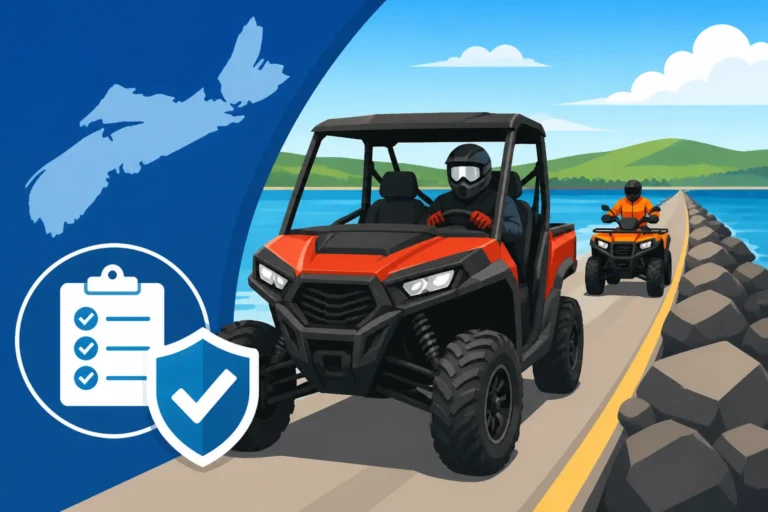
Before you even think about putting a wheel on a road trail, there are several non-negotiable requirements you need to meet. First and foremost, your machine absolutely must be registered and insured. This isn't just a recommendation; it's a legal necessity. You can't just throw caution to the wind and assume it's fine. The province is very clear: [Nova Scotia Requires Registration and Insurance] for any OHV operating on these designated road trails. This includes having proper liability coverage, typically [Nova Scotia's $500,000 Liability Minimum], to protect yourself and others in case of an incident. Always carry your proof of insurance (your pink card) and registration documents with you, as an officer can and will ask to see them.
Beyond your machine's paperwork, you, as the operator, also have important requirements. You must hold a valid, full driver's licence. Learner's permits simply won't cut it on these shared roads. It's a key safety measure to ensure that operators have a foundational understanding of road rules and defensive driving. If you're wondering, [Do You Need a Licence for an ATV in Nova Scotia?], the answer for road trails is a resounding yes, and it needs to be a full licence. Furthermore, your machine needs to be in good working order, especially when it comes to lighting and exhaust. [Nova Scotia Lighting Requirements] dictate that you must have a working headlight and tail light, clearly visible, especially if you plan to ride anywhere near dusk or dawn. And remember, loud exhaust is a common complaint, so keep your machine's noise levels within factory specifications. Modified exhausts are a surefire way to draw unwanted attention and potentially face fines. For those looking to upgrade parts or add accessories to make their machine more suitable for these varied terrains and safety requirements, companies like SuperATV offer a range of products from sturdy windshields to robust mirrors, which can enhance both your machine's functionality and its road-worthiness.
On-Trail Conduct and Safety Guidelines
Once you’re out on a designated road trail, how you behave is just as important as meeting the pre-ride requirements. The overarching principle is one of shared responsibility and respect. The speed limit on these designated road trail sections is strictly 25 km/h. This isn't a suggestion; it’s the law. Many of these roads pass through residential areas or are narrow, so keeping your speed in check is vital for everyone's safety. Always ride single file, never side-by-side, even if the road appears wide enough. This helps with visibility and allows other vehicles to pass safely.
Yielding to all other traffic is also paramount. Whether it's a car, a bicycle, or a pedestrian, they have the right-of-way. These are roads, not exclusive ATV trails. When it comes to timing, pay close attention to the operating hours. Generally, OHVs are permitted from [Half an Hour Before Sunrise] to [Half an Hour After Dusk] on these road trail segments. Night riding is typically prohibited, so plan your routes accordingly to avoid getting caught out after dark.
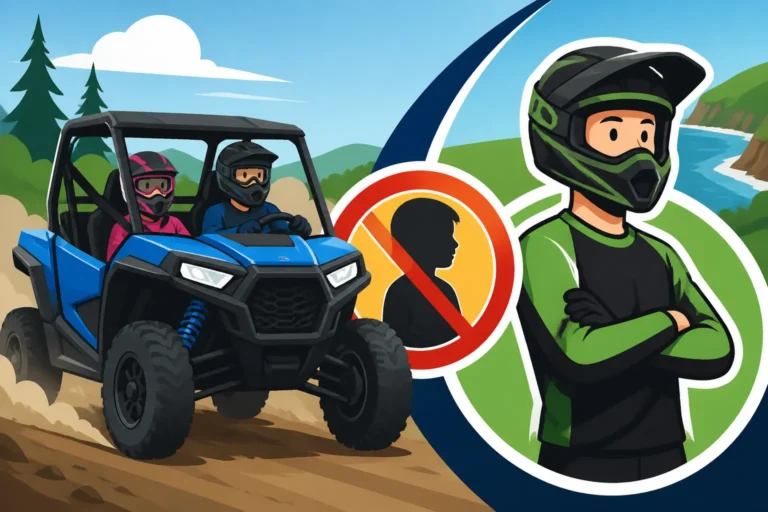
Helmet use is mandatory for all riders and passengers. [Nova Scotia ATV Helmet Law] specifies that your helmet must meet approved safety standards (like DOT or CSA) to be legal. And speaking of passengers, there are strict age rules: [Nova Scotia Passengers Must Be 9 or Older] to ride as a passenger on an OHV, provided the machine is designed for two riders. Never carry more passengers than your machine is designed for, and ensure all passengers are wearing appropriate safety gear. By following these guidelines, we ensure that these road trails remain safe and accessible for the entire community.
The Broader Impact and Future of Road Trails
The initial 260 kilometres connected by the pilot project represented a significant step forward, but it's really just the beginning of a larger vision for OHV riding in Nova Scotia. The success of these early phases has proven the value of connecting our communities and enhancing the riding experience, leading to exciting plans for further expansion.
Connecting Communities and Expanding Access
The true magic of the Road Trail Pilot is how it weaves together the fabric of Nova Scotia's rural communities. Riders can now access small towns for gas, food, and even overnight lodging directly from the trail, without the inconvenience of trailering. This direct access means more business for local shops, restaurants, and accommodations, injecting much-needed vitality into these areas. It transforms a simple trail ride into a genuine journey, allowing riders to explore more of our beautiful province and support local economies along the way.
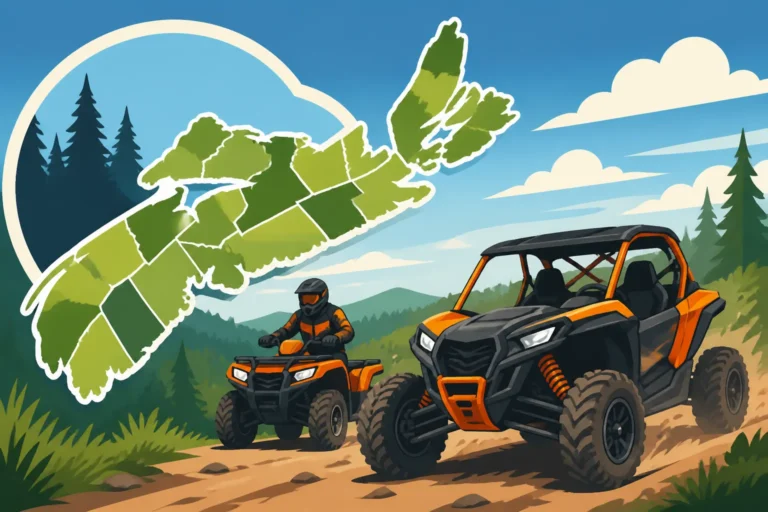
The pilot's success has paved the way for ambitious plans, with commitments to significant expansion in the coming years. We've seen announcements for [Nova Scotia's 2025 Road Trail Expansion] and [Nova Scotia's 2026 Road Trail Expansion], which promise to add even more kilometres of connectivity, linking further trail systems and communities. This ongoing expansion means that what started as a pilot program is steadily becoming an integrated part of our provincial OHV infrastructure, offering unparalleled access and convenience. It’s making it easier than ever to enjoy a full day or a weekend of riding, moving seamlessly from the rugged beauty of a woodland trail to a charming village street and back again. The [Nova Scotia Road Trails Act Explained] highlights the legal framework behind these developments, ensuring that growth is managed and beneficial to all. When thinking about longer rides across these connected trails, investing in durable accessories like those from SuperATV, such as cargo boxes or more comfortable seating options, can make all the difference for an extended trip.
Challenges, Responsibilities, and Rider Etiquette
While the road trail program brings immense benefits, it also presents challenges that require ongoing attention and responsible rider behaviour. Community acceptance is key, and that means minimizing negative impacts. Noise complaints are a common issue, emphasizing the need for riders to ensure their machines have factory-standard exhausts and to ride quietly, especially through residential areas. Dust can also be a concern, so riders should adjust their speed and behaviour to minimize disruption, particularly on unpaved road trail sections near homes.
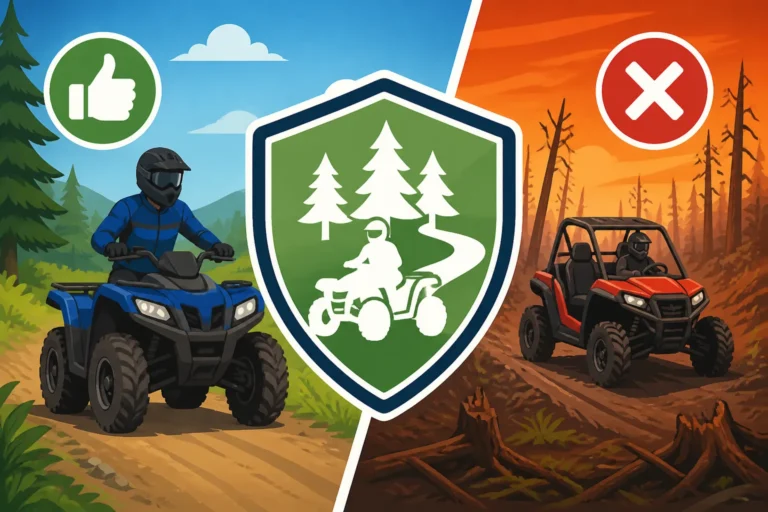
Respect for private property is absolutely non-negotiable. Stick to the marked road trail sections and never venture onto private land without explicit permission. Trespassing can quickly lead to trail closures and erode public trust in the OHV community. Environmental protection is another critical responsibility; staying on marked trails, not riding through sensitive habitats, and properly disposing of trash ensures our natural spaces remain pristine for everyone.
Law enforcement is actively monitoring these areas, and the consequences for non-compliance can be significant. If you’re caught riding an unregistered machine on a road trail, you could face [Nova Scotia Penalties for Riding Unregistered], which includes substantial fines. Similarly, operating without insurance can lead to [Nova Scotia Penalties for Riding Uninsured] and severe legal repercussions. It’s up to every rider to uphold the spirit of responsible use and ensure these road trails continue to be a positive asset for Nova Scotia. By doing so, we help ensure the long-term success and expansion of this fantastic initiative, fostering a harmonious relationship between riders, residents, and the natural environment.
Disclaimer
This article is for general informational purposes only and does not constitute professional advice. Laws, prices and regulations vary by location and change over time. Consult a qualified professional for guidance on your specific situation.