Nova Scotia Rules for Riding a Causeway
Navigating Nova Scotia's beautiful landscape on your ATV or UTV can be an incredible experience, but it also comes with a lot of questions about where exactly you can and cannot ride. One common point of confusion for many riders, myself included, revolves around causeways. These seemingly innocuous stretches of road that connect two landmasses can often feel like a natural extension of a trail, leading to uncertainty about their legality for off-highway vehicles. This guide is here to untangle the specific rules and essential considerations for safely and legally approaching, or perhaps even crossing, a causeway in Nova Scotia.
Understanding What a Causeway Is in the Eyes of the Law
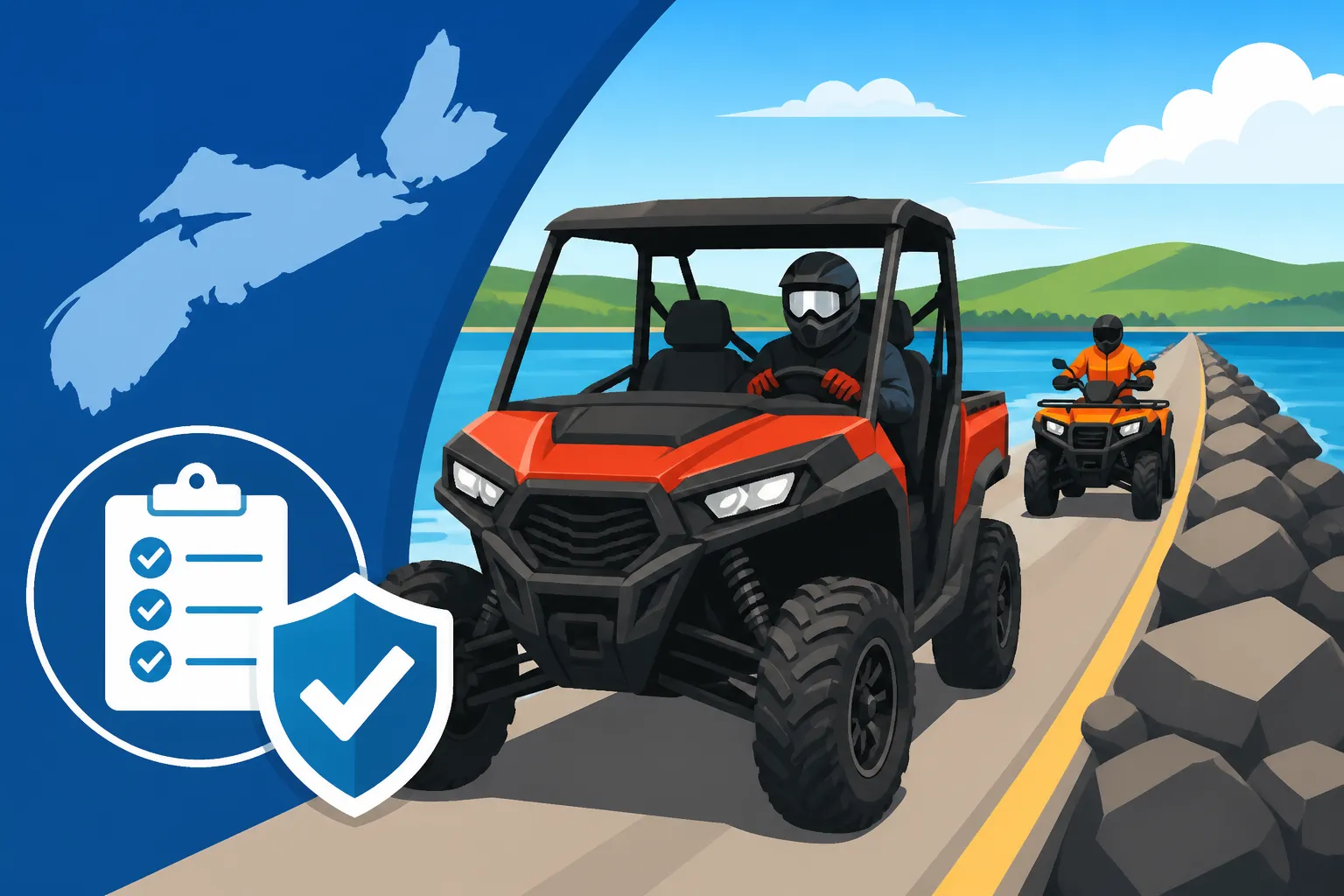
When we talk about causeways, it's easy to picture a short, elevated road segment over water or marshland, often linking smaller islands or connecting a coastal road. From a rider's perspective, it might just seem like another piece of the journey. However, the legal definition and classification of a causeway in Nova Scotia are crucial for understanding whether your off-highway vehicle (OHV) can legally traverse it.
The Legal Definition and Its Implications for OHVs
In Nova Scotia, most causeways are considered an integral part of the provincial highway or municipal road network. This means they are primarily governed by the Motor Vehicle Act, which applies to all on-road vehicles. For OHVs, this is a significant distinction because the Off-highway Vehicles Act generally restricts where these machines can operate, often keeping them off public roads unless specific exemptions or designations apply. A causeway, despite its potentially rural or isolated feel, usually carries the same legal weight as any other paved or gravel road segment.
The challenge for riders often lies in this grey area. You might be following a designated trail that seems to lead directly to a causeway, making it feel like it should be part of the permissible route. However, without explicit signage or official designation, a causeway is typically treated as a standard public road where OHVs are generally prohibited. This distinction is vital for avoiding hefty fines and ensuring your safety.
Many causeways facilitate higher-speed traffic, even if they are short, and are designed for conventional vehicles. This means they often lack shoulders or safe zones for OHV operation, making them inherently more dangerous if not officially opened for multi-use. Understanding that a causeway isn't just an "elevated trail" but rather a component of the regulated road system is the first step in responsible riding.
How Causeways Differ from Other Road Trails
Nova Scotia has been expanding its network of [Nova Scotia Road Trails: Where You Can Ride], which are designated segments of public roads where OHVs are permitted to travel under specific conditions, often at reduced speeds like [Nova Scotia's 25 km/h Road Trail Limit]. These road trails are usually clearly marked with specific signage and are explicitly listed as part of a municipality's or the province's OHV network. The key here is "designated."
Causeways, on the other hand, are rarely designated as road trails themselves. While a designated road trail might cross a causeway, the causeway itself isn't automatically a road trail simply by virtue of proximity to an OHV route. The [Nova Scotia Road Trails Act Explained] outlines the process for designating these road-sharing opportunities, and it requires careful planning and signage. If you don't see the specific road trail signs, you should assume the causeway is off-limits to your quad or side-by-side.
The physical characteristics also differ. Road trails are often chosen for their lower traffic volume, wider shoulders, or slower speed limits, making them safer for shared use. Causeways, however, are often critical infrastructure points with higher traffic flow, limited passing opportunities, and sometimes no shoulder at all. This makes them inherently more hazardous for OHVs if they haven't been specifically engineered or designated for shared use. Always check official maps and signage, and never assume that a public road, even a short causeway, is fair game just because a trail ends nearby.
Specific Rules for Riding an OHV on Nova Scotia Causeways
Given the legal complexities, it’s imperative for off-highway vehicle enthusiasts to know the exact rules regarding causeways in Nova Scotia. The general principle is quite restrictive, but there are specific scenarios and requirements you need to be aware of.
Is it Legal to Ride an ATV/UTV on Any Causeway?
The short answer is generally "no," unless that specific causeway has been explicitly designated as a "road trail" for off-highway vehicles, or is part of a clearly marked, approved OHV crossing. The default legal stance in Nova Scotia is that ATVs and UTVs are prohibited from operating on public roads, and causeways fall under this category. This might feel frustrating, especially when a causeway is the shortest path between two trail sections, but it's a critical safety and legal distinction.
Riders must assume that any causeway, regardless of how isolated or trail-like it appears, is a public road where OHVs are not permitted unless otherwise signed. This means you can't just hop on a causeway because it looks like a good shortcut or because there are trails on either side. Enforcement officers treat causeways as part of the public road network, and operating an unregistered or uninsured OHV, or operating a registered one where not permitted, can lead to significant penalties.
There are some rare exceptions where a causeway might be integrated into a larger [Nova Scotia Municipal Road Trails] network. In these instances, the causeway will be clearly marked with official OHV road trail signage, indicating that off-highway vehicles are permitted for that specific stretch. Without that explicit signage, keep your machine off the paved or gravel surface of the causeway.
The Importance of Official Designations and Signage
For OHV riders in Nova Scotia, official signage is your ultimate guide. When it comes to causeways, the absence of signage permitting OHVs should be taken as a direct prohibition. Don't rely on word-of-mouth or outdated information; always look for the current, official signs. These signs typically indicate the start and end of an OHV road trail segment and specify the conditions, such as speed limits or operating hours.
General trail access, even on extensive networks like those managed by ATVANS, does not automatically grant permission to ride on public road infrastructure like causeways. You might find that a trail leads to a causeway, but then requires you to trailer your machine, or to use a designated OHV crossing that runs parallel to, but not on, the main causeway structure. It's up to you, the rider, to confirm the legality of your route.
Always consult official resources like provincial road trail maps, municipal bylaws, or the ATVANS website for up-to-date information on designated OHV routes. Many municipalities are actively working to expand their road trail networks, and a causeway might one day be included, but until that official designation and signage are in place, it's safer and wiser to assume it's off-limits. Using navigation tools that show approved OHV trails can also be a lifesaver in these situations, helping you avoid areas where you might inadvertently break the rules.
Penalties for Unauthorized Causeway Riding
Riding an OHV on a causeway without proper authorization or designation can lead to serious consequences, often treated with the same severity as operating an OHV illegally on any other public road. Law enforcement officers actively patrol roads and can issue significant fines. For example, if your machine is not properly registered and insured, the penalties can be steep. You could face a [Nova Scotia Minimum Fine of $250] for operating an unregistered machine, with potential for higher fines depending on the circumstances.
Beyond fines, there could be impoundment of your machine, particularly if you are also found to be operating without valid insurance. [Nova Scotia Penalties for Riding Uninsured] can be substantial, as insurance is a mandatory requirement for any OHV that might operate even briefly on a public road, even for a legal crossing. These financial repercussions can quickly turn a fun day of riding into a very expensive lesson.
Furthermore, unauthorized riding contributes to a negative public perception of the OHV community. Such actions can jeopardize future efforts to expand trail networks and secure more road trail designations, making it harder for all riders to enjoy the sport responsibly. Always prioritize respecting the law, not just to avoid penalties yourself, but to contribute positively to the future of OHV riding in Nova Scotia.
Here's a quick comparison of what to expect on a designated road trail versus an undesignated causeway:
| Feature | Designated Road Trail (with OHV signage) | Undesignated Causeway (without OHV signage) |
|---|---|---|
| Legal OHV Access | Permitted under specific conditions (speed, hours, etc.) | Generally Prohibited |
| Signage | Clearly marked with OHV road trail signs | No specific OHV signage, treated as public road |
| Speed Limit (OHV) | Often [Nova Scotia's 25 km/h Road Trail Limit] | Default road speed limit (not applicable to OHV) |
| Insurance Required | Yes, [Nova Scotia Registration and Insurance] is mandatory | Yes, for any public road operation (if caught) |
| Driver's Licence Req. | Yes, [Do You Need a Licence for an ATV in Nova Scotia?] | Yes, for any public road operation (if caught) |
| Enforcement | Rules enforced, but riding is legal within guidelines | Riding is illegal, subject to fines & impoundment |
| Safety Profile | Chosen for lower risk, potential for shoulders | Higher traffic, potentially narrow, greater risk |
Safety Considerations and Best Practices When Approaching Causeways
Even in the rare instances where a causeway is part of a designated road trail, or if you're looking for a legal crossing point, safety should always be your top priority. Causeways present unique challenges that differ from typical dirt trails or even low-traffic road sections.
Prioritizing Safety and Visibility
Causeways, by their nature, are often exposed and can experience higher vehicle speeds and traffic volumes than typical trail systems. If you find yourself needing to cross a causeway (where permitted), or even if you're navigating alongside one to get to a legal crossing, maximizing your visibility is absolutely critical. This isn't just about avoiding a ticket; it's about staying alive.
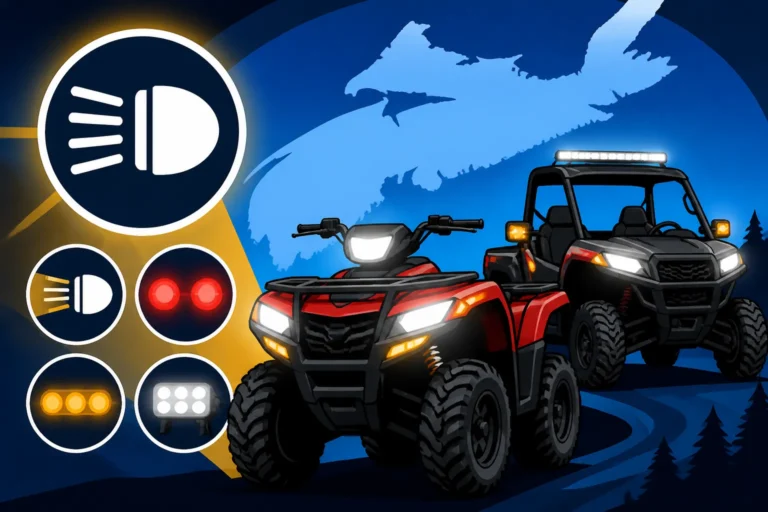
Always wear high-visibility clothing, especially bright colours. Ensure your OHV's lighting system is in perfect working order. This includes your headlight and tail lights, which are crucial for being seen by other motorists, particularly at dawn, dusk, or in foggy conditions common in coastal Nova Scotia. Products from brands like SuperATV can often enhance your machine's lighting, providing brighter and more reliable illumination, which is a smart investment for any rider planning to be near public roads. Check your [Nova Scotia Night Riding Equipment Rules] to ensure compliance with all lighting requirements.
Ride defensively, assuming that other drivers may not see you. Maintain a steady, predictable speed, and avoid sudden movements. Side-by-sides, with their wider stance, may offer a bit more stability on paved surfaces than a quad, but the principles of caution remain the same. Always ride single file and be acutely aware of your surroundings, checking mirrors frequently if your machine is equipped. Never push the limits of your machine or your own abilities in a high-traffic or high-speed environment.
Planning Your Route to Avoid or Legally Cross Causeways
The best way to stay safe and legal around causeways is to plan your route meticulously before you even hit the trails. Don't rely on simply following the person in front of you or hoping for the best. Use up-to-date trail maps and consult official provincial and municipal resources that clearly mark designated OHV road trails and crossing points. Many local clubs, part of the provincial ATVANS federation, also have detailed maps of their approved routes, which will indicate where road crossings or bypasses are required.
If a causeway is not designated for OHV use, look for alternative routes that circumvent it. This might mean taking a longer, less direct trail, or finding a designated OHV crossing point that allows you to safely and legally get to the other side without actually riding on the main causeway structure. It's far better to add a few extra kilometers to your ride than to risk a fine, a collision, or injury.
When planning for a group ride, especially something like [Nova Scotia Riding With a Group of Ten], this pre-trip planning becomes even more vital. Ensure every member of your group understands the route, including any areas where you might need to dismount and push your machines, or where you'll be trailering for a short distance to bypass a restricted area. Also, ensure your machine meets all [Nova Scotia Registration Before Your First Ride] requirements, including being properly registered and insured, for any segment that might involve a road.
Respecting the Law and Local Communities
Ultimately, following the rules regarding causeways and other road segments is about more than just avoiding a ticket. It's about being a responsible member of the OHV community and showing respect for the laws and the local communities you ride through. Every time an OHV rider ignores restrictions, it creates a negative impression that can hinder future trail development and access.
Local communities, especially those living near trails and causeways, are key stakeholders in the future of OHV riding. Noise complaints, safety concerns from unauthorized road use, and environmental damage all contribute to public opposition. By strictly adhering to legal riding areas and speed limits, especially on or near road infrastructure, you help build goodwill and demonstrate that OHV riders are responsible and considerate. This aligns with good [Nova Scotia Trail Etiquette Locals Expect].
If you're ever unsure about the legality of riding on a specific causeway or any other section of road, err on the side of caution. Reach out to the local ATV club, the provincial ATVANS association, or consult official government resources. Your proactive efforts to ride legally and safely contribute to a positive future for off-highway vehicle recreation in Nova Scotia.
Disclaimer
This article is for general informational purposes only and does not constitute professional advice. Laws, prices and regulations vary by location and change over time. Consult a qualified professional for guidance on your specific situation.