Nova Scotia Municipal Road Trails
There’s nothing quite like the feeling of hitting the trails, but for years, Nova Scotia riders have wrestled with fragmented networks and the frustration of needing to trailer their machines just to get to a different section. The good news is, Nova Scotia has been actively addressing this, and the introduction and expansion of municipal road trails are changing the game, offering direct access and connecting communities in ways we haven't seen before. This comprehensive guide is here to walk you through everything you need to know about navigating Nova Scotia’s evolving municipal road trail system, from the rules of the road to safety expectations and future developments.
Understanding Nova Scotia's Road Trail System
For a long time, the dream of seamlessly connecting off-highway vehicle (OHV) trails through towns and villages felt out of reach. Riders would often find themselves loading their machines onto trailers, driving a few kilometres, and then unloading again just to pick up another segment of trail. It was a logistical headache that hampered longer trips and made impromptu rides less appealing. But things have changed, and the concept of municipal road trails has begun to weave a new tapestry for riders across the province.
The Genesis of Road Trails: From Pilot to Expansion
The journey to municipal road trails wasn't an overnight sprint; it was a carefully considered process that began with a pilot project in 2018. This initial phase saw select communities open specific, low-traffic roads to OHV use, allowing riders to travel legally between trail sections, access services, and explore more of their local areas. It was a way to test the waters, understand the challenges, and gauge community acceptance. The success of this pilot paved the way for more significant changes.
In September 2023, the Off-highway Vehicles Act was proclaimed, providing the legislative framework for municipalities to formally designate certain roads as OHV-friendly. This was a monumental step, marking a shift from isolated pilots to a province-wide potential for interconnected riding. Following this, the province outlined ambitious expansion plans for 2025 and 2026, aiming to dramatically increase the kilometres of designated road trails and link even more of Nova Scotia's vast OHV network. These expansions promise to open up new routes, foster tourism in rural communities, and give riders unprecedented access. You can learn more about this framework in [Nova Scotia Road Trails Act Explained]. The goal is simple: to create a more integrated and accessible riding experience for everyone, moving away from the "trailer and unload" routine to a smoother, more enjoyable journey right from your doorstep or accommodation.
Distinguishing Road Trails from Traditional OHV Trails
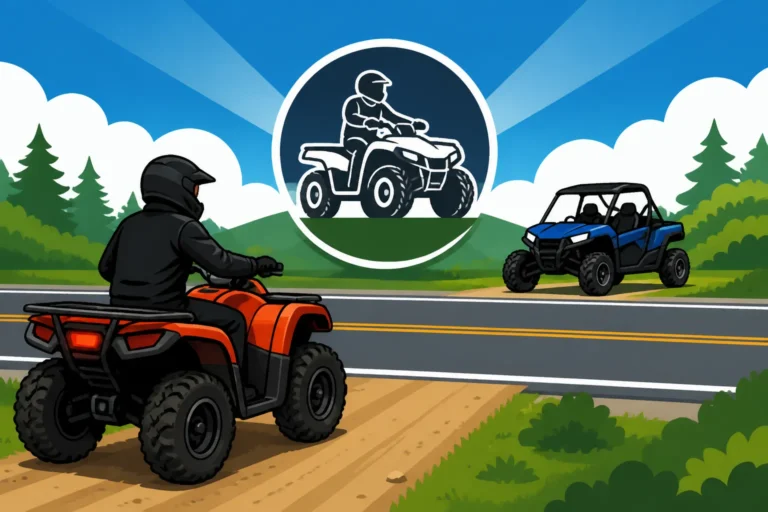
It’s crucial to understand that a municipal road trail is not simply another off-highway trail. These are actual public roads, typically secondary or unpaved routes, that have been designated for shared use. This means you’ll be sharing these roads with cars, trucks, and local residents. Unlike a secluded woods trail where you might only encounter other OHVs, on a road trail, you are part of the general traffic flow, albeit at a reduced speed and with specific rules.
The distinction is important because it governs your behaviour and the expectations placed upon you as a rider. While traditional OHV trails managed by clubs often have their own unique etiquette and regulations, municipal road trails fall under a blend of provincial OHV laws and municipal traffic bylaws. This shared environment demands a higher level of awareness, caution, and respect for all users. You might find yourself riding on a paved street through a village, then transition to a gravel road connecting to a rail trail, all while sharing the space with local drivers. This hybrid nature is both the opportunity and the challenge of the road trail system, requiring riders to be adaptable and highly responsible.
Essential Requirements for Riding Municipal Road Trails
Venturing onto Nova Scotia's municipal road trails isn't as simple as just rolling your machine off the property. The privilege of riding on public roads comes with stringent requirements designed to ensure the safety of all road users and the legal operation of your off-highway vehicle. Think of it as embracing a new level of responsibility that mirrors driving a car, but for your ATV or UTV.
Registration, Insurance, and Licensing – No Exceptions
Just like any other vehicle operating on Nova Scotia's public roadways, your ATV or UTV must be properly registered with the province. This isn't just a recommendation; it's a legal mandate. An unregistered machine on a road trail is an invitation for fines and potential impoundment. This registration ensures that your machine is recognized by the authorities and is compliant with provincial regulations. You'll also need to keep proof of this registration with you whenever you're riding. For more details on registration, check out [Nova Scotia Requires Registration and Insurance].
Equally critical is holding valid liability insurance. This isn't about protecting your machine from damage, but rather about protecting you financially in case you cause damage to property or injury to another person while operating your OHV. Nova Scotia mandates a minimum amount of third-party liability coverage, and you'll need to carry proof of this insurance – often referred to as a "pink card" – with you on every ride. For more on insurance, refer to [Nova Scotia Pink Card Rules]. Without this, you're not only breaking the law but also exposing yourself to significant financial risk.
Finally, operating an OHV on a municipal road trail requires a full, valid driver's license. This means no learner's permits or temporary licenses. The province expects you to have the same level of driving competency and knowledge of road rules as someone operating a car. This requirement emphasizes the serious nature of shared road use and ensures that operators understand traffic laws and responsible driving practices. If you're wondering about the specifics, [Do You Need a Licence for an ATV in Nova Scotia?] provides further clarification. These three elements – registration, insurance, and a full driver's license – form the absolute foundation of legal and responsible road trail riding in Nova Scotia.
Mandatory Safety Gear for All Riders
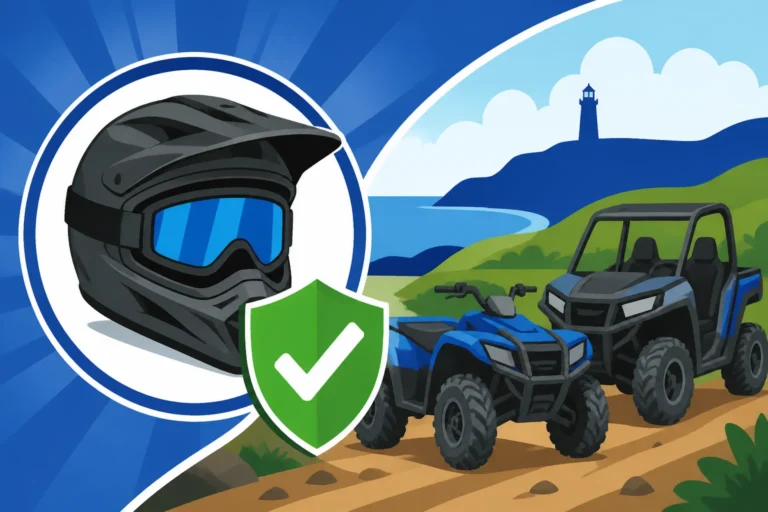
Beyond the paperwork, personal safety is paramount, and Nova Scotia has clear, non-negotiable rules about the gear you must wear when riding an OHV on municipal road trails. This isn't about style; it's about protection from potential injury. The most critical piece of equipment is an approved helmet. This isn't just any helmet; it must meet recognized safety standards such as DOT, CSA, Snell, or BSI. A well-fitting, properly fastened helmet is your first line of defense in the event of an impact, and officers will be checking for compliance. For further details on helmet requirements, see [Nova Scotia Helmet Law for Riders].
But safety gear extends beyond just the helmet. Riders are also required to wear eye protection, ensuring your vision isn't compromised by dust, debris, or insects. Long sleeves and gloves are essential to protect your skin from scrapes, sun exposure, and minor impacts, while sturdy footwear – ideally boots that cover the ankles – provides grip and protection for your feet. These requirements are especially emphasized for riders under the age of 16, but they are highly recommended for all riders regardless of age.
The reason for such strict gear regulations is simple: municipal road trails, despite their lower speed limits, still present risks. Sharing the road with other vehicles, encountering unexpected potholes, or having to brake suddenly means that protective gear can be the difference between a minor bruise and a serious injury. Don't cut corners on safety gear. Investing in high-quality, approved equipment is an investment in your own well-being and a commitment to responsible riding that is expected by both law enforcement and the communities you'll be riding through.
Navigating the Rules of the Road Trail
Riding on municipal road trails is a privilege, and with that comes a set of responsibilities that govern how you operate your machine. These aren't just suggestions; they are legally binding rules designed to ensure safety for everyone, from the OHV rider to the motorist in a sedan, and the resident whose property you pass. Understanding and adhering to these regulations is crucial for a smooth and enjoyable experience, and for the continued public acceptance of this expanded access.
Speed Limits and Safe Operating Practices
One of the most frequently asked questions about municipal road trails revolves around speed, and the answer is clear: the speed limit for off-highway vehicles on these designated roads is 25 km/h. This isn't merely a guideline; it's a strict maximum, regardless of the posted speed limit for other vehicles on that same road. It's a critical difference that emphasizes the cautious nature of shared OHV use on public thoroughfares. You'll find more information on this in [25 km/h on a Road Trail].
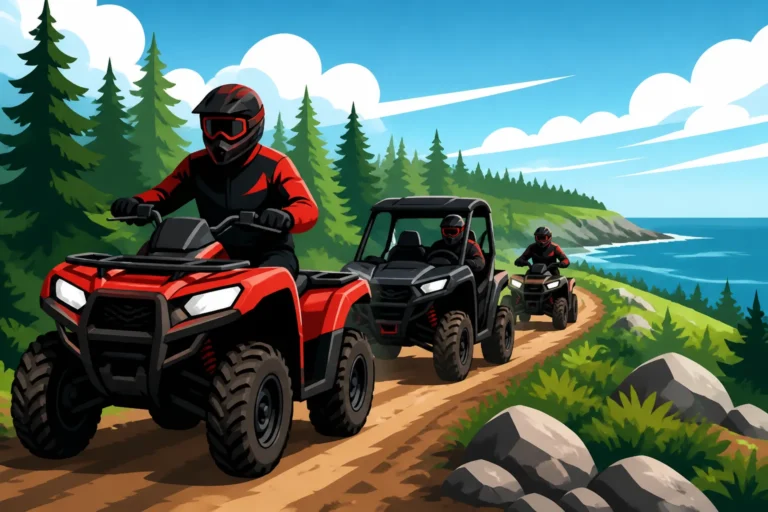
Beyond the speed limit, operating practices are equally important. Riders are required to travel single file, never side-by-side, especially on narrower roads. Passing other vehicles, including other OHVs, on a municipal road trail is prohibited. You must yield to all other traffic, giving priority to cars, trucks, and even bicycles. This means being constantly aware of your surroundings, checking mirrors frequently, and being prepared to pull over safely to allow faster traffic to pass. The key is to be predictable, visible, and courteous. Sudden movements, aggressive riding, or failing to acknowledge other road users can quickly erode the goodwill that has allowed these road trails to exist. Remember, you're an ambassador for the OHV community every time you ride on one of these designated routes.
Operating Hours and Night Riding Regulations
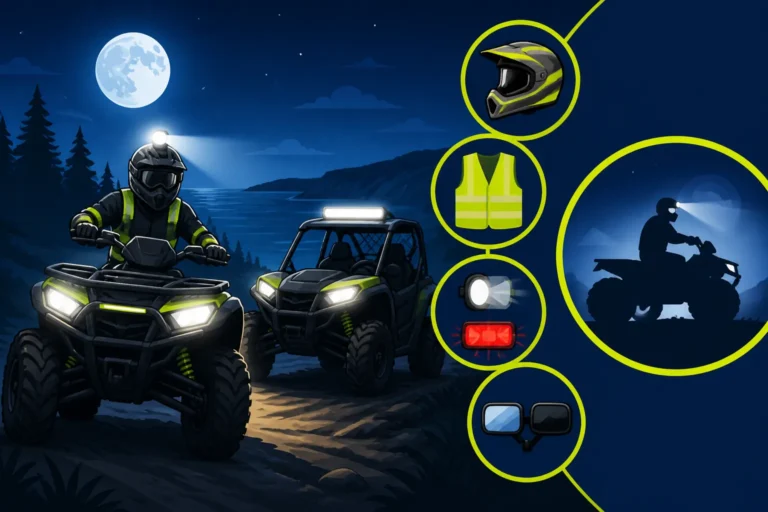
The opportunity to extend your ride from a forest trail onto a municipal road trail comes with specific time constraints. In Nova Scotia, OHVs are permitted on designated road trails from half an hour before sunrise to half an hour after dusk. This means that late-night rides are generally out of the question on these public roads. The reason for this limitation is primarily safety and visibility. Dusk and dawn are challenging times for visibility, and riding in full darkness significantly increases risks, both for the OHV operator and for other drivers. For the specific details on operating hours, refer to [Half an Hour After Dusk].
If you find yourself riding during these permissible low-light hours, your machine must be equipped with a functional headlight and taillight. Your headlight needs to be bright enough to illuminate the path ahead and make you visible from a considerable distance, while your taillight ensures you are seen from behind. It's not enough for them to just "work"; they need to be effective. Many riders look for ways to enhance visibility and protection for road trail riding, perhaps by adding aftermarket mirrors or windshields, and companies like SuperATV offer a wide range of accessories to help customize your machine for safer, more comfortable road use. Reflective gear on your person and your machine can also dramatically increase your visibility to other motorists, especially when riding in conditions like fog or light rain. Ensuring your lighting is in top condition is a non-negotiable safety measure, providing peace of mind and compliance with the law.
Passenger Rules and Age Restrictions
Bringing a passenger along for the ride on a municipal road trail is certainly possible, but it comes with its own set of rules and age restrictions designed for safety. The most critical rule is that any passenger on an OHV must be at least nine years of age or older. This minimum age ensures that passengers have a certain level of physical development and understanding to hold on securely and follow instructions, which is vital in a shared road environment. You can find more information regarding this in [Nova Scotia Passengers Must Be 9 or Older].
Furthermore, your OHV must be designed to safely carry a passenger. This means it needs to have a designated passenger seat and handholds, not just a modification that crams someone onto a single-rider machine. Attempting to carry a passenger on a machine not built for two riders, or carrying more passengers than the machine is designed for, is illegal and incredibly dangerous. The stability and handling characteristics of an OHV can change significantly with a passenger, especially on paved or hard-packed surfaces.
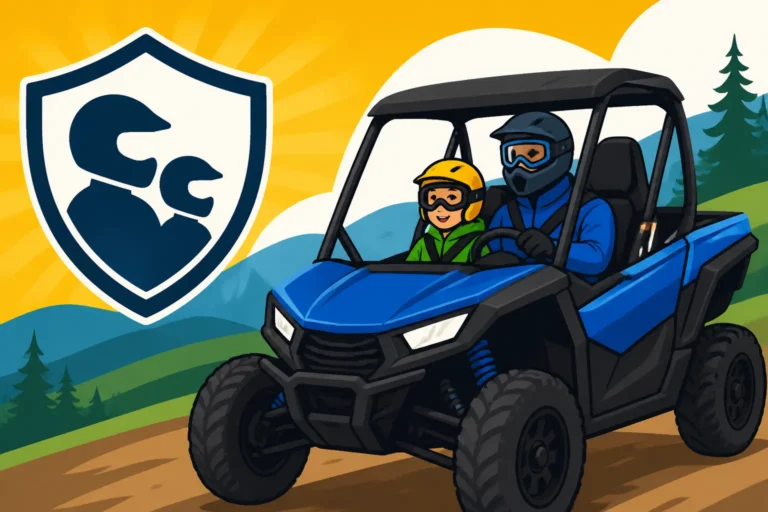
As the operator, you are responsible for the safety of your passenger. This includes ensuring they are wearing the appropriate safety gear, including an approved helmet, just like you. A casual ride with a friend or family member can quickly turn serious if these passenger rules are ignored. These regulations are in place to prevent injuries and ensure that shared road use is as safe as possible for everyone involved, so always double-check your machine's capacity and your passenger's age before setting off.
Where You Can and Cannot Ride on Road Trails
While the expansion of municipal road trails is a fantastic development for OHV enthusiasts, it's not a free-for-all across every road in Nova Scotia. The system is highly specific, designating particular roads where OHVs are permitted, and explicitly prohibiting them from others. Understanding these boundaries is essential not only for legal compliance but also for maintaining positive relationships with local communities and preserving the environment.
Understanding Designated Road Trail Signage
The key to knowing where you can and cannot ride on a municipal road trail lies in the signage. Municipalities that participate in the road trail program are required to install clear, official signage indicating the start and end of designated OHV routes. These signs serve as your guide, telling you when you are legally permitted to operate your machine on a public road and when you must return to an off-highway trail or load your machine. Without proper signage, a road is considered off-limits to OHVs. For more on this, consult [Nova Scotia Road Trail Signage].
It's vital for riders to pay close attention to these signs. They are not merely suggestions; they are enforceable legal indicators. Ignoring signage can lead to fines and other penalties for illegal operation. Before planning a route that involves municipal road trails, it's highly advisable to consult maps provided by the provincial government, local municipalities, or organizations like ATVANS (All-Terrain Vehicle Association of Nova Scotia). These resources often show the exact locations of designated road trails and can help you plan your journey effectively, ensuring you stay within legal boundaries. Don't assume a road is open just because it looks like a good shortcut; always look for the official designation.
Crossing Highways and Accessing Services
One of the primary benefits of municipal road trails is their ability to connect fragmented trail networks and provide riders with legal access to amenities. This often involves crossing or briefly utilizing sections of public highways or main roads to get from one designated road trail to another, or to reach a gas station, store, or restaurant. However, these movements are subject to very specific rules.
Crossing a highway, for instance, must be done safely and at a 90-degree angle to minimize time spent in the flow of traffic. It requires a full stop, checking for traffic in both directions, and yielding to all vehicles. This is not the time to rush or take chances. You can read more about these rules in [Nova Scotia Rules for Crossing a Highway]. Similarly, if a municipal road trail leads to a service like a gas station, you are generally permitted to ride directly to that service from the designated trail, adhering to all road trail rules (speed, single file, etc.). However, once you've completed your transaction, you must return directly to the designated road trail. This doesn't mean you can then embark on an impromptu joyride through the town's main street. The intent is strictly for connecting trails and accessing essential services.
Restricted Areas: Beaches, Dunes, and Private Property
While road trails open new avenues, they do not grant universal access to all areas. Nova Scotia has strict prohibitions against operating OHVs on beaches, sand dunes, and sensitive coastal areas. These environments are fragile, and OHV use can cause significant ecological damage, as well as disturb wildlife. These bans are rigorously enforced, and fines for violations can be substantial. For specific details on these restricted zones, refer to [Nova Scotia Beach and Dune Riding Bans].
Furthermore, the legal designation of a municipal road trail applies only to public roads that have been officially marked. It does not give you permission to ride on private property, even if that property appears to be an extension of a trail or a convenient shortcut. Trespassing laws remain fully in effect, and landowners have the right to press charges against those who ride on their land without explicit permission. Respecting private property is not just a legal obligation; it's a fundamental aspect of maintaining positive community relations and ensuring the long-term viability of OHV access in the province. Always assume land is private unless clearly marked as a public trail or designated road trail, and if in doubt, stay out. By understanding these boundaries, riders can enjoy the new opportunities responsibly and sustainably.
| Feature | Traditional OHV Trail (e.g., ATVANS) | Nova Scotia Municipal Road Trail |
|---|---|---|
| Location | Dedicated off-highway corridors, forests | Designated public roads, sometimes paved |
| Shared Use | Primarily OHVs, sometimes hikers/bikes | OHVs, cars, trucks, cyclists, pedestrians |
| Speed Limit | Varies by trail/club rules (often higher) | Strictly 25 km/h |
| Registration | Mandatory | Mandatory |
| Insurance | Mandatory (liability) | Mandatory (liability) |
| Driver's License | Not always required for off-road | Full driver's license required |
| Helmet | Mandatory | Mandatory |
| Operating Hours | Generally 24/7 (with lights) | Half-hour before sunrise to half-hour after dusk |
| Passing | Permitted if safe | Not permitted |
| Yielding | To slower traffic | To all other vehicles and pedestrians |
| Signage | Trail markers, caution signs | Official road trail designation signs |
| Access to Services | Limited, often requires trailering | Direct legal access from trail |
Enforcement, Penalties, and Responsible Riding
The expansion of municipal road trails is a significant step forward for the OHV community in Nova Scotia, but it comes with the understanding that these privileges can be revoked if not respected. Law enforcement is actively monitoring these routes, and there are clear consequences for riders who choose to ignore the rules. Responsible riding isn't just about avoiding a ticket; it's about preserving the access for everyone and ensuring that OHVs are seen as a welcome addition to the provincial landscape, not a nuisance or a danger.
Penalties for Non-Compliance
Operating an OHV on a municipal road trail without the proper registration is a clear violation of provincial law. It indicates a failure to comply with the basic administrative requirements for operating a vehicle, and it can lead to substantial fines. Similarly, riding without the mandatory liability insurance is not only illegal but also incredibly risky, exposing you to significant financial burdens if an accident occurs. Officers will verify your registration and demand to see your pink card, and the penalties for lacking either can be severe. For more on what these fines entail, see [Nova Scotia Penalties for Riding Unregistered] and [Nova Scotia Penalties for Riding Uninsured].
Beyond paperwork, operational violations carry their own set of penalties. Exceeding the 25 km/h speed limit, riding abreast instead of single file, failing to yield to other traffic, or operating outside the designated hours can all result in tickets and fines. Modified exhausts that exceed noise limits are also a common complaint and can lead to citations. Perhaps most seriously, impaired riding – operating an OHV under the influence of alcohol or drugs – carries penalties similar to those for impaired driving of a car, including license suspension, hefty fines, and potentially jail time. These aren't minor infractions; they are serious offenses that reflect a disregard for public safety and the law.
Reporting Accidents and Maintaining Trail Integrity
Even with the strictest adherence to rules, accidents can happen. If you are involved in a collision on a municipal road trail, it is crucial to follow the proper accident reporting procedures. This includes stopping at the scene, ensuring the safety of all involved, and notifying law enforcement if there is injury, significant property damage, or if another vehicle is involved. Clear and accurate reporting protects all parties and ensures that incidents are properly documented. You can find more information on this process in [Nova Scotia Accident Reporting Rules].
Beyond accidents, maintaining the integrity of the road trail system is a shared responsibility. If you notice damage to signage, dangerous road conditions, or witness illegal OHV activity (such as riding in restricted areas or reckless operation), reporting these issues to the appropriate authorities or your local ATV club is important. This proactive approach helps ensure that the trails remain safe and well-maintained for everyone, and that problematic behaviour is addressed before it jeopardizes the entire system. Responsible riding also means respecting the environment, staying on marked paths, and leaving no trace behind, contributing to the overall sustainability of the OHV experience.
Community Impact and Coexistence
The success and longevity of Nova Scotia's municipal road trail system hinge on the ability of OHV riders to coexist peacefully and respectfully with local communities and other road users. This means being mindful of your impact, especially in residential areas. The noise generated by some OHVs can be a significant concern for residents, so riding quietly and considerately is paramount. Avoid revving engines unnecessarily and be aware of your sound footprint, particularly in early mornings or evenings.
Remember that municipal road trails are shared spaces. This means treating pedestrians, cyclists, and motorists with courtesy and deference. Slow down when passing homes, yield generously to all other traffic, and wave politely. These small gestures can go a long way in fostering positive relationships between the OHV community and the general public. Local ATV clubs play a vital role in promoting this responsible riding etiquette and often work closely with municipalities to address concerns and ensure harmonious integration. By actively demonstrating respect and responsibility, riders can help ensure that municipal road trails continue to expand and thrive, rather than facing restrictions due to public complaints.
Future of Nova Scotia's Road Trail Network
The municipal road trail system in Nova Scotia is still in its relative infancy, but its rapid evolution from pilot project to provincial expansion signals a promising future for off-highway vehicle enthusiasts. The vision extends beyond simply connecting existing trails; it aims to create a truly integrated network that benefits riders, communities, and local economies. However, like any ambitious undertaking, there will be both ongoing opportunities and inherent challenges that need to be navigated.
Ongoing Expansion and Municipal Participation
The province has made it clear that the current network of municipal road trails is just the beginning. With planned expansions in 2025 and [Nova Scotia's 2026 Road Trail Expansion], hundreds of additional kilometres are set to be designated, significantly increasing the reach and connectivity of the system. This ongoing expansion is a direct response to the positive feedback from both riders and participating communities, highlighting the demand for more accessible and integrated riding opportunities.
Crucially, the success of this expansion relies heavily on continued municipal participation. While the provincial framework exists, it is ultimately up to individual municipalities to identify and designate suitable roads within their jurisdiction. This involves local consultations, assessment of road suitability, and commitment to signage and enforcement. As more communities witness the economic and recreational benefits – such as increased tourism, easier access to local businesses, and enhanced quality of life for residents – it is hoped that more will opt into the program. The long-term goal is to weave together a comprehensive OHV network that spans much of the province, allowing for multi-day trips and extensive exploration without the constant need for trailering.
Challenges and Opportunities for Riders
While the future looks bright, the journey isn't without its bumps in the trail. One ongoing challenge will be maintaining consistent signage and enforcement across numerous municipalities. Ensuring that all designated road trails are clearly marked and that rules are applied uniformly is essential for rider clarity and safety. Managing diverse user expectations – from residents who desire quiet and safety, to riders seeking adventure – will also require continuous dialogue and adaptation. Funding for ongoing maintenance, both for the road infrastructure and the integrated trail systems, will also be a perennial consideration.
However, the opportunities for riders are immense. The expanding network means longer, more diverse rides, allowing enthusiasts to explore parts of Nova Scotia that were previously difficult to access. Imagine riding from your cottage directly to a nearby village for supplies, or embarking on a week-long journey through multiple counties, linking up with different trail clubs and experiencing varied landscapes. This system also presents a huge opportunity for OHV tourism, drawing riders from other provinces and boosting local economies in rural areas. For anyone venturing onto these mixed-use paths, ensuring your machine is properly equipped for the specific demands of road use – perhaps with enhanced protection or visibility upgrades available from SuperATV – is a smart move. As the network matures, Nova Scotia has the potential to become a premier destination for OHV adventure, offering a unique blend of wilderness trails and community connections that few other regions can match. The key for riders will be to embrace the responsibilities that come with this privilege, ensuring the sustainable growth and continued success of this exciting new chapter in Nova Scotia's OHV landscape.
Disclaimer
This article is for general informational purposes only and does not constitute professional advice. Laws, prices and regulations vary by location and change over time. Consult a qualified professional for guidance on your specific situation.