Nova Scotia Rules for a Passenger Under 9
It’s a truly universal experience for off-highway vehicle (OHV) enthusiasts in Nova Scotia: you’ve got your quad or side-by-side all fired up, ready for a day on the trails, and your eager young child, eyes wide with excitement, is begging to come along for the ride. It tugs at your heartstrings, doesn't it? That desire to share the joy of the outdoors with your little ones is incredibly strong, but it's crucial to understand the very specific and non-negotiable rules regarding young passengers on ATVs and UTVs here in Nova Scotia. This guide is here to unravel those regulations, particularly focusing on what you need to know about passengers under the age of nine, so you can keep everyone safe and stay on the right side of the law.
The Strict Age Limit for ATV/UTV Passengers in Nova Scotia
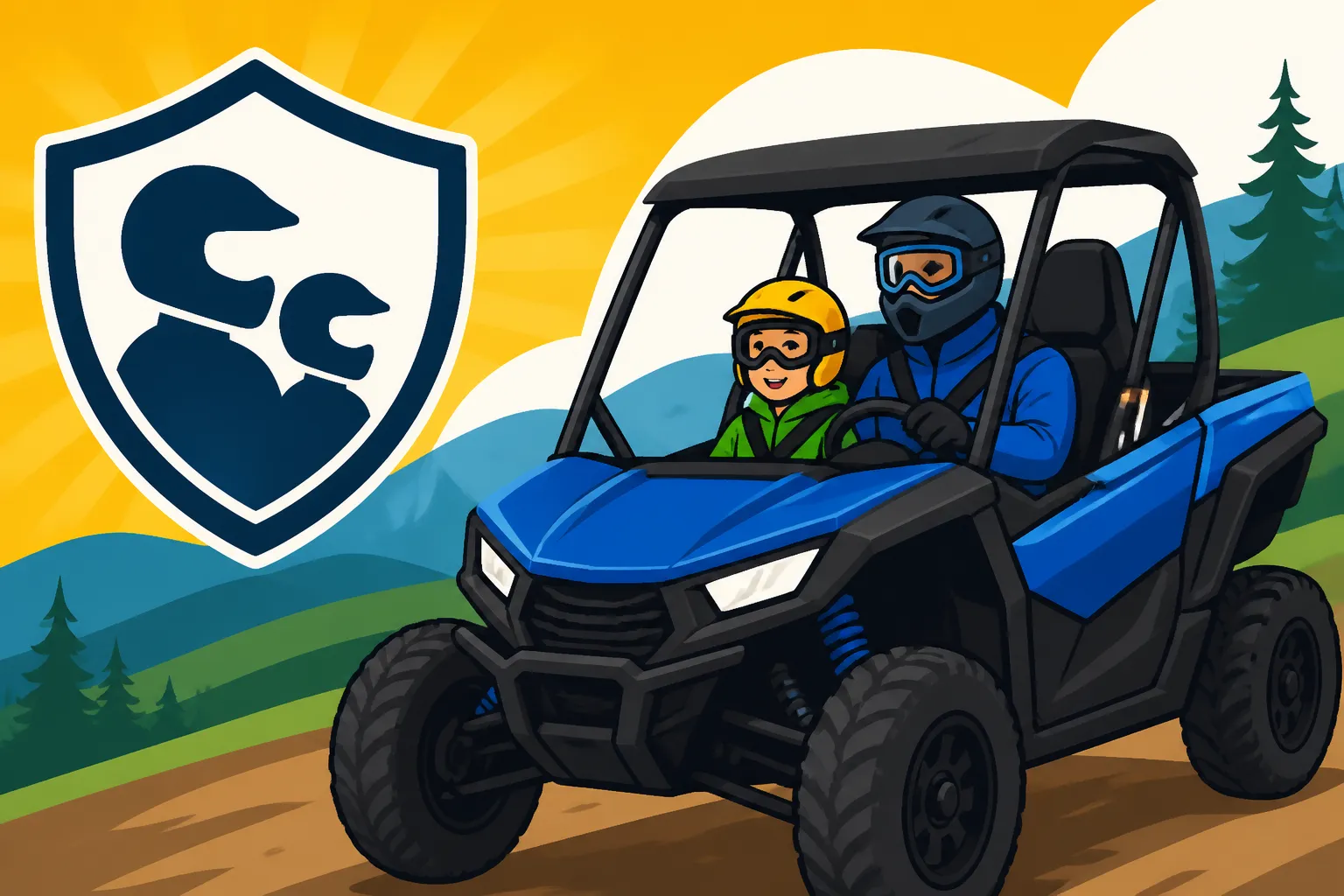
Let's cut right to the chase: in Nova Scotia, the law is quite clear. You absolutely cannot carry a passenger under the age of nine (9) years on an off-highway vehicle. This isn't just a suggestion or a guideline; it's a hard and fast rule embedded within the provincial regulations designed to protect our youngest and most vulnerable potential riders. It can be a tough pill to swallow when you have a child who feels ready, but the law errs on the side of caution, and for good reason.
Why the Nine-Year-Old Rule Exists
The provincial government didn't just pull the number nine out of a hat. This age limit is deeply rooted in critical safety considerations, recognizing the unique challenges and risks associated with being a passenger on an OHV. Unlike a car, an ATV or UTV moves with the terrain, often experiencing sudden shifts, bumps, and leans that require a passenger to actively participate in maintaining their balance and stability.
A child under nine typically lacks the physical maturity, strength, and cognitive ability to safely ride as a passenger. Think about it: they might not have the hand strength to maintain a firm grip on handholds through rough sections, their legs might be too short to reach and brace against the footrests effectively, and their core strength may not be developed enough to absorb impacts or lean properly through turns. In a sudden stop or a challenging maneuver, a younger child is far more likely to be jostled off the machine, collide with the operator, or sustain injuries simply because their body isn't yet equipped to handle the dynamic nature of off-road riding. This rule is truly about preventing serious accidents and ensuring that when children do ride as passengers, they have the best possible chance of doing so safely. You can also explore [Nova Scotia Passengers Must Be 9 or Older] for more details on this specific requirement.
Identifying a Legal Passenger Seat
Beyond the age of the passenger, the machine itself must be designed to carry more than one person safely. It’s not simply a matter of having enough room on the seat behind you. A legal passenger seat on an ATV or UTV typically means a factory-designed seat that includes dedicated handholds for the passenger to grasp and footrests for their feet to brace against. These features are essential for a passenger to maintain their position and stability, especially when riding over uneven terrain or making turns.
Adding a makeshift cushion or having a child simply cling to the operator doesn't cut it, and it definitely doesn't meet the spirit or letter of the law. If your ATV is a single-rider model, then it's designed for one person only, regardless of the passenger's age. For side-by-sides, which often come with multiple seats, each designated passenger seat must still be used by a person who meets the age requirement. While aftermarket accessories from companies like SuperATV offer a fantastic range of upgrades for OHVs, any additions like passenger seats or grab bars must be considered within the context of the provincial laws regarding passenger age and machine design. No accessory, no matter how well-made, can override the fundamental requirement that a passenger must be nine years old or older.
Consequences of Violating the Passenger Age Rule
Taking a child under nine as a passenger on an ATV or UTV might seem like a small shortcut, or perhaps you genuinely believe your child is mature enough. However, the legal and ethical ramifications of violating this specific rule can be quite severe, extending far beyond a simple warning. It's not just about getting caught; it's about the potential for harm and the serious responsibilities that come with operating an OHV.
Fines and Legal Ramifications
If you are caught operating an off-highway vehicle with a passenger under the age of nine in Nova Scotia, you could face significant financial penalties. The fines for such infractions are not trivial and are designed to act as a strong deterrent. In many cases, these fines start at a minimum amount, but they can escalate considerably depending on the specific circumstances, such as whether an accident occurred or if there were other simultaneous violations. It's not uncommon for these fines to be in the hundreds of dollars, and they can certainly put a damper on your riding budget and enjoyment.
Beyond the immediate financial hit, there could be other legal implications. Depending on the severity of the situation, especially if an injury occurs, you could face more serious charges related to negligent operation or endangering a minor. These are not just traffic tickets; they can have lasting impacts on your record and even your ability to operate OHVs in the future. Remember, law enforcement officers are primarily concerned with safety, and protecting children is a top priority. They are well within their rights to stop you and issue citations if they observe an underage passenger. For more on the costs and legal repercussions, you can refer to articles like [Nova Scotia Ticket Costs for Riders].
The Ethical and Safety Imperative
While the legal penalties are certainly a powerful incentive to comply, the ethical and safety imperatives are arguably even more compelling. As an OHV operator, you hold a tremendous responsibility for the safety of anyone you carry on your machine, especially a child. The nine-year-old rule isn't an arbitrary barrier; it's a critical safeguard built upon years of accident data and safety research. Ignoring it means knowingly placing a child at elevated risk.
Imagine the unthinkable: an accident occurs, and your child, who was too young to be a legal passenger, is injured. The emotional toll of such an event, knowing that it could have been prevented by simply adhering to the law, would be immense and long-lasting. It’s a burden no parent wants to carry. Beyond the immediate physical danger, instilling good safety habits from a young age is paramount. By adhering to the rules, you are modeling responsible OHV use for your children, teaching them respect for the machine, the trails, and the regulations designed to keep everyone safe. It sets a foundation for a lifetime of responsible riding.
Understanding Road Trails and Passenger Rules
Nova Scotia has been making strides in expanding OHV access through designated road trails, which allow off-highway vehicles to travel on specific sections of public roads to connect trail networks or access amenities. This initiative is fantastic for riders, but it also means that the rules governing OHV operation become even more complex, integrating elements of both off-highway vehicle law and road safety regulations. However, when it comes to passenger age, the rules remain consistently strict.
How the Road Trails Act Impacts Passengers
The provincial legislation that governs off-highway vehicles, including the Off-highway Vehicles Act and the newer Road Trails Act, works in tandem to ensure safe operation. When you are riding on a designated road trail in Nova Scotia, you are still operating an OHV, and therefore, all the core regulations regarding your machine, your licensing, and your passengers still apply. This means that even on a paved or gravel road trail, the rule about carrying passengers under nine years of age remains firmly in place.
The environment of a road trail might feel less challenging than a rugged backcountry path, but it introduces different risks, such as interacting with other road users, varying speed limits, and different surface conditions. These factors only reinforce the necessity of having a passenger who is physically and cognitively capable of riding safely. The road trails are meant to enhance access, not to provide an exemption from fundamental safety rules. So, whether you’re on a remote forest trail or a designated section of a rural road, the minimum age for your passenger remains nine. Understanding the full scope of these regulations is vital, and you can learn more about specific guidelines in [Nova Scotia Road Trails Act Explained] and [Nova Scotia Road Trail Rules Explained].
When and Where You Might See Exceptions (and why they don't apply)
It's common for riders to wonder if there are any exceptions to the nine-year-old passenger rule. Perhaps for riding on private land? Or maybe a utility task vehicle (UTV) with a roll cage is considered different from an ATV? The answer is generally a resounding no when it comes to passengers. The rule is broadly applied across all off-highway vehicles and most riding scenarios in Nova Scotia.
While there are specific rules for children operating youth model ATVs—for example, a child as young as six can operate an appropriately sized machine on private land under direct supervision, as detailed in [Nova Scotia Rules for a 6-Year-Old Rider] or [Nova Scotia Closed Course Rule for Ages 6 to 13]—these rules pertain to operating the machine, not being a passenger. A child under nine cannot be a passenger on any OHV, regardless of whether it's a youth model being operated by another person. The distinction is crucial: operating a machine designed for their size under strict supervision is one thing; being a passive passenger on a larger, more powerful machine is quite another.
There are also specific exemptions for OHV registration and insurance if a machine is used exclusively for farming or forestry on private land. However, these exemptions typically do not extend to safety rules like passenger age limits. The core principle is that the safety of a child is paramount, and the risks associated with carrying an underage passenger remain consistent regardless of the property type or the specific OHV model. So, to be absolutely clear: for a child to ride as a passenger on your ATV or UTV in Nova Scotia, they must be at least nine years old.
Ensuring a Safe and Compliant Ride for Young Passengers (Over 9)
Once your young rider has met the minimum age requirement of nine, your responsibility shifts to ensuring they have the safest and most compliant riding experience possible. This isn't just about meeting legal checkboxes; it's about fostering good habits and providing the best protection for your child as they begin to enjoy the trails with you.
Essential Gear and Machine Fit
Just because a child is old enough to be a passenger doesn't mean they're ready to hop on without the right preparation and equipment. Proper gear is non-negotiable for all OHV riders, especially young passengers. Here’s what you need to focus on:
- Helmet: This is the most critical piece of safety gear. Your child must wear a helmet that is properly fitted and certified (DOT, CSA, Snell, BSI, etc.). It should be snug, with the chin strap fastened securely. A helmet is not just for show; it's a life-saver. You can learn more about the specifics in [Nova Scotia Helmet Law for Riders].
- Eye Protection: Goggles or a helmet visor are essential to protect eyes from dust, branches, insects, and debris.
- Long Sleeves and Pants: Even on warm days, long-sleeved shirts and long pants made of durable material help protect skin from scrapes, cuts, and sun exposure.
- Gloves: Gloves protect hands from blisters, abrasions, and offer a better grip on handholds.
- Sturdy Boots: Footwear should cover the ankles and have a good grip. Sneakers are generally unsuitable as they offer insufficient protection and support. For a comprehensive look at what young riders need to wear, check out [Nova Scotia Gear Rules for Riders Under 16].
Beyond the personal gear, your machine must be suitable for carrying a passenger. This means it needs factory-designed passenger seating with proper handholds and footrests. Never try to squeeze an extra person onto a machine designed for single-rider use, even if that person is an eligible passenger. Accessories like specialized grab handles or ergonomic passenger seats from brands such as SuperATV can significantly improve comfort and safety for your over-9 passenger, but always ensure they are installed correctly and complement the machine's existing safety features.
Pre-Ride Briefing and Riding Practices
Before you even start the engine with your young passenger aboard, a thorough pre-ride briefing is essential. This conversation helps set expectations and ensures your child understands their role in staying safe on the trail.
- Instruction: Talk to your child about how they should ride as a passenger. Explain that they need to hold on tightly to the designated handholds at all times. Teach them to keep their feet firmly on the footrests and not to let them dangle. Instruct them to lean with the machine, especially during turns, rather than staying rigid or trying to counteract the lean.
- Communication: Establish clear communication signals. For example, a tap on your shoulder could mean "slow down" or "stop."
- Responsible Operation: As the operator, it's your responsibility to adjust your riding style when carrying a passenger. This means maintaining slower speeds, especially on unfamiliar or challenging terrain. Avoid aggressive maneuvers, sharp turns, or sudden braking that could unbalance your passenger. Choose trails that are appropriate for the skill level of both you and your passenger.
- Machine Readiness: Always perform a pre-ride inspection of your OHV, checking tires, brakes, fluid levels, and ensuring all controls are working correctly. Confirm you have your [Carrying a Pink Card on the Trail] (proof of insurance) and that your machine is properly registered, as [Nova Scotia Requires Registration and Insurance] for most riding scenarios. These steps are fundamental to a safe and enjoyable outing for everyone involved.
Here's a quick summary of key age-related OHV rules in Nova Scotia:
| Rule Category | Minimum Age/Requirement | Key Details |
|---|---|---|
| Passenger Age | 9 years old | Applies to all ATVs and UTVs. Passengers must use factory-designed seats with handholds and footrests. No exceptions for private land or different machine types. |
| Operator Age (Youth) | 6 years old | For youth model ATVs, under direct supervision (19+ and trained). Machine must be properly sized for the rider. Specific rules apply regarding closed courses, which are limited in Nova Scotia. |
| Operator Age (16-18) | 16 years old | Can operate an OHV if they have completed an approved safety course, have written consent from a parent/guardian, and meet supervision requirements if applicable. |
| Operator Age (Adult) | 19 years old | Generally, full operating privileges. Must carry a valid driver's license for road trail access. |
| Road Trail Driver's License | Full Driver's License | Required for operating any OHV on a designated road trail. Learner's permits are not sufficient. |
| Helmet Requirement | All riders | Mandatory for all OHV operators and passengers, regardless of age or location (unless on private property for specific work exemptions). Must be properly certified and fitted. |
| Supervision for Youth | 19+ and Trained | Required for operators under 16 years of age. Supervisor must be trained and capable of providing immediate assistance. Limits on the number of youth riders per supervisor may apply. |
Remember, these rules are in place to ensure everyone can enjoy Nova Scotia's incredible trail networks and outdoor spaces safely.
Disclaimer
This article is for general informational purposes only and does not constitute professional advice. Laws, prices and regulations vary by location and change over time. Consult a qualified professional for guidance on your specific situation.