Nova Scotia Riders Travel Single File
It can feel incredibly confusing trying to figure out where you can and can't legally ride your ATV or UTV in Nova Scotia, especially when it comes to shared spaces like roads. Many riders get frustrated seeing glimpses of a connected network but are unsure about the rules. This guide is here to shed light on Nova Scotia's specific "Road Trail" legislation, helping you understand how to navigate these designated routes safely and legally, ensuring you avoid fines and enjoy your ride.
Understanding Nova Scotia's Road Trails Act
For years, the dream of connecting Nova Scotia's vast network of off-highway trails for ATVs and UTVs often hit a brick wall when it came to crossing or using public roads. It was a constant source of frustration for riders and clubs alike. The Off-Highway Vehicles Act provided some limited road crossings, but a true integrated system seemed out of reach. That all changed with the introduction of the Nova Scotia Road Trails Act, a pivotal piece of legislation designed to bridge these gaps and offer a more cohesive riding experience for our community.
The Act's Purpose and Proclamation
The Nova Scotia Road Trails Act was proclaimed in September 2023, marking a significant step forward for off-highway vehicle enthusiasts in the province. Before this, the notion of riding your machine on public roads, even for short distances to connect trails, was largely prohibited and came with hefty penalties. The Act didn't just appear out of nowhere; it followed a successful pilot program that started in 2018 in several communities, testing the waters and proving the viability of integrating OHVs into certain parts of the road network.
The core purpose of this Act is to allow municipalities and the province to designate specific, low-traffic sections of public roads as "Road Trails." These aren't meant to be high-speed highways or bustling main streets, but rather quiet stretches that can connect existing off-highway trails, provide access to services like fuel or food, or simply extend the riding experience. It acknowledges the legitimate need for riders to travel between trail systems without breaking the law or resorting to unsafe practices. The Act also clearly defines the responsibilities of riders and sets out the framework for safe co-existence with other road users. You can find more details about its implementation in [Nova Scotia's Road Trails Act Explained].
How Municipalities Implement Road Trails
It’s important to understand that the Road Trails Act doesn't automatically open up every road in Nova Scotia to ATVs and UTVs. Instead, it provides the legal framework for municipalities and the Department of Public Works to designate specific roads as Road Trails. This means that each community or region might have different designated sections. You can't just assume a road is open. It requires careful planning and official approval, often involving public consultation and signage.
Think of it like this: a municipality, seeing the value in connecting trails or providing safe access to a local business, will go through a process to identify suitable road segments. These are typically lower-speed roads, often in rural or semi-rural areas, where OHV traffic can be safely integrated with regular vehicle traffic. Once approved, these sections are clearly marked with specific signage indicating they are part of the Road Trail network. This localized approach means riders need to be diligent about checking current maps and designations for the areas they plan to ride in. For instance, [Nova Scotia Municipal Road Trails] provides more insight into how towns like Pictou have explored whole-town access.
Road Trail vs. Traditional Off-Highway Trails
There’s a fundamental difference between riding on a designated Road Trail and riding on a traditional off-highway trail system, like those maintained by ATVANS member clubs. Traditional trails are typically purpose-built or designated corridors designed exclusively for off-highway vehicles, often on Crown land, private land with permission, or old rail beds. They are typically unpaved, rugged, and you might not encounter regular street traffic.
Road Trails, on the other hand, are public roads that have been specifically opened up to OHVs under strict conditions. This means you will be sharing these roads with cars, trucks, cyclists, and pedestrians. The rules of the road apply, in addition to specific OHV regulations. This distinction is crucial because the required mindset, equipment, and operating procedures are different. You’re no longer just "off-roading"; you're integrating into public traffic, even if it's light. It's about blending the freedom of off-roading with the responsibility of shared public spaces, demanding a higher level of awareness and adherence to rules.
Specific Rules for Riding on Road Trails
Navigating Nova Scotia's Road Trails isn't just about knowing where you can ride; it's about understanding how you must ride. The province has put specific regulations in place to ensure the safety of all road users – ATV and UTV riders, drivers of other vehicles, cyclists, and pedestrians. These rules are non-negotiable and are designed to prevent conflicts and accidents in shared spaces. Violating them can not only lead to serious consequences but also jeopardize the future of the Road Trail program itself.
Speed Limits and Traffic Flow
One of the most important rules to remember on a Nova Scotia Road Trail is the speed limit. Off-highway vehicles operating on these designated roads must adhere to a strict maximum speed of 25 km/h. This isn't just a suggestion; it's a legal requirement. This limit is significantly lower than typical road speeds and is designed to ensure that OHVs can react quickly to changing conditions, safely share the road with slower-moving traffic like cyclists, and minimize their impact on residential areas. When you're used to picking up speed on a wide-open trail, it can feel incredibly slow, but this is a critical safety measure.
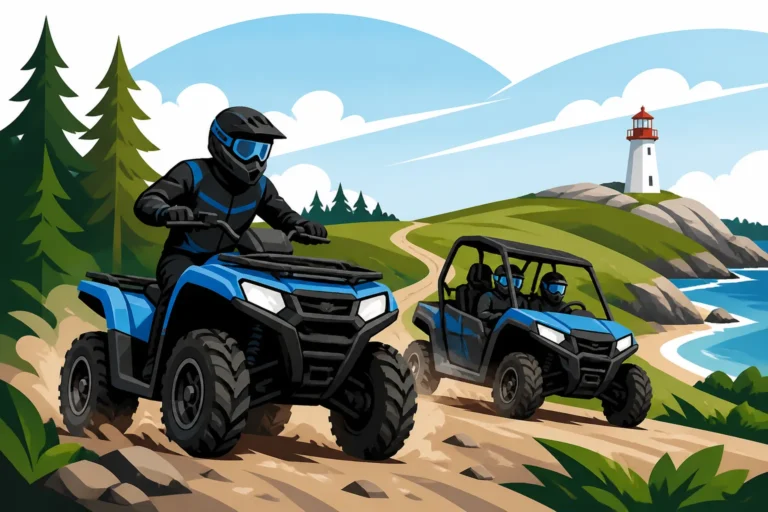
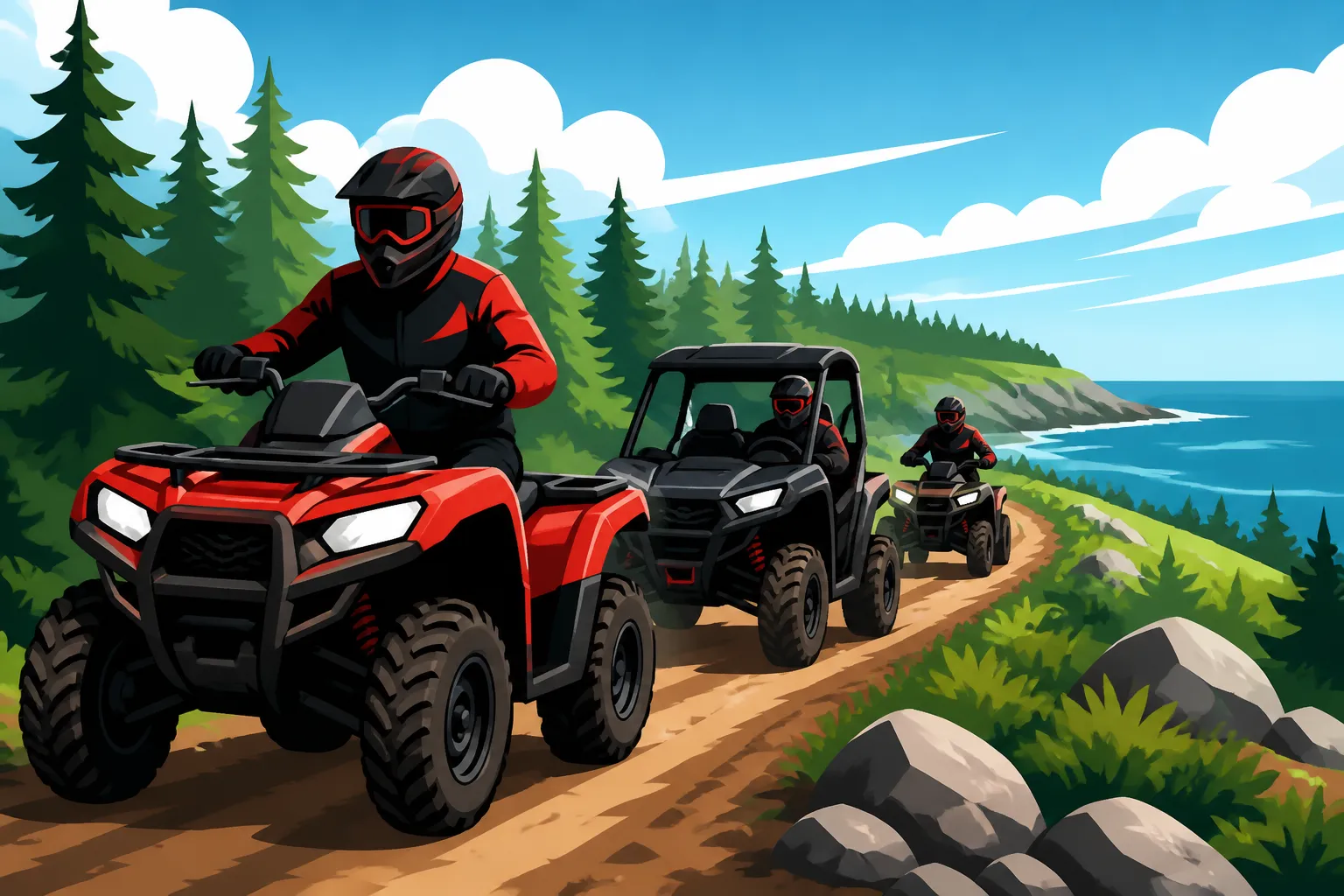
Furthermore, when riding on Road Trails, Nova Scotia law requires riders to travel single file. This is a direct measure to ensure safety and minimize obstruction for other vehicles. You cannot ride two abreast, even if the road seems wide enough. Imagine a car coming around a blind corner – two ATVs side-by-side would present a much larger obstacle than a single-file line. Riders must also operate on the right-hand side of the road, just like any other vehicle, and yield to other traffic. This means being prepared to pull over safely if a faster vehicle approaches from behind or if you encounter oncoming traffic on a narrow section. Awareness of your surroundings, defensive riding, and a courteous attitude are paramount. [Nova Scotia Riders Travel Single File] provides more details on this particular aspect of the rules.
Passenger Regulations
When you're out enjoying the trails, having a passenger along for the ride can be a lot of fun, but the rules change significantly when you're on a Road Trail. On these designated routes, passengers are generally permitted on an ATV or UTV only if the machine is specifically designed by the manufacturer to carry more than one person. For most standard single-rider ATVs, carrying a passenger on a Road Trail is strictly prohibited. If you have a UTV (side-by-side), which often comes with multiple seats, passengers are generally allowed as long as there is an available, designated seating position with a seatbelt, and they meet the age requirements.
Speaking of age, Nova Scotia law states that passengers must be nine years of age or older to ride on an OHV, including on Road Trails. This is a crucial safety measure to ensure passengers are large enough and mature enough to safely brace themselves and understand instructions while riding. Carrying a younger child, even if the machine has a passenger seat, is not permitted on these roads. Always ensure your machine is designed for the number of people you intend to carry, and that all passengers meet the minimum age requirement. [Nova Scotia Passengers Must Be 9 or Older] outlines these rules.
Crossing Highways and Intersections
While Road Trails are designed to connect segments of the OHV network, there will still be instances where you need to cross a highway or intersection that isn't designated as a Road Trail. The Nova Scotia Road Trails Act also addresses these scenarios, recognizing that complete avoidance isn't always feasible. However, these crossings come with their own set of stringent rules, reinforcing the need for caution and adherence to conventional traffic laws.
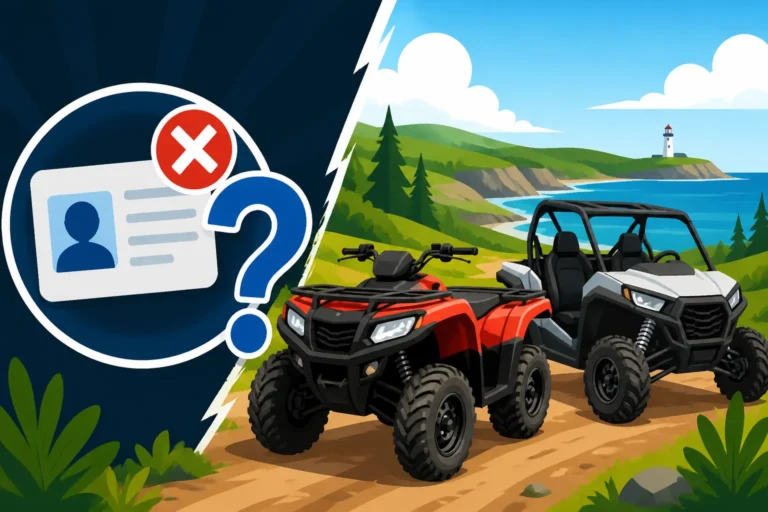
When crossing a highway or a non-designated intersection, you must do so at a 90-degree angle to the road, essentially driving straight across the shortest possible distance. You must come to a complete stop, yield to all traffic, and proceed only when it is absolutely safe to do so. Furthermore, the operator of the OHV must hold a full driver's licence to perform these crossings. A learner's permit or an OHV safety certificate alone is not sufficient. This reflects the increased risk and the need for a full understanding of road traffic laws when interacting with higher-speed vehicles. This is where the distinction between off-road riding and road use becomes crystal clear, demanding the same level of responsibility as driving a car. [Nova Scotia Rules for Crossing a Highway] delves deeper into this.
Equipment and Safety Requirements
Riding an off-highway vehicle, whether on a traditional trail or a designated Road Trail, always carries inherent risks. To mitigate these risks, Nova Scotia has established a comprehensive set of equipment and safety requirements that all riders must adhere to. When operating on Road Trails, these requirements often mirror those for conventional vehicles, emphasizing visibility, control, and rider protection. It's not enough to simply have a machine; it must be properly equipped and the rider adequately protected.
Helmet Standards and Gear
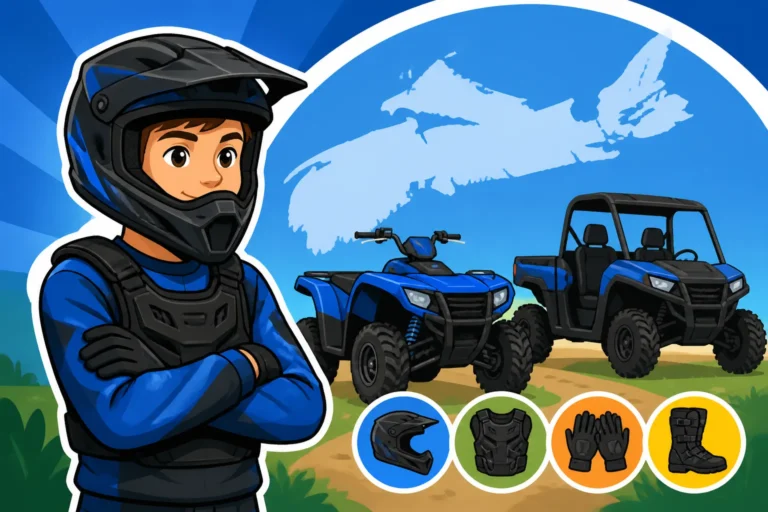
The helmet is arguably the most critical piece of safety gear for any OHV rider, and Nova Scotia law is very clear on its requirements, especially when on a Road Trail. Every operator and passenger on an ATV or UTV must wear an approved helmet. This isn't just any helmet; it must meet specific safety standards recognized in Canada, such as DOT, CSA, Snell, or BSI. These standards ensure the helmet has been rigorously tested to provide adequate protection in the event of an impact. A poorly fitting or uncertified helmet offers false security and will not protect you when it truly matters.
Beyond the helmet, proper riding gear is highly recommended, and for riders under 16, some items are mandatory. This includes wearing appropriate eye protection, long sleeves, long pants, gloves, and sturdy boots that cover the ankle. While these aren't legally mandated for adult riders on Road Trails, they are wise precautions against abrasions, cuts, and impacts. Think about it: if you were to fall or encounter debris, a good pair of gloves and boots can prevent significant injury. Investing in quality riding gear, including a certified helmet, is an investment in your own safety and well-being. [Nova Scotia Helmet Law for Riders] provides full details.
Lighting and Noise Regulations
When operating an ATV or UTV on a Road Trail, your machine must be equipped to be visible to others and to operate within acceptable noise limits. These aren't just for your convenience; they're about ensuring you don't become a hazard or a nuisance to other road users and nearby communities. After all, you're sharing the road.
Your machine must have at least one working headlight that emits a white light visible for at least 300 feet (about 90 meters) and a working tail light that emits a red light visible for at least 200 feet (about 60 meters). These lights are not just for night riding; they are generally required to be on whenever the machine is operating on a Road Trail, similar to how motorcycles must always have their headlights on. This enhances your visibility, especially in adverse weather conditions or areas with poor sightlines. Regarding noise, machines must be equipped with an exhaust system that meets the manufacturer's original equipment specifications. Aftermarket exhaust modifications that increase noise levels beyond factory standards are generally illegal and can result in fines. This is often an area of concern for residents near Road Trails, so keeping your machine quiet and compliant is a matter of both law and good neighbourly conduct. If you're looking for compliant aftermarket parts that meet specifications, checking with reputable suppliers like SuperATV for lighting or exhaust components can ensure you stay on the right side of the rules. [Nova Scotia Headlight and Tail Light Rules] offers more specific measurements.
Registration and Insurance are Non-Negotiable
Before your wheels even touch a designated Road Trail, your ATV or UTV must be properly registered and insured in Nova Scotia. There's no getting around this. These are fundamental requirements for operating any off-highway vehicle in the province, and they become even more critical when you're entering public road spaces.
Registration: Every OHV operating in Nova Scotia, including those on Road Trails, must have a valid registration with the Registry of Motor Vehicles. This involves obtaining a Certificate of Registration and a Vehicle Permit. This process ensures your machine is officially recognized by the province and helps fund the OHV Infrastructure Fund, which supports trail development. Attempting to ride an unregistered machine, particularly on a Road Trail, will lead to significant fines. [Do You Need to Register an ATV in Nova Scotia?] is a good resource for understanding this.
Insurance: Similarly, liability insurance is mandatory. Nova Scotia requires OHV operators to carry a minimum of $500,000 in third-party liability insurance. This coverage protects you financially if you are found at fault in an accident that causes injury or property damage to others. Just like driving a car, having this "pink card" proof of insurance is a critical safety net. Officers can, and do, ask to see proof of registration and insurance during routine checks. Riding without either can lead to heavy penalties, including impoundment of your machine. When selecting parts for your machine, whether it's for performance or utility, remember to ensure any modifications or additions, even from trusted brands like SuperATV, don't compromise your machine's road-legal status for insurance purposes. [Nova Scotia Insurance Requirements for Riders] details the provincial minimum.
Penalties and Enforcement
The Nova Scotia Road Trails Act is designed to facilitate responsible riding, but it's backed by serious enforcement measures to deter non-compliance. The rules aren't just suggestions; they are laws, and violating them can lead to significant financial penalties, legal consequences, and even the loss of your machine. Understanding these potential repercussions is crucial for any rider venturing onto a designated Road Trail.
Fines for Non-Compliance
Breaking the rules on Nova Scotia Road Trails can be an expensive mistake. Fines are in place for a range of infractions, from minor equipment deficiencies to more serious operating violations. For example, operating an unregistered machine carries a minimum fine, which can increase significantly depending on the circumstances. Similarly, not carrying valid insurance, exceeding the 25 km/h speed limit, or riding two abreast instead of single file can all result in tickets.
These fines are often substantial, designed to be a strong deterrent. They're not just a slap on the wrist; they can quickly add up and turn an enjoyable ride into a costly regret. Enforcement officers have the authority to issue tickets on the spot. It’s not uncommon for officers to set up checks near popular trail access points or along designated Road Trails, specifically looking for compliance with helmet, registration, insurance, and operating rules. Always ride prepared, as if an officer is just around the next bend, because they very well might be. [Nova Scotia Penalties for Riding Unregistered] offers more specific information on these fines.
Impaired Riding and Other Serious Offences
Beyond basic compliance, certain actions on Road Trails are considered severe offences, with much harsher penalties. Operating an ATV or UTV while impaired by alcohol or drugs is treated with the same gravity as impaired driving in a car. This means facing criminal charges, significant fines, driver's licence suspension, and potentially jail time. The fact that you're on an "off-highway vehicle" does not exempt you from impaired driving laws; in fact, the same legal limits and consequences apply.
Other serious offences include dangerous operation, reckless driving, or engaging in activities that clearly endanger public safety. This could involve excessive speed on non-designated roads, intentionally damaging property, or ignoring traffic signs and signals. Such actions not only carry severe legal consequences but also damage the reputation of the entire OHV community, potentially leading to stricter regulations or even the closure of valuable Road Trail segments. The key takeaway is simple: when on a Road Trail, you are operating on a public road, and the full weight of public safety laws applies.
Officer Discretion and Spot Checks
Enforcement officers, whether RCMP, local police, or provincial conservation officers, have discretion when enforcing the Nova Scotia Road Trails Act. While they may issue warnings for minor infractions, they are fully empowered to issue tickets and even impound machines for serious or repeated violations. This discretion means that while an officer might give a warning for a missing piece of required paperwork, they are far less likely to be lenient on issues like impaired riding or operating an uninsured machine.
Spot checks are a common enforcement tactic. Riders might encounter officers at trailheads, at the entry and exit points of Road Trails, or simply patrolling these designated sections. These checks are designed to verify registration, insurance, helmet compliance, and proper operation. It's a good practice to always carry your proof of registration and insurance ("pink card") with you when riding. If you’re ever asked to present documentation, having it readily available can make the interaction smooth and efficient. It's about being a responsible rider and understanding that these checks are part of maintaining a safe and orderly riding environment for everyone. [Nova Scotia Equipment Checks by Officers] explains what they look for.
Planning Your Road Trail Ride
The introduction of Road Trails has opened up exciting new possibilities for ATV and UTV riders in Nova Scotia, allowing for longer, more integrated journeys. However, to truly capitalize on this opportunity and ensure a safe, legal, and enjoyable experience, careful planning is essential. It's not just about hitting the gas; it's about knowing where you're going, what to expect, and how to interact respectfully with other road users.
Identifying Approved Road Trails
The first and most critical step in planning a Road Trail ride is to accurately identify which roads are actually designated as Road Trails. As mentioned, not every road is open to OHVs. The provincial government, often in conjunction with municipalities and OHV organizations like ATVANS, maintains lists and maps of approved Road Trails. These resources are invaluable. You can often find this information on government websites or through local ATV clubs.
Look for specific signage on the roads themselves. Designated Road Trails will be clearly marked, indicating that OHVs are permitted. Don't rely on word-of-mouth or assume that because you saw someone else riding on a particular road, it's legal. Always do your research beforehand. Planning your route using up-to-date maps will not only keep you legal but also help you discover new connections and areas you might not have known were accessible. For example, Nova Scotia has released information on [Nova Scotia Road Trails Added in 2026] and [Seventy-Four Sites by Late 2025] which can help you plan.
Safety Considerations for Mixed Traffic
Riding on a Road Trail means sharing the space with cars, trucks, cyclists, pedestrians, and sometimes even agricultural vehicles. This requires a heightened sense of awareness and specific safety considerations beyond what you might practice on a dedicated off-highway trail. You are now part of the general traffic flow, albeit at a reduced speed.
Always be visible. Wear brightly coloured gear, and ensure your machine's lights are on, even during the day. Consider adding reflective elements to your machine or gear, particularly if riding in areas with poor visibility or near dusk. Be predictable: use hand signals for turns if your machine doesn't have indicator lights, and maintain a consistent speed. Always assume other drivers might not see you, especially larger vehicles. Scan far ahead for potential hazards, be aware of driveways and side roads, and maintain a safe following distance from vehicles in front of you. Remember the single-file rule and yield to other vehicles. Your safety, and the safety of others, depends on your vigilance and adherence to these principles. Upgrading your machine with durable accessories from a company like SuperATV, such as bright LED lights or robust mirrors, can significantly enhance your visibility and awareness in mixed-traffic environments.
Connecting Road Trails to Off-Highway Networks
The beauty of Nova Scotia's Road Trails program lies in its ability to connect otherwise isolated segments of the off-highway trail network. This means you can now plan rides that start in one community, travel along a designated Road Trail, and seamlessly link up with another traditional off-highway trail system, perhaps even extending your ride into a different county. This offers incredible potential for longer, more diverse rides that were previously impossible without trailering your machine.
When planning these multi-segment rides, carefully plot your route to ensure smooth transitions between Road Trails and traditional off-highway trails. Look for trailheads or designated access points that mark these transitions. Ensure your machine and gear are suitable for both types of terrain – the smoother, albeit slower, pace of a Road Trail and the potentially rugged conditions of an off-highway trail. Understanding where these connections are located and how they function is key to unlocking a more expansive and enjoyable riding experience across Nova Scotia. [Nova Scotia ATV Trails: The ATVANS Network] is a great resource to explore these connections.
Here's a quick reference table for key Nova Scotia Road Trail rules:
| Rule Category | Specific Requirement | Important Note |
|---|---|---|
| Speed Limit | Maximum 25 km/h | Applies strictly to all designated Road Trails, regardless of the posted speed limit for other vehicles. |
| Riding Formation | Single File Only | Absolutely no riding side-by-side. Maintain safe distance from other OHVs and vehicles. |
| Passengers | Permitted only on machines designed by manufacturer for multiple riders; passengers must be 9 years or older. | Single-rider ATVs cannot carry passengers. UTVs must have designated seats and seatbelts for all passengers. |
| Helmet | Mandatory for all operators and passengers; must meet approved safety standards (DOT, CSA, Snell, BSI). | No exceptions. Ensure helmet is properly fastened. |
| Lighting | Working headlight (white, visible 300 ft) and tail light (red, visible 200 ft) required. | Lights generally required to be on at all times on Road Trails, enhancing visibility. |
| Exhaust Noise | Must meet manufacturer's original equipment specifications. | Modified exhausts increasing noise levels are illegal and subject to fines. |
| Registration | Mandatory for all OHVs operating in Nova Scotia. | Carry proof of current registration (Certificate and Permit). |
| Insurance | Mandatory; minimum $500,000 third-party liability. | Carry proof of current insurance ("pink card"). Uninsured operation carries severe penalties. |
| Driver's Licence | Full driver's licence required for operators when crossing non-designated highways/intersections. | Learner's permits are not sufficient for highway crossings. Operators on Road Trails generally need a valid driver's licence as well. |
| Yielding | Must yield to all other traffic (vehicles, cyclists, pedestrians). | Road Trails are shared spaces; OHVs are expected to yield to other users. |
| Road Position | Ride on the right-hand side of the road, as close to the shoulder as safely possible. | Maintain proper lane discipline and do not impede the flow of traffic. |
Disclaimer
This article is for general informational purposes only and does not constitute professional advice. Laws, prices and regulations vary by location and change over time. Consult a qualified professional for guidance on your specific situation.