Nova Scotia Riders Must Not Pass
It's incredibly frustrating when you're out enjoying Nova Scotia's stunning off-highway vehicle (OHV) road trails, trying to figure out the specific rules of the road, especially when it comes to something as seemingly simple as passing another machine. Many riders assume that common road rules apply, only to discover that OHV road trails have their own unique, and sometimes surprising, regulations. This guide is here to clear up one of the most critical rules you need to know: why Nova Scotia riders must not pass on designated road trails, and what that truly means for your riding experience.
Understanding Nova Scotia's Road Trails Framework
Nova Scotia has made incredible strides in opening up new riding opportunities for off-highway vehicle enthusiasts, creating designated "road trails" that connect communities and provide access to more extensive trail networks. It's a fantastic initiative, but it comes with a distinct set of rules designed to integrate OHVs safely into shared public spaces. Understanding the legislative journey and the ongoing expansion of these trails is key to grasping why certain regulations, like the no-passing rule, are so vital.
The Legislative Background
The move to formalize OHV access on public roads in Nova Scotia didn't happen overnight. It's rooted in the Off-highway Vehicles Act and significantly shaped by the more recent [Nova Scotia's Road Trails Act Explained]. This legislation isn't just about giving riders more places to go; it's a carefully considered framework to balance access with safety for all road users. When the province decided to allow OHVs on certain public roads, they had to ensure that these machines, often heavier and with different handling characteristics than cars, could coexist safely with other vehicles, pedestrians, and cyclists. The rules are designed to mitigate risks in environments that weren't originally built with OHVs in mind.
Think about it from a community perspective: a road trail might pass through a quiet village, connect to a bustling town, or run alongside residential areas. These aren't private, dedicated off-road trails; they are public roads where your ATV or UTV is now sharing space. The government's goal was to create a harmonious blend, and that often means adding regulations that might seem restrictive at first glance, but are ultimately for everyone's protection. The regulations specify everything from required equipment to operating hours, all with the goal of making these shared spaces work.
The Pilot Project and Expansion
The concept of road trails in Nova Scotia didn't just appear fully formed. It began with a cautious and carefully monitored [A Pilot That Started in 2018]. This initial phase allowed specific communities to test the waters, identifying which roads were suitable and what challenges arose. It was a learning process, involving feedback from riders, residents, and local law enforcement. This pilot was instrumental in shaping the regulations we see today, providing real-world data on how OHVs interact with other traffic in these shared environments.
Following the success and lessons learned from the pilot, the province formally brought the [An Act Proclaimed in 2023] into effect, marking a significant expansion of the road trail network. This proclamation wasn't just about adding more kilometres; it refined the rules and established a clear path forward for municipalities wanting to join the program. The expansion continues, with more and more communities seeing the benefits of connecting their trail networks and offering riders more continuous routes. This growth means that more riders are now encountering these specific road trail rules, making it even more important to understand and adhere to them. The intent behind the expansion is to create a more integrated and accessible OHV experience, but always with safety as the paramount concern.
The Core Rule: Why Passing is Prohibited
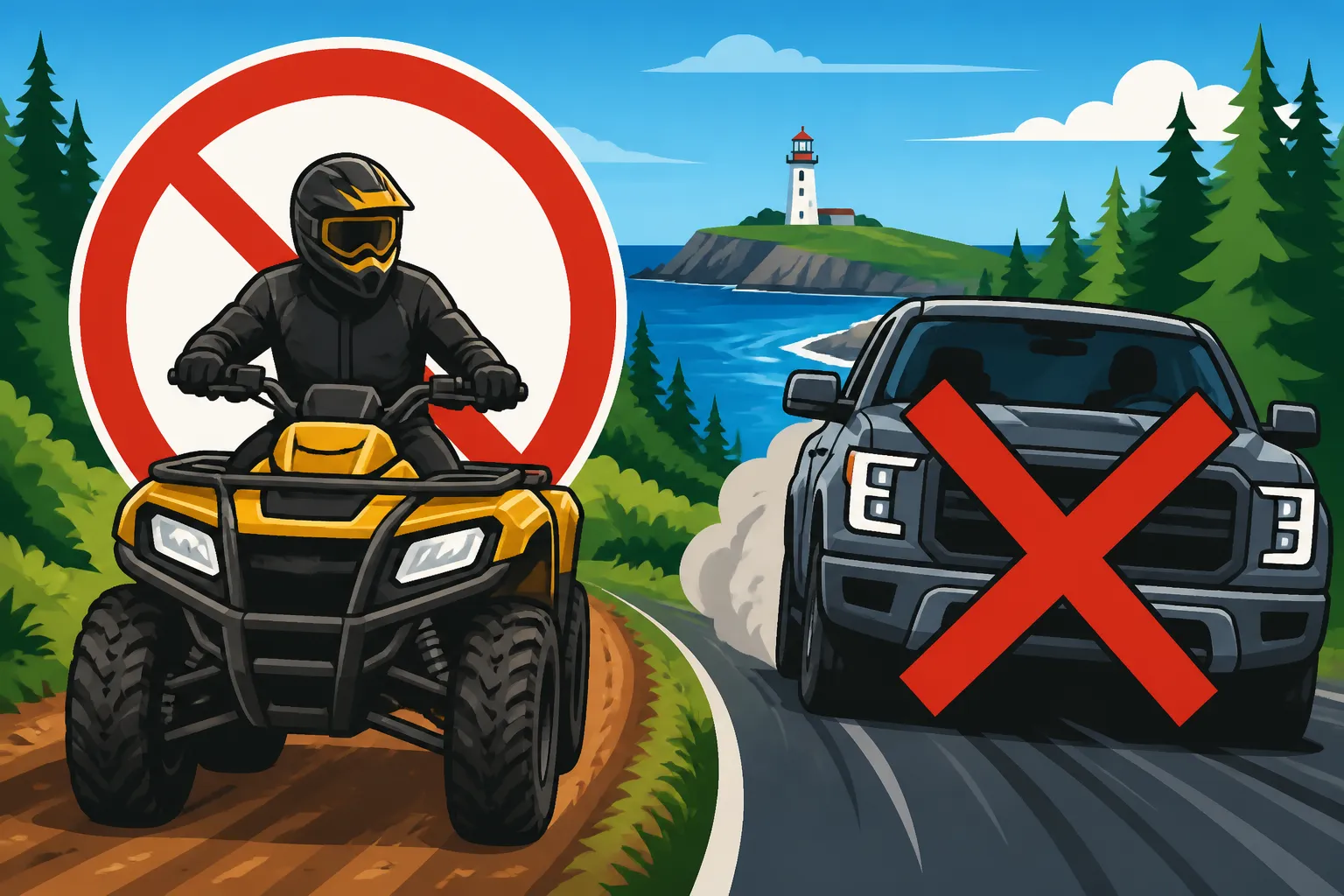
One of the most distinctive rules for off-highway vehicles on Nova Scotia's designated road trails is the strict prohibition against passing. It’s not just a suggestion; it's a fundamental operating principle for these shared corridors. Many riders accustomed to multi-lane roads or wider trails might find this rule counterintuitive, but there are very good reasons for its implementation.
Safety First: The Rationale Behind No Passing
The primary reason Nova Scotia riders must not pass on road trails boils down to safety. Unlike a dedicated highway with multiple lanes and clear sightlines, these road trails often involve narrower shoulders, blind curves, and reduced visibility, especially when you're on a machine that sits lower or has different characteristics than a standard car. Imagine trying to pass another ATV or UTV on a gravel road, perhaps kicking up dust, just as a pedestrian or a cyclist emerges from around a bend. The potential for a collision dramatically increases.
Furthermore, these road trails often pass through residential areas, farmlands, or wooded sections where unexpected obstacles – children playing, dogs off-leash, slow-moving farm equipment, or even deer – can appear suddenly. When you’re focused on passing, your attention is diverted, and your reaction time might be compromised. The "no passing" rule minimizes speed differentials between machines, creating a more predictable and safer environment for everyone using the road trail, not just OHV riders. It's a proactive measure to prevent accidents before they happen, recognizing the unique challenges of integrating OHVs into diverse public spaces.
Single File Operation and Yielding
Directly linked to the no-passing rule is the requirement that [Nova Scotia Riders Travel Single File]. This isn't just about formation; it's a safety directive. Riding single file ensures that you're taking up the minimum amount of space on the road trail, leaving more room for oncoming traffic, pedestrians, or cyclists. It also dramatically improves visibility, both for you to see what's ahead and for others to see your group. When machines spread out or ride abreast, they encroach on the limited road space, making it harder and more dangerous for others to pass safely (which they shouldn't be doing anyway if they are also OHVs) or for vehicles to move by on the opposite side.
In addition to single file riding, [Nova Scotia Riders Yield to Traffic]. This means giving way to all other users of the road trail – cars, trucks, bicycles, pedestrians, and even farm equipment. If you encounter a slower vehicle ahead, the expectation is not to pass, but to maintain a safe following distance and adjust your speed to match theirs. This yielding mandate reinforces the idea that OHVs are guests on these roads, and their presence should not disrupt the flow or safety of other users. It emphasizes a courteous and cautious approach, ensuring that your enjoyment of the trail doesn't come at the expense of someone else's safety or peace of mind.
Navigating Road Trails: Practical Implications of No Passing
The "no passing" rule on Nova Scotia's road trails changes the dynamic of how you ride, especially if you're used to open trails or traditional roads. It requires a shift in mindset and careful planning, particularly when riding in groups or encountering varied conditions.
Managing Group Rides and Pace
Riding in a group is one of the most popular ways to enjoy the trails, but the no-passing rule introduces a new element to manage. On a road trail, maintaining a consistent and safe pace for the entire group becomes paramount. The lead rider effectively sets the speed for everyone behind them, and there's no opportunity for faster riders to overtake slower ones. This means communication is key. Before setting out, groups should discuss their desired pace, ensuring everyone is comfortable with it. If you have riders of varying skill levels or machines with different capabilities, the group's speed should be set to accommodate the slowest member.
Imagine a scenario where you're on a beautiful stretch of the trail near Antigonish, and one rider in your group is particularly keen on sightseeing, slowing down to take in the views. Without the ability to pass, the entire group must adjust their pace to match. This isn't a bad thing; it encourages a more cohesive and social riding experience, where everyone stays together. It also means that if you're using aftermarket accessories from a company like SuperATV, perhaps a larger storage box or a windshield, it won't impact your ability to keep up, as long as the entire group is maintaining a steady speed. The focus shifts from individual speed to collective enjoyment and safety.
Encountering Slower Vehicles or Obstacles
What happens when you encounter a slower OHV ahead of you, a cyclist, a jogger, or even a vehicle making frequent stops along the road trail? The rule is clear: you cannot pass. Your responsibility is to slow down, maintain a safe following distance, and proceed cautiously. This might mean adjusting your speed significantly, even if it feels inconvenient. The same applies to unexpected obstacles like fallen branches, wildlife, or even a temporary work crew. You must approach with caution and only proceed when it's safe to do so, without attempting to go around if it means leaving the designated path or entering an unsafe zone.
Consider a situation where you're riding through a more populated section, perhaps connecting two trail segments, and you come across an elderly resident taking a leisurely stroll with their dog. Your natural instinct might be to gently pass, but on a Nova Scotia road trail, you must slow to their pace, giving them ample space and ensuring they feel safe. If the obstacle completely blocks the path, you might need to stop, signal your presence respectfully, and wait for them to move or for an opportunity to proceed safely within the rules. This deliberate approach might extend your travel time, but it’s crucial for fostering good relations with local communities and ensuring the long-term viability of these road trails. It’s about patience and respect, not speed.
Related Road Trail Operating Rules
The "no passing" rule doesn't exist in a vacuum; it's part of a broader set of operating regulations designed to ensure safety and harmony on Nova Scotia's road trails. Understanding these interconnected rules helps paint a complete picture of what's expected of riders.
Speed Limits and Right-of-Way
When you're prevented from passing, adherence to speed limits becomes even more critical. On Nova Scotia's road trails, a specific speed limit applies. You're generally expected to keep to [25 km/h on a Road Trail], which is significantly lower than typical road speeds. This reduced speed directly supports the no-passing rule by minimizing the temptation and the need to overtake slower vehicles. If everyone is moving at a relatively slow and consistent pace, the risks associated with passing are naturally reduced.
Beyond speed, the concept of right-of-way is paramount. As OHV operators, we are often required to yield to other traffic. This means if you're on a road trail and encounter an oncoming car or a pedestrian, the expectation is that you will move over, slow down, or even stop to allow them to pass safely and unhindered. This yielding behavior reinforces the single-file rule and the no-passing policy, creating an environment where all users feel respected and secure. It's not about asserting your right to be on the trail, but about ensuring everyone can share it safely. This cooperative spirit is fundamental to the success of the road trail system, allowing diverse users to coexist.
Required Equipment and Visibility
Operating an OHV on a road trail means your machine needs to be visible and safe, especially when you can't rely on passing to get around potential hazards. [Nova Scotia Lighting Requirements] are stringent for a reason. Your machine must be equipped with working headlights and taillights, and these need to be on during operating hours, which can extend from half an hour before sunrise to half an hour after dusk. This enhanced visibility is crucial when sharing the road with other traffic, as it ensures you are seen, even if you are moving slowly or pulling over.
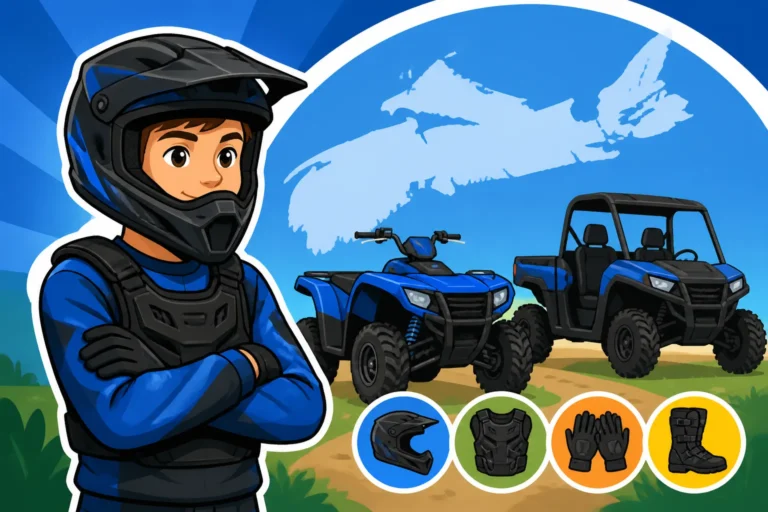
Consider an evening ride near the coast. Fog can roll in quickly, drastically reducing visibility. Having proper, functioning lights is not just a legal requirement but a life-saving measure. Riders might also consider adding auxiliary lighting from brands like SuperATV, specifically designed for improved visibility and safety, even if it's just to make their machine more noticeable to other users. Reflective gear for yourself is also a smart choice. Additionally, [Nova Scotia Helmet Law for Riders] is universal; you must wear an approved helmet, regardless of whether you're on a dedicated trail or a road trail. Eye protection is also highly recommended. All these equipment rules contribute to a safer riding experience, particularly when the ability to maneuver around hazards by passing is removed. It's about being seen and protected, rather than relying on evasive actions.
Penalties for Non-Compliance and Enforcement
Disregarding the "no passing" rule, or any other road trail regulation, isn't just a matter of poor etiquette; it carries real consequences. Law enforcement officers are tasked with ensuring the safety of these shared pathways, and they take violations seriously.
What Happens If You Pass
If an off-highway vehicle operator is observed passing another vehicle on a designated Nova Scotia road trail, they can expect to face penalties. The specific fine might vary depending on the exact circumstances and the discretion of the officer, but generally, [Nova Scotia Ticket Costs for Riders] can be significant. These aren't just minor slaps on the wrist; they are designed to deter dangerous behaviour and emphasize the importance of the rules.
Beyond monetary fines, a conviction could lead to points on your driving record if it's tied to your driver's license, or even a temporary suspension of your OHV operating privileges. It's a clear message: the privilege of using these road trails comes with the responsibility of strict adherence to the rules. Imagine planning a long-awaited weekend ride with friends, only to have it cut short by a ticket and the requirement to turn back because of a moment of impatience. It’s a costly lesson, both financially and in terms of lost riding time. The authorities want to see these trails used safely, and consistent enforcement is how they achieve that goal.
Officer Discretion and Public Safety
Law enforcement officers, whether RCMP or local police, patrol road trails and other OHV areas to ensure compliance. When an officer observes a rider passing, they're not just looking at a technical violation; they're assessing a potential risk to public safety. An officer has discretion in how they apply the law, but a clear violation like passing is often straightforward. They understand that these road trails are shared spaces, and a single act of unsafe riding can endanger pedestrians, cyclists, other OHV users, and even motorists who may be present.
The presence of OHVs on public roads is still relatively new in many areas, and public perception plays a big role in the continued expansion and acceptance of these trails. Incidents caused by riders ignoring rules like "no passing" can quickly erode public trust and lead to calls for more restrictions, or even the closure of road trail sections. Officers are keenly aware of this dynamic. Their enforcement efforts are not just about penalizing individuals but about upholding the integrity of the road trail system for the benefit of all users. Therefore, riders should always assume that rules will be enforced and conduct themselves in a manner that promotes safety and positive community relations. It’s about being a responsible ambassador for the sport.
Riding Etiquette and Road Trail Harmony
Adhering to rules like "no passing" isn't just about avoiding fines; it's about being a responsible, courteous, and welcome participant in the shared use of Nova Scotia's road trails. Good etiquette ensures that everyone, from OHV riders to local residents, can enjoy these spaces harmoniously.
Sharing the Road with Other Users
The beauty of Nova Scotia's road trail system is its multi-use nature, but this also means you'll encounter a diverse range of other users. You might share a segment with a local farmer on a tractor, families out for a walk with their children, cyclists enjoying a scenic route, or even someone out for a jog. The "no passing" rule, combined with the [Nova Scotia Riders Yield to Traffic] directive, is fundamental to [Sharing a Rail Trail With Cyclists] and other users. This means being mindful of your speed, noise levels, and overall presence.
When you approach other users, slow down significantly. A friendly nod or wave can go a long way in fostering good relations. Avoid sudden movements or loud revving of your engine that might startle pedestrians or animals. Remember that not everyone is accustomed to OHVs, and some might even be a little apprehensive. By demonstrating courtesy and adherence to the rules, you help build a positive image for all OHV enthusiasts. For instance, if you have a powerful UTV equipped with SuperATV's high-performance tires, it's still crucial to remember that its capabilities should be tempered with caution and respect when sharing narrow stretches with non-motorized users. The goal is to minimize your impact and ensure a pleasant experience for everyone.
Best Practices for a Smooth Ride
To ensure a smooth, enjoyable, and compliant ride on Nova Scotia's road trails, consider adopting these best practices:
- Plan Your Pace: If riding in a group, agree on a pace that suits the slowest rider and stick to it. This eliminates the temptation to pass and keeps the group together.
- Maintain Distance: Always keep a safe following distance from the machine in front of you, even when moving slowly. This provides a buffer for sudden stops and allows for better visibility.
- Anticipate and React Early: Constantly scan the path ahead for other users, vehicles, or potential obstacles. The earlier you spot them, the more time you have to adjust your speed and position safely without needing to pass.
- Signal Intent Clearly: If you need to slow down dramatically or pull over (only if safe and legal), use clear hand signals or turn signals to inform those behind you.
- Minimize Dust and Noise: Be aware of your environmental impact. Excessive dust can bother residents and other trail users, and loud exhaust can be a nuisance. Keep your machine well-maintained to minimize noise, and avoid unnecessarily revving your engine.
- Carry Necessary Documentation: Always have your registration, insurance, and operator's license (if applicable) readily available. An officer may request to see these, and being prepared makes for a smoother interaction. For example, [Carrying Papers on a Coastal Ride] is not just smart, it's mandatory.
- Stay Informed: Road trail rules can evolve, and new sections might open or close. Check local municipal websites and provincial resources regularly to stay updated on current regulations and conditions.
By embracing these practices, you contribute to a positive and sustainable future for OHV riding on Nova Scotia's incredible road trail network. It’s about riding responsibly and being a good neighbour on the trail.
Here's a quick reference table for Nova Scotia Road Trail Operating Rules:
| Rule Category | Specific Rule | Explanation |
|---|---|---|
| Passing | Nova Scotia Riders Must Not Pass | Prohibited to overtake another vehicle or OHV on designated road trails. Maintain single file and safe following distance. |
| Formation | Nova Scotia Riders Travel Single File | Machines must operate in a single file formation, especially when other traffic or users are present. |
| Speed Limit | 25 km/h on a Road Trail | Maximum operating speed on most designated road trail segments. Adjust speed for conditions and other users. |
| Right-of-Way | Nova Scotia Riders Yield to Traffic | OHVs must yield to all other users (vehicles, pedestrians, cyclists, farm equipment). |
| Operating Hours | Half an Hour Before Sunrise to Half an Hour After Dusk | OHVs are generally restricted to daylight hours, with some flexibility for early morning or late evening rides under specific conditions. |
| Required Equipment | Headlight/Tail Light, Helmet | Mandatory to have working headlights and taillights, and all riders must wear an approved helmet. Eye protection is highly recommended. [Nova Scotia Headlight and Tail Light Rules] |
| Passenger Age | Passengers Nine and Older | Passengers must be 9 years of age or older and able to reach the footrests or handholds. |
| Driver's Licence | Nova Scotia Requires a Full Driver's Licence | Operators must hold a valid full driver's license (learner's permits are generally not accepted on road trails). [Do You Need a Licence for an ATV in Nova Scotia?] |
Disclaimer
This article is for general informational purposes only and does not constitute professional advice. Laws, prices and regulations vary by location and change over time. Consult a qualified professional for guidance on your specific situation.