Nova Scotia Gear Rules for Riders Under 16
It's incredibly common for parents in Nova Scotia to feel a mix of excitement and a little bit of apprehension when their kids express interest in riding an ATV or UTV. You want them to have fun, explore our beautiful province, and learn valuable skills, but naturally, safety is always front and center. Navigating the specific gear requirements for young riders can feel a bit like deciphering a complex code, leaving many wondering exactly what their child needs to wear to comply with the rules and, more importantly, stay safe. This guide will walk you through Nova Scotia's essential gear regulations for off-highway vehicle (OHV) riders under 16, breaking down each requirement so you can hit the trails with confidence and peace of mind.
Why Nova Scotia Takes Rider Gear for Youth So Seriously
When it comes to off-highway vehicles, the potential for serious injury is unfortunately a reality, especially for young, developing riders. That's why Nova Scotia, like many jurisdictions, has put specific, mandatory gear requirements in place for anyone under the age of 16. These aren't just arbitrary rules; they're based on decades of safety research and accident statistics, designed to minimize injury in the event of a fall, collision, or unexpected impact. It's about recognizing that children and teens have different vulnerabilities and reaction times than adults, and their protective equipment needs to reflect that.
The Vulnerability of Young Riders
Think about the physical differences between an adult and a young rider. Children's bones are still developing, making them more susceptible to fractures. Their heads, relative to their body size, are often larger and heavier, increasing the risk of head and neck injuries. Beyond physical attributes, their judgment and risk assessment skills are still maturing. They might not anticipate hazards as quickly or react as effectively in an emergency situation. Because of these factors, the right gear acts as a critical buffer, absorbing impacts and preventing abrasions that could otherwise lead to severe injuries. It’s an investment in their well-being every time they throw a leg over a quad or buckle into a side-by-side.
Setting the Foundation for Safe Riding Habits
Mandatory gear rules for youth also serve a broader educational purpose. By making protective equipment a non-negotiable part of every ride from an early age, Nova Scotia helps instill lifelong safe riding habits. When a helmet, eye protection, gloves, and boots become as natural as putting on a seatbelt in a car, it teaches young riders that safety is paramount, not optional. This foundational understanding carries forward as they grow, influencing their decisions and emphasizing responsibility on the trails. It's about creating a culture where safety isn't just a rule, but a deeply ingrained habit, essential for enjoying the sport responsibly in our beautiful province. For a full picture of what's expected, you'll want to review Nova Scotia's overall [Nova Scotia Helmet Law for Riders] as well.
The Essential Helmet: Non-Negotiable Protection
Without a doubt, the helmet is the single most critical piece of safety gear for any OHV rider, and it's absolutely mandatory for those under 16 in Nova Scotia. A properly fitted and certified helmet can mean the difference between a minor bump and a life-altering head injury. It's not just about meeting a legal requirement; it's about safeguarding your child's brain, which is still very much in development. Skimping on helmet quality or fit is never worth the risk.
Accepted Helmet Standards in Nova Scotia
Nova Scotia's regulations are quite clear on what constitutes an acceptable helmet. For off-highway vehicles, the helmet must meet one of several recognized safety standards. This typically includes standards set by organizations like the Department of Transportation (DOT) in the United States, the Snell Memorial Foundation, or the British Standards Institution (BSI). You'll usually find a sticker or label inside the helmet indicating which standard it meets. This isn't the place for a bicycle helmet or a construction hard hat; those simply aren't designed to protect against the types of impacts common in OHV riding. When you're shopping, make sure to look for these certifications to ensure the helmet offers adequate protection. It's a key part of [What a Rider Under 16 Must Wear].
Ensuring a Proper Fit for Growing Heads
A helmet, no matter how certified, is only as good as its fit. For young riders, this can be a particular challenge because their heads are growing. A helmet that's too loose can shift during a ride or an impact, reducing its protective capabilities. One that's too tight will be uncomfortable and could even impair concentration. When fitting a helmet, it should sit snugly on the head without painful pressure points. It shouldn't move side-to-side or front-to-back when the chin strap is fastened. The eye port should provide a clear, unobstructed view. Don't forget that as children grow, their helmet size will change, so regular checks and replacements are part of the ongoing commitment to their safety. You might even consider brands like SuperATV for helmet accessories that can help with comfort and storage, keeping their essential gear in top condition.
Protecting Their Eyes: Beyond Just Goggles
While head protection is paramount, protecting the eyes is almost equally important, especially when riding on dusty trails, through wooded areas, or even just against the wind and sun. Nova Scotia's rules mandate proper eye protection for youth riders, and for good reason. Debris, insects, low-hanging branches, or even mud kicked up by another machine can cause serious eye injuries or, at the very least, impair vision and lead to an accident.
The Requirement for Approved Eye Protection
The regulations specify that riders under 16 must wear eye protection that meets a recognized safety standard. This generally means goggles or a face shield that is integrated into a full-face helmet. The key is that the eyewear must be shatter-resistant and offer clear, unobstructed vision. Regular eyeglasses or sunglasses typically don't cut it, as they aren't designed to withstand the impacts and flying debris common to off-road riding. When choosing eye protection, ensure it fits well with the helmet and creates a seal around the eyes to keep out dust and wind. This detail is often overlooked but is crucial for both safety and comfort on a long ride.
Choosing Durable and Fog-Resistant Options
Anyone who's ridden in varying Nova Scotian weather knows that fogging can be a real issue with eye protection. When visibility is compromised, safety goes out the window. Look for goggles with anti-fog coatings or designs that allow for good airflow to prevent condensation. Durability is another major consideration; lenses should be scratch-resistant to maintain clarity and sturdy enough to withstand impacts. For instance, some aftermarket accessory companies like SuperATV offer robust goggle options that stand up to the rigors of off-road use, making sure your child can always see clearly, whether they’re navigating a wooded trail in Annapolis Valley or cruising a rail bed along the Northumberland Shore. Ensuring good quality here means less frustration for your young rider and enhanced safety for everyone.
Full Body Coverage: Long Sleeves, Gloves, and Boots
While helmets and eye protection protect the most vulnerable parts, the rest of the body also needs significant coverage, especially for younger, less experienced riders. Nova Scotia's regulations extend beyond just the head, requiring specific protective clothing to minimize scrapes, cuts, and more serious injuries. This ensemble of gear works together to create a protective shell around the rider, from their fingertips to their toes.
Understanding the Clothing Mandate
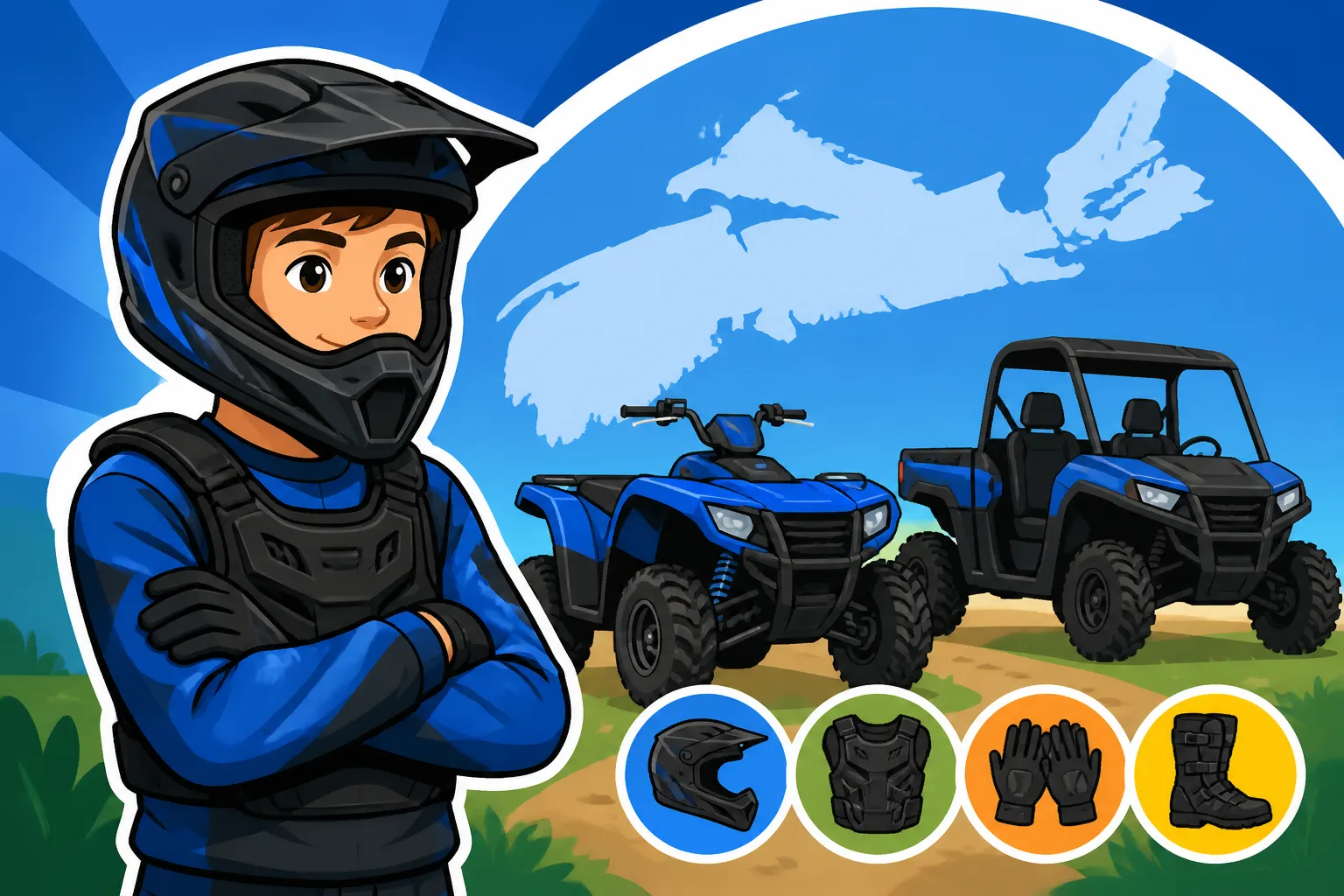
For riders under 16, Nova Scotia mandates long-sleeved shirts or jackets, long pants, gloves, and sturdy boots that cover the ankles. This isn't about fashion; it's about function. Long sleeves and pants, ideally made of durable materials like denim or specialized riding fabrics, provide a barrier against abrasions from falls, scrapes from branches, and protection from sun exposure or insects. Gloves protect the hands from blisters and cuts, improve grip on the handlebars, and can offer some impact absorption. It's about layering protection to cover as much skin as possible, recognizing that even a minor spill can lead to painful skin injuries if exposed. These requirements are a clear part of the [Nova Scotia Rules for Riders Under 16].
Footwear That Grips and Protects
Proper footwear is often underestimated but plays a crucial role in ATV safety. Nova Scotia specifically requires sturdy boots that cover the ankles. Sneakers or sandals simply won't do. Off-road riding boots are designed to offer several key benefits: they protect the ankle from twists and impacts, shield the foot from hot engine parts, and provide a firm grip on footpegs or floorboards, even in muddy or wet conditions. This secure footing helps maintain control of the machine, especially when traversing uneven terrain or performing maneuvers. Imagine trying to shift your weight or plant your foot during an unexpected stop with flimsy shoes—it’s just not safe. So, invest in a good pair of riding boots that are comfortable but provide the necessary support and protection.
Beyond Gear: Sizing the Machine and Supervision
While the gear itself is vital, a young rider's safety also heavily depends on the machine they're riding and the supervision they receive. Nova Scotia's regulations smartly weave these elements together, recognizing that even the best gear can't fully compensate for an improperly sized machine or inadequate supervision. It's a holistic approach to youth safety that puts the responsibility squarely on adults to make informed choices. The rules around [Nova Scotia Engine Size Guidance for Youth] are particularly important here.
Matching the ATV to the Rider's Size
One of the most critical aspects of youth ATV safety is ensuring the machine is appropriately sized for the rider. Nova Scotia guidelines emphasize this, stating that the machine must fit the rider. This means the rider should be able to comfortably reach the handlebars, operate the throttle and brakes, and, most importantly, have enough strength and dexterity to control the machine safely. Their feet should be able to touch the ground or footrests firmly. Putting a child on a machine that's too large or powerful for them dramatically increases the risk of loss of control and accidents. Many manufacturers produce youth-specific models with scaled-down dimensions and lower engine displacements to cater to different age groups, often categorized as Category A or Category B machines. Taking the time to ensure a proper machine fit is just as important as ensuring proper helmet fit. This principle is clearly outlined in topics like [Choosing a Machine That Matches the Rider's Size].
The Critical Role of Adult Supervision and Training
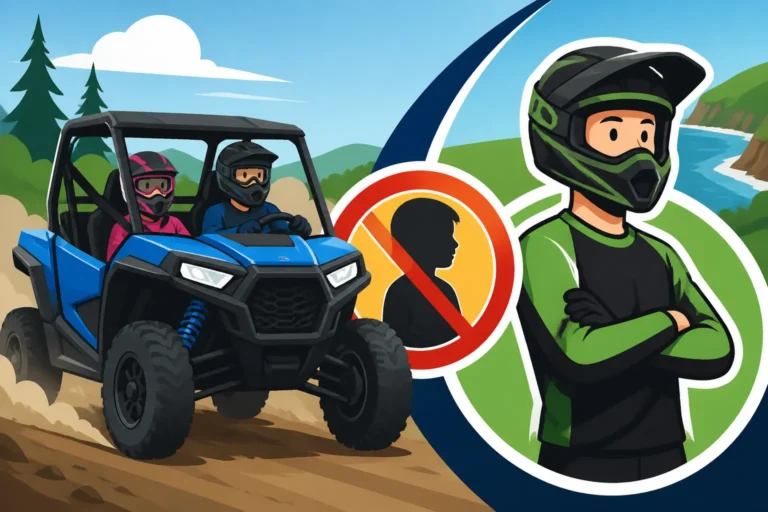
Nova Scotia's commitment to youth safety extends to mandating proper supervision for young riders. Generally, riders under a certain age (often 16) must be supervised by an adult who is at least 19 years old and has completed an approved OHV safety training course. This supervisor isn't just present; they're actively monitoring the young rider, providing guidance, and intervening if necessary. Beyond immediate supervision, it's highly recommended that young riders complete an accredited OHV safety course themselves. These courses teach critical riding skills, hazard awareness, and responsible operation, setting them up for a lifetime of safe riding. Proper training and vigilant supervision are the twin pillars supporting a safe riding experience for our youth. You can find more specific requirements around [Nova Scotia Safety Training at 16] and [Nova Scotia Supervision Requirements].
Navigating Gear Choices for Young Riders
Choosing the right gear for your young rider can feel overwhelming with so many options available. However, focusing on quality, durability, and compliance with Nova Scotia's regulations will simplify the process. Remember, this isn't just about ticking boxes; it's about providing the best possible protection for your child.
Prioritizing Quality and Durability
While it might be tempting to opt for the cheapest gear available, especially since kids grow quickly, prioritizing quality and durability is a wise long-term investment. Higher quality gear often provides better impact absorption, greater comfort, and longer-lasting materials. A helmet with better ventilation, goggles with superior anti-fog properties, or boots with reinforced ankle support will not only offer better protection but also enhance the riding experience, making it more enjoyable for your child. Durable gear can also withstand more abuse, potentially saving you money in the long run by not needing frequent replacements. Think of gear from reputable brands; sometimes aftermarket specialists like SuperATV offer robust accessories and storage solutions that complement basic safety gear, helping to keep it protected and ready for the next ride.
Where to Find Compliant Gear
Finding compliant OHV gear for youth in Nova Scotia is easier than you might think. Local ATV and power sports dealerships are an excellent starting point, as they often stock a range of youth-specific helmets, goggles, gloves, and boots that meet safety standards. Their staff can also offer valuable advice on sizing and fit. Online retailers also provide a vast selection, but be sure to double-check sizing charts and customer reviews, and always confirm that any helmet or eye protection meets the required safety certifications. Remember, purchasing gear locally also allows your child to try things on for proper fit, which is crucial. A well-fitting helmet or pair of boots makes all the difference in comfort and protection on the trails, whether you're riding in Cape Breton or down on the South Shore.
Disclaimer
This article is for general informational purposes only and does not constitute professional advice. Laws, prices and regulations vary by location and change over time. Consult a qualified professional for guidance on your specific situation.