Nova Scotia Noise Complaints About Quads
It's an unfortunate truth that as much as we love our off-highway vehicles, they can sometimes create friction with those who don't share our passion. One of the most common complaints, and certainly one that can quickly escalate, revolves around noise. This guide is here to help you understand why these complaints arise, what Nova Scotia's rules say, and how you can be a responsible rider to ensure everyone, both on and off the trails, can enjoy our beautiful province.
Understanding the Rules: What Nova Scotia Says About Noise
Riding an ATV or UTV in Nova Scotia offers incredible freedom and access to breathtaking landscapes, but that freedom comes with a responsibility to operate your machine within legal limits and with respect for others. Noise, in particular, is a topic that can quickly bring you into conflict with local residents or even law enforcement if not managed properly.
The Legal Framework and Official Limits
Nova Scotia has specific regulations under the Off-highway Vehicles Act that address noise. While you won't typically find an officer with a decibel meter waiting in the woods, the spirit of the law is clear: your machine should not create undue noise that disturbs others. This generally means that any modifications that significantly increase your machine's sound output beyond factory specifications are a no-go. The intent is to keep the peace and prevent your off-road adventures from becoming a nuisance. It's about ensuring a harmonious coexistence between riders and the communities they pass through, especially when navigating areas that border residential zones. Ignoring these general guidelines can lead to some pretty uncomfortable conversations, or worse, official intervention.
Modified Exhausts and Aftermarket Parts
This is often where the rubber meets the road, or rather, where the exhaust meets the regulatory limits. Many riders are tempted by aftermarket exhausts that promise increased performance or a more "aggressive" sound. And let's be honest, a growling engine can be thrilling! However, these modifications are a leading cause of noise complaints. A stock exhaust system is designed to meet specific noise emission standards, whereas many aftermarket pipes are not. If you've swapped out your factory muffler for something louder, you're likely operating outside the legal parameters in Nova Scotia. The law enforcement community is pretty well-versed in spotting these modifications, and they know the difference between a stock hum and an aftermarket roar. There are certainly reputable brands, and even some performance-oriented ones like SuperATV, that understand the need for compliance and offer products that aim to keep noise levels reasonable while still offering an upgrade. However, it's always on the rider to ensure their machine, post-modification, still adheres to [Nova Scotia Exhaust Noise Rules]. Trying to circumvent these rules often comes with a financial penalty, as [What a Modified Exhaust Costs You in Fines] can quickly add up.
Road Trails and Community Expectations
Nova Scotia has been expanding its network of [Nova Scotia Road Trails: Where You Can Ride], offering more opportunities for riders to connect between communities. While this is fantastic for accessibility and extending our adventures, it also means your machine is operating in much closer proximity to homes, businesses, and pedestrians. On these designated routes, the expectation for quiet operation is even higher. Imagine someone's quiet Sunday afternoon being repeatedly interrupted by loud quads passing by their home; it's easy to see how a complaint would arise. These routes are a privilege, not a right, and maintaining access depends heavily on riders showing respect for local residents. It's about being a good neighbour and recognizing that while you're enjoying the trail, others are simply trying to live their lives. Keeping noise to a minimum, particularly when you're within sight or earshot of homes, is crucial for the long-term viability and expansion of these road trail opportunities. The province publishes [Nova Scotia Road Trail Site Lists], and it's always a good idea to familiarize yourself with the specific areas where you'll be riding and the community context.
Common Scenarios Leading to Noise Complaints
It's not always intentional bad behaviour that leads to complaints; sometimes, it's simply a lack of awareness of how our machines are perceived by others. Understanding these common scenarios can help you adjust your riding habits and avoid unnecessary conflict.
Riding Near Residential Areas
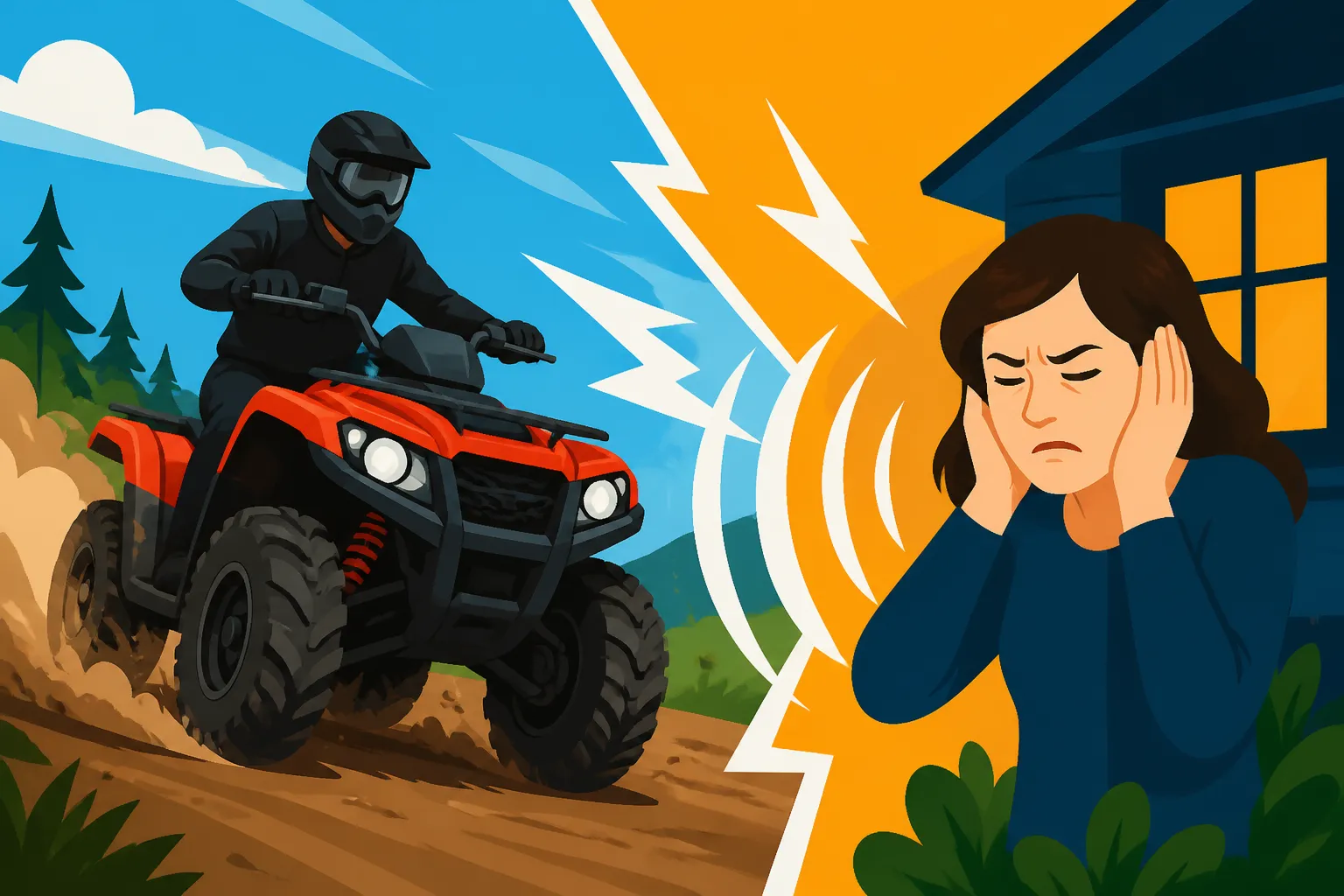
Picture this: you're out for a ride, enjoying the peace and quiet of the woods, and then you come around a bend and find yourself skirting the edge of a rural community. Even if your machine is bone stock and running perfectly, the sudden presence of an OHV can be jarring for residents. Noise travels, especially in quieter areas, and what sounds like a normal engine hum to you can sound like an invasion to someone else, particularly if they're trying to enjoy their backyard or have young children sleeping. This is amplified if you're riding through a hamlet that feels like an extension of the trail system but is, in fact, a residential area. The early morning wake-up call or late-evening disturbance from a passing quad can quickly sour local sentiment towards all riders. It's not just about the volume; it's about the context and the perception of intrusion.
Riding Habits and Times
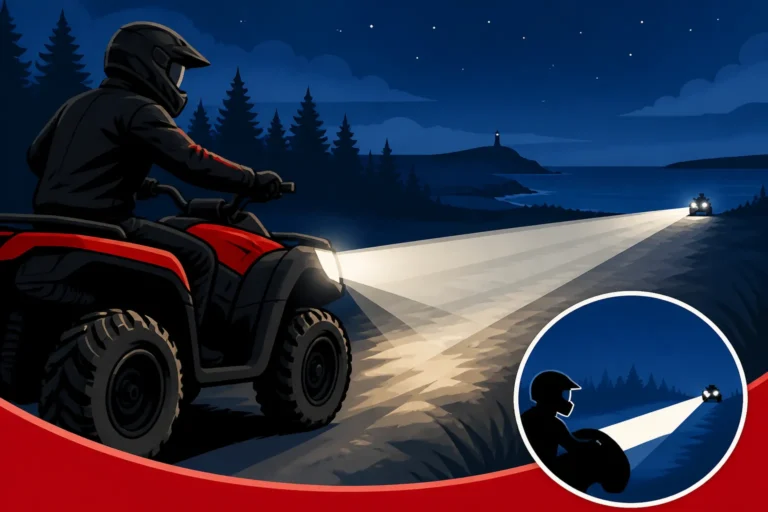
Beyond just the type of exhaust, how you operate your machine plays a huge role in noise perception. Prolonged idling outside someone's home, repeatedly revving your engine, or making multiple passes down a short stretch of trail near residences can quickly generate frustration. Think about the impact of several machines roaring past a single spot multiple times. While one pass might be tolerable, repeated passes amplify the disturbance. Timing is also critical. Riding at 6:00 AM on a Sunday morning, or late at night after 10:00 PM, is almost guaranteed to elicit complaints, regardless of your exhaust system. Most people are understanding of daytime activity, but early mornings and late evenings are typically considered quiet hours. Even on legal road trails, [Riding Quietly Past Coastal Homes] is an essential etiquette that builds goodwill, rather than resentment.
Group Rides and Volume Amplification
There's nothing quite like a group ride with your buddies, exploring the beautiful Nova Scotian landscape together. However, what sounds like camaraderie to you can sound like an overwhelming roar to a non-rider. When several machines travel in a convoy, the combined engine noise is far greater than that of a single machine. Even if each individual quad is within legal limits, the cumulative effect can be very disruptive. This is especially true when a large group passes through a small village or a residential stretch of trail. To minimize this, consider spreading out a bit, or even dismounting and walking your machines through very sensitive, short sections if feasible. It's about being aware that the total impact of your group is what residents will perceive, not just the sound of your machine.
Preventing Complaints and Being a Good Neighbour
Nobody wants to be the target of a noise complaint, and certainly, no one wants to see trail access restricted because of irresponsible behaviour. Proactive steps can go a long way in ensuring positive relationships with landowners and communities.
Equipment Checks and Maintenance
A well-maintained machine is generally a quieter machine. Regularly inspect your exhaust system for any leaks, cracks, or loose baffles that can significantly increase noise levels. A small crack in the muffler or a loose header pipe can make your quad sound much louder than it should. Keep your engine tuned, your air filter clean, and your overall machine in good working order. These simple maintenance checks not only help prevent noise complaints but also ensure your machine runs more efficiently and reliably, extending its lifespan. Sometimes, the problem isn't a modified exhaust, but simply a neglected one. Taking the time to keep your machine in top shape is a win-win situation for both you and those around you.
Mindful Riding Practices
Being a responsible rider goes beyond just following the letter of the law; it's about adopting a mindset of respect and consideration. When you're approaching or riding through residential areas, slow down considerably. Avoid aggressive throttle inputs or excessive revving. If you're going to stop and chat, pull off the trail and turn your engine off if you're near homes. Think about the impact of your actions. Choosing to ride during reasonable hours is also a critical part of this. Weekends are popular for riding, but remember that many people are enjoying their property, and loud machines can quickly disrupt their peace. For those considering performance upgrades, always prioritize options that comply with noise regulations. Brands like SuperATV understand this balance and offer products that aim to enhance performance without making your machine unnecessarily loud. It's about finding that sweet spot where you can enjoy your ride while still being a good steward of the trails and a good neighbour. Remember, when you're out on the trails, you're an ambassador for all OHV riders.
Engaging with Local Communities
Sometimes, complaints stem from a lack of understanding between riders and non-riders. Getting involved with local clubs, many of which are part of the [Nova Scotia ATV Trails: The ATVANS Network], can be a fantastic way to bridge this gap. Clubs often engage in trail maintenance, community events, and advocacy, which helps build positive relationships. Supporting these efforts and showing a visible commitment to responsible riding can significantly improve how OHVs are perceived. Perhaps your club could organize a "meet the riders" event in a local community or volunteer for a non-riding community project. These kinds of engagements demonstrate that riders are responsible members of the community, not just a source of noise. A simple wave or friendly nod to residents you pass on [Nova Scotia Road Trails: Where You Can Ride] can also go a long way in fostering goodwill.
What Happens When a Complaint Is Filed?
Despite our best efforts, sometimes complaints still happen. It’s important to understand the potential consequences and how to navigate the situation if you ever find yourself on the receiving end of a noise complaint.
Enforcement and Penalties
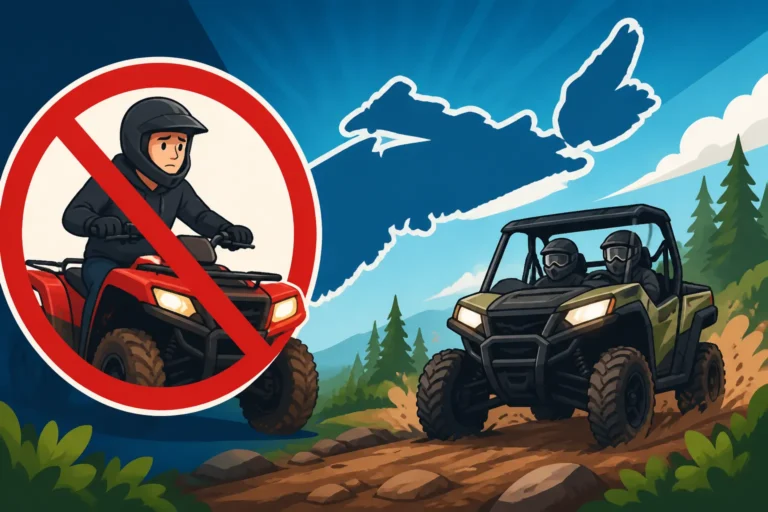
If a noise complaint is serious enough, or if it's part of a pattern in a particular area, law enforcement may get involved. Officers have the authority to pull you over if they suspect your machine is violating noise regulations, especially if your exhaust is visibly modified or excessively loud. The outcomes can vary: you might receive a verbal warning, a written warning, or a formal ticket. [Nova Scotia Ticket Costs for Riders] can be significant, and repeated violations can lead to even harsher penalties, potentially including your machine being impounded. Officers often check for compliance with [Nova Scotia Rules for a Side-by-Side Driver] and other machine-specific regulations as part of their routine checks, and noise is definitely on their radar. It's not just about the sound; it's about operating your machine in a manner that's deemed reckless or a nuisance, which is taken seriously.
Dispute Resolution and Advocacy
If you receive a complaint or a ticket related to noise, it’s crucial to handle it respectfully. Remaining calm and polite with law enforcement, even if you disagree, is always the best first step. If you believe the complaint is unfounded, or if you've been ticketed unfairly, you have the right to dispute it. Gather any evidence you might have, such as proof your exhaust is stock or photos of the area showing you were far from residences. Reaching out to your local ATV club or the provincial ATVANS association can also be beneficial. They often have experience with similar situations and can offer advice or even provide advocacy. Understanding the specific regulations, such as [Nova Scotia Sound Limits on Trails], will be key if you need to defend your case. The goal is always to resolve the issue constructively and demonstrate your commitment to responsible riding, ensuring that these isolated incidents don't lead to broader restrictions on our cherished trails.
| Exhaust Type | Noise Level (Relative) | Risk of Complaint | Legal Status (NS) | Common Rider Sentiment |
|---|---|---|---|---|
| Factory/Stock | Low to Moderate | Low | Compliant | "Quiet but reliable." |
| Aftermarket | Moderate to High | Moderate to High | Often Non-Compliant | "Sounds aggressive, more power!" |
| Damaged/Leaky | High | High | Non-Compliant | "Needs fixing, embarrassing." |
Disclaimer
This article is for general informational purposes only and does not constitute professional advice. Laws, prices and regulations vary by location and change over time. Consult a qualified professional for guidance on your specific situation.