Nova Scotia Riders Yield to Traffic
Riding an ATV or UTV in Nova Scotia offers an incredible sense of freedom, connecting you with our province's stunning natural beauty. However, when those trails intersect with or become shared public roads, things can get a little confusing, and frankly, a bit stressful. Many riders worry about the specific rules for interacting with other traffic, and the question of "who yields to whom" can often lead to hesitation and uncertainty. This comprehensive guide is designed to cut through that confusion, clearly explaining your responsibilities as an off-highway vehicle (OHV) operator when sharing Nova Scotia's designated road trails and public roadways, ensuring you ride confidently and safely.
Navigating Nova Scotia's Unique Road Trail System
Nova Scotia has been proactive in creating a framework that allows OHVs to connect trails and access communities, but this also means understanding a new set of rules. It’s not just about hitting the dirt; sometimes, it's about sharing the pavement, and that requires a different mindset and adherence to specific laws.
The Genesis and Purpose of Road Trails
For years, riders felt disconnected, often having to trailer their machines short distances just to get from one trail segment to another, or to grab a bite in a nearby town. The idea behind Nova Scotia's road trails was to bridge these gaps, creating a more cohesive and accessible network for the OHV community. These are not full-speed highways; rather, they are specific sections of public roads where OHVs are permitted, under strict conditions, to travel. It's about enhancing the riding experience while maintaining public safety for everyone who uses the roads, whether they're in a car, on a bicycle, or operating an OHV. These road trails open up new possibilities for exploration, allowing riders to link extensive trail systems and truly experience Nova Scotia's diverse landscapes, from the coastal routes to the inland forests. The goal is to facilitate responsible recreation, connecting communities and trails in a way that benefits both riders and local businesses, making multi-day trips and longer excursions much more viable.
The Legal Foundation: Nova Scotia's Road Trails Act Explained
The rules governing where and how you can ride your OHV on these shared routes are not arbitrary; they are enshrined in law. The [Nova Scotia's Road Trails Act Explained] is the primary piece of legislation that outlines the parameters for OHV use on public roads. This Act dictates everything from speed limits and operating hours to mandatory equipment and, critically, how OHV operators must interact with other road users. It's a careful balance between enabling access for riders and protecting the safety of the general public. Failing to understand these foundational rules can lead not only to tickets and fines but also to dangerous situations for yourself and others. This Act really represents a significant step in formalizing OHV use, moving it beyond informal arrangements and into a regulated environment. It acknowledges the growing popularity of OHVs while also imposing the necessary structure to ensure integration into existing traffic patterns without undue risk.
Who Oversees These Regulations?
While the Provincial government establishes the overarching framework through the Road Trails Act, the practical implementation and enforcement involve multiple layers. The Department of Public Works, local municipalities, and law enforcement agencies like the RCMP and local police all play a role. Municipalities have the option to designate certain roads or sections as "road trails" within their jurisdiction, often in consultation with local ATV clubs and community groups. This localized approach means that rules can sometimes vary slightly from one area to another, emphasizing the need for riders to be diligent in checking specific regulations for their intended riding area. For instance, a small town might opt for a whole-town access trial, temporarily opening all its streets to OHVs, while a more populous area might stick to very specific connector roads. It's not a "one size fits all" situation across the province. Local law enforcement officers are tasked with ensuring compliance, and they do take these regulations seriously.
The Fundamental Rule: Why You Must Yield to Traffic
When an OHV is operating on a designated road trail, it enters a domain shared with other vehicles that have traditionally used those roads. This fundamentally changes the dynamic from purely trail riding. The core principle here is straightforward: OHVs are considered secondary users, and therefore, the onus is on the OHV operator to yield to conventional motor vehicle traffic. This isn't just a suggestion; it's a legal requirement designed to prevent collisions and maintain the smooth flow of traffic.
Defining "Traffic" on Shared Road Trails
When the regulations state that OHV riders must yield to "traffic," what exactly does that encompass? It's broader than just cars and trucks. "Traffic" generally refers to any other vehicle or pedestrian legally using the roadway or pathway you are on or about to enter. This includes:
- Motor Vehicles: Cars, trucks, SUVs, motorcycles, and commercial vehicles. These are the primary users of public roads, and your OHV must always give way to them.
- Bicycles: Cyclists, while also often sharing the road, are considered conventional traffic in this context, and OHV riders must yield to them.
- Pedestrians: Individuals walking along the road or crossing it have the right-of-way, especially in designated crosswalks, but even outside them.
- Emergency Vehicles: Police cars, fire trucks, and ambulances, regardless of whether their lights and sirens are active, demand immediate and unequivocal yielding.
Understanding this broad definition is key. It's easy to think of "traffic" as just the fast-moving cars, but it's crucial to remember that you are sharing the space with everyone else who is legally entitled to be there. Your machine is a guest on these roads.
The "Yield" Principle in Practice
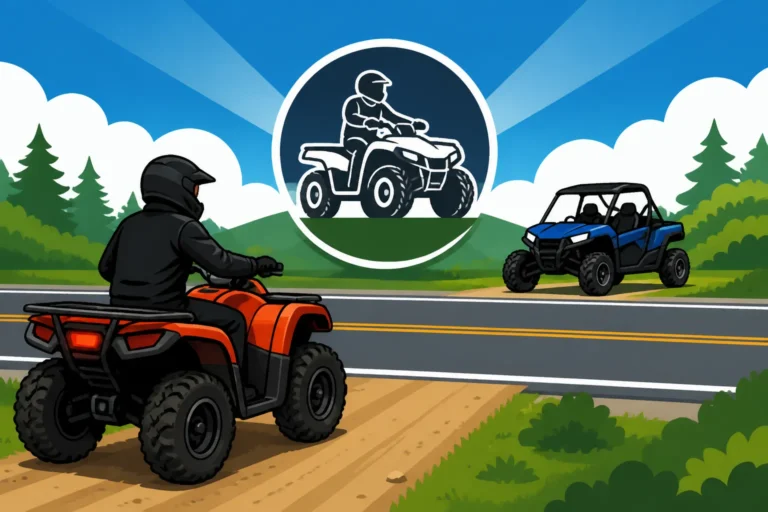
So, what does it truly mean to "yield"? It means giving way to other vehicles or pedestrians by slowing down, stopping, or changing your course to avoid impeding their movement. It's about surrendering the right-of-way. Imagine you're approaching an intersection on a road trail and there's a car approaching from a different direction on the main road. Even if there isn't a "yield" sign specifically telling you to yield, the general rule of [Nova Scotia Riders Yield to Traffic] dictates that you must assess the situation and, if necessary, stop to allow that car to pass safely before proceeding.
This principle extends beyond intersections. If you're riding along the shoulder of a road trail and a car needs to merge or is coming up behind you in a way that suggests you might impede them, you are expected to make adjustments. It's not about playing a game of chicken; it's about anticipating potential conflicts and proactively de-escalating them. This is especially critical when road trails intersect with or run parallel to higher-speed provincial highways, even if you are restricted to a lower speed, such as [25 km/h on a Road Trail]. A moment of hesitation or misjudgment can have severe consequences, so being overtly cautious and always assuming you must yield is the safest approach.
Distinguishing Yielding from Other Traffic Laws
It's important not to confuse the general yielding principle with other specific traffic laws. While yielding is about giving way, it's distinct from:
- Stopping at a Stop Sign: Here, you are legally required to come to a complete halt, regardless of whether other traffic is present, before proceeding when safe.
- Giving Way at a Flashing Red Light: This is essentially treated like a stop sign; you stop, then proceed when safe.
- Right-of-Way at Uncontrolled Intersections: While there are rules about who goes first (e.g., the vehicle on the right), the OHV yielding rule generally supersedes these when interacting with conventional vehicles.
The "yield to traffic" rule for OHVs on road trails is an overriding principle. It establishes that, as an OHV operator, you are always the one expected to adapt to the presence of conventional traffic, ensuring their unimpeded movement. This means being extra vigilant, particularly in areas where road trails might be less clearly marked or where the transition between a traditional trail and a road trail is subtle. It also means you should always assume conventional traffic has the right-of-way over your OHV, even if a situation seems ambiguous. This cautious approach significantly reduces the risk of collisions and misunderstandings.
Practical Scenarios: When and How to Yield Effectively
Knowing the rule is one thing; applying it safely and effectively in real-world riding situations is another. Nova Scotia's road trails present various scenarios where yielding becomes paramount. Being prepared for these moments can make all the difference in preventing accidents and ensuring a smooth ride.
Approaching Intersections and Driveways
Intersections are perhaps the most common points of conflict on road trails. Whether it's a cross-road, a T-intersection, or even a busy commercial driveway, your approach needs to be one of heightened awareness and caution.
- Cross-Roads: When a road trail crosses a public road, you must treat it with extreme deference. Even if there's no stop sign on your side, the default is to slow down significantly, look both ways multiple times, and only proceed when there is ample space and time to do so without causing other vehicles to slow down or alter their course. If there's a conventional vehicle approaching, you must stop and wait. This applies equally if the cross-road itself is a designated road trail. Remember, other vehicles on those roads likely expect to proceed unimpeded.
- T-Intersections and Merges: If your road trail merges onto a main road, you are essentially entering a flow of traffic. This requires coming to a near stop, looking over your shoulder, and waiting for a safe gap. Just like a car merging onto a highway, you cannot force your way in. Signalling your intention, if your machine is equipped, is also a courteous and safe practice.
- Driveways and Entrances: While perhaps less formal than road intersections, driveways to homes, businesses, or even other trails still require vigilance. Vehicles exiting a driveway might not be expecting an OHV, and vehicles entering might be turning across your path. Slow down, make eye contact if possible, and be ready to stop if any vehicle signals an intention to enter or exit. The general yielding rule still applies; don't assume they see you or that they will wait for you.
Always assume a defensive posture. Don't rely on other drivers seeing you or reacting perfectly. Be prepared to hit the brakes and give way. This is where high-visibility gear and well-maintained braking systems become absolutely critical.
Encountering Oncoming Vehicles and Overtaking Traffic
It's not just about intersections; yielding also applies to direct encounters with other vehicles on the road trail itself.
- Oncoming Traffic: If you're on a narrow section of a road trail and a conventional vehicle is coming towards you, you generally have to move to the far right, or even pull off the designated path if safe to do so, to allow them ample room to pass. Your OHV is often wider than a conventional car might anticipate on what looks like a typical road, so giving them extra space is crucial. Never hug the center line or expect them to move significantly for you. Your goal is to make their passage as unobstructed and safe as possible.
- Overtaking Traffic: When a conventional vehicle is approaching from behind and indicates an intention to pass, you are obligated to facilitate that. This means maintaining a predictable speed and line, and if the road allows, moving further to the right to create space for them to safely overtake. Never speed up or try to block a passing vehicle. This is about respecting the flow of traffic, even when you're limited to [Nova Scotia's 25 km/h Road Trail Limit]. A well-maintained mirror system, perhaps a wide-angle mirror from SuperATV, can greatly enhance your ability to monitor traffic behind you and make safe decisions. Remember, these vehicles might be travelling at a higher speed limit than your OHV, so they will close the distance quickly.
Sharing the Shoulder and Crossing Roads
Many road trails involve riding on the shoulder of a public road or making brief crossings. Each of these situations comes with its own set of rules and required yielding practices.
- Riding on the Shoulder: When riding on a designated shoulder, you must stay as far to the right as safely possible. The shoulder is often rougher, and you might encounter debris, so vigilance is key. If a vehicle needs to use the shoulder for an emergency stop, or if construction or debris forces them onto the shoulder, you must yield to them and allow them unimpeded access. Your presence on the shoulder is always secondary. This means being ready to slow down, stop, or even pull off the paved surface entirely if necessary.
- Crossing a Road Legally: There are specific rules for [Nova Scotia Rules for Crossing a Highway], which often apply to crossing any public road. You must approach the crossing at a perpendicular angle, come to a complete stop, look both ways, and only cross when it is safe to do so, ensuring you don't impede any traffic. This is a moment of extreme vulnerability for an OHV rider, so take your time and be absolutely certain the path is clear. Having a full [Nova Scotia Requires a Full Driver's Licence] is also mandatory for crossing certain paved highways, highlighting the seriousness of these maneuvers. This is not a casual dash across; it's a deliberate and highly regulated procedure.
A simple markdown table can help visualize some of these scenarios:
| Scenario | OHV Rider Action | Priority |
|---|---|---|
| Approaching Intersection | Slow, look multiple times, stop if necessary, proceed only when clear and does not impede other traffic. | Conventional Traffic > OHV |
| Merging onto Road | Come to near stop, check mirrors/over shoulder, wait for large gap, merge only when safe. | Conventional Traffic > OHV |
| Oncoming Conventional Vehicle | Move to far right of designated path/shoulder, slow down, be prepared to stop or pull off path if necessary. | Conventional Traffic > OHV |
| Overtaking Conventional Vehicle | Maintain predictable line and speed, move right if possible to facilitate safe passing. | Conventional Traffic > OHV |
| Pedestrian in Crosswalk | Stop well before crosswalk, wait for pedestrian to clear the entire crossing before proceeding. | Pedestrian > OHV |
| Emergency Vehicle (Lights/Sirens) | Immediately pull safely to the right side of the road and stop, remain stopped until vehicle has passed. | Emergency Vehicle > All Other Traffic (including OHV) |
| Riding on Shoulder | Stay as far right as safely possible, yield to any vehicle needing to use shoulder (e.g., emergency stop). | Conventional Traffic / Emergency Use > OHV |
| Crossing Highway | Stop, look both ways, cross perpendicularly only when absolutely safe and clear, do not impede traffic. | Conventional Traffic > OHV (crossing is a privilege, not a right to interrupt flow) |
Consequences of Non-Compliance and Enforcement
Disregarding the "yield to traffic" rule and other road trail regulations isn't just a matter of poor etiquette; it carries significant legal repercussions. Law enforcement in Nova Scotia takes these rules seriously, particularly as the road trail network expands and the interaction between OHVs and conventional traffic becomes more frequent.
Understanding the Penalties for Violating Yield Rules
The penalties for failing to yield, or for other infractions on Nova Scotia's road trails, can range from substantial fines to more severe consequences. For instance, [Nova Scotia Fines for an Unregistered Machine] can be steep, and fines for violating traffic rules are no different. While specific fine amounts are subject to change and are best confirmed through official government sources, you can generally expect:
- Monetary Fines: A ticket for failing to yield will result in a significant fine. These aren't small nuisance fees; they are designed to be a deterrent and can quickly add up, especially if combined with other infractions.
- Demerit Points: In some cases, violations on road trails could lead to demerit points on your conventional driver's license, especially if a driver's license is required for the specific road trail activity (like crossing a highway). This can impact your insurance rates and even lead to license suspension if you accumulate too many points.
- Machine Impoundment: In severe cases, or for repeat offenders, law enforcement has the authority to impound your OHV, adding tow fees and storage costs to your woes.
- Court Appearances: Disputing a ticket may lead to a mandatory court appearance, which means lost time and potentially legal fees.
It's crucial to remember that these penalties are in place for a reason: to protect everyone. A moment of impatience or misjudgment on a road trail can have tragic consequences, and the legal system reflects that gravity.
How Enforcement Officers Interpret the Regulations
When an RCMP officer or local police officer observes an OHV on a road trail, they are looking for adherence to all relevant regulations, not just speeding. They are trained to assess situations holistically. If an officer witnesses an OHV operator failing to yield, they will consider factors such as:
- Impediment to Traffic: Did the OHV cause a conventional vehicle to brake suddenly, swerve, or otherwise alter its course?
- Aggressive Driving: Was the OHV operator clearly pushing their way into traffic or showing disregard for other road users?
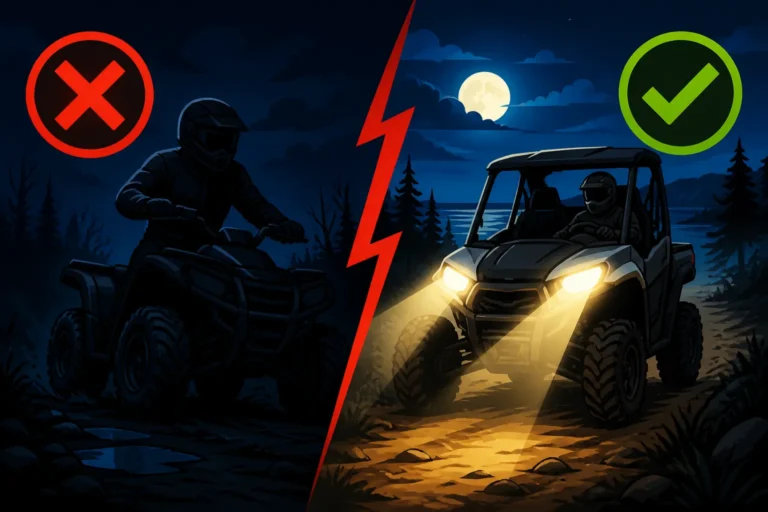
- Visibility: Was the OHV properly lit and visible, especially during [Nova Scotia Night Riding Equipment Rules]? Failure to have proper [Nova Scotia Lighting Requirements] can exacerbate a yielding issue and lead to additional charges.
- Other Infractions: Was the OHV unregistered, uninsured, or was the operator wearing a non-compliant helmet, such as one not meeting [Nova Scotia Helmet Law for Riders]? These additional factors can compound the situation and lead to multiple tickets.
Officers understand that these are shared spaces and OHV riders need to be held to a high standard of conduct. They are not out to ruin your fun, but they are there to ensure safety and compliance with the law. They're looking for clear, unambiguous actions that demonstrate you are respecting the rules of the road.
The Importance of Personal Responsibility
Ultimately, the burden of safe and legal operation on Nova Scotia's road trails falls squarely on the individual rider. It's not enough to simply know the rules; you must internalize them and make them a part of your riding habits. This means:
- Pre-Ride Checks: Before you even leave your driveway, ensure your machine is in proper working order. Are your brakes responsive? Are your lights and signals (if equipped) functioning? Is your helmet approved and in good condition? Consider additional safety gear from brands like SuperATV that enhance visibility or protection.
- Situational Awareness: Always be looking far ahead, to the sides, and behind you. Anticipate potential hazards. Don't assume other drivers see you, especially because OHVs can be less conspicuous than a full-sized vehicle.
- Patience and Courtesy: Sometimes, waiting a minute or two for traffic to clear is the safest and most responsible option. Your recreational ride shouldn't become a source of frustration or danger for others. Be courteous and give way without resentment.
- Continuous Learning: Regulations can change. Stay informed through official government channels and reputable OHV associations. Understanding rules related to who can ride, such as [Nova Scotia Rules for a Side-by-Side Driver] or age restrictions for passengers, adds to your overall responsible riding knowledge.
Embracing personal responsibility ensures your safety, protects others, and helps maintain positive relationships between the OHV community and the general public, preserving access to these valuable road trails for everyone.
Maximizing Safety and Rider Etiquette on Shared Routes
Riding on Nova Scotia's road trails is a privilege, not an inherent right. With that privilege comes the responsibility to ensure maximum safety for yourself, your passengers, and all other road users. This goes beyond simply following the letter of the law; it involves adopting an attentive and respectful riding culture.
Equipment and Visibility to Aid Safe Yielding
Your equipment plays a vital role in your ability to ride safely and adhere to yielding rules. Being seen is half the battle when sharing roads with larger, faster vehicles.
- Lighting: Ensure your machine's headlights and tail lights are fully functional, clean, and bright. Even during daylight hours, having your lights on can significantly increase your visibility. If your machine isn't factory-equipped with turn signals, consider adding aftermarket options for clear communication. Remember, [Nova Scotia Lighting Requirements] are strict for operating on these shared routes.
- Mirrors: While not always mandatory for off-road use, reliable rearview mirrors are absolutely essential on road trails. They allow you to monitor traffic approaching from behind, crucial for making safe decisions when yielding or moving over. High-quality, durable mirrors from a brand like SuperATV can make a world of difference.
- High-Visibility Gear: Your personal riding gear should be bright and conspicuous. Fluorescent colours (lime green, orange, yellow) are excellent choices, especially when combined with reflective elements for dawn, dusk, or foggy conditions. This isn't just about looking good; it's about making yourself an undeniable presence on the road.
- Braking System: Regular maintenance of your brakes is non-negotiable. On shared roads, you must be able to stop quickly and safely to yield to traffic or avoid hazards. Ensure pads are good, fluid levels are correct, and the system is responsive.
Investing in and maintaining the right equipment isn't an expense; it's an investment in your safety and the safety of everyone around you.
Developing a Proactive Mindset for Shared Roads
Safe riding on road trails isn't just about reacting to situations; it's about anticipating them. A proactive mindset sets you up for success.
- Scan Continuously: Your eyes should constantly be moving, scanning the road ahead for potential hazards, checking mirrors for traffic behind, and glancing side-to-side at intersections and driveways. Don't fixate on just one point.
- Maintain Safe Following Distances: Just as you would in a car, leave ample space between your OHV and the vehicle in front of you. This gives you more time to react if they brake suddenly or if you need to yield to oncoming traffic.
- Plan Your Movements: Before you enter an intersection or merge onto a road, mentally rehearse your actions. Where will you go? When will you brake? Where will you look? Having a clear plan reduces hesitation and makes your movements more predictable to others.
- Slow Down Early: If you see a potential conflict ahead—a conventional vehicle turning, a pedestrian, or an approaching intersection—start slowing down well in advance. This provides more time to assess and react, making yielding smoother and safer. Remember, [Nova Scotia Road Trail Operating Hours] may also dictate when you can even be on these routes, so plan your rides accordingly.
A proactive rider is a safe rider. By thinking ahead and anticipating the actions of others, you can minimize risks and ensure a more enjoyable experience on Nova Scotia's shared routes.
Respecting the Community and Other Road Users
Riding your OHV on road trails is a privilege that comes with social responsibilities. The future of access often hinges on how the OHV community is perceived by the broader public.
- Be a Good Neighbour: When passing through residential areas, keep your speed down and minimize noise. Modified exhausts that exceed legal [Nova Scotia Noise Limits on a Machine] can quickly sour public opinion and lead to stricter regulations or even closures. Be mindful that you're riding through someone's community.
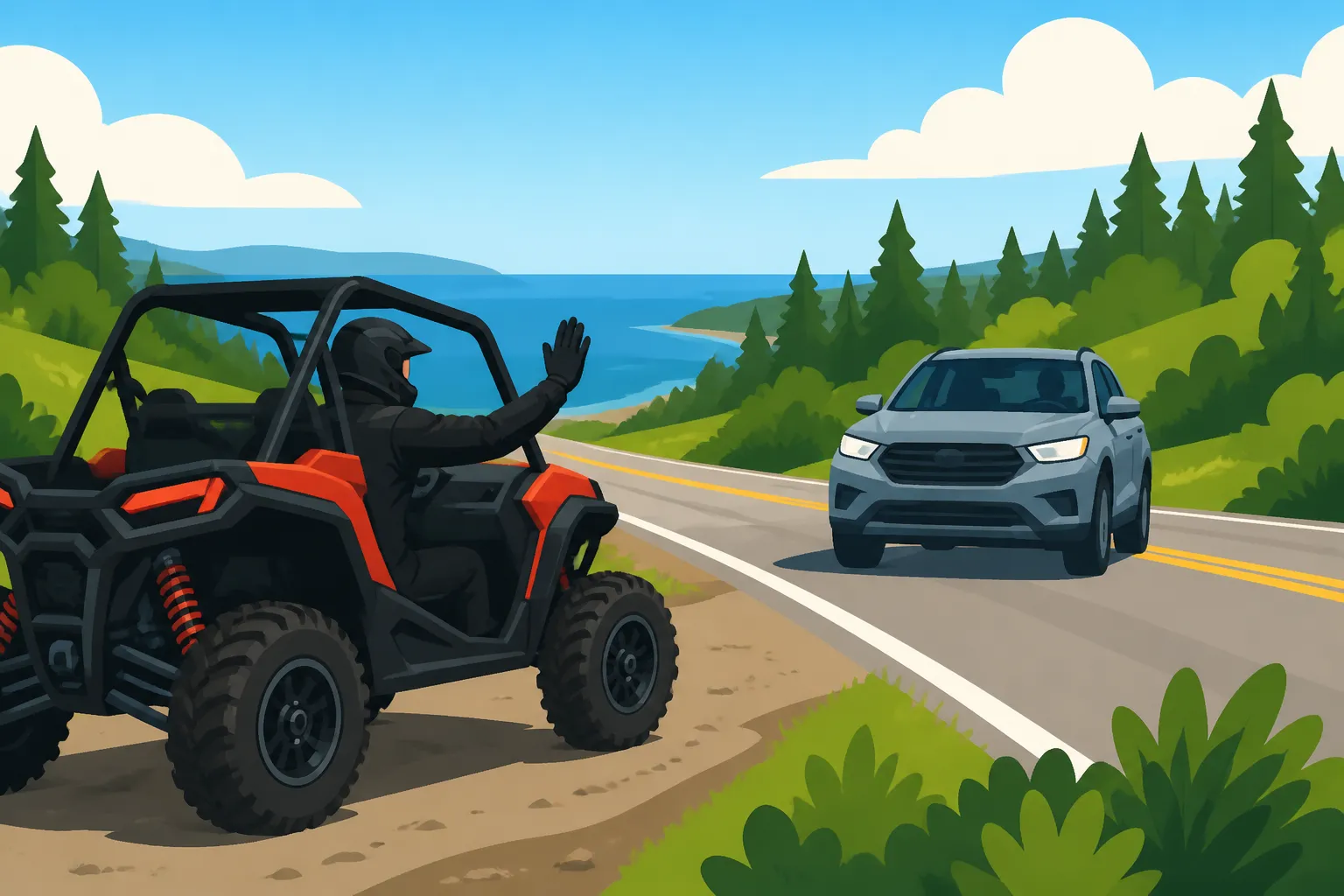
- Yield with Courtesy: When you yield to a conventional vehicle or a pedestrian, do so clearly and unequivocally. A small wave of acknowledgment can go a long way in fostering goodwill. It shows you recognize their presence and respect their right to the road.
- [Nova Scotia Riders Travel Single File]: On shared roads, this rule is paramount. Riding side-by-side can impede traffic flow, increase your footprint on the road, and make it difficult for other vehicles to pass safely. It's an easy rule to follow that greatly enhances safety and perception.
- Stay on the Designated Path: Never deviate from the marked road trail sections. Cutting through private property, riding on lawns, or ignoring "no OHV" signs will quickly erode trust and threaten future access. This also applies to protecting the environment; don't ride on vulnerable areas like beaches or dunes, which are often prohibited.
- Clean Up After Yourself: Leave no trace. Pack out everything you pack in. This helps maintain a positive image for the OHV community and ensures the trails and road trails remain pristine for everyone.
By embracing these principles of respect and courtesy, you contribute to a positive perception of OHV riding in Nova Scotia. This not only makes your own rides safer and more enjoyable but also helps ensure that the valuable road trail network remains accessible for generations of riders to come.
Disclaimer
This article is for general informational purposes only and does not constitute professional advice. Laws, prices and regulations vary by location and change over time. Consult a qualified professional for guidance on your specific situation.