Nova Scotia Road Trails in Cape Breton
It can be incredibly frustrating when you want to explore the stunning natural beauty of Cape Breton on your ATV or UTV, but you're not entirely sure which roads you can legally use. The rules around off-highway vehicles and public roads in Nova Scotia can feel like a tangled mess, leaving many riders scratching their heads. This guide is here to clear up the confusion specifically about Nova Scotia's designated road trails in Cape Breton, helping you understand where you can ride and what you need to know before you hit the trail.
Understanding Nova Scotia's Road Trail Act in Cape Breton
For years, riders across Nova Scotia longed for clearer guidelines and more opportunities to connect trails and access services safely. The province heard these calls, leading to the development of the Off-highway Vehicles Act and its subsequent amendments, including the crucial introduction of road trails. In Cape Breton, this has opened up new possibilities for exploring the island's breathtaking landscapes, from rugged coastlines to serene inland communities. It's a game-changer for many, allowing for longer, more integrated rides that weren't feasible before.
The Vision Behind the Road Trails
The main idea behind establishing these road trails was to create safe, designated routes where off-highway vehicles (OHVs) could legally operate on certain public roads. This wasn't just about giving riders more places to go; it was about connecting existing trail networks, allowing access to services like fuel, food, and lodging, and promoting tourism in rural areas. Imagine finishing a long day on a wooded trail and being able to legally ride a short distance into a charming village for dinner, rather than having to load your machine onto a trailer. That convenience and connectivity is the heart of the initiative. The goal was to integrate OHV use responsibly into the broader transportation network, reducing illegal road use and enhancing safety for everyone. It also helps spread economic benefits to communities that might otherwise be bypassed.
Key Legal Requirements Before You Go
Before you even think about firing up your machine and heading out onto a Cape Breton road trail, there are some non-negotiable legal requirements you need to meet. Ignoring these isn't just risky; it can lead to hefty fines and a ruined ride. First and foremost, your off-highway vehicle absolutely must be registered with the Nova Scotia Registry of Motor Vehicles. This isn't just a suggestion; it's the law. Alongside registration, you need to ensure your machine is properly insured. [Nova Scotia Requires Registration and Insurance] is a critical piece of the puzzle, and enforcement officers do check for it. You'll need valid liability insurance, with a minimum coverage amount, and you should always carry proof of that insurance with you, often called a "pink card." Finally, and this is crucial for road trails, the operator must hold a valid driver's license. A learner's permit simply won't cut it when you're on a public road, even a designated road trail. [Do You Need a Licence for an ATV in Nova Scotia?] is a common question, and the answer is a resounding yes for these specific routes. These requirements ensure that everyone operating on public roads, even designated road trails, is identifiable, accountable, and insured, which adds a layer of safety for all road users.
Specific Road Trails in Cape Breton
Cape Breton Island is an incredible place to ride, offering a diverse range of terrain and views. The road trail network here has been steadily expanding, allowing riders to connect with the island's unique charm in ways that were previously unavailable. These aren't necessarily long, dedicated off-road trails, but rather specific segments of public roads that have been officially designated for shared use. They act as vital connectors, bridging gaps between wilderness trails and local amenities, or simply offering a different kind of scenic ride.
Unveiling Cape Breton's Designated Routes
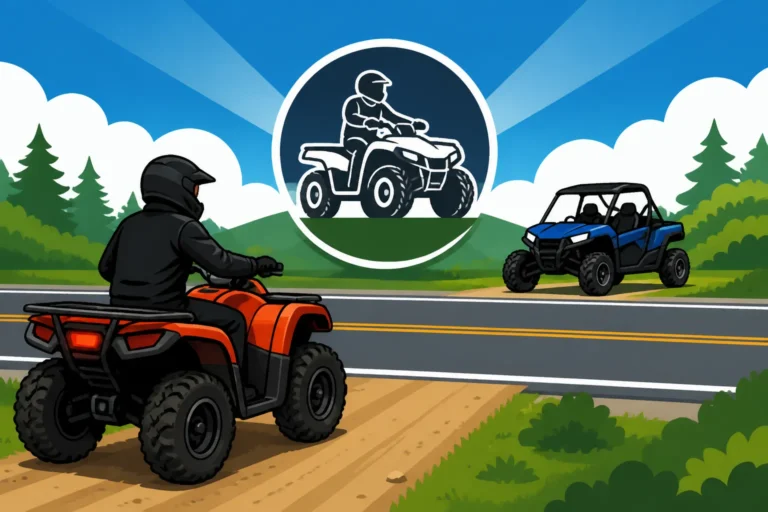
Cape Breton boasts a growing number of designated road trails, which are a mix of quiet paved roads and well-maintained gravel surfaces. These routes are meticulously identified, often with distinct signage, to guide riders and inform other motorists. You’ll find these crucial links in areas like Mira Gut and along Marconi Tower Road, providing access points to stunning coastal views and historical sites. Loch Lomond Road and Framboise offer picturesque stretches that wind through charming rural communities, often leading to connections with broader trail networks. More recently, areas around Mabou, Port Hood, and Cranton Crossing have also seen the implementation of these road trails, linking up significant sections of the island's western side. This progressive expansion aims to weave a more comprehensive riding experience across the island. For a comprehensive list and the most current information, riders should always check the official provincial resources, as designations can be updated periodically. These specific locations in Cape Breton truly embody the spirit of the road trail initiative by creating accessible corridors through some of the island's most beautiful regions. [Nova Scotia Road Trails in Cape Breton] delves deeper into these specific locations.
What to Expect on These Trails
When you venture out onto a Cape Breton road trail, it's important to adjust your expectations compared to a traditional off-road trail. You'll be sharing the space with cars, trucks, and possibly even bicycles and pedestrians. This means vigilance is key. Many designated road trails in Cape Breton are rural, two-lane roads, sometimes paved, sometimes gravel, often winding through small communities, past farms, or along the coast. The scenery is often spectacular – think ocean vistas, rolling hills, and quaint villages. However, you'll also encounter mailboxes, driveways, and local traffic. The speed limit is strictly enforced, and you're often navigating through areas where local residents live and travel daily. It's a different kind of riding experience, one that demands a heightened sense of awareness and respect for the local environment and its inhabitants. For those longer stretches where you're covering ground quickly, considering comfort upgrades for your machine can make a big difference. Brands like SuperATV offer windshields and cab enclosures that can really enhance the riding experience, especially when dealing with dust on gravel roads or unexpected weather changes along the coast.
Navigating the Rules on Cape Breton Road Trails
Riding on Nova Scotia's road trails is a privilege, and it comes with a clear set of rules designed to ensure safety for OHV operators and other road users. It's not like riding on a private woodlot or a designated off-highway trail system; these are public roads, and they demand a different approach. Knowing these rules inside and out will save you from potential fines and, more importantly, keep you safe.
Speed Limits and Operating Hours
One of the most crucial rules to remember is the speed limit. When riding an off-highway vehicle on a designated road trail in Nova Scotia, your speed is capped at 25 kilometres per hour. This isn't just a suggestion; it's a hard limit that officers enforce strictly. This lower speed is designed to ensure safety given the shared nature of these roads and the reduced maneuverability of OHVs compared to cars, especially in areas where you might encounter unexpected driveways or pedestrians. Exceeding this limit is a quick way to earn a ticket and potentially endanger yourself and others. [25 km/h on a Road Trail] is a regulation that needs to be taken seriously.
Beyond speed, operating hours are also defined. Off-highway vehicles are generally permitted on road trails from one half-hour before sunrise to one half-hour after sunset. This means night riding on these designated road segments is prohibited, even if your machine has lights. This restriction is in place for safety, as visibility for both OHV operators and other drivers is significantly reduced in darkness, increasing the risk of accidents. Planning your rides to ensure you're off the road trails within these hours is essential for compliance and safety. [Half an Hour Before Sunrise] and after sunset gives you a specific window of operation.
Passenger and Rider Age Restrictions
The rules about who can ride and who can be a passenger on an OHV on a road trail are very specific and must be followed. For the operator of the OHV, a full, valid driver's license is required, meaning no learner's permits. The provincial regulations are firm on this to ensure all operators have demonstrated a baseline level of road competency. This is especially pertinent when traversing shared public spaces where interaction with other vehicles is a given. [Why a Learner's Permit Will Not Do] summarizes this crucial point.
When it comes to passengers, there are age restrictions as well. Passengers on an ATV or side-by-side must be at least nine years old. This age limit is in place to ensure that passengers are old enough to understand and follow instructions, brace themselves properly, and withstand the various movements and jolts that can occur during a ride, even at lower speeds. Allowing a younger child to ride as a passenger on a road trail is not only illegal but also incredibly dangerous, as they may not have the physical strength or cognitive ability to maintain their safety. Always confirm the age of your passenger before you start your engine. [Nova Scotia Passengers Must Be 9 or Older] outlines the specifics of this rule, designed to protect the most vulnerable on our trails.
Essential Gear and Machine Requirements
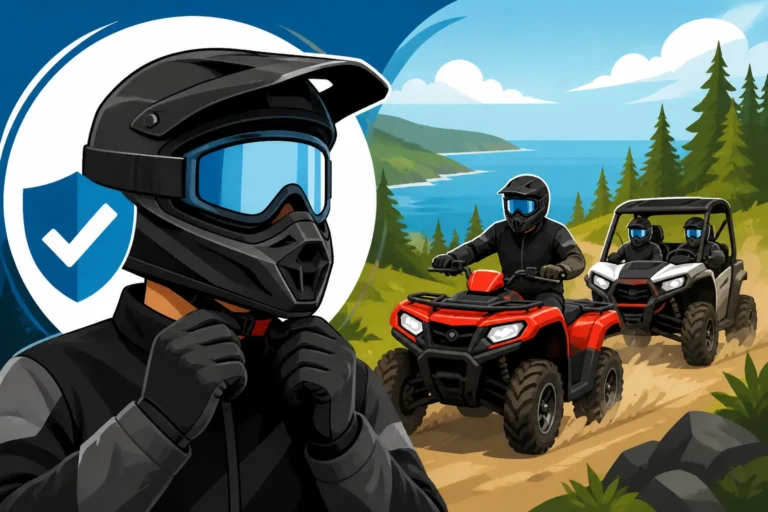
Just like any other vehicle on a public road, OHVs on designated road trails must meet certain equipment standards. The most critical piece of personal safety gear is a helmet. Every rider and passenger on an off-highway vehicle, whether on a trail or a designated road segment, must wear an approved helmet. [Nova Scotia Helmet Law for Riders] applies across the board, and for good reason – it’s your primary protection in case of an incident. Make sure your helmet meets recognized safety standards like DOT, CSA, Snell, or BSI.
Your machine itself needs to be up to snuff. It must be equipped with working headlights and taillights, which are essential for visibility, even during daytime hours, as they make you more noticeable to other drivers. These lights must be on when operating on a road trail. [Nova Scotia Lighting Requirements] dictate that your headlight must be visible from 300 feet and your tail light from 200 feet after dark, even if you are operating within the permissible time window of half an hour before sunrise and after sunset. Beyond lights, your machine's exhaust system must be the original factory equipment or an aftermarket system that meets the original manufacturer's specifications for noise levels. Loud, modified exhausts are a common source of complaints from residents and can lead to fines. [Nova Scotia Exhaust Noise Rules] are in place to ensure that OHVs don't become a nuisance in the communities they pass through. Taking the time to ensure your machine is compliant not only helps you avoid a ticket but also demonstrates respect for the communities you're riding through, making future access more likely. For riders looking to enhance their lighting for safety or explore options for quiet exhaust systems, reputable brands like SuperATV often provide compliant and robust accessory options.
| Rule Category | Requirement | Specifics for Road Trails in Nova Scotia (Cape Breton) |
|---|---|---|
| Operator Licencing | Valid Driver's Licence Required | No learner's permits. |
| Machine Status | Registration & Insurance | Machine must be registered with NS RMV, carry minimum liability insurance. |
| Speed Limit | Maximum 25 km/h | Strictly enforced on all designated road trails. |
| Operating Hours | Half-hour before sunrise to half-hour after sunset | No night riding. |
| Helmet | Approved Helmet for All | Operator and all passengers must wear an approved helmet (DOT, CSA, Snell, BSI). |
| Passenger Age | Minimum Age 9 | All passengers must be at least 9 years old. |
| Machine Lights | Working Headlight & Taillight | Headlight visible from 300 ft, taillight from 200 ft. Must be on while operating. |
| Exhaust Noise | Factory or OEM-Compliant | Modified exhausts exceeding factory noise levels are prohibited. |
| Road Sharing | Yield to other traffic; ride single file, don't pass | Maintain vigilance, be courteous to other vehicles, pedestrians, and cyclists. |
| Signage | Follow Posted Signs | Obey all [Nova Scotia Road Trail Signage] for specific local regulations or temporary closures. |
Preparing for Your Cape Breton Road Trail Adventure
A successful and enjoyable ride on Cape Breton's road trails requires more than just knowing the rules; it demands thoughtful planning and preparation. The island's geography, the sometimes remote nature of its trails, and the varying services available mean you can't just wing it. Taking the time to plan will ensure your trip is smooth, safe, and memorable for all the right reasons.
Mapping Your Route and Planning Stops
Before you even load your machine, sit down with a map – a physical one and a digital one – and meticulously plan your route. Identify the specific designated road trail segments you intend to use and how they connect to the off-highway trails you want to explore. Plot out your fuel stops, especially if you're venturing into more remote areas of Cape Breton, where gas stations can be few and far between. It's easy to get caught out with a low tank in an unfamiliar area.
Beyond fuel, consider where you'll stop for food and water, or if you plan to make a night of it, research lodging options that are OHV-friendly. Many small communities across Cape Breton, like those around Inverness or Baddeck, are becoming increasingly welcoming to riders, offering services and amenities. Having a clear itinerary, even a loose one, helps you manage your time, ensuring you're off the road trails before dark and that you have access to necessary supplies. Don't forget to account for the slower 25 km/h speed limit on road trails when estimating travel times; what looks like a short distance on a map can take longer on an OHV.
Checking Local Conditions and Signage
Cape Breton weather can be notoriously unpredictable, especially along the coast. A beautiful sunny morning can quickly turn foggy or rainy. Before you head out, always check the local weather forecast for the specific areas you'll be riding through. Wet conditions can make gravel roads slick and impact visibility, so being prepared with appropriate rain gear is crucial.
Equally important is checking for any local advisories, closures, or special municipal rules. While the province sets the overarching Road Trail Act, specific municipalities might have additional bylaws or temporary restrictions in place due to events, construction, or environmental conditions. Pay close attention to any [Nova Scotia Road Trail Signage] you encounter. These signs are there for your safety and to guide you along the legal route. Ignoring them could lead you onto private property, into restricted areas, or worse, into danger. A quick check of local ATV club websites or the provincial ATV association can often provide the most up-to-date information on trail conditions and any relevant warnings for your planned route. Having a reliable GPS or mapping app on your phone (with downloaded offline maps, as cell service can be spotty in parts of Cape Breton) is a smart move.
Safety and Etiquette for Cape Breton Road Trails
Riding on designated road trails in Cape Breton is a shared experience. These aren't private playgrounds; they're public roads that connect communities, and as such, they demand a high level of responsibility, courtesy, and vigilance from OHV operators. Embracing proper safety protocols and etiquette isn't just about following rules; it's about fostering a positive relationship between OHV riders and the wider community, ensuring these valuable routes remain accessible for everyone.
Sharing the Road with Other Users
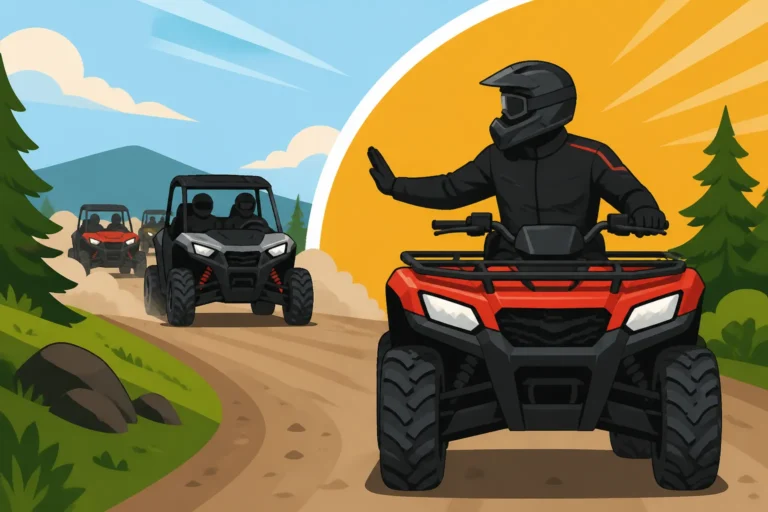
When you're on a road trail in Cape Breton, remember that you are sharing the space with a diverse array of other users. This means cars, trucks, cyclists, pedestrians, and even horse-drawn buggies in some rural areas. Your OHV is often louder and less visible than a car, so it's your responsibility to be extra cautious and courteous. Always yield to other traffic, whether it's an oncoming car or a cyclist on the shoulder. Don't assume they see you. Ride single file, never two abreast, and avoid passing other OHVs or vehicles, especially in blind spots or on narrow sections. [Nova Scotia Riders Travel Single File] and [Nova Scotia Riders Must Not Pass] are not merely suggestions but crucial safety directives to prevent conflicts and accidents.
Dust is another significant factor, particularly on gravel road trails. Be mindful of how much dust you're kicking up, especially when passing homes or other road users. Slow down to reduce dust impact, and if you see pedestrians or cyclists, give them a wide berth and reduce your speed to a crawl if necessary. A simple nod or wave can go a long way in showing respect and fostering goodwill. Being a good ambassador for the OHV community ensures a more harmonious coexistence and helps maintain the positive image of riding in Cape Breton.
Respecting Private Property and the Environment
Many designated road trails, especially those connecting communities, traverse areas adjacent to private properties, farms, and sensitive natural environments. It's absolutely critical to stay on the marked trail or road and never venture onto private land without explicit permission. Trespassing can not only lead to legal trouble but also damage the reputation of all OHV riders, potentially jeopardizing future access to trails. Always keep an eye out for "Private Property" or "No Trespassing" signs and respect them.
The natural beauty of Cape Breton is its greatest asset, and it's our responsibility as riders to protect it. Avoid riding off-trail, especially through sensitive areas like wetlands, agricultural fields, or newly forested sections. Pack out everything you pack in – leave no trace. This means no littering, even small items. Be mindful of noise levels, particularly when passing through residential areas or near wildlife habitats; your machine's exhaust should meet [Nova Scotia Exhaust Noise Rules]. By demonstrating a strong commitment to environmental stewardship and respecting private landowners, you're helping to preserve the very landscapes that draw us to ride in Cape Breton.
What an Officer Can Ask to See
Should you encounter a law enforcement officer while operating your off-highway vehicle on a Cape Breton road trail, they are well within their rights to stop you and ask for certain documentation. It's important to be cooperative and have your paperwork readily accessible. They will likely ask to see your valid driver's license, proof of your OHV's registration, and your insurance "pink card." [Carrying a Pink Card on the Trail] is just as important as carrying your driver's license. They might also inquire about the age of any passengers you have and visually inspect your machine to ensure it meets the required equipment standards, such as working lights and an approved helmet for all occupants.
Being prepared with these documents and ensuring your machine is compliant will make any interaction with an officer brief and straightforward. Falsifying information or failing to provide required documentation can result in significant fines and legal consequences. Remember, officers are there to ensure everyone's safety and enforce the regulations that allow us the privilege of riding on these designated routes. Cooperation helps everyone.
Disclaimer
This article is for general informational purposes only and does not constitute professional advice. Laws, prices and regulations vary by location and change over time. Consult a qualified professional for guidance on your specific situation.