Nova Scotia Rules for Riding a Bridge
Navigating Nova Scotia's vast network of trails and roads on your ATV or UTV is an incredible experience, but it often comes with a head-scratching moment: what are the actual rules when you encounter a bridge? Many riders get a knot in their stomach wondering if they're allowed to cross, if there are speed limits, or if their machine is even suitable. This guide aims to clear up that confusion, offering clear, actionable advice so you can ride across those crucial crossings with confidence and peace of mind.
Understanding the Legal Landscape for Bridges in Nova Scotia
It's easy to assume all bridges are fair game, especially when they connect two sections of a trail, but Nova Scotia's laws around off-highway vehicles (OHVs) are quite specific. Getting familiar with the key legislation is the first step to riding responsibly and legally.
The Off-highway Vehicles Act and Road Trails Act
Nova Scotia operates under a framework designed to ensure safety and preserve public infrastructure. The main piece of legislation you need to be aware of is the Off-highway Vehicles Act. This act broadly covers how OHVs, like ATVs and UTVs, are to be operated across the province, including registration, insurance, and general rules of the trail. However, when it comes to riding on or crossing roads, or using designated multi-use corridors, the [Nova Scotia Road Trails Act Explained] comes into play. This act specifically outlines where and how OHVs can utilize certain public roads and road-like structures, which often include bridges that are part of these networks.
The core idea is that not all bridges are created equal in the eyes of the law. A bridge that's part of a provincial highway system will have very different rules than a small wooden span on a private woodlot trail. Your responsibility as a rider is to know which rules apply to the specific bridge you're approaching. This involves understanding whether the bridge is part of a designated road trail, a club trail, or if it falls under general OHV regulations for non-designated areas.
Bridges as Part of the Road Trail Network
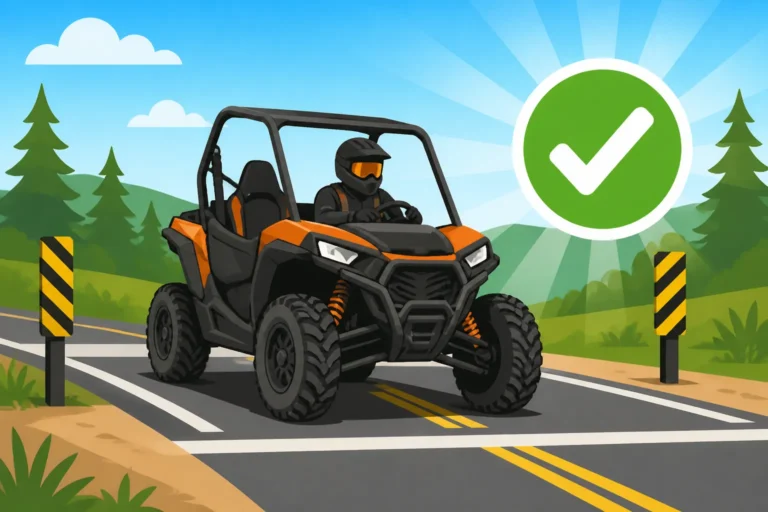
Many riders celebrate the expansion of Nova Scotia's road trail network because it connects otherwise isolated sections of trail and allows for longer, more integrated rides. Crucially, many bridges that were once off-limits or ambiguous for OHV use have now become legal crossing points as part of these designated road trails. When a bridge is incorporated into a road trail, it typically means you can use it, but you must adhere to all the rules of that road trail. This includes strict speed limits, often [25 km/h on a Road Trail], and sometimes specific operating hours or visibility requirements.
These bridges are often marked with specific signage indicating they are part of the OHV road trail network. It’s not uncommon to find these routes in rural communities, connecting small villages or allowing access to services like gas stations. The intention is to create a seamless riding experience, but it's vital to remember you're sharing this infrastructure. Always be prepared to encounter pedestrians, cyclists, and even other vehicles, depending on the bridge's specific designation. Riding on these bridges demands heightened awareness and respect for all users.
Bridges on Designated Club Trails
Beyond the provincial road trail network, Nova Scotia boasts an extensive system of club trails maintained by local ATV associations under the umbrella of ATVANS. These trails often cross a variety of terrain, including numerous bridges. These bridges are typically on private land (with landowner permission), Crown land, or old railway beds. The rules for these bridges are usually set by the ATV club that maintains the trail, in accordance with the Off-highway Vehicles Act. You can find out more about this vast network by looking into [Nova Scotia ATV Trails: The ATVANS Network].
When you're on a club trail, the expectation is that you have a valid trail permit, and you adhere to any specific signage or guidelines the club has put in place for bridges. These bridges can range from robust steel structures over rivers to simple wooden plank bridges over brooks. They are maintained by volunteers, so their condition can vary. Always exercise caution. The beauty of these club trails is that they often lead you through some of the most stunning, remote parts of the province, and the bridges are essential links in these adventures. Remember that purchasing a trail permit helps fund the maintenance and construction of these vital trail components, including the bridges you rely on.
Specific Rules and Considerations When Crossing a Bridge
Riding an ATV or UTV across a bridge isn't just about whether it's legal; it's about doing so safely and responsibly. There are specific guidelines and common sense practices that every rider should embrace.
Speed Limits and Right-of-Way
One of the most critical aspects of crossing any bridge, especially those on shared-use trails or designated road trails, is adhering to speed limits. As mentioned, on designated road trails, the speed limit for OHVs is strictly 25 km/h. This isn't just a suggestion; it's a legal requirement. These lower speeds are put in place for a reason: to ensure the safety of all users, minimize dust and noise, and protect the integrity of the bridge structure itself. Failing to observe these limits can lead to penalties, similar to those you might face for other infractions like [Nova Scotia Fines for an Unregistered Machine].
Beyond speed, understanding right-of-way is paramount. On multi-use bridges, pedestrians and cyclists often have the right-of-way. Always be prepared to slow down, stop, and yield to others. This courtesy not only prevents accidents but also helps foster positive relationships between different trail user groups. Imagine a scenic bridge in Cape Breton, where a rider whizzes past a family enjoying a stroll – it doesn't leave a good impression. Slowing down, making eye contact, and offering a friendly wave goes a long way. Bridges often narrow the trail, creating pinch points where awareness of others is crucial.
Visibility and Lighting on Bridges
Visibility is a huge factor on bridges, especially those that might be enclosed, have blind approaches, or are used during dawn, dusk, or nighttime. Nova Scotia has rules for OHV lighting, and these are particularly important when you're on any structure that might be shared or poses a specific hazard. Your machine should always have functioning headlights and taillights. For those who ride frequently in low-light conditions or on trails with obscured visibility, upgrading your lighting can be a game-changer.
Many aftermarket companies, like SuperATV, offer a range of high-performance LED light bars and auxiliary lights that can dramatically improve your ability to see and be seen. While stock lights are usually sufficient for legal requirements, enhanced lighting provides an extra layer of safety, especially on older, darker bridges or those with tight turns. Proper lighting ensures you can spot potential hazards like potholes, missing planks, or other users well in advance, giving you ample time to react. Similarly, ensuring your taillights are bright allows riders behind you to maintain a safe following distance.
The Role of Signage and Posted Restrictions
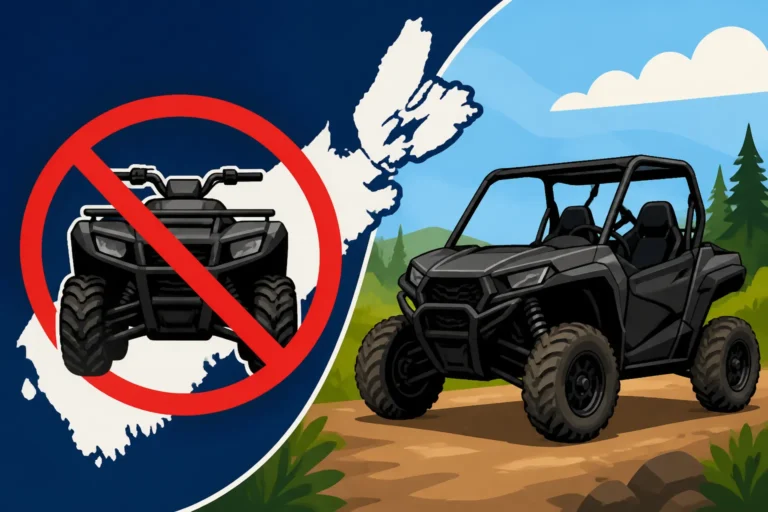
Never underestimate the power of a sign. On Nova Scotia trails and road trails, signage is there for a reason, and it's your responsibility to read and obey it. This is especially true for bridges. You might see signs indicating load limits, width restrictions, or specific rules for that particular crossing. A bridge, for example, might be perfectly safe for an ATV but not for a wider side-by-side or a heavily loaded UTV. Ignoring these signs isn't just dangerous; it's a direct violation of trail rules and could lead to fines or, worse, structural damage to the bridge and injury to yourself.
Local ATV clubs often post signs reflecting unique conditions or temporary closures. For instance, a small bridge might be closed for repairs after a heavy rainstorm, or a historical bridge might have specific rules to protect its heritage. Always look for information about [Nova Scotia Trail Conditions and Closures] before you head out. These signs are placed by people who know the trail best and are looking out for your safety. Take them seriously. If a sign says "Bridge Closed," don't try to find a way around it; turn back and find an alternative route.
Types of Bridges and Their Unique Challenges
Nova Scotia's landscape is diverse, and so are its bridges. From repurposed railway infrastructure to rustic wooden crossings, each type presents its own set of considerations for the OHV rider.
Railway Bridges Converted to Trails
Some of the most popular and scenic trails in Nova Scotia are built on old railway beds, and these often include impressive, historical railway bridges. These bridges, now part of multi-use trails, are fantastic for riding, but they come with unique features. Often, the original rail ties are covered with wooden decking, gravel, or packed earth. Riders should be aware that the surface might still be uneven, and gaps or raised sections could exist. Furthermore, some of these bridges are very long and high, requiring a steady hand and a keen eye on windy days.
The decking on these converted bridges, while usually robust, can sometimes have missing or rotting planks, especially on less-traveled sections or after harsh winters. Always approach these bridges with caution, keeping your speed down to assess the surface. While these structures are a testament to Nova Scotia's history and offer incredible views, they demand respect and careful riding. It's a truly unique experience to traverse these historical crossings, connecting you to the province's past while enjoying its present.
Small Wooden Bridges on Remote Trails
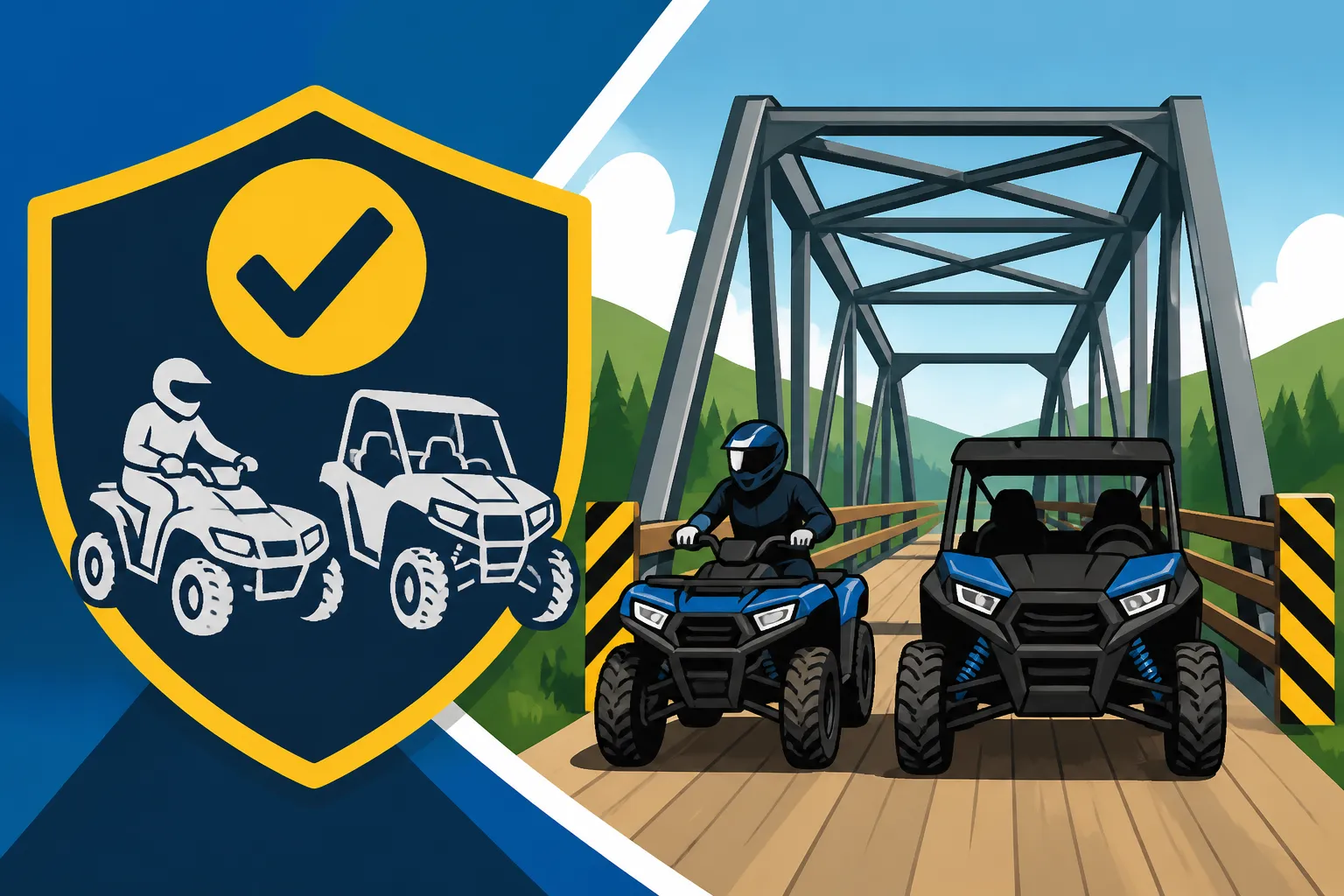
Head deep into the woods or along a remote coastal trail, and you're likely to encounter smaller, often rustic wooden bridges. These are typically built and maintained by local clubs or even landowners to cross brooks, ravines, or wet areas. While essential for keeping riders on the trail and out of sensitive habitats, these bridges require the most caution. Their load-bearing capacity can be limited, and their condition can deteriorate quickly due to weather, rot, or heavy use.
Before crossing, always take a moment to visually inspect these smaller bridges. Look for loose planks, rotten wood, missing handrails, or any obvious signs of instability. If in doubt, it’s always safer to dismount and walk across, assessing the structure's integrity. If you're riding with a group, cross one machine at a time to minimize the load. Carrying a basic recovery kit, including a winch or tow strap (which you can find from brands like SuperATV), can be invaluable if you encounter an unexpected issue or get stuck due to a bridge problem. These are the bridges that truly connect the wilderness, and treating them with care ensures they'll be there for future rides.
Public Road Bridges and Underpasses
Sometimes, your trail adventure will require you to cross a paved public road, or even utilize a bridge that is primarily part of the provincial road network. These instances are usually part of the designated road trail system. When [Crossing a Road Legally in Nova Scotia], or using a bridge that is primarily for vehicular traffic, your OHV is subject to even stricter regulations. You must operate as a regular vehicle in these situations, obeying all traffic laws, signs, and signals. This means stopping at stop signs, yielding to oncoming traffic, and staying to the far right of the paved surface if no shoulder is available.
Underpasses, which allow OHVs to travel under a public road bridge, are generally safer as they minimize interaction with road traffic. However, they can sometimes be prone to flooding or have limited visibility. Always slow down and assess the conditions before entering an underpass. The key takeaway here is that when an OHV interacts with public road infrastructure, the rules shift dramatically from those of a purely off-road trail. You must be registered and insured (see [Nova Scotia Requires Registration and Insurance]), and have a valid driver's licence.
Safety and Best Practices for Bridge Crossings
Safety is paramount when riding OHVs, and bridges present unique challenges that demand extra vigilance. Adopting best practices can prevent accidents and ensure a smooth crossing every time.
Assessing Bridge Condition Before Crossing
Think of yourself as a detective before you cross any bridge, especially those on less-maintained trails. A quick visual inspection can save you a lot of trouble. Look for any obvious signs of damage: missing planks, exposed rebar, large cracks in concrete, or severe erosion around the abutments. Pay attention to any standing water or ice, which can drastically reduce traction and make an otherwise safe crossing treacherous. On wooden bridges, listen for creaking or groaning as you approach or if a rider ahead of you crosses. If you see any signs of significant damage or instability, it's best to err on the side of caution and find an alternative route, or report the damage to the local ATV club or authorities.
This isn't about being overly paranoid, but rather about being a responsible and prepared rider. A little bit of caution goes a long way in preventing a mishap far from help. If a bridge looks questionable, it probably is. Your machine, especially a heavy UTV, exerts significant weight and force, and you don't want to be the one to find the weak spot.
Group Riding Etiquette on Bridges
Riding with a group is a fantastic way to enjoy Nova Scotia's trails, but bridges require special group etiquette. The general rule of thumb, particularly on smaller or older bridges, is to cross one machine at a time. This reduces the overall load on the bridge structure and allows each rider to focus on their own crossing without distractions. Maintain ample spacing between machines, ensuring that if one rider encounters an issue, they don't impede the next.
Communication is key in a group. Use hand signals or helmet communicators to alert riders behind you about bridge conditions, potential hazards, or if you're stopping. Before the first rider crosses, discuss the plan: single file, slow speed, and everyone keeps an eye out. This organized approach prevents bunching up, reduces stress, and ensures everyone crosses safely. After crossing, the lead rider should wait for the entire group to clear the bridge before continuing, confirming everyone made it safely.
Essential Gear for Bridge Situations
Being prepared with the right gear can make all the difference, especially when a bridge presents an unexpected challenge. A reliable winch is almost a mandatory piece of equipment for many Nova Scotia riders, and it can be invaluable if a machine gets stuck on an uneven bridge approach or if you need to help clear debris. Brands like SuperATV offer a variety of winches and recovery kits designed for OHVs, providing peace of mind.
Beyond a winch, carrying basic hand tools can help with minor repairs, and a first-aid kit is always essential. For group rides, having a sturdy tow strap can assist a fellow rider whose machine might have stalled or encountered a flat tire on a bridge. Furthermore, a charged cell phone (though service can be spotty in remote areas) or a satellite communication device can be a lifeline if you encounter a serious bridge issue that requires outside assistance. These items aren't just for breakdowns; they are part of a comprehensive safety strategy for venturing into the varied terrain of Nova Scotia's trails.
Common Mistakes and How to Avoid Penalties
Nobody wants a day on the trails to end with a ticket or, worse, an accident. Being aware of common mistakes made on or near bridges can help you avoid unnecessary trouble.
Ignoring Posted Limits or Closure Signs
This is perhaps the biggest mistake any rider can make. As discussed earlier, ignoring speed limits, weight restrictions, or "Bridge Closed" signs isn't just a minor infraction; it demonstrates a disregard for safety and the rules designed to protect both riders and infrastructure. Nova Scotia officials and ATV clubs regularly patrol trails, and fines for violating these regulations can be substantial. Imagine being fined because you decided to race across a bridge with a posted 10 km/h limit, or because you ignored a closure sign and ended up damaging a delicate structure.
These penalties are in place to deter reckless behaviour and ensure the longevity of our trail system. Always assume signs are there for a good reason. If you see a closure, it could be due to structural damage, seasonal conditions (like thaw affecting wooden bridges), or ongoing maintenance. Turning around and finding an alternative route, even if it adds time to your trip, is always the smarter and safer choice. Reporting unposted damage or closures to the relevant authorities also helps keep the trails safe for everyone.
Riding Unregistered or Uninsured on Publicly Accessible Bridges
The rules around registration and insurance are non-negotiable for OHVs in Nova Scotia, especially when you are operating on any publicly accessible trail or road trail, which often includes bridges. If you're on a bridge that is part of a designated road trail, or even a club trail that crosses public property or easements, your machine must be registered with Access Nova Scotia and have valid liability insurance. Don't think for a second that an officer won't check. You can find more information about this by checking out [Do You Need to Register an ATV in Nova Scotia?].
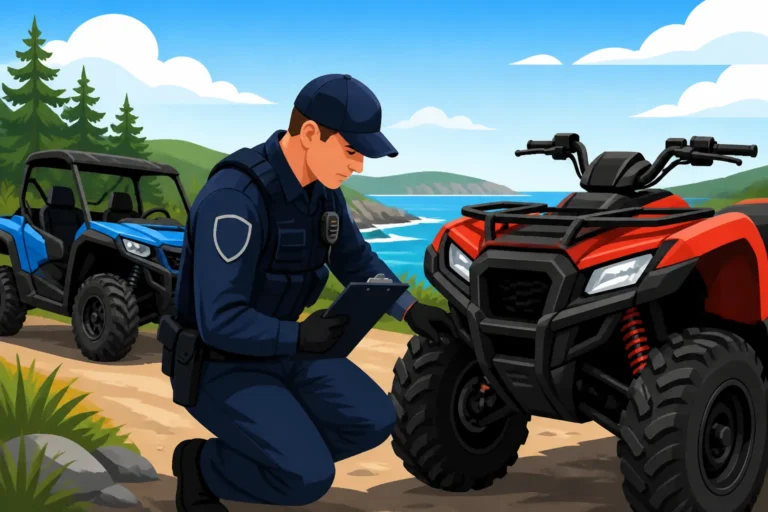
Riding an unregistered machine can lead to significant fines, and operating without insurance can open you up to enormous financial liability in case of an accident. Officers conducting [Nova Scotia Equipment Checks by Officers] on trails are looking for valid registration stickers and proof of insurance (your "pink card"). Many riders mistakenly believe that if they're "just crossing a road," the rules don't apply. They do. Be responsible, get your paperwork in order, and carry it with you when you ride. It's a fundamental part of responsible OHV ownership in Nova Scotia.
Environmental Impact and Bridge Integrity
Riding responsibly on bridges also extends to minimizing your environmental impact and protecting the structural integrity of the crossing itself. This means avoiding riding off the designated path onto stream banks or sensitive areas around bridge abutments. Such actions can lead to erosion, damage delicate ecosystems, and undermine the bridge's foundation. It's crucial to stay on the established trail and designated crossing points.
Additionally, don't attempt to modify or "fix" a bridge yourself. If you notice damage, report it. Improper repairs or unauthorized alterations can create new hazards or accelerate deterioration. Our trails and the bridges that connect them are a shared resource, and it's every rider's duty to help preserve them. Respect the effort of the volunteers who build and maintain these structures, and ride in a way that ensures they remain safe and usable for everyone, for years to come.
Here’s a quick overview of different bridge scenarios you might encounter:
| Bridge Type / Location | Typical Rules & Considerations | Rider Best Practices |
|---|---|---|
| Designated Road Trail Bridges | – Strict 25 km/h speed limit. | – Obey speed and all traffic laws. |
| (Public roads, multi-use) | – Shared with vehicles, pedestrians, cyclists. | – Yield to all other users. |
| – Requires OHV registration, insurance, valid driver's license. | – Ensure proper lighting for visibility. | |
| Club Trail Bridges | – Rules set by local ATV clubs (check signage). | – Adhere to club guidelines & permits. |
| (Private/Crown land) | – Often on multi-use trails; shared with other OHVs, sometimes hikers. | – Inspect condition before crossing. |
| – Condition can vary, volunteer-maintained. | – Ride slowly, especially on wooden bridges. | |
| Converted Railway Bridges | – Usually part of multi-use trails (club or road trail). | – Watch for uneven surfaces, gaps, wind. |
| – Can be long, high, and historical. | – Appreciate the history, ride respectfully. | |
| – Surface may be decking, gravel, or packed earth. | – Slow down for a smooth, safe traverse. | |
| Small Wooden Bridges | – Found on remote or less-maintained trails. | – Always assess condition (rot, loose planks). |
| (Remote trails) | – Limited load capacity possible. | – Cross one machine at a time if in a group. |
| – Prone to deterioration from weather/use. | – Consider carrying recovery gear like a winch. | |
| Public Road Underpasses | – Generally safer, separates OHVs from road traffic. | – Check for flooding or debris. |
| – May have limited visibility upon entry/exit. | – Slow down and be prepared for changes. |
Disclaimer
This article is for general informational purposes only and does not constitute professional advice. Laws, prices and regulations vary by location and change over time. Consult a qualified professional for guidance on your specific situation.