Nova Scotia Rules for Riding After Dark
Riding your ATV or UTV after dark in Nova Scotia can be an incredibly peaceful and unique experience, offering star-filled skies and cooler temperatures, especially during those long summer evenings. However, the serenity can quickly turn into a stressful situation if you're caught unprepared or unaware of the specific rules designed to keep you and others safe. This guide is all about shedding light on what you absolutely need to know before you venture out after sunset in our beautiful province, ensuring your nocturnal adventures are both memorable and legal.
The Core Rules for Night Riding in Nova Scotia
Let's face it, riding an off-highway vehicle (OHV) at night introduces a whole new layer of considerations compared to daytime excursions. Visibility becomes paramount, not just for you to see the trail, but for others to see you. Nova Scotia has specific regulations in place to address these challenges, ensuring everyone stays safe.
When "After Dark" Officially Begins and Ends
It might seem obvious, but what exactly constitutes "after dark" in the eyes of the law can sometimes be a point of confusion for riders. In Nova Scotia, the rules for operating your OHV with proper lighting generally kick in at specific times relative to sunrise and sunset. For general OHV operation, this often aligns with standard highway vehicle rules: from half an hour after sunset until half an hour before sunrise. This isn't just a suggestion; it's a legal demarcation line. Failing to have your lights on during these periods, even if you feel there's still enough ambient light, could lead to a fine. It's about being proactive and ensuring maximum visibility during those twilight hours when light conditions are constantly changing, making it harder for both you and others to judge distances and speeds. Remember, being seen is just as important as being able to see.
Mandatory Lighting Equipment: Headlights and Tail Lights
When the sun dips below the horizon, your machine's lighting system becomes your lifeline. Nova Scotia's regulations are very clear about what your ATV or UTV needs to be equipped with for night riding. You're required to have at least one working headlight and one working tail light. But it's not just about having them; it's about their effectiveness.
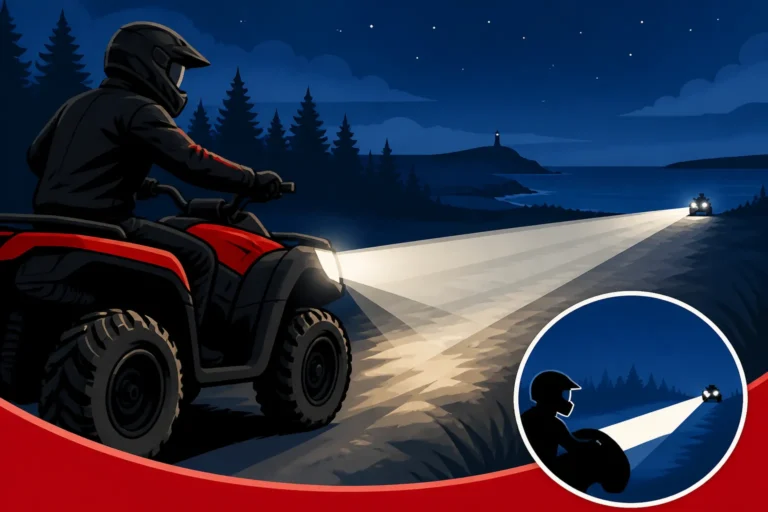
Your headlight needs to cast a beam strong enough to illuminate objects at a certain distance ahead of you. Specifically, it must be capable of displaying a white light visible from a distance of 300 feet ahead of the machine. This isn't just for seeing that fallen log or an upcoming turn; it's also crucial for other riders, or anyone you might encounter on permissible trails, to spot you approaching. Imagine coming around a blind corner on a winding trail; a powerful, well-adjusted headlight gives everyone more reaction time.
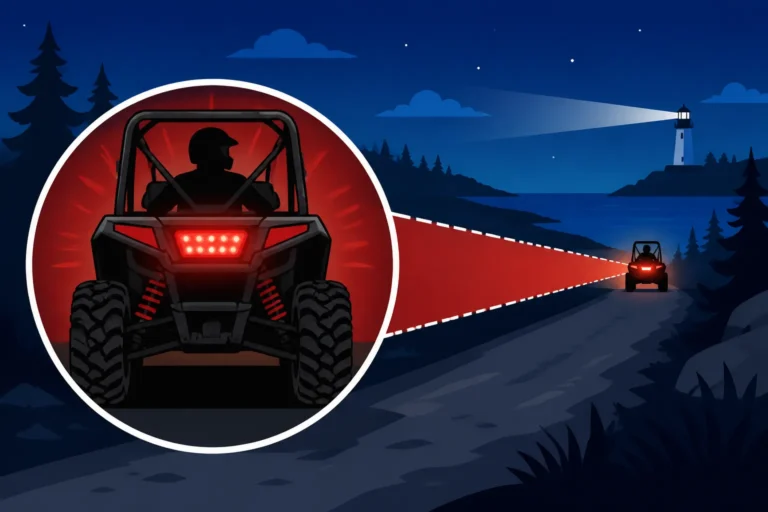
Similarly, your tail light is essential for your rear visibility. It must display a red light visible from a distance of 200 feet behind the machine. This is critical for preventing rear-end collisions, especially if you're riding with a group or if someone else is approaching from behind. Many modern machines also integrate brake lights, which are an added layer of safety, flashing brighter when you apply the brakes. While not always explicitly mandated beyond a standard tail light, they are highly recommended for clear signaling. Always ensure your lights are clean, free of mud or debris, and functioning properly before heading out. Sometimes, a quick check of the bulbs and wiring can prevent a frustrating and potentially dangerous situation. Checking your [Nova Scotia Lighting Requirements] before a ride is a smart move.
Reflective Gear and Why It's Crucial
While your machine's lights are non-negotiable, personal reflective gear adds another vital layer of safety, especially when you consider the dynamic nature of trail riding. It's not just about what your ATV emits; it's about how much light you absorb and reflect back to the environment. Even with powerful headlights and tail lights, there can be blind spots, especially from the side or if your machine's lights get temporarily obscured by terrain or heavy foliage.
Wearing reflective materials on your helmet, jacket, or even your backpack significantly increases your overall visibility. This becomes particularly important if you ever have to dismount your machine on the trail after dark, perhaps to clear a blockage, assist another rider, or deal with a mechanical issue. In such scenarios, your machine's lights might not be perfectly positioned to highlight your presence to an approaching rider. A reflective vest or strips on your gear can make the difference between being easily seen and being a sudden surprise. Think of it as an insurance policy for your personal safety, actively helping others perceive your human form, not just the silhouette of your machine. It’s a simple, affordable addition that offers substantial peace of mind for you and your riding companions.
Riding on Road Trails After Dusk
The province has made significant strides in expanding OHV access through its road trail network, connecting communities and enhancing riding opportunities. However, these privileges come with specific responsibilities, especially when it comes to operating after dark, as you are often sharing the space with other road users.
Specific Road Trail Operating Hours
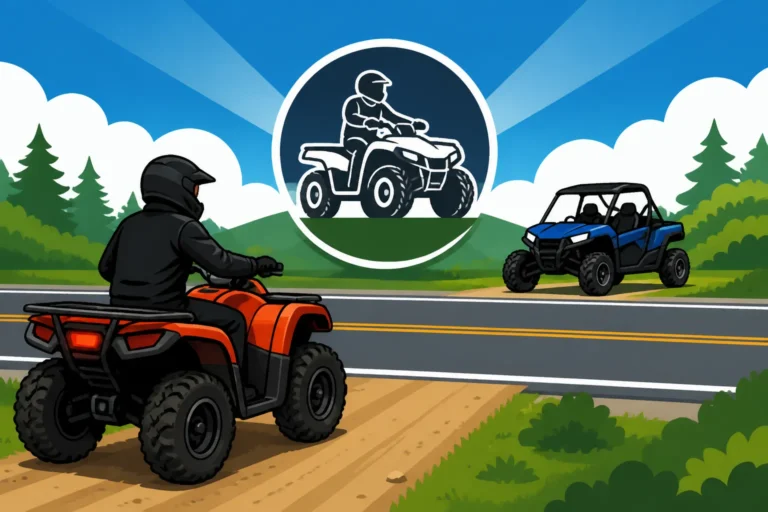
One of the most critical distinctions for night riding in Nova Scotia is whether you're on a dedicated off-highway trail or a designated road trail. While general off-highway trails might allow for 24-hour access with proper lighting, road trails often have more stringent time restrictions. For most designated road trails, operating an OHV is typically restricted to periods starting half an hour before sunrise and ending half an hour after sunset. This specific window is put in place because road trails, by definition, integrate OHVs onto public roads or road shoulders, meaning you're in closer proximity to traditional vehicle traffic.
These operating hours are not arbitrary; they are a direct measure to enhance safety during periods of reduced visibility. Imagine trying to spot an ATV on a gravel shoulder when there's already glare from oncoming car headlights. By limiting OHV presence to daylight hours (plus the buffer of twilight), the province aims to minimize the risk of collisions. Always confirm the specific regulations for any road trail you plan to use, as some municipalities might have slightly different local bylaws, though the general provincial guidance remains consistent. These rules are key to understanding [Nova Scotia Road Trail Operating Hours].
Visibility and Safety on Shared Road Corridors
When you're on a road trail, you're not just riding in the woods; you're essentially on a shared-use corridor. This dramatically increases the need for maximum visibility and defensive riding, especially during low-light conditions. Even if a road trail technically allows riding "after dark" (within the half-hour buffer), the risks are inherently higher.
On road trails, you'll encounter everything from pedestrians and cyclists to cars and trucks. The hum of your engine might be masked by other road noises, making visual cues even more important. This is where bright, properly aimed headlights are non-negotiable. Not only do they illuminate the path, but they also serve as a crucial warning signal to other road users. Your tail light, too, becomes vital, letting drivers behind you know your position and speed. Reflective elements on your machine and gear, even simple reflective tape, can help define your outline to an approaching driver who might be distracted or simply not expecting an OHV. Always assume you are not seen, and ride accordingly. Slow down, anticipate hazards, and maintain ample distance from other vehicles. Staying informed about [Nova Scotia Road Trail Rules Explained] is always a good idea.
Penalties for Riding Outside of Permitted Hours or Without Proper Lights
Ignoring the rules for night riding, especially on road trails or during the designated "after dark" periods, can lead to more than just a stern warning. The consequences can range from significant fines to having your ride cut short by an officer. Law enforcement officers in Nova Scotia are authorized to conduct equipment checks and enforce these regulations rigorously.
If you're caught operating your OHV without the required lights during the specified times, or on a road trail outside of its permitted hours, you could face a substantial fine. These penalties are designed to deter unsafe behavior and emphasize the importance of compliance for public safety. Furthermore, an officer could order you to cease operation until the issue is rectified, which might mean waiting until daylight or having your machine towed. This could definitely ruin an otherwise enjoyable evening ride. It's not just about the monetary cost; it's about the potential for injury, inconvenience, and the reputation of the OHV community. Familiarize yourself with the full scope of potential penalties, as similar to [Nova Scotia Fines for an Unregistered Machine], penalties for lighting infractions can be quite impactful.
Practical Tips for Safe Night Riding
Riding after dark can be an incredible experience, but it demands a higher level of preparation and awareness. Here are some practical tips to ensure your night rides are safe, enjoyable, and compliant with Nova Scotia's regulations.
Pre-Ride Checks for Night Operations
Before you even think about hitting the trail after dark, a thorough pre-ride check is absolutely essential. This isn't just a quick glance; it's a dedicated inspection of your machine's critical components, especially those related to visibility and reliability.
Here’s a checklist to consider:
| Component | Night Ride Check | Why It Matters |
|---|---|---|
| Headlights | Ensure both high/low beams work. Clean lenses. Check alignment. | Crucial for seeing obstacles and being seen. Misaligned lights blind others. |
| Tail Lights | Verify red light is bright. Check brake lights if equipped. Clean lens. | Essential for rear visibility, especially in groups. |
| Battery | Check charge level. Ensure terminals are clean and tight. | Lights draw significant power. A dead battery leaves you stranded in the dark. |
| Wiring | Inspect all visible wiring for frays, pinches, or loose connections. | Damaged wiring can cause lights to flicker or fail completely. |
| Tires | Check pressure and tread condition. Look for punctures. | Reduced visibility makes avoiding sharp objects harder; good tires are key. |
| Fuel | Ensure you have a full tank, plus extra if remote. | Running out of fuel at night is far more serious than in daylight. |
| Reflectors | Check machine's factory reflectors are clean and intact. | Supplemental visibility, especially from the sides. |
| Winch | Test winch operation and inspect cable/rope. | Getting stuck at night is more difficult to resolve manually. |
| First Aid | Confirm kit is stocked and easily accessible. | Accidents are more likely in low light; be prepared. |
| Communication | Fully charged phone, satellite messenger if remote. | Essential for emergencies where you might be out of cell service. |
Beyond this, consider the condition of your suspension, brakes, and steering. Any mechanical issue that might be minor during the day can become a major hazard when you can't see clearly. It's about minimizing variables and maximizing confidence.
Adapting Your Riding Style for Low Light
Riding at night isn't just about turning on your lights; it's about fundamentally changing how you operate your machine. Your senses are naturally less effective in the dark, particularly your vision and depth perception.
Here's how to adapt:
- Reduce Speed: This is the golden rule. You simply cannot react as quickly to unexpected obstacles or terrain changes when your visibility is limited. A slower pace gives you more time to process what your lights illuminate.
- Increase Following Distance: If riding in a group, leave significantly more space between machines. Dust clouds, even light ones, become impenetrable walls at night, and you need ample room to react if the rider ahead suddenly stops or veers.
- Scan Constantly: Your eyes should be constantly moving, not just fixated on the beam of your headlight. Look for subtle changes in terrain, reflective eyes of wildlife, and shadows that might indicate a drop-off or obstacle.
- Beware of Shadows and Glare: Headlights create strong shadows that can make small obstacles look like large ones, and vice-versa. Wet surfaces can also create glare, further obscuring your vision.
- Consider Aftermarket Lighting: While factory lights are legally required, many riders find them inadequate for serious night riding. Investing in high-quality aftermarket LED light bars or pods can dramatically improve your visibility. Brands like SuperATV offer a range of robust lighting solutions designed to cut through the darkness, providing a wider and brighter field of vision than standard OEM lights. These can be particularly helpful for enhancing peripheral vision, which is often a weak point of factory setups. Just ensure any additional lights are properly installed and aimed to avoid blinding other trail users, and understand their legal implications if riding on road trails.
Planning Your Night Rides
Impulsive night rides are a recipe for trouble. Smart night riding starts long before you turn the key.
- Know Your Route: Stick to familiar trails. Night riding is not the time to explore new territory. You should be intimately familiar with the twists, turns, and potential hazards of your chosen path.
- Tell Someone Your Plans: Always let a friend or family member know your route, who you're with, and your estimated return time. This is critical for search and rescue efforts if something goes wrong.
- Emergency Preparedness: Beyond the basic first-aid kit, consider bringing a headlamp or flashlight (with extra batteries!), a multi-tool, a small shovel, and extra warm clothing, even if the night seems mild. Temperatures can drop quickly after dark, especially in coastal Nova Scotia.
- Weather Check: Always check the forecast. Rain, fog, or snow at night amplify every challenge and can turn an enjoyable ride into a treacherous ordeal. [Nova Scotia Coastal Fog and Riding] is a real factor to consider.
- Cell Service and GPS: While cell service can be spotty in remote areas, a fully charged phone is still essential. Carry a GPS device with downloaded maps, as relying solely on a phone for navigation can be risky. Many members of [Nova Scotia ATV Trails: The ATVANS Network] use dedicated GPS units for reliable navigation.
Common Misconceptions and Legal Nuances
Even with the best intentions, riders can sometimes operate under misunderstandings about what's permissible after dark. Let's clarify some common areas of confusion.
"My Own Land" Exemptions and Night Riding
It's a common belief that "if it's my land, I can do whatever I want with my machine." While Nova Scotia does offer certain exemptions for OHV registration and insurance if you're operating exclusively on your own private property, these exemptions rarely extend to safety equipment requirements, especially regarding lighting. The spirit of the law, even for private land, still leans towards safe operation.
While you might not face a ticket for riding without lights on your private woodlot at 2 AM, it's still an incredibly risky practice. The same dangers of reduced visibility, unseen obstacles, and potential for injury apply, perhaps even more so if you're alone. Therefore, even when riding on your own property, adhering to proper lighting standards and safety practices is strongly advised. Consider the potential for emergencies; a fall or mechanical issue in complete darkness on your own land could still leave you in a vulnerable position. It's always prudent to act as if the rules apply, even when technically they might not. For more on this, check out [Riding Your Own Land Without a Registration].
Aftermarket Lighting and Compliance
The allure of powerful aftermarket lighting is strong for night riders, and for good reason – it makes a huge difference in visibility. Many riders opt for supplemental LED light bars, spot lights, or flood lights from reputable manufacturers like SuperATV to enhance their field of vision. These can be incredibly effective for off-road use, turning night into a much clearer experience.
However, there's a fine line to navigate, especially if you plan to use your machine on any designated road trails or close to public roadways. While extra lights are generally encouraged for safety on private or dedicated off-highway trails, some highly powerful or improperly aimed aftermarket lights could be considered a nuisance or even a hazard to other road users if activated on a road trail. Always be mindful of blinding oncoming traffic. If your machine is equipped with auxiliary lights, ensure you know how to switch them off when encountering other people or vehicles. The goal is to see better, not to cause an issue for others. It’s always best to verify local regulations regarding the use of auxiliary lights on public access points, even if they are primarily intended for extreme off-road conditions.
Riding in Poor Weather at Night
Riding an ATV or UTV in adverse weather conditions is challenging enough during daylight hours. When you add darkness to the mix, these challenges are magnified exponentially.
- Fog: Coastal Nova Scotia is known for its dense fogs. Fog at night reduces visibility to near zero, even with powerful lights. Light scatters off fog particles, creating a blinding glare. If fog rolls in, it’s often best to stop, wait it out, or turn back. Riding in thick fog at night is incredibly disorienting and dangerous. Refer to [Nova Scotia Coastal Fog and Riding] for specific considerations.
- Rain: Rain at night not only reduces visibility but also makes surfaces incredibly slick. Puddles hide hazards, and mud becomes treacherous. Your headlights will reflect off the rain, creating a dazzling effect that further impairs vision.
- Snow: Snow-covered trails at night can be beautiful but also perilous. Fresh snow can hide obstacles, while ice beneath it can lead to sudden loss of traction. Whiteout conditions from blowing snow and your headlights reflecting off it can completely disorient you.
Always reconsider your plans if poor weather is forecast for your night ride. If you find yourself caught in it, slow down dramatically, increase your following distance, and use extreme caution. Ensure your riding gear is waterproof and that you have ample layers to protect against the cold and wet. Sometimes, the safest decision is to postpone the ride or find a safe place to shelter until conditions improve.
Disclaimer
This article is for general informational purposes only and does not constitute professional advice. Laws, prices and regulations vary by location and change over time. Consult a qualified professional for guidance on your specific situation.