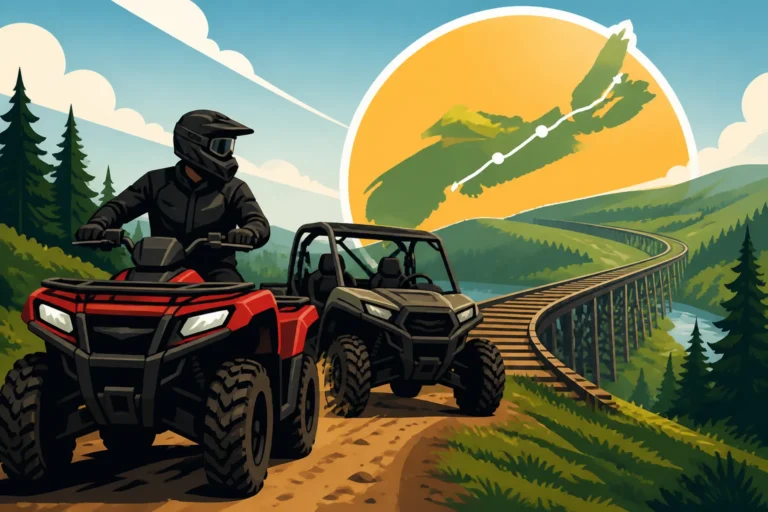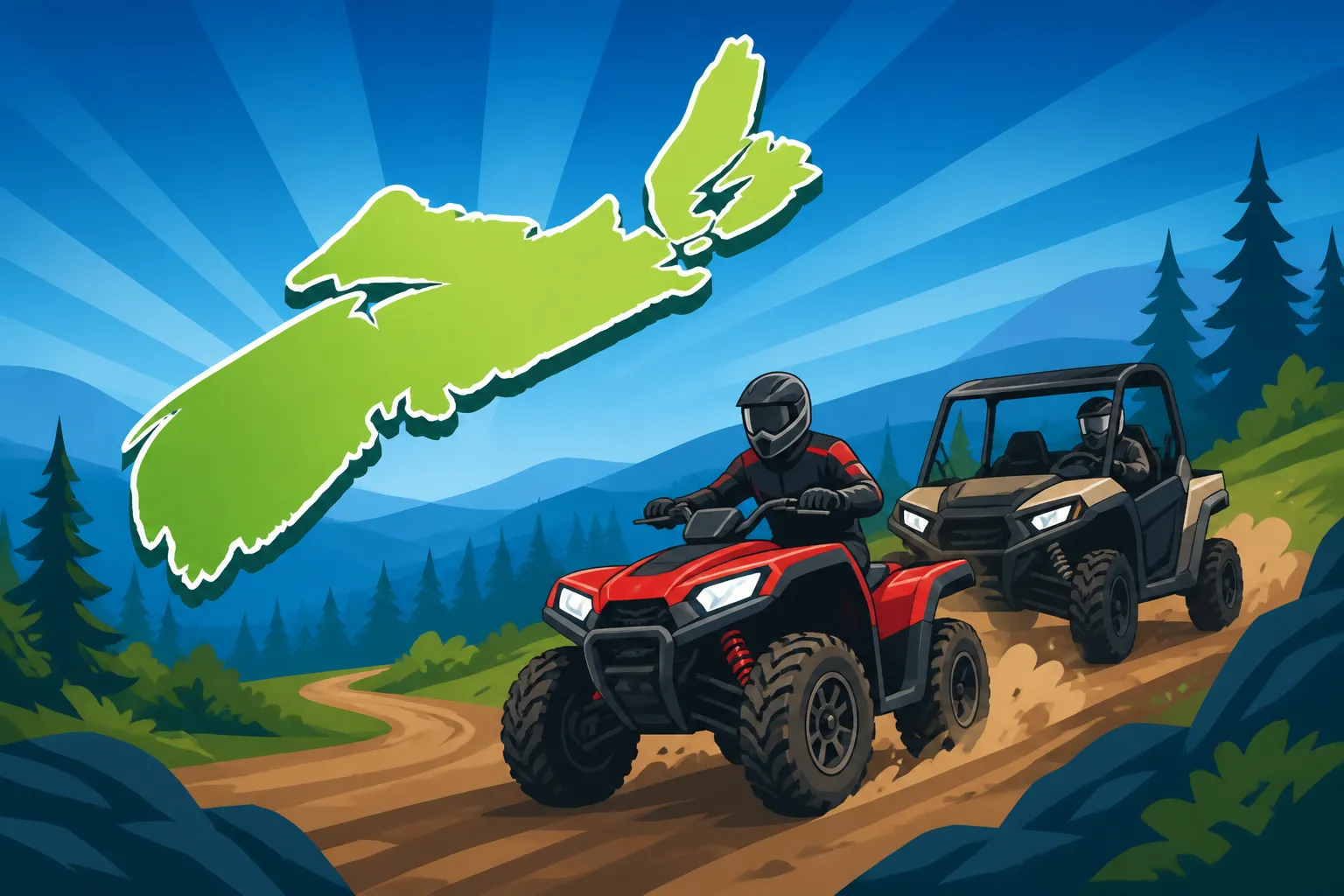
Nova Scotia Road Trails Added in 2026
For off-highway vehicle (OHV) enthusiasts in Nova Scotia, the frustration of limited legal access to connect trails or reach essential services via public roads has been a long-standing issue. Many riders have yearned for a safer, more structured way to navigate short road sections without fear of penalties. This guide dives deep into the exciting expansion of Nova Scotia’s road trail network, particularly focusing on the new additions planned for 2026, offering crucial insights into what this means for riders and how to navigate these new opportunities responsibly.
Understanding Nova Scotia's Road Trail Expansion for 2026
The landscape for ATV and UTV riders in Nova Scotia is continually evolving, with significant strides being made to integrate off-highway vehicles into a more comprehensive trail system. The provincial government, recognizing the economic and recreational value of OHV tourism and local riding, has been steadily working to expand legal road access points. This effort is part of a broader strategy, underpinned by [An Act Proclaimed in 2023], to create a more connected and accessible network for riders across the province.
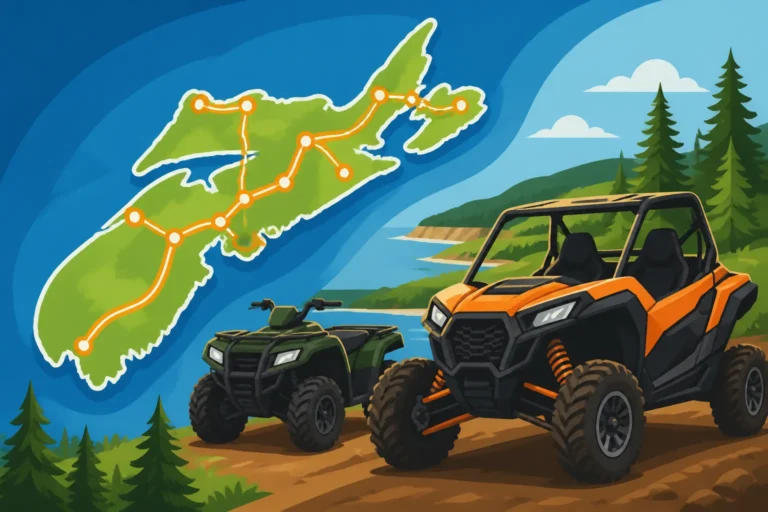
The expansion set for 2026 marks another pivotal moment in this journey, significantly increasing the number of designated road trail segments. While previous phases brought us to [Seventy-Four Sites by Late 2025], the push towards [One Hundred Twelve Sites by Mid-2026] signals a commitment to further reducing isolated trail sections. This isn't just about adding more kilometres; it's about strategically linking existing club trails, providing safe passage through communities, and enhancing the overall riding experience by making it easier to go from point A to point B. Imagine being able to access a gas station or a local diner without having to load your machine onto a trailer for a short hop!
These new additions are carefully selected, often involving local municipalities and ATV clubs to ensure they meet safety criteria and serve the needs of the riding community. The goal is to fill in gaps, transforming what might have been fragmented trails into cohesive, longer routes that riders can explore. This means fewer dead ends and more opportunities for multi-day adventures, boosting local businesses that cater to riders, from small-town diners to accommodations. Riders will find that their ability to explore various regions, from the Annapolis Valley to the remote corners of Cape Breton, is vastly improved, creating an economic ripple effect in rural areas. It's a win-win for recreation and local economies.
The Vision Behind the 2026 Expansion
The provincial government's vision for the 2026 road trail expansion is rooted in safety, connectivity, and responsible recreation. For years, riders have often been forced into less-than-ideal situations, sometimes resorting to riding illegally on roads out of necessity to connect trails or access amenities. This new, formalized approach addresses those safety concerns head-on by providing clearly designated, legal routes. By working with municipalities, the province is creating a network that considers both the rider's need for passage and the community's need for safety and minimal disruption.
The selection process for these new road trails is a collaborative effort, often involving public consultation and input from local OHV clubs. Factors like traffic volume, road width, speed limits of the road, and proximity to existing trails are all weighed. The aim is to choose roads that are already low-traffic or can safely accommodate shared use with other vehicles. This meticulous planning ensures that the expansion doesn't just happen haphazardly but is a thoughtful development designed to serve the riding community while maintaining public safety and minimizing impact on residents. The ongoing development, which includes the significant increase represented by [Nova Scotia's 2026 Road Trail Expansion], reflects a proactive approach to modern trail management.
Economic and Community Benefits
The expansion of the road trail network brings substantial economic benefits to Nova Scotia's rural communities. When riders can connect trails more easily, they are more likely to spend extended periods exploring different regions. This translates directly into increased patronage for gas stations, restaurants, accommodation providers, and local shops in towns along the trail routes. A group of riders stopping for lunch or staying overnight contributes directly to the local economy, helping to sustain businesses that might otherwise struggle in more isolated areas.
Beyond the immediate economic impact, these road trails foster a stronger sense of community among riders and between riders and the towns they visit. Organized group rides become more feasible, and the ability to legally access services encourages a more integrated and respectful presence for OHV users. It also provides a clear framework for responsible riding, empowering local clubs to work with communities on trail etiquette and maintenance. This formal recognition of OHV use helps to legitimize the sport, encouraging further investment in infrastructure and promoting Nova Scotia as a premier destination for off-highway vehicle enthusiasts.
Navigating the Rules for Riding Nova Scotia's New Road Trails
While the expansion of road trails is exciting, it's absolutely crucial that riders understand and adhere to the regulations governing their use. These aren't just any roads; they are specific segments designated for shared use, and strict rules are in place to ensure everyone's safety. Ignoring these rules not only puts you at risk but also jeopardizes the future of road trail access for all riders. Understanding what's required before you venture out is paramount.
First and foremost, your off-highway vehicle must be properly registered and insured. This isn't optional for road trails; it's a non-negotiable legal requirement. [Nova Scotia Requires Registration and Insurance] for any OHV operating on these designated road segments. This ensures that in the event of an incident, there's a record of your machine and you have the necessary liability coverage. Riders often overlook the importance of carrying their insurance pink card and registration documents with them, but an officer can and will ask to see them. Treat your OHV like any other vehicle on the road – paper it up!
Equally important are the operator requirements. You can't just hop on a quad and expect to cruise down a road trail; [Nova Scotia Requires a Full Driver's Licence] for anyone operating an OHV on these shared segments. This means learner's permits or provisional licenses are generally not sufficient. The provincial authorities want to ensure that anyone operating a machine on a road trail has demonstrated a fundamental understanding of road rules and safe driving practices. This is a key safety measure to protect both OHV riders and other road users.
Speed Limits and Operating Procedures
When you're on a road trail, you're sharing the road, and that means respecting specific operating procedures designed for safety. The most significant rule to remember is the speed limit: [Nova Scotia's 25 km/h Road Trail Limit] is strictly enforced. This isn't an arbitrary number; it's set to ensure that OHVs can safely share the road with other vehicles, pedestrians, and cyclists, especially in residential or mixed-use areas. It’s a significant reduction from typical trail speeds, so be prepared to slow down considerably and maintain a consistent, safe pace.
Beyond speed, riders must also adhere to specific formations and yielding protocols. You are generally required to ride single file, making sure you're not hogging the road or obstructing traffic. Passing is usually prohibited on these segments, so maintain your distance and be patient. When encountering other vehicles, pedestrians, or cyclists, you must yield the right-of-way. This is about being a courteous and responsible road user. Remember, the privilege of using these road trails depends on all riders demonstrating respect and adherence to these basic road rules. Blasting through a village at full throttle or riding abreast can quickly sour public opinion and lead to restrictions.
Essential Equipment for Road Trail Use
Operating an OHV on a road trail also comes with specific equipment requirements, primarily focused on visibility and safety. A proper helmet is non-negotiable; [Nova Scotia Helmet Law for Riders] applies to road trails, just as it does to off-highway riding. Your helmet needs to meet an approved safety standard (like DOT, Snell, or CSA). It's not just about avoiding a ticket; it's about protecting your most valuable asset.
Beyond head protection, your machine itself needs to be road-ready. Working headlights and tail lights are absolutely essential, especially during hours of darkness or reduced visibility. [Nova Scotia Lighting Requirements] ensure that your machine is visible to others, just like any other vehicle on the road. Many riders choose to upgrade their factory lighting for enhanced visibility, especially if they plan to ride frequently on road trails. Adding extra LED light bars or brighter headlights, like those offered by brands such as SuperATV, can significantly improve your ability to see and be seen, making your ride safer for everyone. Ensure any modifications comply with local regulations and don't blind oncoming traffic.
Furthermore, noise limits are a serious consideration. Modified or excessively loud exhausts can be a nuisance to residents and quickly draw unwanted attention from law enforcement. Your machine should be operating within factory noise specifications. Lastly, rearview mirrors are often required or highly recommended for increased situational awareness, allowing you to monitor traffic behind you as you navigate these shared spaces.
Planning Your Ride on the Expanding Nova Scotia Road Trail Network
With new road trails being added, planning your route becomes even more exciting, opening up possibilities for longer excursions and discovering new communities. However, careful planning is key to a safe and enjoyable experience, especially when navigating these multi-use corridors. You'll want to know where these new segments are, what conditions to expect, and how to prepare for a mixed-terrain ride that includes both traditional trails and paved road sections.
The first step in planning is to get your hands on the most current information regarding designated road trails. Local ATV clubs and the provincial ATV association are invaluable resources, often providing detailed maps and updates on newly opened sections. Look for official government resources or dedicated online portals that list approved road trails. [Nova Scotia Road Trail Site Lists] are crucial for plotting your course accurately. These lists will identify specific road names and segments where OHV use is permitted, allowing you to avoid inadvertently riding illegally on undesignated roads.
Beyond maps, understanding the terrain and conditions is vital. While these are "road" trails, some may be paved, others gravel, and some might even be a mix of both. Weather can also play a significant role. A paved section might be slippery after rain, while a gravel road could become dusty in dry conditions. Always check local weather forecasts and consider the impact on your riding surface. Planning your fuel stops and potential rest areas along the route is also more critical when combining trail and road riding, as amenities might be further apart than you'd expect on a purely off-road trail.
Navigating Signage and Shared Spaces
As you ride, pay close attention to [Nova Scotia Road Trail Signage]. These signs are your official guide, indicating where OHV use is permitted, any specific rules for that segment, and where the road trail begins and ends. Don't assume that if one section of a road is designated, the entire road is. The signage will be clear, and veering off a designated segment can lead to fines and legal trouble. Always follow posted signs and respect any temporary closures or detours.
Sharing these spaces responsibly is not just a suggestion; it’s a requirement. You will encounter other vehicles, pedestrians, and cyclists, and maintaining a high level of awareness is paramount. Be prepared to slow down, pull over, and yield the right-of-way. Making eye contact and offering a friendly wave can go a long way in fostering positive relationships between OHV riders and other road users. Remember, the ongoing success and expansion of the road trail program depend heavily on riders demonstrating respect and courtesy towards everyone sharing these public spaces.
Regional Road Trail Opportunities
The expansion efforts are designed to create a more interconnected network across various regions of Nova Scotia. While specific new segments for 2026 will be detailed as they open, the overall trend is towards linking popular riding areas and communities. For instance, riders in urban-adjacent areas will find opportunities like [Nova Scotia Road Trails Near Halifax] or [Nova Scotia Road Trails Near Sydney] becoming more common, allowing for easier access to trails from population centres. This means less trailering and more riding directly from your community to the backcountry.
For those planning longer trips, these new segments will allow for more seamless transitions between different trail systems. Imagine a multi-day trip that weaves through the Annapolis Valley, using short road trail sections to jump between segments of the Harvest Moon Trailway, then perhaps connecting to another network leading toward the South Shore. This enhanced connectivity greatly improves the appeal of Nova Scotia as a premier OHV destination, offering diverse riding experiences from coastal vistas to deep forest trails, all while legally traversing necessary road links. It opens up a whole new world of exploration and adventure that was previously much more challenging to access.
| Requirement | Off-Highway Trail | Designated Road Trail |
|---|---|---|
| Registration | Required (mostly for Crown Land, some private) | Mandatory |
| Insurance | Recommended (for liability) | Mandatory ($500,000 liability minimum) |
| Driver's Licence | Not always required (depends on age/supervision) | Full Driver's Licence Mandatory |
| Speed Limit | Varies by trail/conditions | Strict 25 km/h |
| Riding Formation | Often side-by-side (if safe) | Single File Only |
| Yielding | To hikers, horses, other OHVs | To ALL traffic, pedestrians, cyclists |
| Headlights/Taillights | Required during low light | Required at all times (recommended upgrades) |
| Helmets | Mandatory | Mandatory |
| Noise Level | Factory or within limits | Factory or within limits (strictly enforced) |
The expansion of Nova Scotia's road trail network in 2026 is a game-changer for OHV enthusiasts, offering unprecedented opportunities for connected riding and exploration. By embracing these new routes responsibly, adhering to all regulations, and riding with courtesy, we can collectively ensure these valuable access points continue to grow and thrive for years to come. This is an exciting time for off-highway recreation in the province, promising many new adventures on the horizon.
Disclaimer
This article is for general informational purposes only and does not constitute professional advice. Laws, prices and regulations vary by location and change over time. Consult a qualified professional for guidance on your specific situation.