Nova Scotia Road Trail Signage
Navigating Nova Scotia's off-highway vehicle (OHV) road trails can sometimes feel like learning a new language, especially when you encounter an unfamiliar sign. Many riders express frustration about not always knowing exactly what a particular sign means, or fearing they might inadvertently break a rule simply because the signage wasn't clear in the moment. This guide aims to demystify Nova Scotia road trail signage, helping you understand the rules of the road and ride with confidence.
Decoding the Road Trail Act and Its Signage Foundation
When you head out on Nova Scotia's designated OHV road trails, you're not just riding through the woods; you're entering a specific regulatory environment that dictates how and where you can operate your machine. The very existence of these trails, and the rules governing them, stems directly from Nova Scotia's Off-highway Vehicles Act and the Road Trails Act. These pieces of legislation are the backbone, creating the framework for what signs mean and why they're placed where they are. Without clear, consistent signage, these acts would be much harder to enforce and understand for the average rider.
Why Signage Matters for Safety and Compliance
Imagine pulling onto a road trail without any signs. How would you know the speed limit, whether you can ride two abreast, or if a particular section is closed? It would be pure chaos, not to mention incredibly dangerous. Signage is paramount for ensuring everyone's safety – not just OHV riders, but also pedestrians, cyclists, and motorists who might share or cross these routes. These signs aren't just suggestions; they are directives that carry legal weight. Ignoring them can lead to serious consequences, from collisions to hefty fines. Understanding the signs is the first step toward responsible riding, protecting both yourself and others. This foundation is critical for anyone wanting to truly grasp [Nova Scotia Road Trail Rules Explained].
How Road Trails Are Designated and Marked
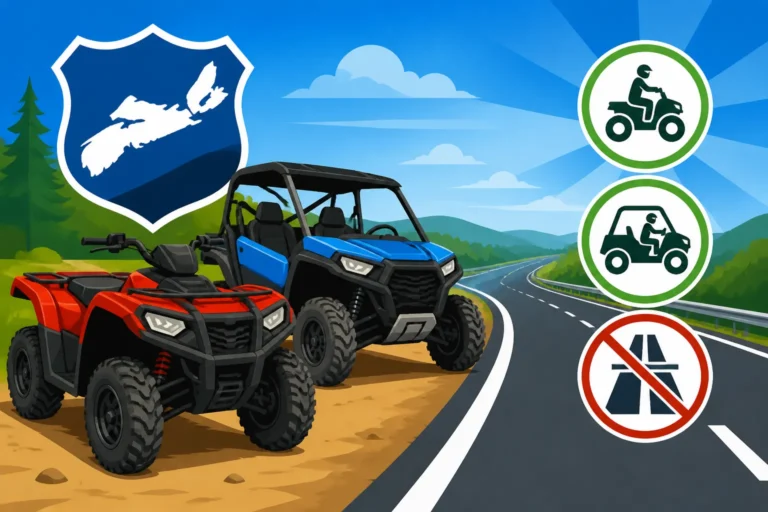
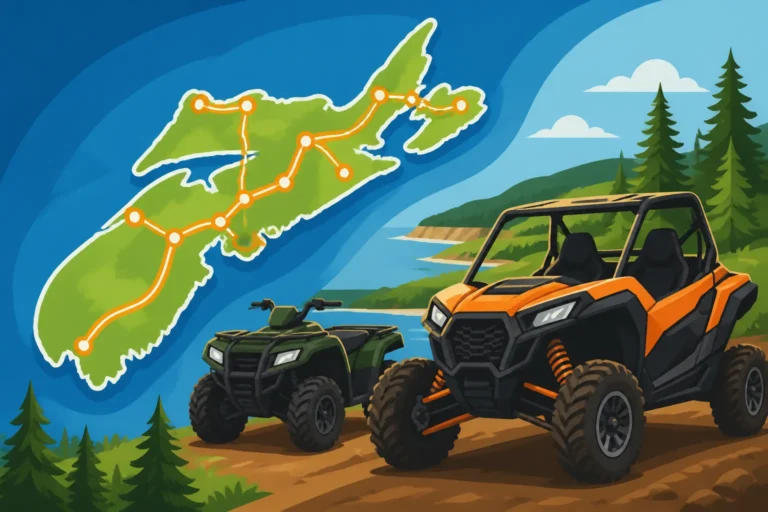
The process of designating a road as a "road trail" in Nova Scotia isn't arbitrary. It involves collaboration between the provincial government and local municipalities, often spurred by community interest and the dedication of local OHV clubs. Once a road segment is approved, it then falls under the specific regulations of the Road Trails Act, and this is where signage becomes vitally important. The designated sections are clearly marked at their start and end points, as well as at various intervals along the way. These signs tell you, unequivocally, that you are now operating in a special zone where OHV rules apply, distinct from typical road rules or purely off-road trail guidelines. They delineate the specific boundaries and conditions for [Nova Scotia Road Trails: Where You Can Ride], guiding you through approved corridors.
Navigating Nova Scotia's Road Trail Signage
As you explore the province's diverse landscapes, from the coastal routes to the inland forests, you'll encounter a variety of signs on road trails. Each type serves a distinct purpose, from warning you of upcoming hazards to explicitly stating what you can and cannot do. Knowing the difference between a regulatory sign and an informational one can make all the difference in your riding experience and your ability to stay compliant. It’s not about rote memorization, but understanding the categories and common symbols.
Regulatory, Warning, and Informational Signs
Nova Scotia's road trail signage generally falls into three main categories:
- Regulatory Signs: These are typically rectangular or square, often white with black text, or red and white. They tell you what you must do or must not do. Think of "STOP," "YIELD," "25 km/h," or "NO PASSING." These are non-negotiable rules. When you see a sign limiting your speed to [25 km/h on a Road Trail], it's a direct order to slow down.
- Warning Signs: Often diamond-shaped and yellow or orange with black symbols or text, these signs alert you to potential hazards or changes in conditions ahead. Examples include "SHARP CURVE AHEAD," "ROUGH ROAD," "PEDESTRIANS AHEAD," or "RAILWAY CROSSING." They prepare you to react, giving you time to adjust your riding.
- Informational Signs: These signs are usually rectangular, often blue or green, and provide guidance or information that isn't a strict rule. They might point towards a nearby town, a trailhead, a fuel station, or indicate the name of the trail. While not dictating behavior, they are incredibly helpful for navigation and planning your route.
Understanding these categories helps you quickly interpret the importance of each sign you encounter. For instance, a red octagon demands immediate attention, while a green rectangle offers helpful context for your journey.
Common Signs and Their Meanings
Let's look at some specific examples you'll frequently see on Nova Scotia's road trails:
- Speed Limit Signs: These are crucial. You'll often see "25 km/h" or similar limits posted. Remember, this isn't a suggestion; it's a maximum legal speed. Staying within this limit is vital for safety, especially since these trails can be shared with other users or run through residential areas.
- Yield Signs: Just like on regular roads, a yield sign means you must give way to traffic already on the road or approaching from another direction. This is especially important at intersections or where a trail merges with another.
- Single File Riding: Many road trails, particularly those sharing narrow shoulders or passing through communities, will have signs requiring OHVs to ride in a single file. This is a common rule for [Nova Scotia Riders Travel Single File] and helps maintain order and reduce the footprint of a riding group.
- No Passing: You'll find signs prohibiting passing, especially on narrower sections or where visibility is limited. It's a key safety measure, ensuring riders maintain safe distances and avoid head-on collisions. This rule directly applies to [Nova Scotia Riders Must Not Pass].
- Operating Hours: Some municipal road trails might have specific operating hours. Signs will indicate when OHVs are permitted. Riding outside these hours could result in a fine and is a breach of local bylaws. Always check for [Nova Scotia Road Trail Operating Hours].
- Age and Passenger Restrictions: While not always on every sign, general rules about passenger age (such as [Nova Scotia Passengers Must Be 9 or Older]) and helmet requirements are fundamental. A sign might simply state "Helmet Use Required" reminding you of [Nova Scotia Helmet Law for Riders].
As you navigate, remember that signs can be subtle. Pay attention, keep your machine's windshield clear (a SuperATV full windshield can offer excellent clarity), and maintain a speed that allows you to read and react to everything in your path.
Here's a quick overview of common road trail sign types and their general purpose:
| Sign Type | Typical Shape & Color | Purpose | Example Message/Symbol |
|---|---|---|---|
| Regulatory | Rectangle (white/black) | State specific rules; mandatory actions/prohibitions | "STOP," "YIELD," "25 km/h," "NO PASSING," "SINGLE FILE" |
| Warning | Diamond (yellow/black) | Alert to hazards or upcoming changes | "SHARP CURVE," "ROUGH ROAD," "PEDESTRIANS," "TRAIL CROSSING" |
| Informational | Rectangle (blue/green) | Provide guidance, directions, or location information | "TRAIL ACCESS," "TO TOWN X," "FUEL AHEAD," "TRAIL NAME" |
| Route Marker | Various | Designate specific trail routes or networks | OHV trail shields, local club logos |
Understanding Penalties and Responsibilities on Signed Road Trails
Riding on Nova Scotia's designated OHV road trails comes with a clear set of responsibilities, and the signage you encounter is a constant reminder of these obligations. Ignoring or misinterpreting these signs isn't just a minor oversight; it can lead to tangible and often costly penalties. It’s crucial for every rider to understand that these regulations are in place for the collective safety and enjoyment of these unique shared spaces. Enforcement by local authorities is a very real possibility, so riding compliantly is always your best bet.
Fines for Non-Compliance
The most immediate consequence of failing to obey road trail signage is often a monetary fine. Peace officers, RCMP, or other authorized enforcement personnel can issue tickets for violations such as exceeding the posted speed limit, riding in prohibited areas, or failing to yield. These fines are designed to deter unsafe behavior and uphold the integrity of the road trail system. For instance, being caught riding an unregistered machine on a designated trail, regardless of signage, can lead to a [Nova Scotia Minimum Fine of $250] or even higher, emphasizing the importance of all regulatory requirements, not just those visible on signs. Similarly, not having proper insurance can also incur significant penalties. Remember, [Nova Scotia Requires Registration and Insurance] before you even set tire on these trails.
Beyond simple fines, more serious infractions, such as reckless driving or operating under the influence, can lead to much harsher penalties, including significant court costs, suspension of riding privileges, and even impoundment of your machine. These are not just minor inconveniences; they can have a lasting impact on your ability to enjoy the sport.
The Impact of Shared Spaces
Road trails are often multi-use corridors, meaning you might share the path with pedestrians, cyclists, equestrians, or even other types of vehicles. Signs like "PEDESTRIANS AHEAD" or "YIELD TO ALL TRAFFIC" are there to promote harmony and prevent accidents. Ignoring these signs not only puts others at risk but also damages the reputation of OHV riders as a whole. Community relations are vital for the continued expansion and acceptance of road trail networks. When riders consistently respect signage and shared space rules, it fosters goodwill and strengthens the argument for more accessible riding areas.
Responsible riding, guided by the signs, contributes to a positive image for the OHV community. It shows that riders are respectful users of the land, concerned about safety, and willing to abide by the rules. Conversely, a few bad apples ignoring signs can jeopardize access for everyone, leading to restrictions or even closures of valuable trail segments.
Protecting and Respecting Signage
Another aspect of responsibility on road trails is respecting the signs themselves. Damaging, defacing, or removing signs is not only illegal but also incredibly irresponsible. These signs are placed strategically to guide riders, protect sensitive environments, and ensure safety. Removing a warning sign about a sharp curve or a regulatory sign about speed limits could have dire consequences for the next rider. These signs are often put up and maintained by dedicated volunteers from local OHV clubs, part of the broader effort that has seen the expansion of the road trail pilot, such as [Nova Scotia's 2018 Road Trail Pilot]. Damaging them undermines their efforts and puts their hard work to waste.
Furthermore, driving off designated trails or ignoring signs that mark protected areas can harm fragile ecosystems. Many road trails traverse sensitive areas, and signage helps protect them from erosion and environmental damage. By understanding and respecting every sign, you're not just avoiding a ticket; you're contributing to the longevity and accessibility of Nova Scotia's incredible OHV network for everyone. Having clear visibility with products like SuperATV's scratch-resistant windshields can actually help you better spot and read these crucial signs, especially in changing light conditions, ensuring you don't miss any vital information.
Disclaimer
This article is for general informational purposes only and does not constitute professional advice. Laws, prices and regulations vary by location and change over time. Consult a qualified professional for guidance on your specific situation.