When a Municipality Opens Every Road to Machines
For many years, off-highway vehicle enthusiasts in Nova Scotia have often found themselves loading up trailers just to move their machines a short distance, yearning for the day they could simply ride down a local road. The frustration of being so close to a gas station, a friend's house, or another trail system, yet legally unable to access it, is a common experience. While the idea of riding your ATV or UTV on every road might sound like a far-fetched dream, some forward-thinking municipalities in Nova Scotia are actively exploring and implementing "all-road access" for OHVs. This guide will delve into what this groundbreaking shift truly means, how these initiatives are evolving, and what you need to know to navigate these new opportunities responsibly.
What "Every Road Open" Truly Means and Doesn't Mean
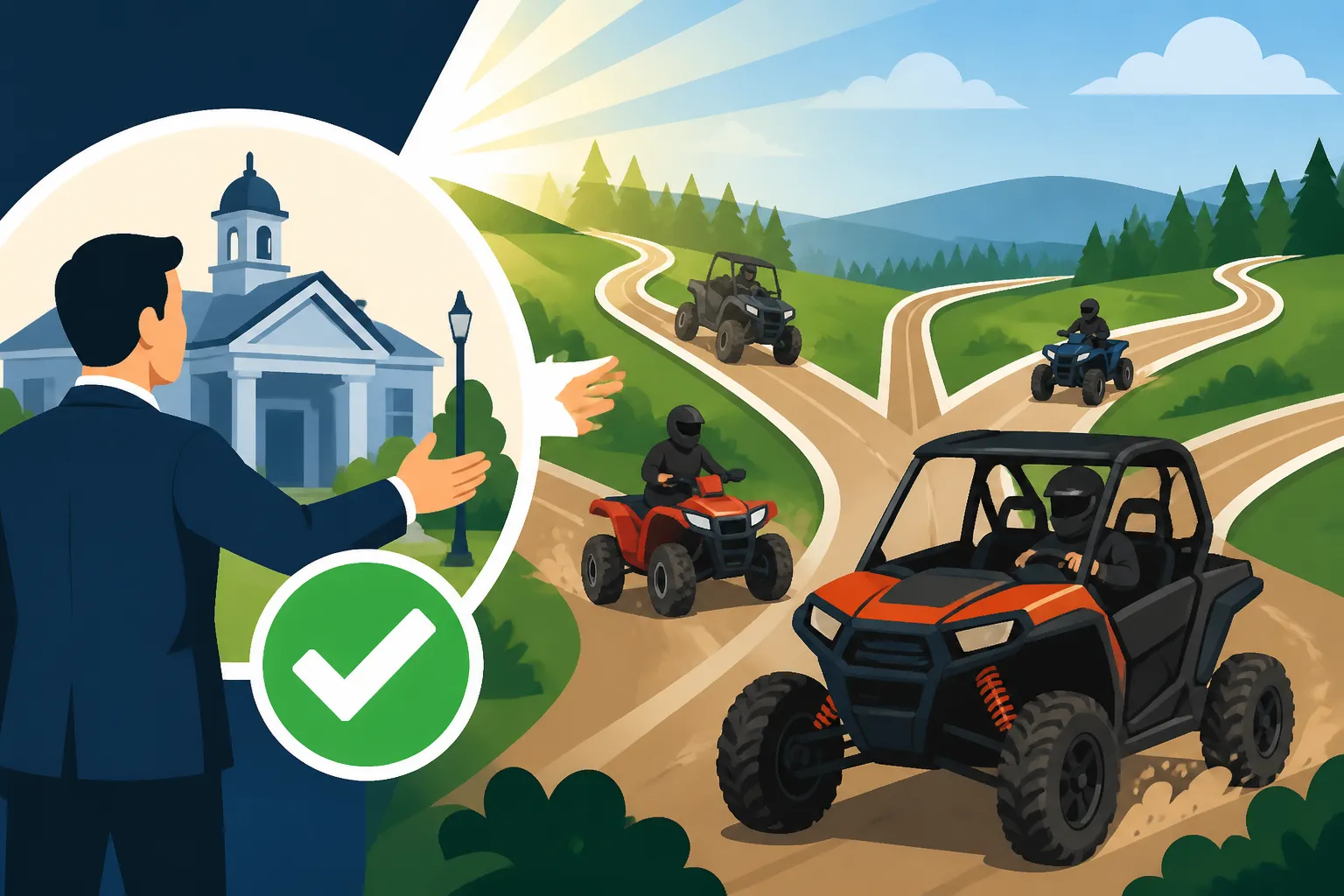
The concept of a municipality opening "every road" to off-highway vehicles is exciting, but it's crucial to understand the nuances. It doesn't mean a free-for-all on all asphalt surfaces in the province. Instead, it refers to specific, designated municipal areas where local bylaws permit OHVs on most, if not all, municipal roads, significantly expanding access beyond traditional trails.
The Distinction Between "Road Trails" and "All-Road" Access
Many riders are familiar with the existing road trail network in Nova Scotia, where specific segments of public roads are designated for shared use with OHVs. These are clearly marked, often connecting larger trail systems, allowing riders to bridge gaps or access services. The provincial legislation, specifically the [Nova Scotia Road Trails Act Explained], provides the framework for these designated corridors.
However, "all-road" municipal access takes this a significant step further. Instead of just a few selected road trail segments, an "all-road" municipality opens nearly all of its locally maintained roads. Imagine being able to leave your property on your machine, ride directly to the corner store, access a different part of town, or reach a trail system without needing a truck and trailer. This is the promise of all-road access: a more integrated and convenient riding experience within the community. The key difference lies in the scope – from specific, linear connectors to broad, area-wide permission. It’s a game-changer for local riders and visitors alike, but it demands a deep understanding of the local rules.
Provincial Highways and Controlled Access Roads: Still Off-Limits
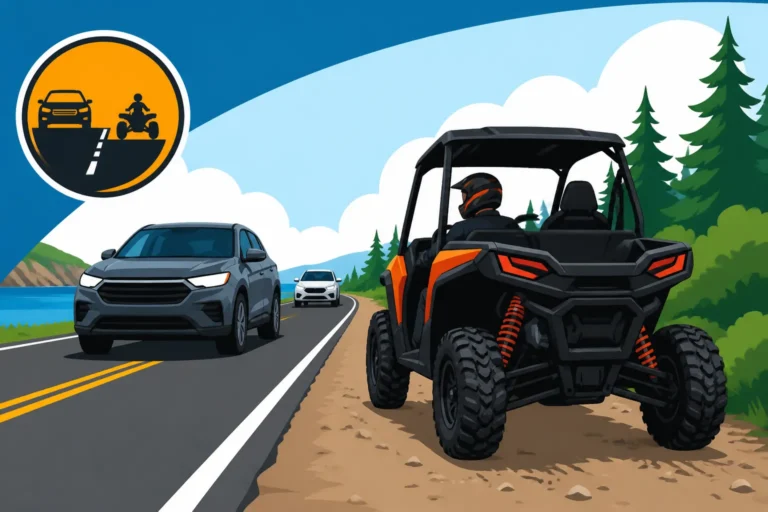
Even in municipalities that embrace "all-road" access, there's a critical distinction to remember: provincial highways and controlled access roads remain off-limits. These are the major arteries that connect communities across Nova Scotia, like the 100-series highways. The provincial Off-highway Vehicles Act and associated regulations strictly prohibit OHV use on these types of roads due to safety concerns and traffic volume.
This means that while you might be able to ride your UTV or ATV through the charming streets of a town that has adopted all-road access, you won't be able to jump onto Highway 102 or Highway 104. Riders must plan their routes carefully, using local municipal roads and designated road trail connectors where available to navigate around these prohibited zones. It's a common misconception that "all roads" truly means every road, so always double-check the local bylaws and provincial regulations to ensure you're riding legally and safely. Ignoring these restrictions can lead to significant fines and dangerous situations, undermining the efforts to expand responsible OHV access.
The Pilot Program and Its Evolution
The journey towards broader OHV road access in Nova Scotia has been a thoughtful, phased approach, starting with pilot programs designed to test the waters and gather feedback. This evolution is driven by both rider demand and the potential economic benefits for rural communities.
How the "Whole-Town Access" Trials Began
The groundwork for municipal all-road access was laid through the [Nova Scotia's 2018 Road Trail Pilot]. This initial pilot program allowed select communities to test the concept of integrating off-highway vehicles into their local road networks on a broader scale. The goal was to understand the practicalities, gauge public sentiment, and identify any unforeseen challenges that might arise from increased OHV presence on municipal streets.
These trials were instrumental in demonstrating that with proper signage, enforcement, and rider education, OHVs could co-exist safely with other traffic. Participating communities like Pictou undertook a [Pictou's All-Roads Trial in Nova Scotia], effectively opening up nearly all their local roads for a trial period. This wasn't just about recreation; it was about connecting residents to services, allowing easier access to trailheads, and fostering economic activity in towns where OHV tourism could thrive. The success and lessons learned from these initial pilots provided the impetus for the provincial government to consider wider implementation and allow more municipalities to explore this model.
Criteria for Municipalities to Opt-In
For a municipality to achieve "all-road" access, it's not simply a matter of wishing it so. There's a structured process and specific criteria that must be met, ensuring local readiness and community support. Typically, a municipality needs to:
- Pass a Local By-law: The first step is for the municipal council to pass a local by-law specifically allowing OHVs on their roads. This by-law will outline the permitted roads, operating hours, speed limits, and any other local regulations that apply.
- Consultation and Public Engagement: Before enacting such a by-law, municipalities are expected to engage in extensive public consultation. This ensures that residents' concerns about noise, safety, and traffic flow are addressed, and that the plan has a reasonable level of community buy-in.
- Signage and Infrastructure: Clear signage is paramount to inform both OHV riders and other motorists about the new rules. This includes signs indicating areas where OHVs are permitted, speed limits, and any other cautionary information. Proper signage helps prevent confusion and promotes safety.
- Enforcement Capacity: Local authorities must be prepared to enforce the new by-laws and provincial OHV regulations. This includes educating riders and, if necessary, issuing tickets for non-compliance.
The success of these programs relies heavily on local commitment and the willingness of the community to embrace this change. The ongoing [Nova Scotia's 2025 Road Trail Expansion] and [Nova Scotia's 2026 Road Trail Expansion] initiatives suggest a clear path for more communities to pursue broader OHV access, building on the experiences of the early adopters. The provincial government continues to work with municipalities to provide guidance and support as they navigate these exciting new opportunities for OHV integration.
Navigating an All-Roads Municipality
Riding your off-highway vehicle on municipal roads, even in areas with "all-road" access, comes with a unique set of responsibilities and requirements. It's not the same as tearing down a forest trail; you're sharing space with cars, trucks, and pedestrians, so awareness and preparation are key.
Essential Machine Requirements for Road Use
When you're riding your ATV or UTV on public roads, even locally designated ones, your machine needs to be equipped for it. It’s no longer just about trail riding; it's about road legality and safety. Beyond the fundamental [Nova Scotia Requires Registration and Insurance], your machine must meet specific equipment standards to be considered roadworthy in an all-access municipality. This includes:
- Headlights and Tail Lights: Not just any lights, but fully functioning headlights that illuminate the road ahead and taillights that are clearly visible from behind. Many older machines or those primarily used off-road might need upgrades to meet brightness and coverage standards, especially for night riding, as detailed in [Nova Scotia Lighting Requirements].
- Brake Lights: These are non-negotiable for road safety, signaling your intentions to traffic behind you.
- Mirrors: You need at least one, and preferably two, rearview mirrors to see traffic approaching from behind. Aftermarket options from companies like SuperATV offer robust and adjustable mirror kits designed to withstand both trail and road conditions, ensuring you have a clear view without constant head-turning.
- Horn: A working horn is essential for alerting pedestrians or other vehicles to your presence.
- Proper Exhaust System: Noise regulations are strictly enforced, especially in residential areas. Your exhaust system must meet factory noise levels, and modified or excessively loud exhausts can lead to fines, as highlighted in [Nova Scotia Exhaust Noise Rules]. If you've tinkered with your exhaust for more power, you might need to revert to a quieter setup.
- Turn Signals (Check Local By-law): While not universally required for all road trails, some municipalities with "all-road" access may specifically require turn signals to signal your intentions more clearly to other road users. This is where researching local bylaws becomes critical.
Ensuring your machine is properly equipped isn't just about avoiding a ticket; it's about your safety and the safety of everyone else on the road. A little preparation and perhaps a few upgrades can make all the difference.
Rider Responsibilities and Specific Rules
With the privilege of riding on municipal roads comes significant responsibility. It’s imperative that riders understand and adhere to the specific rules designed to ensure safety and maintain harmonious coexistence with other road users. The persona of an off-highway vehicle rider in an all-access community is that of a responsible, courteous, and lawful motorist.
Firstly, you must possess a valid driver's license. While some might think an OHV is different, riding on a public road, even a local one, means you need to be a fully licensed driver. [Nova Scotia Requires a Full Driver's Licence], and [Why a Learner's Permit Will Not Do] is a common trap for new riders. Additionally, wearing a helmet that meets recognized standards (like DOT, CSA, Snell, or BSI) is non-negotiable, as stipulated by [Nova Scotia Helmet Law for Riders] and confirmed by [Nova Scotia Helmet Standards Accepted]. This isn't just good advice; it's the law, protecting you in the event of an accident.
Speed is another critical factor. Even if the posted limit is higher, OHVs on designated road trails, and often within all-access municipalities, are typically restricted to [Nova Scotia's 25 km/h Road Trail Limit]. This lower speed helps ensure rider control and allows for quicker reactions to unexpected hazards on shared roadways. You must also ride single file and yield to other traffic, never attempting to pass vehicles unless explicitly safe and legal to do so. Understanding these core rules helps avoid common mistakes, as outlined in [Nova Scotia Rules Riders Get Wrong]. Finally, remember that all provincial laws regarding impaired operation apply fully; [Nova Scotia Impaired Riding Penalties] are severe and are enforced just as they would be for a car. Being a responsible rider means upholding all these standards, every time you turn the key.
The Importance of Community Engagement and Etiquette
Riding in an "all-roads" municipality is a privilege that hinges on positive community relations. It's not just about what's legal, but what's respectful and considerate. The success and continued expansion of these programs depend heavily on how riders interact with the broader community.
Think about the impact of your ride on residents. Noise is a common complaint, so ensuring your machine's exhaust meets legal requirements and operating it quietly, especially in residential areas, is paramount. Imagine living in a quiet coastal village and having a group of loud machines constantly roaring past your home – it quickly erodes support for OHV access. This is why [Riding Quietly Past Coastal Homes] isn't just good manners; it's a vital part of protecting your riding privileges.
Dust is another factor, especially on gravel roads. Slowing down when passing homes or other vehicles can significantly reduce dust clouds, showing consideration for others. Yielding to pedestrians, cyclists, and other motorists, and simply being friendly and courteous, goes a long way. When you see a family out for a walk, a quick wave and a reduction in speed can turn a potentially negative encounter into a positive one. These small acts of courtesy collectively build a reputation for responsible OHV use, fostering acceptance rather than resentment. Remember, every time you ride on these municipal roads, you are an ambassador for the entire OHV community.
Living and Riding in an All-Access Community
The transition to all-road access for OHVs within a municipality brings about noticeable changes, offering both significant advantages for riders and local businesses, while also presenting challenges in terms of public perception and integration.
Benefits for Riders and Local Businesses
For riders, the benefits of living or visiting an all-access municipality are immediately obvious. The convenience factor cannot be overstated. No longer are you restricted to hauling your machine on a trailer just to get from one section of a trail to another, or to grab a forgotten item from the hardware store. You can ride directly from your cottage to a local eatery, or from your home to a gas station for a fill-up, as many local businesses often serve as [Nova Scotia Fuel Stops] for trail users. This seamless connectivity enhances the overall riding experience, making it more spontaneous and enjoyable.
This increased accessibility also translates into tangible economic benefits for local businesses. When riders can easily access main streets and town centers, they are more likely to stop at local shops, restaurants, and convenience stores. Imagine a group of riders finishing a long trail ride and being able to pull right up to a diner for a meal, or popping into a local store for supplies, rather than having to pack up their machines and drive in a car. This directly injects money into the local economy, supporting small businesses and creating jobs. Some communities even see an increase in tourism, with riders from outside the area seeking out these "all-access" towns for their convenience. Furthermore, [Nova Scotia Lodging That Welcomes Quads] often sees increased bookings as word spreads about rider-friendly communities. For side-by-side drivers, this means easier trips with passengers, linking recreation with local services. [Nova Scotia Rules for a Side-by-Side Driver] cover operating regulations, but the ability to easily access amenities truly elevates the experience.
Challenges and Public Perception
While the benefits of all-road access are clear, these programs also come with their own set of challenges, primarily revolving around public perception and the integration of OHVs into a traditionally non-OHV environment. The main hurdle is often noise. While riders might be used to the sound of their machines, residents in quiet neighborhoods may find constant OHV traffic disruptive. Even machines operating within legal sound limits can create cumulative noise, especially in higher volumes, leading to [Nova Scotia Noise Complaints About Quads].
Safety is another significant concern for the general public. Despite regulations and rider training, the sight of ATVs and UTVs on public roads can make some residents uneasy, particularly parents worried about children playing near streets. There's a learning curve for both OHV riders and conventional motorists to adapt to sharing the road safely, and occasional incidents or reckless riding can quickly erode public trust and support for these initiatives. Dust on gravel roads, potential for property damage if riders stray, and environmental concerns are also frequently raised. Overcoming these challenges requires ongoing education, strict enforcement of rules, and a proactive approach from the OHV community to demonstrate responsible behavior. If these issues aren't addressed, it can lead to pushback and potentially threaten the future of all-road access.
The Future of All-Road Access in Nova Scotia
The current enthusiasm and incremental expansion of road trail systems, coupled with municipal pilot projects, paint an optimistic picture for the future of all-road access in Nova Scotia. It's clear that there's a growing recognition of the economic and recreational value that responsible OHV use can bring to communities. As more municipalities witness the success of their neighbors and understand the potential for tourism and local business support, we can anticipate a continued trend towards broader acceptance.
However, the future is not guaranteed. It hinges on the ongoing commitment to safety, education, and mutual respect. Provincial authorities will likely continue to refine regulations and support frameworks, while local municipalities will need to carefully consider their specific community needs and concerns. The OHV community itself holds a tremendous responsibility in this evolution. Adherence to rules, active participation in local clubs, and continuous efforts to be good neighbors will be crucial in demonstrating that expanded access can be a net positive for everyone. The trajectory suggests that more areas will adopt variations of all-road access, gradually weaving ATVs and UTVs more deeply into the fabric of rural and even some suburban Nova Scotian life, but it will always be a partnership between riders, communities, and government.
What to Check Before You Ride on Municipal Roads
Before you hit the pavement in an "all-road" municipality, it’s vital to ensure both you and your machine are fully prepared and compliant. This quick checklist can help you avoid fines and ensure a safe, enjoyable experience.
| Requirement | Description |
|---|---|
| Registration & Permit | Your ATV or UTV must be properly registered with the Province of Nova Scotia and have a valid vehicle permit. This is non-negotiable for all public land and road access. |
| Insurance | You need valid liability insurance coverage for your machine. Carry proof of insurance (your "pink card") with you on every ride. [Nova Scotia Requires Registration and Insurance] is strict on this point. |
| Driver's Licence | The operator must hold a valid, full driver's licence. Learner's permits are generally not accepted for OHV road use. See [Nova Scotia Requires a Full Driver's Licence] for more details. |
| Helmet | A helmet approved by recognized safety standards (DOT, CSA, Snell, BSI) is mandatory for all riders. Ensure it's in good condition and fits properly, following [Nova Scotia Helmet Law for Riders]. |
| Machine Equipment | Your machine needs working headlights, taillights, brake lights, at least one rearview mirror, and a functional horn. Check local bylaws for additional requirements like turn signals. Aftermarket options from SuperATV can help bring older machines up to spec. Refer to [Nova Scotia Lighting Requirements]. |
| Exhaust System | Ensure your exhaust system meets factory noise levels. Loud or modified exhausts can lead to fines and community complaints. [Nova Scotia Exhaust Noise Rules] outlines these requirements. |
| Speed Limit Adherence | Be prepared to maintain a maximum speed of 25 km/h on road trails and generally within all-access municipal areas, or lower if posted. |
| Local By-laws | Always check the specific municipal by-laws for the area you plan to ride in. These can dictate operating hours, specific prohibited roads, and any unique equipment requirements not covered by provincial law. |
| Riding Etiquette | Practice courteous riding. Ride single file, yield to other traffic and pedestrians, reduce speed and dust near homes, and be mindful of noise, especially in residential zones. |
By taking a few moments to review this checklist, you can ride confidently and responsibly, contributing positively to the perception of OHV use in Nova Scotia's evolving road network.
Disclaimer
This article is for general informational purposes only and does not constitute professional advice. Laws, prices and regulations vary by location and change over time. Consult a qualified professional for guidance on your specific situation.