Nova Scotia Trail Etiquette Locals Expect
Nova Scotia ATV and UTV trail etiquette rules protect access, wildlife, and community relationships through proper sharing and manners.
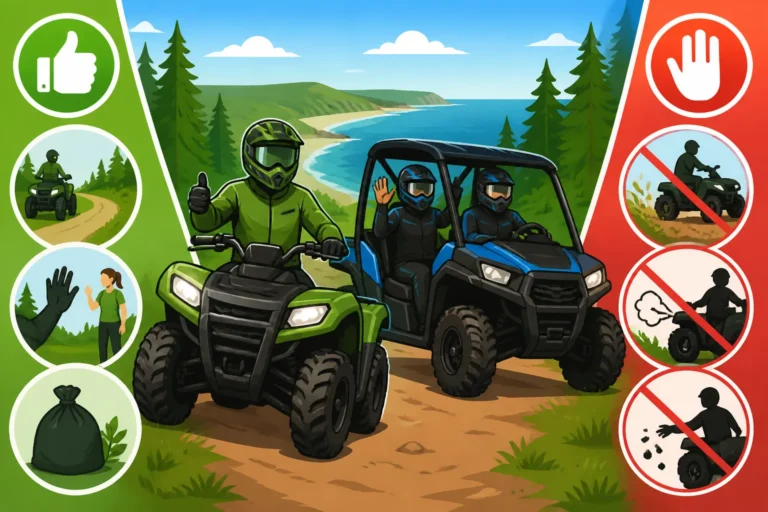
Nova Scotia ATV and UTV trail etiquette rules protect access, wildlife, and community relationships through proper sharing and manners.
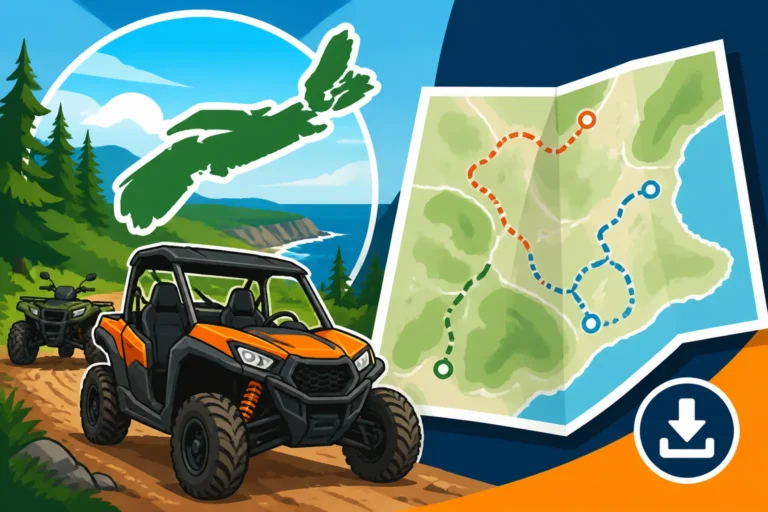
Nova Scotia ATV trail maps help riders check club routes, provincial road access, and offline navigation options.
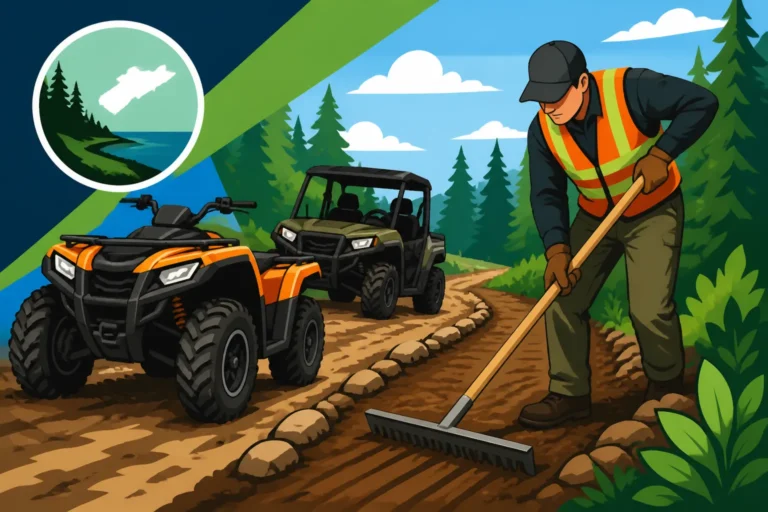
Nova Scotia club trail maintenance protects land and drainage, keeps routes usable, and balances rider access with community needs.

Nova Scotia spring thaw conditions, trail damage risks, and checking local club updates before riding off-road.
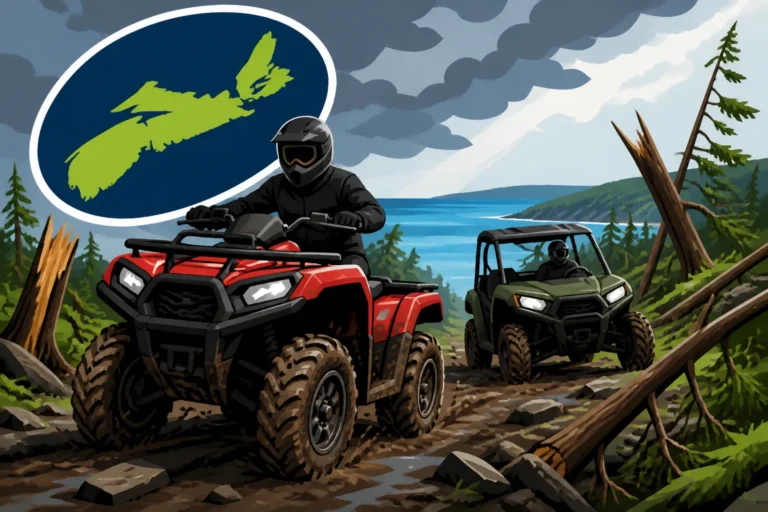
Nova Scotia ATV riders learn how to check trail access, spot storm hazards, and report hurricane damage safely.
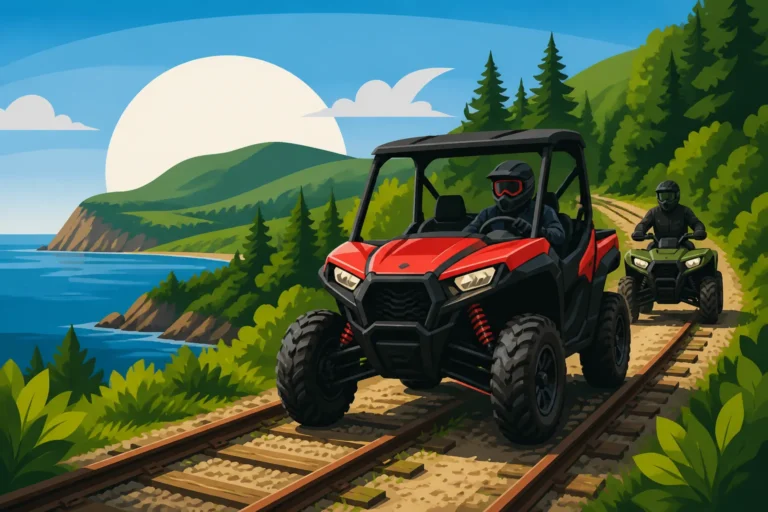
Nova Scotia old rail lines converted to trails require checking segment rules because motorized access varies.
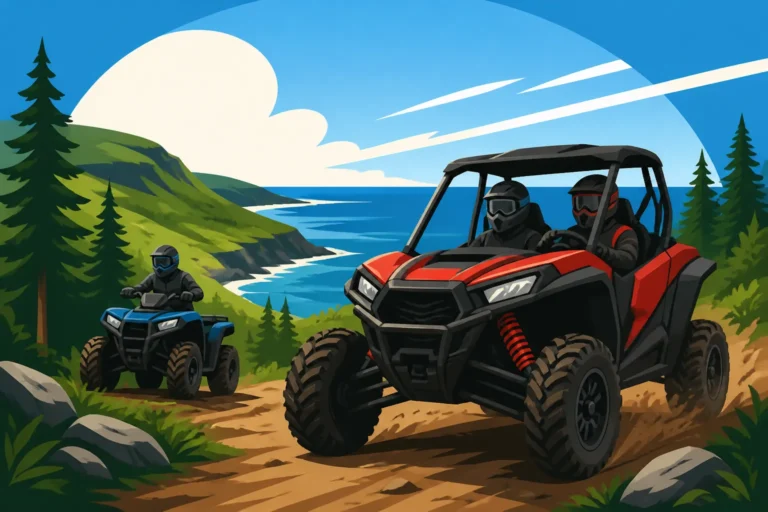
Nova Scotia ATV trailheads provide entry points for off-highway rides, requiring parked vehicle checks, fuel planning, and verified machine access.

Victoria County off-highway vehicle rules explain how to plan responsible routes, check access, and avoid restricted areas.
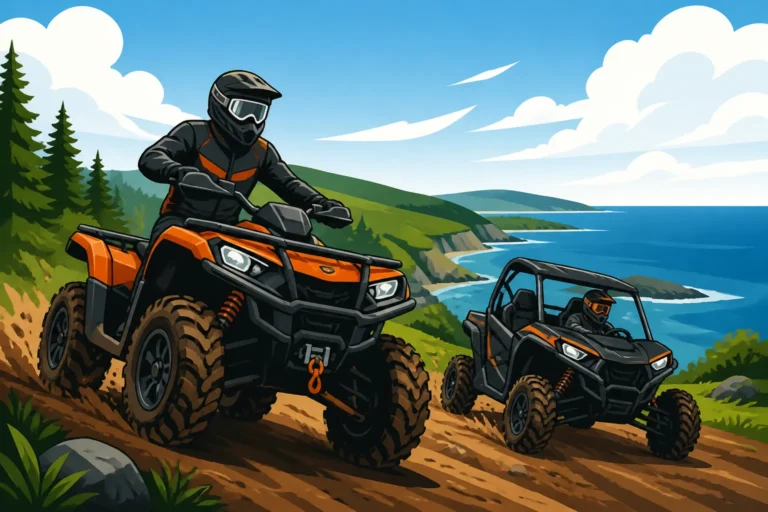
Nova Scotia ATV riding rules in Richmond County explain how to check trail access and plan coastal routes safely.

Guysborough County ATV trail planning requires confirming route access, trail conditions, and local permissions before departure.