Nova Scotia Sound Limits on Trails
Nova Scotia sound limits on trails depend on an intact, unaltered exhaust and considerate riding; check trail conditions and repair unusual noise before riding.
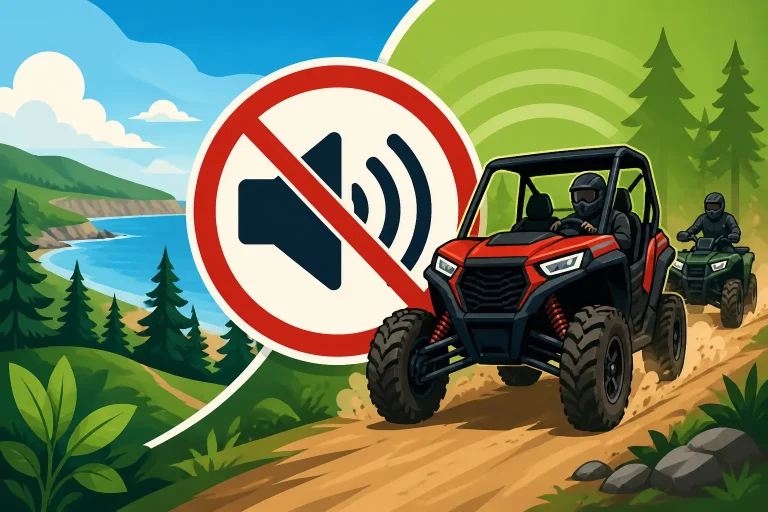
Nova Scotia sound limits on trails depend on an intact, unaltered exhaust and considerate riding; check trail conditions and repair unusual noise before riding.
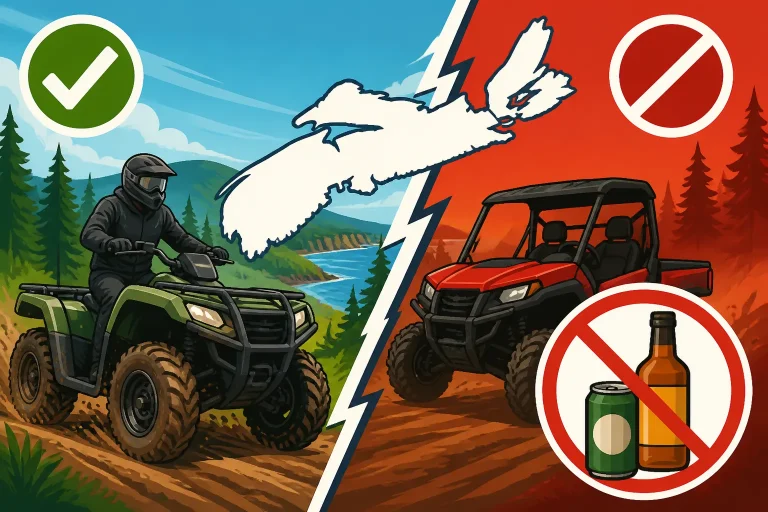
Nova Scotia ATV and UTV riders should keep alcohol out of the ride: impaired-operation rules, trail access conditions and club policies all matter.
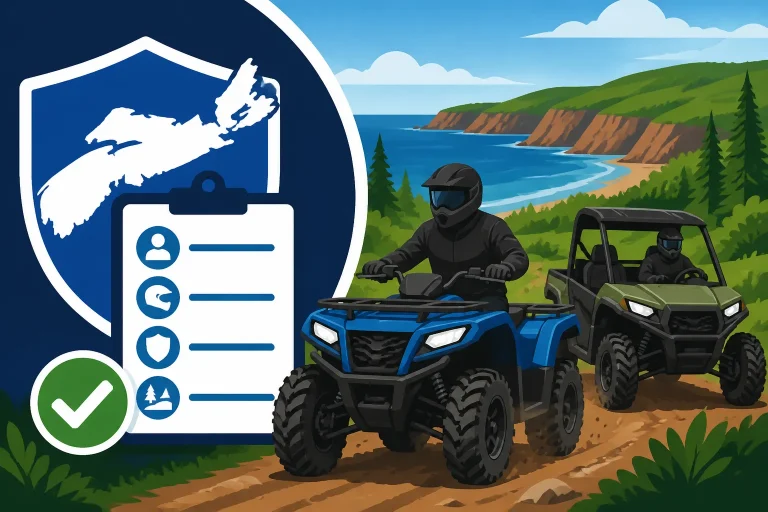
Nova Scotia ATV and UTV guides may need certification, but a guide certificate does not replace trail access, permits, insurance or safety planning.
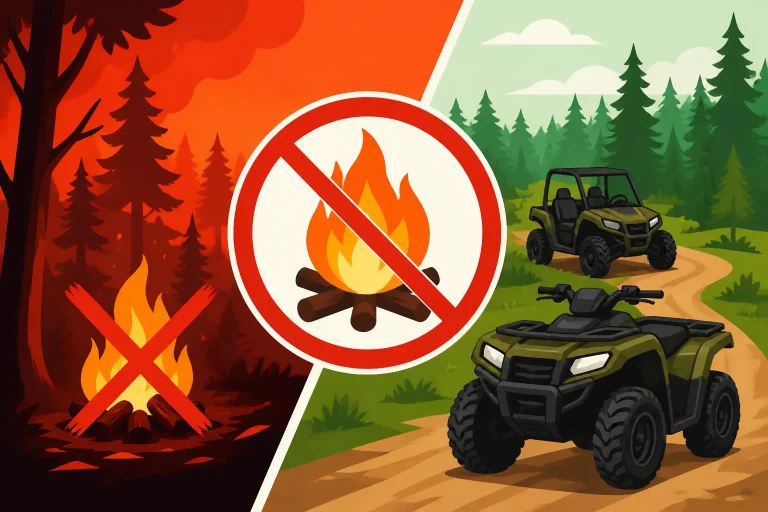
Nova Scotia fire restrictions and woods bans can change where ATVs may ride; check current orders, trail closures and fire risk before heading out.
Nova Scotia event permits for ATV rides depend on route, club approval and insurance; confirm access and event conditions before inviting riders.
Nova Scotia trail access does not automatically authorize filming; confirm land-manager approval, riding requirements and separate drone rules before a shoot.
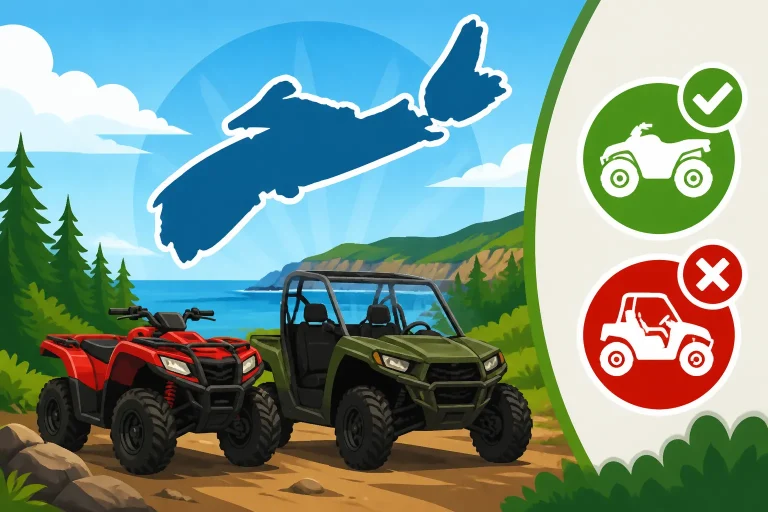
Nova Scotia park rules for ATV and UTV riders depend on land management and route approval; a trail permit alone does not authorize park access.
Nova Scotia hunting access by quad depends on land permission, open routes and separate ATV and hunting rules; confirm each before riding.
Nova Scotia private woodlot permission explains how riders can identify landowners, confirm access rules, and request riding authorization.
Nova Scotia ATV and UTV riders should arrange a separate PEI trail pass and verify permit, insurance and registration requirements before crossing.