Nova Scotia Trail Riding After Rain
Nova Scotia ATV trail riding after rain requires checking closures, assessing wet surfaces, and choosing alternate routes.
The map is not the permission.
National forest and BLM routes, state OHV parks, and club trails crossing private land — with the closures and passes that decide whether today counts.
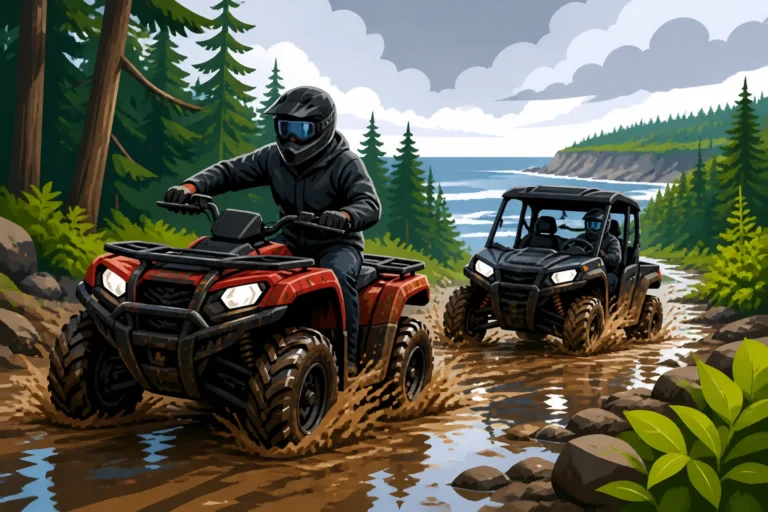
Nova Scotia ATV trail riding after rain requires checking closures, assessing wet surfaces, and choosing alternate routes.
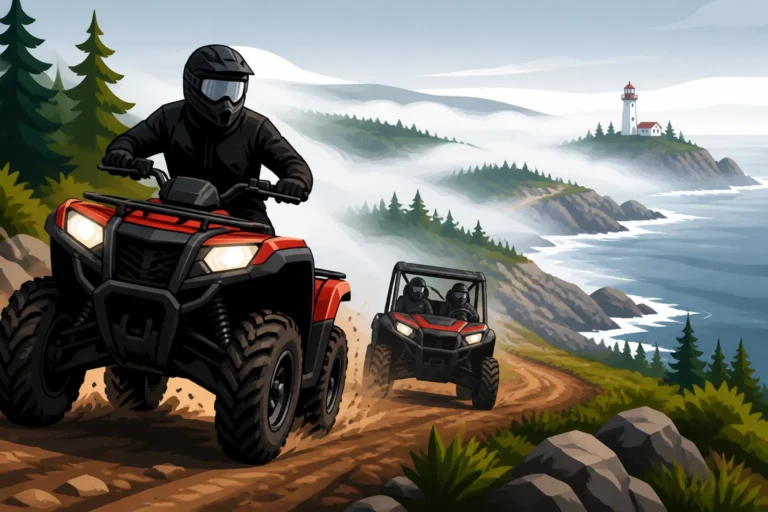
Nova Scotia coastal fog navigation techniques help ATV and UTV riders judge visibility and handle wet surfaces.
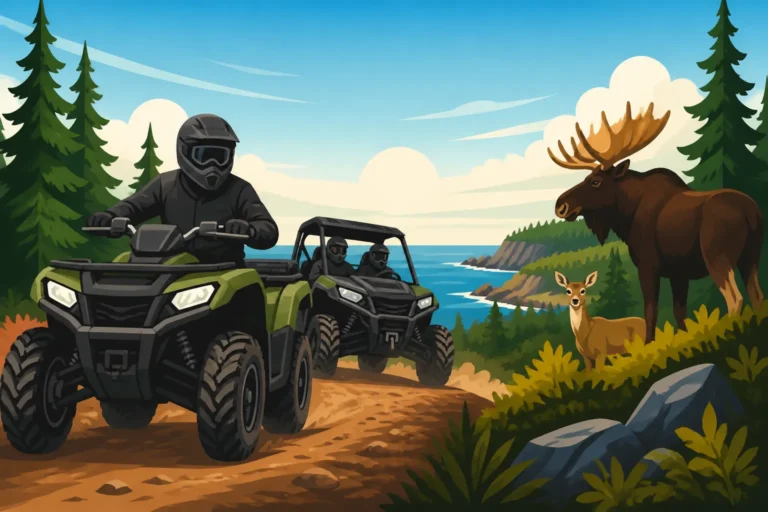
Nova Scotia trail wildlife encounters with bears and moose require riders to stop, give space, and let animals move away safely.
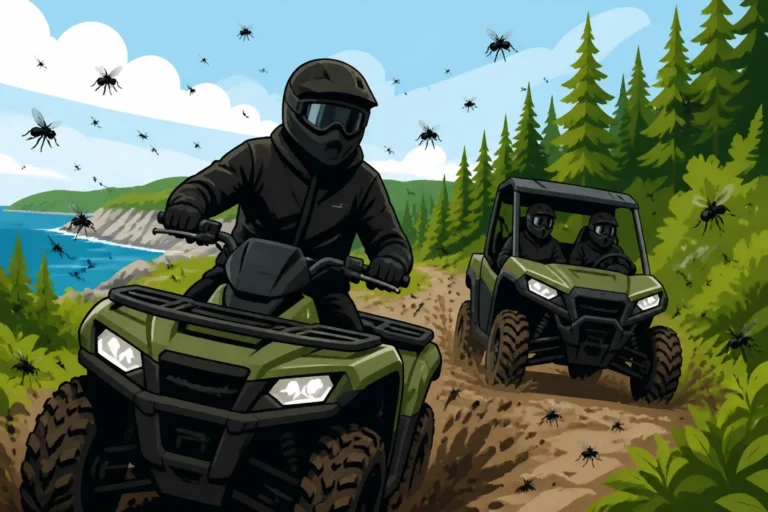
Nova Scotia black fly season affects ATV rides, detailing clothing, route planning, and strategies to handle insects.
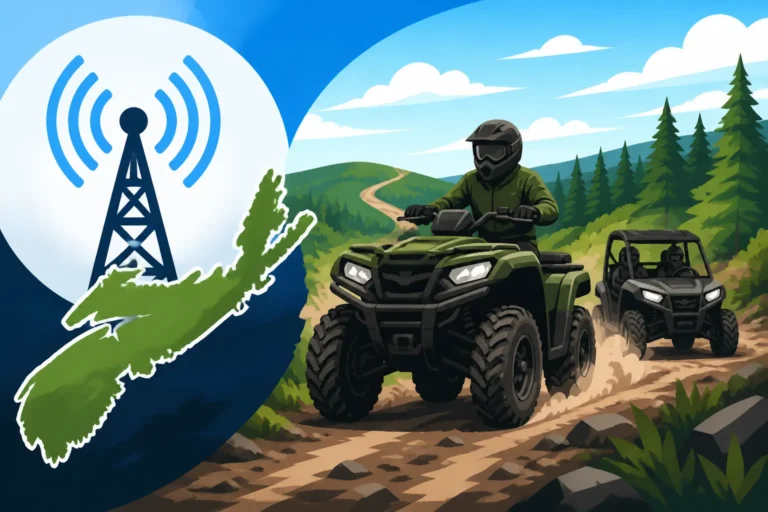
Nova Scotia trail cell coverage is unpredictable because terrain, hills, and distance block signals from nearby towers.
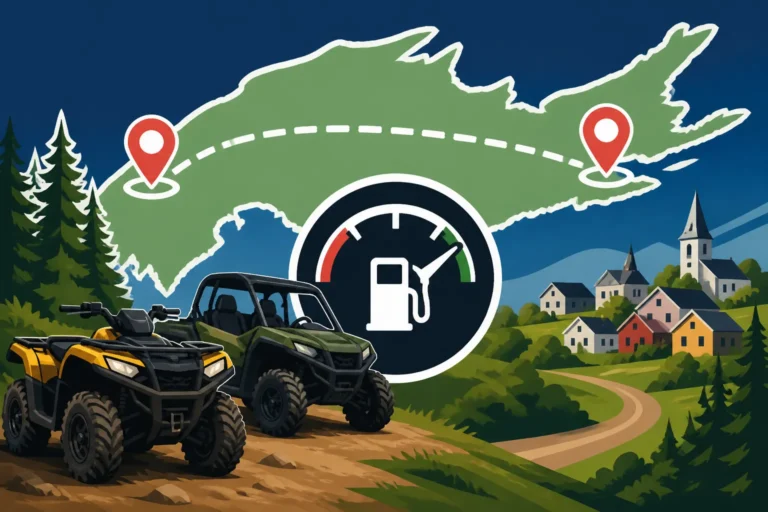
Nova Scotia ATV fuel planning requires estimating usable range, accounting for trail conditions, and verifying village fuel stops.
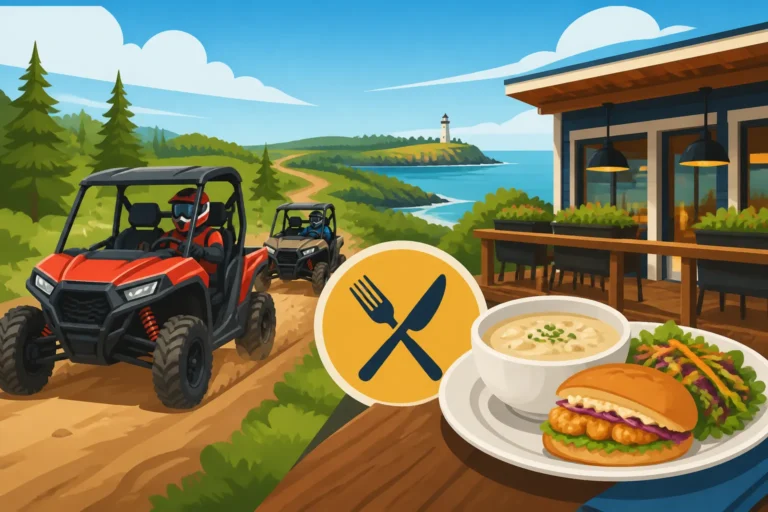
Nova Scotia ATV trail restaurants require checking legal connections, local route permissions, and community meal stop hours.
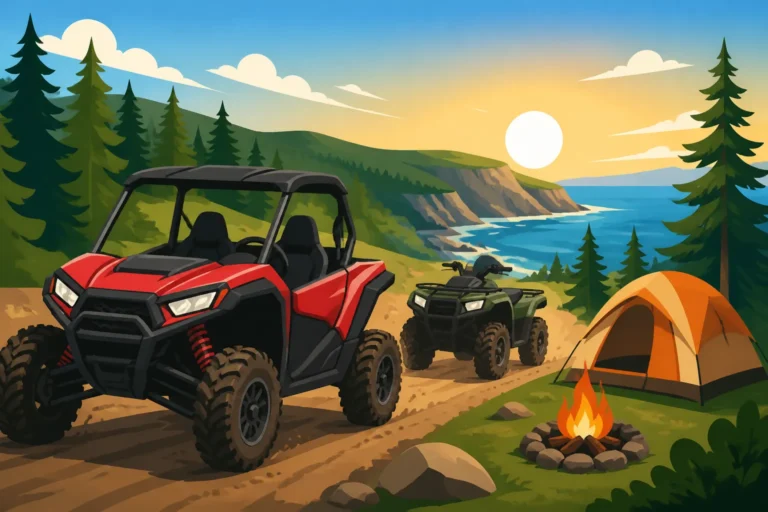
Nova Scotia campgrounds near ATV trails require checking legal access, machine permissions, and parking rules before booking your trip.
Quad-friendly lodging in Nova Scotia requires checking parking space, equipment security, and legal access to local trails.
Nova Scotia ATV trailheads with parking require verifying legal space for trucks and trailers before unloading machines.