Checking a Serial Number Before the Money Moves
Buying a used ATV or UTV in Nova Scotia can be an exciting prospect, full of dreams of tearing down trails or getting serious work done on the farm. But nothing sours that excitement faster than discovering the machine you just shelled out hard-earned cash for has a murky past. This guide will walk you through the absolutely critical steps of checking a serial number, or Vehicle Identification Number (VIN), before you hand over any money, helping you avoid headaches, legal troubles, and costly mistakes.
The Non-Negotiable Importance of a VIN Check
When you're looking at a used off-highway vehicle (OHV), whether it's a trusty utility quad or a zippy side-by-side, it's easy to get caught up in the shiny tires or the promise of adventure. But before you even think about negotiating a price, the very first thing you need to do is locate and scrutinize the machine's serial number or VIN. This isn't just a bureaucratic formality; it's your frontline defense against unknowingly purchasing a stolen machine, one with outstanding liens, or an OHV that's been in a major accident and pieced back together. Skipping this step is like buying a house without checking the foundation – you're setting yourself up for potential disaster.
Protecting Yourself from Stolen Machines and Legal Woes
Imagine this scenario: you find a fantastic deal on a quad, the seller seems nice, and everything looks good. You buy it, get it home, and start planning your first ride. Then, a few weeks later, a law enforcement officer knocks on your door, informing you that your new machine was reported stolen months ago. Not only do you lose the quad, but you're out all the money you paid, and you might even face uncomfortable questions about how you came to possess it. This isn't just a hypothetical nightmare; it happens to unsuspecting buyers all the time. A thorough VIN check against police databases, even if informally, can save you from this harrowing experience. The VIN is the machine's unique fingerprint, and verifying it is your way of ensuring you're not participating in illicit activity, even inadvertently. You could also face significant [Nova Scotia Fines for an Unregistered Machine] if the machine's history prevents it from being registered properly.
Uncovering Liens and Ensuring Clear Ownership
Another major pitfall when buying used is purchasing a machine that still has a lien against it. A lien means that a bank or financial institution still has a legal claim to the vehicle because the previous owner hasn't finished paying off a loan. If you buy a machine with an active lien, the lender could legally repossess it, leaving you without your OHV and still out your cash. This is a common issue with private sales where the seller might be trying to offload their debt along with the machine. [Nova Scotia Registration and Lien Records] are publicly accessible information for a reason – they're there to protect you. Before you sign a bill of sale, you need to be absolutely certain that there are no outstanding financial claims against the OHV. Many jurisdictions also require you to pay [Nova Scotia Tax on a Private ATV Sale] at the time of registration, but if there's a lien, you might not even get that far.
Avoiding Salvage or Rebuilt Machines Without Full Disclosure
Beyond theft and liens, a VIN check can sometimes reveal if an OHV has a history of being a salvage, rebuilt, or written-off machine. While some rebuilt machines can be perfectly safe and reliable, you need to know their history to make an informed decision and ensure the price reflects its past. An OHV might have been in a serious accident, declared a total loss by an insurance company, and then cheaply repaired without proper safety checks. If a seller isn't transparent about this, a VIN check can be the only way to uncover such a history. Without this crucial information, you might be buying a machine with hidden structural damage or mechanical issues that could cost you a fortune down the line or, worse, compromise your safety on the trail.
Locating and Examining the Serial Number
Before you can even begin the verification process, you need to find the actual VIN or serial number on the ATV or UTV you're considering. Unlike cars, where the VIN is almost always visible through the windshield, OHVs can be a bit trickier, and their placement can vary depending on the manufacturer and model year. It’s crucial to know where to look and what a legitimate VIN should look like to avoid being fooled by altered or fabricated numbers. Taking a moment to thoroughly inspect these locations can save you immense trouble later.
Common VIN Locations on ATVs and UTVs
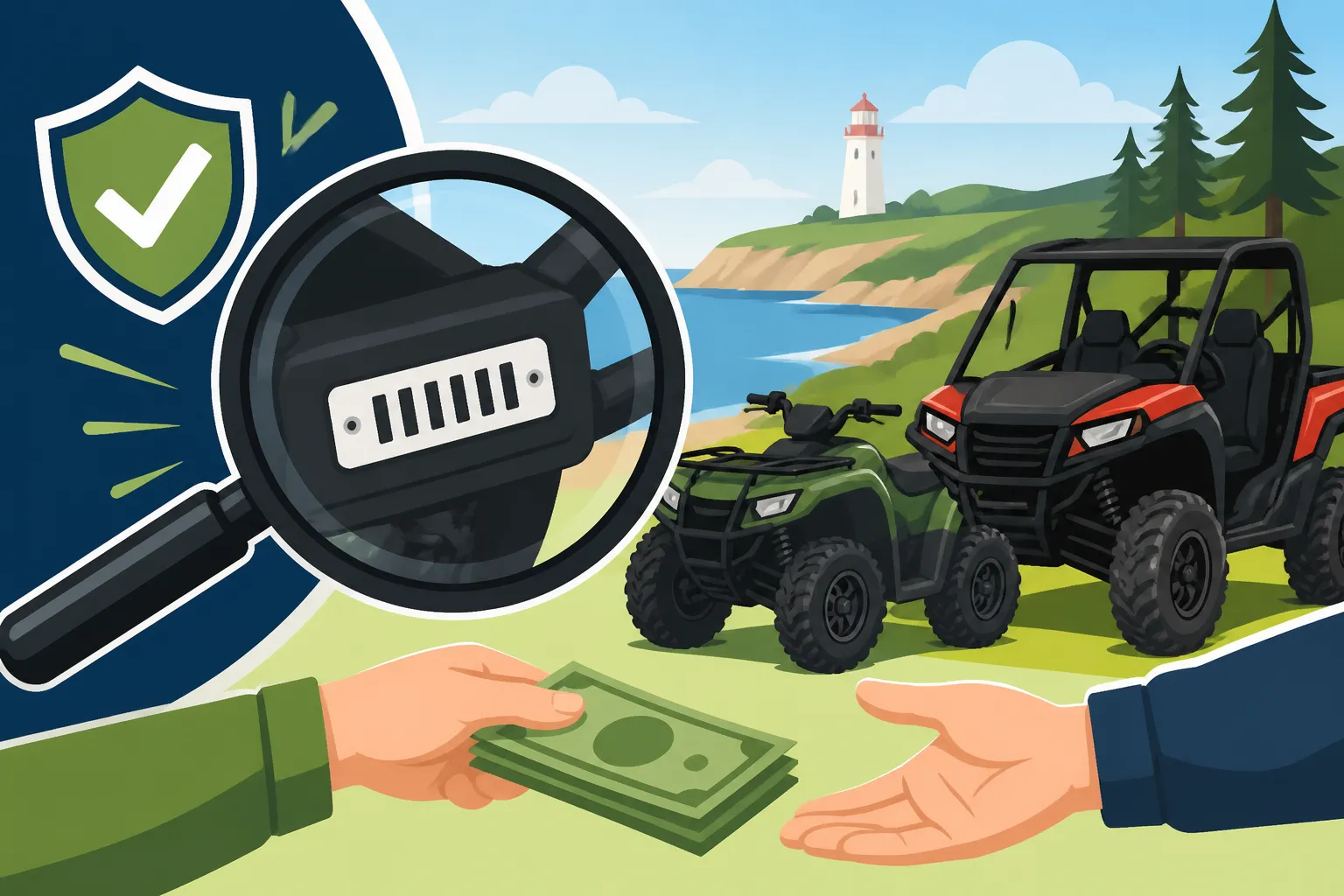
For most ATVs and UTVs, the VIN is typically stamped directly into the frame, not on a sticker that can be easily removed or replaced. You'll often find it on the left-hand side of the machine. Common spots include:
- Front Left Frame: Near the steering neck or under the handlebars.
- Rear Left Frame: Sometimes near the rear axle or under the seat.
- A-Arm or Suspension Mount: On the frame section where the front suspension components attach.
- Under the Seat: On a crossmember or frame rail beneath the rider's seat.
Always clean off any dirt or grime to ensure you can read the numbers clearly. It's a good idea to [Photographing a VIN at the Sale] with your phone as clear evidence. Take multiple pictures from different angles to capture the surrounding frame as well. Remember, this number should look like it was stamped at the factory, not hand-etched or poorly glued on.
Understanding the Difference: VIN vs. Engine Serial Number
It's important to distinguish between the machine's VIN and its engine serial number. While both are unique identifiers, only the VIN (Vehicle Identification Number) identifies the entire vehicle. The engine serial number, as the name suggests, identifies only the engine. Sometimes, especially on older models or those that have had engine replacements, the engine's serial number might not match any part of the VIN. This isn't necessarily a red flag in itself, but it highlights why you must focus on the frame-stamped VIN for your primary checks. Always ensure you are looking for the full, 17-character VIN if the machine is newer (most machines made after 1981 have a 17-character VIN). Older machines might have shorter serial numbers, often 10-12 characters; these are still valid but require different search methods. [Serial Numbers on an Older Machine] can be particularly challenging, but no less important to verify.
What to Look For: Signs of Tampering
Once you've located the VIN, examine it closely for any signs of tampering. This is where your keen eye comes in. Look for:
- Mismatched Fonts or Sizes: Do some numbers or letters look different than others?
- Irregular Spacing: Are the characters spaced unevenly, as if some were added or altered?
- Grinding Marks or Re-stamping: Are there any signs that the original numbers were ground off and new ones stamped over them? This is a huge red flag.
- Welds or Repairs Around the VIN: Any suspicious welding or repairs in the area where the VIN is stamped could indicate that a section of the frame was replaced to conceal the machine's true identity.
- Unusual Plate or Sticker: If the VIN is on a glued-on sticker or plate instead of being stamped directly into the frame, especially on an older machine, be very wary. While some modern machines might have VIN plates, the primary VIN should always be a permanent, stamped fixture. If you see any of these signs, proceed with extreme caution, or better yet, walk away.
Verifying the VIN and Uncovering Its History
Finding the VIN is just the first step; the real work begins with verifying its authenticity and digging into the machine's history. This is where you leverage official channels and resources to ensure the OHV has a clean past and legitimate ownership. Don't rely solely on what the seller tells you; always verify independently. This process is absolutely critical when [Buying From a Private Seller in Nova Scotia].
Using Access Nova Scotia for Official Records
In Nova Scotia, one of your best resources for verifying an OHV's registration and lien status is Access Nova Scotia. While they won't typically provide a full historical report from a VIN alone, they can confirm if the machine is currently registered and, crucially, if there are any liens recorded against it. You can often request a records search or, even better, accompany the seller to an Access Nova Scotia centre. This allows you to witness the process and ensure that the machine's details match what's presented by the seller. When buying a machine with [Nova Scotia Used Machine Paperwork] from a private individual, the seller should ideally have their Certificate of Registration and Vehicle Permit. This documentation will have the VIN clearly listed, which you can then cross-reference with the physical machine. Asking for a copy of the previous owner's paperwork is a sensible part of your [Nova Scotia Registration Paperwork Checklist].
Exploring Manufacturer Databases and Third-Party Services
Beyond government records, you might be able to glean more information through other avenues. Some manufacturers offer online VIN lookup tools, though these are more common for cars and trucks than for OHVs. These tools might confirm the make, model, and year, helping you ensure the seller's description matches the manufacturer's data.
For a more comprehensive history, several third-party VIN check services exist. These services, for a fee, can often pull data from various sources, including insurance claims, previous registrations, and sometimes even police reports, to generate a history report for the VIN. While I can't recommend a specific service here, a quick search for "OHV VIN check" will likely yield several options. These reports can reveal if the machine has been reported stolen, involved in major accidents, or has a salvage title in other jurisdictions, information that might not be immediately apparent through provincial registration checks alone.
The Power of a Comprehensive Bill of Sale
Once you're satisfied with the VIN check, and assuming all lights are green, the next critical step is to execute a robust bill of sale. This document is your legal proof of purchase and a crucial piece of paperwork when you go to register the machine in your name. A good bill of sale should clearly list:
- The full names and addresses of both the buyer and the seller.
- The date of the sale.
- The agreed-upon purchase price.
- A detailed description of the OHV, including its make, model, year, and most importantly, the complete VIN.
- A declaration from the seller stating that they are the legal owner, the machine is free of liens, and they have the right to sell it.
Using a standardized template, like those often available through services such as LawDepot, can help ensure all necessary legal clauses are included. LawDepot provides customizable legal documents, including bills of sale for vehicles, which can be invaluable for private sales. They often guide you through the process, prompting you for all the essential details to protect both parties. A well-drafted bill of sale is vital for [Nova Scotia Registration After a Private Sale]. Without a proper bill of sale, or if it's incomplete, you could face delays or even rejection when you try to transfer ownership at Access Nova Scotia.
What to Do When the VIN Raises Red Flags
Even with the best intentions, you might encounter issues during your VIN check. It's crucial to know how to react to these red flags, as ignoring them could lead to significant financial loss or legal complications. Your due diligence protects you, so don't be afraid to walk away from a deal if something feels off.
When to Walk Away: Clear Signs of Trouble
The moment you uncover any significant discrepancies, signs of tampering, or unaddressed liens, you need to seriously consider walking away from the deal. It doesn't matter how good the price seems or how much you've fallen in love with the machine; if the VIN history is questionable, it's not worth the risk. Common reasons to walk away include:
- VIN Tampering: Any evidence that the VIN has been ground, re-stamped, or altered in any way. This is a definitive sign of illicit activity.
- Unresolved Liens: If a lien search reveals an outstanding claim and the seller cannot immediately provide proof of its release, do not proceed. [What a Lien Means on a Financed Quad] is that someone else legally owns a piece of that machine, and you could lose it.
- Matching Stolen Vehicle Reports: If your checks indicate the VIN is associated with a stolen vehicle, contact law enforcement immediately.
- Seller's Reluctance to Cooperate: If the seller refuses to let you inspect the VIN, accompany them to Access Nova Scotia, or provide necessary paperwork, take it as a major warning.
Remember, there are always other machines out there. A little patience now can save you a lot of grief and money later. It's far better to keep looking than to buy one of [Nova Scotia Machines With No Paperwork] or with questionable history.
Dealing with Missing or Unreadable VINs
On occasion, especially with very old machines or those that have seen a lot of hard use, the VIN might be entirely missing or so corroded it's unreadable. This presents a unique challenge for registration. In Nova Scotia, if the VIN is gone or illegible, you will likely need to apply for a Special ID Number from Access Nova Scotia. This involves an inspection by law enforcement or an authorized agent to verify the machine's identity as much as possible and ensure it's not stolen. This process can be lengthy and might require additional documentation, such as affidavits. So, if you're looking at a machine with a missing or unreadable VIN, be prepared for extra steps and potential delays in getting it on the books. While [Nova Scotia Registration When the VIN Is Gone] is possible, it adds complexity and is often a reason to rethink the purchase unless you're truly prepared for the hassle.
The Role of a Solid Paper Trail and Legal Advice
Beyond the VIN check, always prioritize a clear paper trail for your purchase. This includes a detailed bill of sale, and any other transfer-of-ownership documents. Services like LawDepot can be highly beneficial here, offering reliable templates for various legal documents, including comprehensive bills of sale that cover all the necessary details to protect you. Don't be shy about asking the seller for all existing paperwork, including previous registration documents and service records. This entire package of documents is what you'll need when you head to Access Nova Scotia for [Registering an ATV at Access Nova Scotia]. If you have any doubts about the legality of a sale, the authenticity of a VIN, or the implications of a lien, it's always wise to seek legal counsel. A small investment in legal advice upfront can prevent a much larger, more expensive problem down the road.
Here's a quick summary of essential VIN check steps:
| Step | Action | Why It Matters |
|---|---|---|
| 1. Locate the VIN | Find the 17-character VIN (or shorter for older machines) stamped into the frame. Clean off dirt. | Ensures you're checking the correct, permanent identifier of the vehicle. |
| 2. Inspect for Tampering | Look for grinding, re-stamping, mismatched fonts, or suspicious welds around the VIN area. | Reveals potential fraud, stolen vehicles, or altered identities. |
| 3. Verify with Access Nova Scotia | Request a records search or go with the seller to confirm current registration and check for active liens. | Confirms legal ownership and reveals financial claims against the machine. Essential for Nova Scotia registration. |
| 4. Use a Third-Party Service (Optional) | Consider a paid VIN check service for a comprehensive history report (theft, salvage, accident history). | Provides a deeper dive into the machine's past, beyond local registration. |
| 5. Secure a Bill of Sale | Use a comprehensive template (e.g., from LawDepot) clearly listing buyer, seller, price, and the verified VIN. | Legal proof of purchase, necessary for registration and future disputes. Protects your ownership rights. |
| 6. If Red Flags Appear | Do not proceed with the purchase if tampering, unresolved liens, or stolen status is identified. Contact authorities if necessary. | Prevents financial loss, legal repercussions, and unknowingly participating in illegal activities. |
Disclaimer
This article is for general informational purposes only and does not constitute professional advice. Laws, prices and regulations vary by location and change over time. Consult a qualified professional for guidance on your specific situation.