How to Register an ATV in Nova Scotia
It can feel incredibly daunting to navigate the administrative maze when you just want to get out and enjoy Nova Scotia's incredible trails on your ATV or UTV. You've got this shiny (or well-loved) machine, and all you want to do is ride, but that stack of paperwork or the uncertainty of what you actually need can really hold you back. This guide is here to cut through the confusion and give you a clear, step-by-step roadmap to successfully registering your off-highway vehicle in Nova Scotia, saving you a headache and potential fines.
Understanding Nova Scotia's Registration Requirements for Off-Highway Vehicles
Before you even think about hitting those scenic routes or tackling rugged terrain, it’s crucial to understand the legal framework surrounding off-highway vehicles (OHVs) in Nova Scotia. This isn't just about bureaucracy; it's about safety, trail maintenance, and ensuring everyone can enjoy our beautiful province responsibly.
Why Registration Matters in Nova Scotia
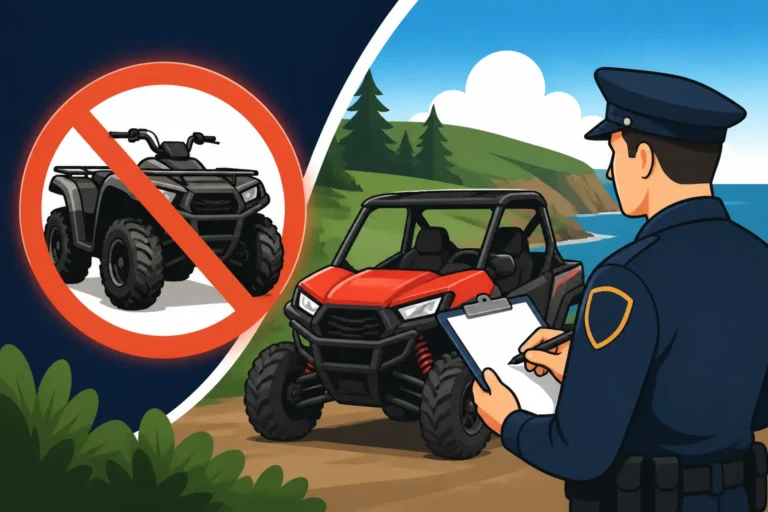
Let's be honest, nobody loves dealing with government paperwork. It can feel like just another hurdle between you and your outdoor adventure. However, in Nova Scotia, registering your ATV or UTV isn't optional; it's a legal requirement. Operating an unregistered machine on public land, trails, or even just crossing a highway can lead to significant penalties. We're not talking about a gentle slap on the wrist here. If you're caught riding an unregistered machine, you could face [Nova Scotia Fines for an Unregistered Machine], starting from a minimum of $250. That's a serious chunk of change that could be better spent on fuel, gear, or even an extra weekend trip.
Beyond avoiding fines, registration plays a vital role in supporting the very trails we all love to ride. A portion of the fees collected goes towards the provincial infrastructure fund, which helps maintain and develop the extensive network of trails across Nova Scotia. It ensures that those beautiful paths you explore are safe and accessible for years to come. Plus, registration helps law enforcement identify machines in case of theft or accident, adding a layer of security for your investment.
What Qualifies as an Off-Highway Vehicle (OHV)?
The term "Off-Highway Vehicle" covers a pretty broad range of machines, and it's important to know if yours falls under the umbrella for registration purposes. In Nova Scotia, an OHV is generally defined as any motorized vehicle, other than an antique motor vehicle, that is designed for off-highway travel. This includes the machines you commonly see out on the trails:
- All-Terrain Vehicles (ATVs): These are the classic four-wheelers, designed for single riders or occasionally with a passenger seat depending on the model.
- Utility Terrain Vehicles (UTVs) or Side-by-Sides: These are typically larger, multi-passenger vehicles with steering wheels, roll cages, and often a cargo bed. They're popular for both recreation and utility work.
- Dirt Bikes: While they might feel different to ride, these two-wheeled machines are also considered OHVs and require registration if operated off private property.
- Snowmobiles: When the snow flies, these too fall under the OHV classification and have their own specific registration requirements for winter trail use.
It's also important to note what isn't always considered an OHV for these purposes. For instance, certain types of farm equipment, while capable of off-highway travel, might have specific exemptions if used solely for agricultural purposes. The key is to remember that if it's designed for recreation or general transport off a paved road, it likely needs to be registered.
Who Needs to Register an OHV?
Pretty much anyone who owns an off-highway vehicle and intends to operate it in Nova Scotia needs to register it. This isn't a "some people" kind of rule; it's a "nearly everyone" kind of rule. Let's break down the common scenarios:
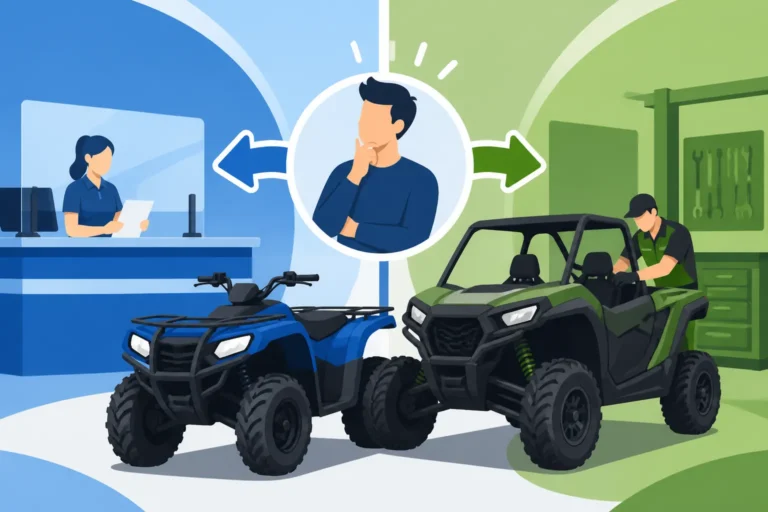
- New Purchases: If you've just bought a brand-new ATV or UTV from a dealer, they will often handle the initial registration paperwork for you, incorporating the fees into your overall purchase. This is usually the smoothest process.
- Private Sales: Buying a used machine from a private seller requires you to take on the responsibility of transferring the registration into your name. This is where most people encounter questions about paperwork, and we'll cover it in detail.
- New Residents: Moving to Nova Scotia with an OHV you already own? You'll need to register it here within a specific timeframe after establishing residency. [Nova Scotia Registration for a New Resident] provides more detail on this.
- Inherited Machines: If you've inherited an ATV or UTV, you'll need to go through a process to transfer ownership and register it in your name.
- Business Machines: Even if your OHV is used for commercial purposes, like guiding tours or maintenance on a large property, it generally still needs to be registered.
It's also crucial to remember the age requirement for ownership. In Nova Scotia, [Nova Scotia Requires Owners to Be 19] years old to register an OHV in their name. This means if you're buying a machine for a younger family member, you, as the parent or guardian, will typically be the registered owner until they reach the legal age.
The Essential Documents You'll Need to Gather
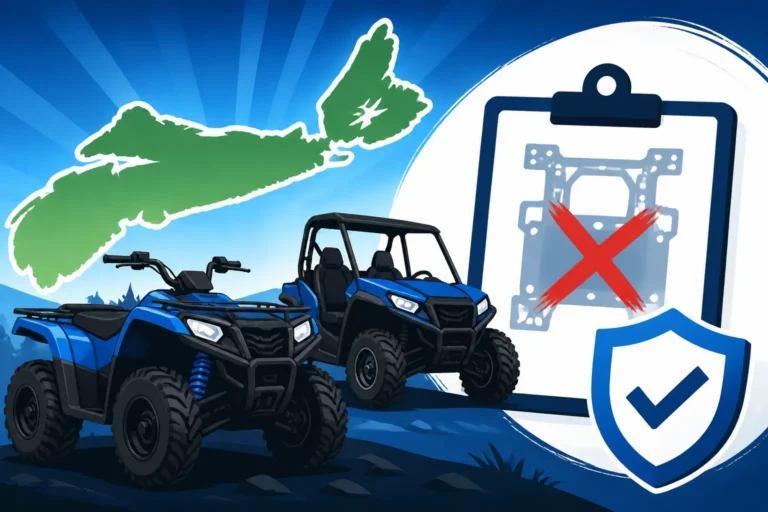
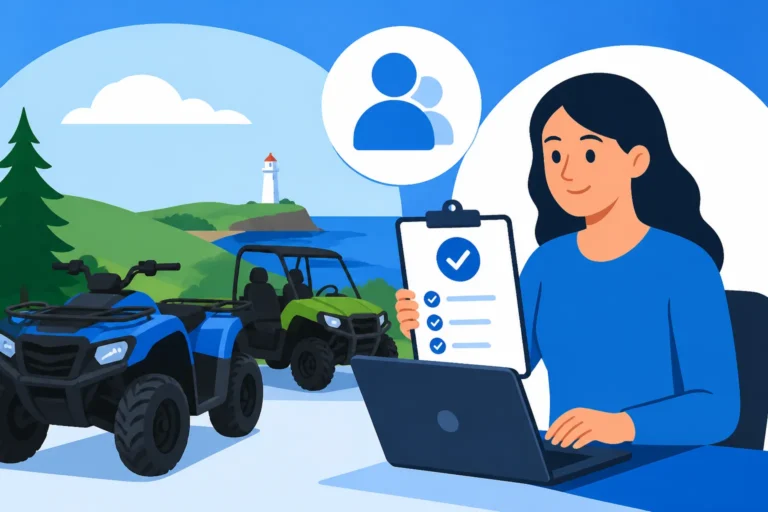
One of the biggest hurdles to registering your ATV or UTV is making sure you have all the necessary paperwork. Showing up at Access Nova Scotia only to realize you're missing a critical document is a common frustration, and it means another trip. To save yourself time and a headache, gather these items before you head out the door. Think of this as your personal [Nova Scotia Registration Paperwork Checklist].
Proof of Ownership: The Bill of Sale or Previous Registration
This is perhaps the most critical piece of documentation. You need to prove that the machine legally belongs to you.
- For New Machines: If you bought your ATV or UTV from a licensed dealer, they will provide you with a Manufacturer's Statement of Origin (MSO) or a New Vehicle Information Statement (NVIS), along with a bill of sale. These documents clearly state the vehicle's details and confirm your purchase.
- For Used Machines from a Private Seller: This is where things can get a bit trickier. You absolutely need a clear, legible bill of sale signed by both you and the seller. This document should include:
- The full names and addresses of both the buyer and seller.
- The date of sale.
- The make, model, year, and crucially, the Vehicle Identification Number (VIN) of the OHV.
- The purchase price (this is important for tax calculation).
- A statement that the seller has the right to sell the machine and that it is free of liens (if applicable).
Sometimes, especially with older machines, the previous owner might not have a formal bill of sale. In such cases, a declaration of ownership might be required. You can often find templates for a generic bill of sale or a declaration through resources like LawDepot, which can help ensure all necessary details are covered.
You should also receive the previous Certificate of Registration or Vehicle Permit from the seller. This shows the chain of ownership and helps verify the VIN. If the previous owner doesn't have this, it can complicate things, potentially requiring a lien search or additional steps to prove the machine isn't stolen.
Personal Identification and Proof of Residency
When you're at Access Nova Scotia, they need to verify who you are and that you reside in the province.
- Valid Photo Identification: Your Nova Scotia Driver's Licence is usually sufficient. If you don't have one, other government-issued photo ID (like a passport or provincial ID card) may be accepted, but it's always best to call ahead if you're unsure.
- Proof of Address: Sometimes your driver's licence will suffice, but occasionally they may ask for a secondary proof, such as a utility bill (power, water, internet) or a bank statement that clearly shows your name and current Nova Scotia address. This is to ensure the address on your registration matches your legal residence.
Insurance Documents
Operating an OHV in Nova Scotia requires mandatory liability insurance. This is non-negotiable for riding anywhere off your own private property.
- Proof of Insurance (Pink Card): You'll need a valid insurance policy for your OHV, and you'll be issued a "pink card" or a similar document by your insurer. This card typically shows:
- The name of the insured.
- The policy number.
- The make, model, and VIN of the insured vehicle.
- The effective dates of coverage.
- The liability limits.
Nova Scotia requires a minimum of [Nova Scotia's $500,000 Liability Minimum] in third-party liability coverage. This protects you in case you cause an accident that injures someone or damages their property. Ensure your insurance covers off-highway vehicle use, as standard auto insurance policies rarely do. Have your physical pink card or an electronic copy readily available when you go to register.
Tax Information and Payment
Yes, taxes are part of the process, and they need to be addressed at the time of registration.
- Harmonized Sales Tax (HST): In Nova Scotia, you'll pay HST on the purchase price of your ATV or UTV. [Nova Scotia Tax Collected at Registration] explains how this works.
- New Machines: If you bought from a dealer, the HST is typically calculated and collected by the dealer at the point of sale. You'll simply need to show proof that the tax was paid.
- Used Machines from a Private Seller: This is where it changes. When you buy privately, you are responsible for paying the HST to the provincial government. This tax is usually collected at the Access Nova Scotia counter when you register the machine. They will ask you for the purchase price (as stated on your bill of sale) and calculate the HST based on that figure. It's important to be honest about the purchase price, as providing false information can lead to penalties. If you've created your bill of sale using a template from a service like LawDepot, ensure the purchase price is clearly stated.
Step-by-Step: The Registration Process
Now that you've got all your ducks in a row with the paperwork, it's time to actually get your machine registered. The process itself is fairly straightforward, but knowing what to expect can make it much smoother.
Visiting an Access Nova Scotia Centre
The primary way to register your off-highway vehicle in Nova Scotia is by visiting an Access Nova Scotia centre or a designated Service Nova Scotia office. While some transactions can be done online or by mail for other services, OHV registration usually requires an in-person visit, especially for a first-time registration or transfer of ownership. This allows staff to verify your identity, inspect documents, and collect necessary information directly.
When you arrive at an [Registry Counter or Service Centre: Where to Register], you'll typically take a number and wait for your turn. Having all your documents organized and ready to present will expedite the process. The staff are there to help, but they can only process your request if you have everything they need. Be prepared for a brief wait, especially during peak hours, and consider going mid-week during off-peak times if possible.
Understanding the Fees Involved
Registering your OHV involves a couple of different fees, and it's easy to get them mixed up. It's important to understand what each fee is for and when it's paid. While specific amounts can change, the types of fees typically remain consistent. For the most current figures, you should always check the official Access Nova Scotia website or call them directly, as [Nova Scotia OHV Registration Cost] can be updated periodically.
Generally, you'll encounter two main types of fees:
- Certificate of Registration Fee: This is often a one-time fee associated with initially putting the machine on the books under your name. It's essentially the cost of establishing the permanent record of your OHV. Once you've paid this, you typically won't pay it again unless you're registering an entirely different machine.
- Vehicle Permit Fee (Annual): This is the fee you'll pay every year to renew your ability to legally operate your OHV. It acts like an annual license for your machine. This fee contributes to the ongoing administration of the OHV program and often includes the provincial trail infrastructure levy. This levy is crucial for maintaining and expanding Nova Scotia's extensive trail network.
When you register, you will pay both the Certificate of Registration fee and the first year's Vehicle Permit fee. From then on, you'll just pay the Vehicle Permit fee annually.
Completing the Application and Declaration
At the Access Nova Scotia counter, the staff member will guide you through completing the necessary forms. This will include an application for registration, where you'll provide details about yourself and your OHV (make, model, VIN, year, etc.). They will review your bill of sale, insurance documents, and ID.
You may also be asked to sign declarations. These are legal statements where you affirm the truthfulness of the information you've provided, such as the purchase price (for tax purposes) and that you are the rightful owner. It's critical to be accurate and honest in these declarations. If you're transferring ownership after a private sale, and perhaps the original paperwork is a bit scarce, you might sign a declaration of transfer. This is another area where a well-structured bill of sale, perhaps generated using a tool like LawDepot, can make the process clearer and reduce the need for additional declarations.
Receiving Your Registration Documents
Once all the paperwork is complete, fees are paid (including HST if applicable), and everything checks out, you'll receive your official registration documents. These typically consist of two main components:
- Certificate of Registration: This is your permanent proof of ownership. It usually lists you as the registered owner, along with the detailed information about your OHV. Keep this document in a safe place, as it's crucial for future transfers or if you ever need to prove ownership.
- Vehicle Permit: This is your annual permit to operate the machine. It will have an expiry date, and you'll need to renew it before that date each year. This permit should ideally be carried with you whenever you're operating your OHV off your own property, along with your proof of insurance (pink card). You might receive a physical card or a paper document that serves as your permit.
Always double-check all the information on your new documents before you leave the counter. Ensure your name, address, and the OHV's VIN are all correct to avoid any future issues.
Special Circumstances and Common Questions
The basic process covers most situations, but there are always those unique scenarios or lingering questions that pop up. Dealing with these in advance can save you a lot of hassle.
Registering a Used Machine from a Private Seller
This is probably one of the most common sources of confusion for new OHV owners. When you buy from a private seller, the responsibility for ensuring the correct transfer of ownership falls entirely on you.
Firstly, always insist on a proper bill of sale. As mentioned earlier, this should be detailed and include the VIN, purchase price, and contact information for both parties. If the seller doesn't have one ready, consider using a template from an online legal document service like LawDepot to create one on the spot. This ensures you have a legally sound document that covers all the bases.
Secondly, you need the previous owner's Certificate of Registration or Vehicle Permit. This is vital for proving the chain of ownership. If the seller doesn't have it, be cautious. While it's possible to proceed with a signed declaration of transfer of ownership, it often requires more scrutiny from Access Nova Scotia and might involve extra steps to ensure the machine isn't stolen or has outstanding liens. It's always a good idea to conduct a lien search on the VIN before purchasing, especially if the paperwork is incomplete. For more specific guidance, refer to [Nova Scotia Registration After a Private Sale].
Exemptions to Registration
While registration is generally mandatory, there are a few specific exemptions where you might not need to register your OHV. However, these are very narrow and don't apply to most recreational riding.
- Riding on Your Own Private Land: If you only ever ride your ATV or UTV on land that you own and it never touches public roads or trails, you typically don't need to register it. However, if you even cross a public road or use a public trail to get to another part of your property, registration and insurance become mandatory. [Riding Your Own Land Without a Registration] clarifies this important distinction.
- Farm and Forestry Use: Off-highway vehicles used strictly for agricultural purposes on a farm, or for certain forestry operations, may be exempt from registration. This is generally for machines primarily used as tools for work, not for recreational purposes. These exemptions come with strict conditions about how and where the machine can be operated. If you think this applies to you, it's essential to confirm the specifics with Access Nova Scotia, as misuse of the exemption can lead to fines. For more details, consult [Nova Scotia Farmer and Forestry Exemptions].
- Racing Machines: OHVs used exclusively for competitive racing on designated closed courses may also have exemptions, but again, these are highly specific and do not apply to general recreational riding.
It cannot be stressed enough: if you plan to ride anywhere that isn't your clearly defined, enclosed private property, assume you need to be registered and insured.
What About New Residents?
Welcome to Nova Scotia! If you've just moved here and brought your off-highway vehicle with you, you'll need to get it registered in the province. The general rule is that you must register your OHV within a certain period after establishing residency. This process is very similar to registering a used machine from a private seller, but you'll be transferring it from out-of-province rather than within Nova Scotia. You'll need your out-of-province registration, proof of ownership, and all the other documents mentioned previously. Ensure you understand the specific timeline for new residents to avoid any issues.
Renewing Your OHV Permit
Unlike the Certificate of Registration, which is typically a one-time fee, your Vehicle Permit needs to be renewed annually. This ensures your machine remains legally operable on Nova Scotia's trails and public lands.
Access Nova Scotia generally sends out renewal reminders before your permit expires, but it's ultimately your responsibility to ensure it's renewed on time. You can usually renew your [Nova Scotia ATV Permit Renewal] either online (if eligible) or by visiting an Access Nova Scotia centre. Renewing online is often the most convenient option if your information hasn't changed. Make sure you receive and keep your updated permit documentation after renewal. Riding with an expired permit is just as problematic as riding unregistered.
| Document Type | Purpose | Provided By | Where to Keep It | Notes |
|---|---|---|---|---|
| Bill of Sale | Proof of purchase & ownership transfer | Seller (or created by buyer/seller via LawDepot) | Safely stored at home, digital backup | Essential for initial registration and showing tax paid or due. |
| Certificate of Reg. | Permanent record of ownership | Access Nova Scotia | Safely stored at home | One-time fee, kept indefinitely. |
| Vehicle Permit | Annual permission to operate | Access Nova Scotia | Carry with you when riding, also at home | Annual renewal, shows trail levy contribution. |
| Proof of Insurance | Mandatory liability coverage | Your Insurance Provider | Carry "pink card" when riding, also at home | Must meet Nova Scotia's minimum requirements. |
| Photo ID | Identity verification | You | Carry when riding, present at Access Nova Scotia | Driver's Licence preferred for ease of process. |
| Proof of Address | Residency verification | You (utility bill, etc.) | Present at Access Nova Scotia | May be needed in addition to ID. |
Disclaimer
This article is for general informational purposes only and does not constitute professional advice. Laws, prices and regulations vary by location and change over time. Consult a qualified professional for guidance on your specific situation.