Nova Scotia Registration Before Your First Ride
There’s nothing quite like the excitement of bringing home a new-to-you off-highway vehicle (OHV) in Nova Scotia, whether it's a shiny new quad from the dealership or a well-loved side-by-side from a private seller. You picture yourself hitting those beautiful coastal trails or exploring a hidden woodlot. But before you even think about firing it up and heading out, there's a crucial step many folks overlook or misunderstand: getting your machine properly registered. This guide is here to walk you through exactly what you need to know and do to ensure your Nova Scotia ATV or UTV is legally ready for its first adventure.
Why Registration is Non-Negotiable in Nova Scotia
It's tempting, I know, to just throw that newly acquired machine on a trailer and head straight for your favourite trail, especially if you're eager to get some seat time. But here in Nova Scotia, riding an unregistered off-highway vehicle is a big no-no, and it can land you in a heap of trouble that nobody wants. This isn't just about collecting fees; it's about accountability, trail funding, and ensuring everyone plays by the same rules for the safety and enjoyment of all.
Understanding the Legal Requirement
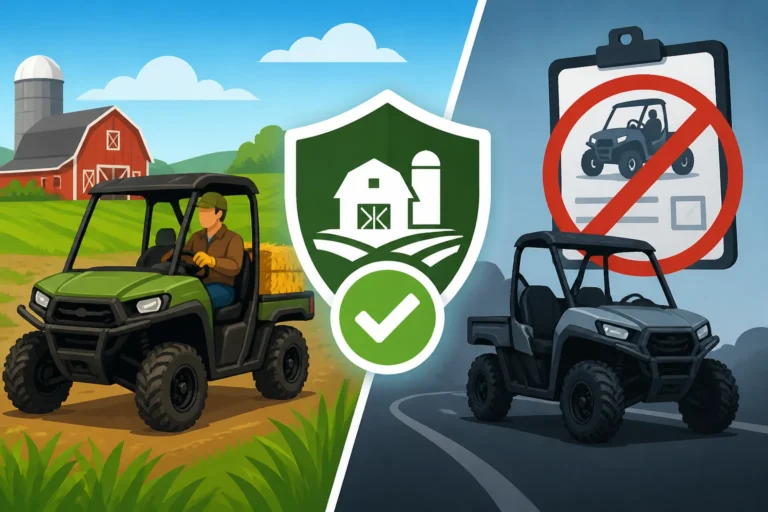
The provincial government has clear regulations regarding OHV ownership and operation. Simply put, if you own an ATV, UTV, or dirt bike and plan to operate it anywhere off your own private property, it absolutely must be registered with Access Nova Scotia. This includes riding on club trails, designated road trails, Crown land where permitted, or even just crossing a public road to get from one section of trail to another. Many new riders, or even experienced ones new to the province, often ask, [Do You Need to Register an ATV in Nova Scotia?], and the answer is a resounding yes, for almost all scenarios.
Think of it like owning a car. You wouldn't drive an unregistered car on public roads, right? The same principle applies here, just to a different type of vehicle and operating environment. The registration process formally links you, the owner, to the machine, which is critical for law enforcement, accident reporting, and even for tracing stolen vehicles. Without it, you're essentially operating an anonymous machine, and that just doesn't fly with the regulations designed to keep our trail systems organized and safe.
The Consequences of Riding Unregistered
Ignoring the registration requirement isn't just a minor oversight; it carries significant legal and financial penalties. If you're stopped by an RCMP officer or a provincial conservation officer while riding an unregistered machine, you're looking at a hefty fine. We're not talking about a slap on the wrist here. The minimum fine is substantial, and it can go up considerably depending on the circumstances. You can find more details on what you might be facing in articles like [Nova Scotia Fines for an Unregistered Machine]. Imagine spoiling a perfect day of riding with a ticket that could easily pay for your registration several times over. It’s a frustrating situation that’s entirely avoidable.
Beyond the fines, there can be other implications. For instance, if you're involved in an accident, your lack of registration could complicate insurance claims, potentially leaving you personally liable for damages. While riding on your own land might offer some exemptions, as discussed in [Riding Your Own Land Without a Registration], any venture beyond that property line without proper paperwork is a risk you really don't want to take. It's truly better to spend the time and effort upfront to get everything in order, ensuring peace of mind every time you hit the trail.
The Essential Paperwork You'll Need
Okay, so you understand why registration is important. Now, let's get down to the nitty-gritty of what you actually need to gather before heading to Access Nova Scotia. This is where many people get tripped up, especially if they've bought a used machine or one without a clear paper trail. Having all your ducks in a row before you go can save you a lot of frustration and a wasted trip.
Proof of Ownership: The Key Document
The absolute cornerstone of your registration application is solid proof of ownership. Without it, Access Nova Scotia simply cannot process your registration. For a brand-new machine, this is usually straightforward: the dealership will provide a New Vehicle Information Statement (NVIS) or a manufacturer's statement of origin. They often handle the initial registration for you, making the process seamless.
However, if you're buying a used machine, especially from a private seller, this is where you need to be extra diligent. You'll need a Bill of Sale that clearly identifies the machine (make, model, VIN/serial number), the buyer and seller's full names and addresses, the date of sale, and the purchase price. A generic template from a service like LawDepot can be incredibly helpful here, ensuring all necessary details are included. It's important to know that the Nova Scotia government collects sales tax on used machines at the time of registration if it wasn't purchased from a registered dealer, so that purchase price on your bill of sale matters. You'll find that the article [Nova Scotia Tax Collected at Registration] delves into this in more detail. Make sure this document is signed by both parties. If the previous owner can also provide their [Nova Scotia Certificate and Vehicle Permit], that's ideal, as it further verifies the machine's history and its last registered owner. If you're missing a bill of sale, it's not impossible to register, but it adds a layer of complexity; you might need to sign a sworn declaration detailing how you acquired the machine. You can read more about options in [Nova Scotia Registration Without a Bill of Sale].
Identity, Address, and Machine Details
Beyond proof of ownership, you'll need to confirm who you are and where you live. This typically means presenting a valid piece of government-issued photo identification, like your driver's licence. Make sure your current address is on your ID, or bring a secondary document like a utility bill if your ID doesn't reflect your current residency. They want to ensure you're a Nova Scotia resident, especially since the registration fees are tied to our province.
You'll also need all the pertinent details about your OHV:
- Vehicle Identification Number (VIN): This is non-negotiable. Every machine needs one, and it's how your ATV or UTV is uniquely identified. Make sure you've verified this number matches the bill of sale before you complete your purchase. If the VIN is obscured or missing, that's a huge red flag and should be addressed before any money changes hands.
- Make, Model, Year: Standard information, usually found on the machine itself or previous registration papers.
- Engine Size (CCs): This detail is important for classification.
- Fuel Type: Typically gasoline.
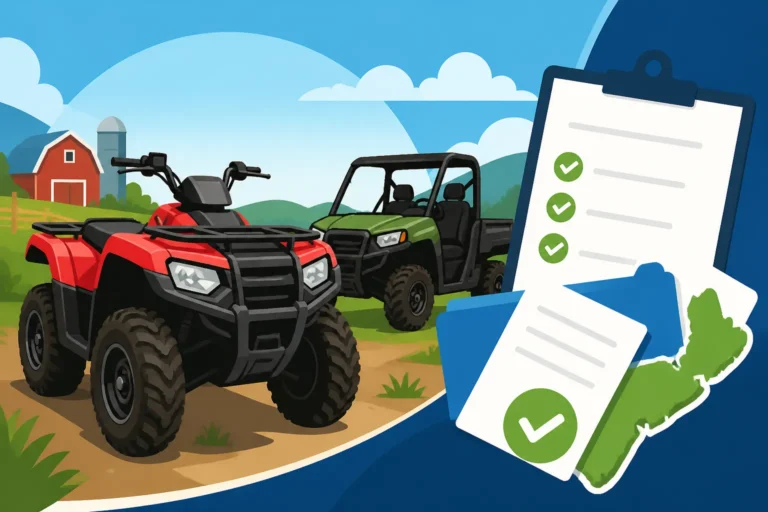
Gathering this information diligently prevents delays. A good habit is to create your own [Nova Scotia Registration Paperwork Checklist] before you leave home.
| Document Type | Required For | Key Details | Notes |
|---|---|---|---|
| Proof of Ownership | All registrations | VIN, Buyer/Seller info, Date, Price, Signatures | NVIS for new, Bill of Sale for used. Missing? Sworn declaration needed. |
| Previous Permit | Used machines (if available) | Previous owner details, machine info | Helps verify history. Not always mandatory if you have a solid Bill of Sale. |
| Personal ID | All owners | Photo ID (Driver's Licence), current address | Must be valid and show Nova Scotia residency. |
| OHV Information | All machines | VIN, Make, Model, Year, Engine Size (CC) | Found on machine or manufacturer's plate. |
| Insurance Card | All registrations | Policy number, coverage details | [Nova Scotia Pink Card Rules] apply. You need liability coverage. |
Navigating the Registration Process
Once you have all your documents neatly organized, the next step is to physically get your machine registered. This process isn't overly complicated, but knowing what to expect can make it much smoother. It involves a visit to a specific government service centre and understanding the fees involved.
Where to Go and What to Expect
In Nova Scotia, off-highway vehicle registration is handled through Access Nova Scotia service centres. These are the same places where you renew your driver's licence or register your car, so the staff are well-versed in vehicle paperwork. You can't do this online for an initial registration, so a trip in person is a must. You can read more about the practical steps in [Registering an ATV at Access Nova Scotia].
When you arrive, you'll take a number and wait your turn, just like at any busy service centre. When called, you'll present all your gathered documents to the clerk. They will review your proof of ownership, verify your identity, and enter your OHV's details into the provincial system. They might ask questions about where you bought it, especially if it's a private sale, to confirm the purchase price for tax purposes. This is also where you'll declare if HST has already been paid (e.g., if buying from a dealer) or if it needs to be collected now.
Understanding the Fees Involved
Registering an OHV in Nova Scotia isn't a free process, but the costs are transparent and contribute to the provincial OHV infrastructure. When you register for the first time, you'll typically pay two main components:
- A one-time Certificate of Registration fee: This establishes the machine's permanent record with the province.
- An annual Vehicle Permit fee: This is the permit that needs to be renewed annually to keep your machine legal for the trails. This fee also includes a contribution to the Off-Highway Vehicle Infrastructure Fund, which helps maintain and develop trails across the province. This is why it's such an important part of the puzzle for the riding community.
You can get a comprehensive breakdown of the typical financial outlay by looking at [Nova Scotia OHV Registration Cost]. Keep in mind that prices are subject to change, so always check the official Access Nova Scotia website or call ahead for the most current figures. When you complete the process, you'll receive a physical Certificate of Registration and a Vehicle Permit, usually a small sticker or card that you'll need to carry with you when riding. This permit needs to be displayed or readily accessible on your machine, proving it's legal.
It’s also important to remember the Harmonized Sales Tax (HST) mentioned earlier. If you bought your machine from a private seller, you’ll typically pay the HST on the purchase price at the time of registration. This is a provincial requirement and part of the overall cost of getting your machine on the books. This is a common point of confusion, so be prepared for this charge.
Common Pitfalls and How to Avoid Them
Even with all the best intentions, it's easy to run into snags during the registration process, especially for first-time owners or those dealing with less-than-perfect paperwork. Being aware of these common issues can help you avoid unnecessary headaches and get you out on the trails faster.
Missing or Incomplete Paperwork
This is by far the biggest hurdle for most people.
- Incomplete Bill of Sale: If your bill of sale doesn't have the VIN, both seller's and buyer's names, the date, or the purchase price, Access Nova Scotia will likely reject it. They need a complete record. If you bought from a private seller and didn't use a formal document, consider using a template from a service like LawDepot for future transactions or prepare to fill out a statutory declaration.
- No Previous Registration/Title: While not strictly mandatory if you have a solid bill of sale, the previous owner's registration documents, like their [Nova Scotia Certificate of Registration at $39.80] or their Vehicle Permit, can smooth the process significantly. If the previous owner can't provide them, make sure your bill of sale is impeccable.
- VIN Discrepancies: The VIN on your bill of sale must exactly match the VIN stamped on the machine. Double-check this before you finalize a purchase. A mismatch will cause an immediate halt to your registration. If an older machine has a faded or damaged VIN, you might need to apply for a special identification number, a process that takes more time and involves an inspection.
The best defense here is diligence. Before you hand over any money for a used machine, physically inspect the VIN and ensure all paperwork is complete and accurate. A little upfront caution saves a lot of trouble later.
Insurance Requirements
Many people focus solely on registration and overlook the mandatory insurance requirement. In Nova Scotia, you cannot register an OHV without proving you have at least minimum liability insurance. This means you need to have a valid insurance policy in place and be able to provide proof, typically a "pink card" or temporary slip from your insurance provider, when you go to Access Nova Scotia.
Your policy must meet the provincial minimums for third-party liability coverage. This insurance protects you if you cause damage to property or injury to another person while operating your OHV. It does not necessarily cover damage to your own machine, but the liability portion is non-negotiable for registration. This is critical for everyone's safety and financial protection on the trails. Without proof of insurance, your registration will be denied. Don't leave your insurance to the last minute; connect with your insurance broker or provider well in advance to get a quote and activate your policy. [Nova Scotia Pink Card Rules] provides a good overview of what you need to carry.
Waiting Until the Last Minute
It's a common story: you buy a machine, the weather is perfect, and you want to ride now. But if you haven't taken care of the registration, you're out of luck. Access Nova Scotia centres can be busy, and unforeseen issues with your paperwork can arise. Don't assume you can walk in and out in 15 minutes, especially if you're registering a used machine after a private sale. Plan your visit during off-peak hours if possible, and leave yourself ample time.
The best advice is to make registration your first priority after acquiring your OHV. Don't wait until the day before a big group ride or a planned weekend trip. Getting the paperwork done beforehand means you can enjoy your machine without the stress of potential fines or legal issues. Whether you're registering a brand-new side-by-side or handling [Nova Scotia Registration After a Private Sale], planning ahead will ensure your first ride is a memorable one for all the right reasons.
Disclaimer
This article is for general informational purposes only and does not constitute professional advice. Laws, prices and regulations vary by location and change over time. Consult a qualified professional for guidance on your specific situation.