Permits for a Machine Kept at a Cape Breton Camp
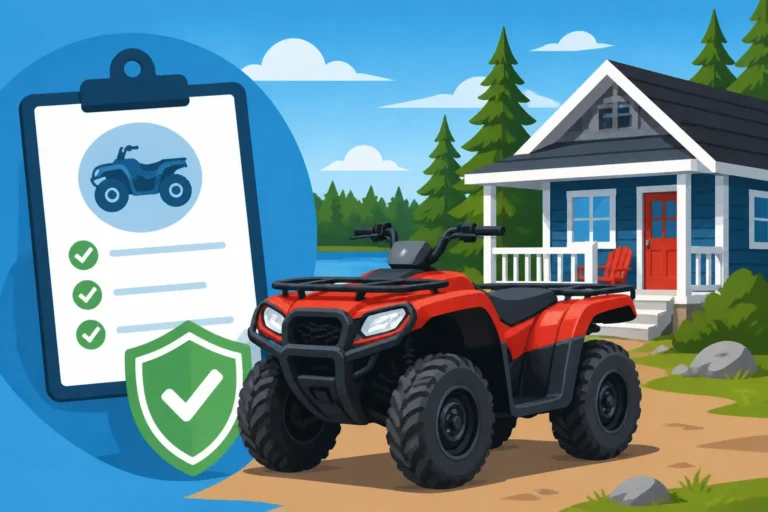
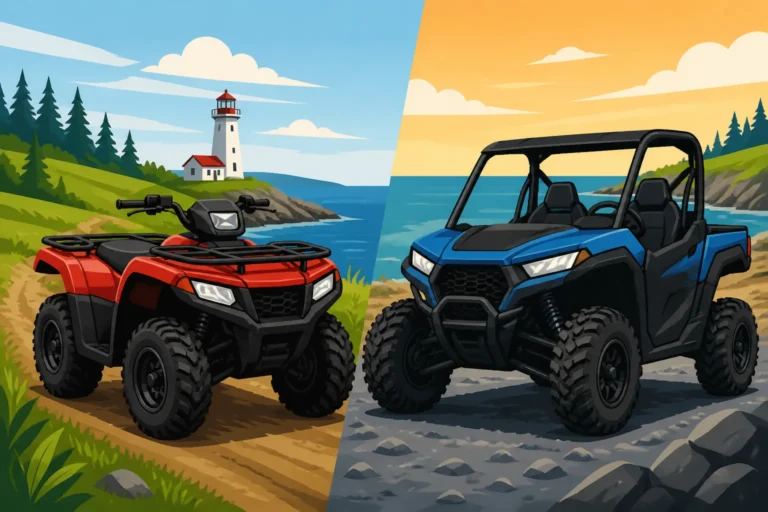
There’s nothing quite like having your off-highway vehicle (OHV) ready and waiting at your Cape Breton camp. Whether it's a quad for exploring the backwoods, a side-by-side for hauling firewood, or a dirt bike for hitting local trails, the convenience is undeniable. But as many Nova Scotians and seasonal residents quickly discover, simply having a machine parked at your camp doesn't exempt you from the province's registration and permit requirements. This guide will walk you through everything you need to know to ensure your camp machine is legally ready to ride, saving you from potential headaches and fines.
Understanding Nova Scotia's OHV Registration Basics
When you keep an ATV or UTV at your camp in Cape Breton, it's easy to assume that because it's "away from home" or "only used on private land," the usual rules might not apply. Unfortunately, this is a common misconception that can lead to significant issues. Nova Scotia's Off-highway Vehicles Act is quite clear: most off-highway vehicles operating in the province need to be properly registered and insured. It’s not just about hitting the main trail network; these rules apply even if you're just driving a short distance to a fishing spot or hauling gear on a logging road.
Why Registration Matters, Even at the Camp
Imagine pulling out of your camp driveway to access a nearby woods road that eventually leads to a public trail. Even that brief moment on a non-private path means your machine is subject to provincial laws. Many folks think, "I only use it on my own property near the camp!" and believe they're exempt. The reality is far more nuanced. While there are some specific, very limited exemptions for machines used strictly on your own contiguous private land, the moment your tires touch anything considered public property—a public road, a utility corridor, or a designated OHV trail—you absolutely need to be compliant.
The government's intention behind these rules is twofold: to ensure accountability for operators and to fund the maintenance of the very trails we all love to ride. An unregistered machine is a phantom on the system, making it harder to track ownership in case of theft or accident and contributing nothing to the trail infrastructure. If you're wondering about the overall expense, our detailed post [Nova Scotia OHV Registration Cost] can give you a full breakdown. It really boils down to having your machine legally recognized and ready for whatever riding opportunities present themselves around your Cape Breton camp.
The Two Fees: One-Time vs. Annual
When you register an OHV in Nova Scotia, you'll encounter two primary fees that might seem a little confusing at first. Don't worry, it's pretty straightforward once you understand the difference between them.
First, there's the Certificate of Registration fee. This is a one-time charge, and it's essentially putting your machine on the provincial books for good, linking it to you as the owner. Our article [Nova Scotia's $39.80 Certificate Fee Explained] dives into this in more detail. Think of it like the initial deed to your house – you pay it once when you acquire the property. If you've just bought a machine for your Cape Breton camp, this will be your first stop.
Second, and equally important, is the annual Vehicle Permit fee. This is what you pay each year to keep your registration current and valid. It’s a smaller, recurring fee that ensures your machine remains legally operable on any public lands or designated trails. We discuss [What Nova Scotia's $13.20 Vehicle Permit Buys] and its importance for yearly compliance. This permit needs to be renewed annually, much like your car's registration sticker. Combined with the first-year certificate fee, you'll initially pay what we call the [Nova Scotia's Combined $53.20 Annual Figure]. It's crucial to understand that even if your machine sits at the camp for most of the year, if you plan to ride it anywhere beyond your very limited private property, you'll need both of these documents. For a simple overview of these two different charges, check out [One Fee Paid Once, Another Paid Every Year].
Special Considerations for a Camp Machine in Cape Breton
Having a camp machine introduces a few unique twists to the registration process. It's not always as simple as registering a vehicle you use every day at your primary residence. When you're dealing with a property that might only be used seasonally, or if you reside outside of Nova Scotia for part of the year, there are specific details you need to be aware of to avoid any mix-ups or potential fines.
The "Own-Property" Exemption and Its Limits
This is perhaps the most misunderstood rule for camp owners. Many riders with machines at their Cape Breton camp believe they don't need to register if they only operate on their own land. While there is an "own-property" exemption, it's far narrower than most people realize. The exemption strictly applies if you're riding exclusively on land you own or lease, and that land must be continuous. The moment your wheels touch a public road, a Crown land access point, a shared right-of-way, or even a neighbour's property without explicit, written permission and proper registration on their part, the exemption no longer applies.
This means if you drive your quad from your camp to a nearby lake that requires crossing a public road (even just to the shoulder), or if you use a traditional woods trail that happens to cross Crown land, you absolutely need to be registered and insured. Our article [Riding Your Own Land Without a Registration] provides a more in-depth look at what this exemption truly covers and, more importantly, what it doesn't. For most camp owners who want the flexibility to explore beyond their immediate property lines, relying on this exemption is a risky bet. It’s far safer and offers more peace of mind to go through the proper registration steps.
The Importance of a Valid Nova Scotia Address
When you register an OHV in Nova Scotia, you need to provide a valid Nova Scotia address. This can sometimes be a sticking point for seasonal camp owners, especially if their primary residence is in another province. If your Cape Breton camp is your secondary residence, you can typically use that address for your registration. However, you'll need to demonstrate proof of this Nova Scotia address, just like any other resident.
What if you're a non-resident who simply keeps a machine at your Cape Breton camp for vacations? Nova Scotia has provisions for [Nova Scotia Registration for a New Resident], but for those who are truly visitors, the rules can get a bit tricky. While a full registration is often the most straightforward path for long-term camp-based machines, knowing you have a legitimate address within the province is key. You'll definitely want to ensure all your mailing information is accurate so you receive renewal notices and other important documents. For a comprehensive guide on the required documentation for establishing your address, see [Nova Scotia Registration and Proof of Address]. Make sure you have utility bills, property tax statements, or other official mail showing your camp's address to present at Access Nova Scotia.
Insurance, Trail Permits, and Paperwork
Beyond simply getting your machine registered, there are two other critical components to consider for your Cape Breton camp machine: insurance and trail permits. These are not optional extras; they are fundamental requirements that protect you, other riders, and ensure you have legal access to the incredible trail networks that Nova Scotia offers. Overlooking these details can lead to fines, liability issues, or simply being unable to enjoy the full potential of your OHV.
Nova Scotia's Mandatory OHV Insurance
Just like your car, every off-highway vehicle operating in Nova Scotia is required to carry liability insurance. This isn't just a suggestion; it's the law. Even if your machine is kept primarily at your camp and you only ride it occasionally, you must have at least the minimum required coverage. This liability insurance protects you financially if you're found responsible for an accident that causes injury to another person or damage to their property. Nova Scotia's minimum liability requirement is generally [$500,000], which might sound like a lot, but in today's world of medical costs and vehicle repair, it's a vital safety net.
Your insurance provider will issue you a "pink card" (proof of insurance), and you are legally required to carry this with you whenever you operate your machine. An officer can ask to see it, and not having it can result in a fine. Our article [Nova Scotia Pink Card Rules] details exactly what you need to know about this crucial document. It's a non-negotiable part of owning and operating an OHV, ensuring you're covered whether you're working around the camp or venturing out onto the trails. For more specifics on what type of coverage you need, refer to [Nova Scotia Insurance Requirements for Riders].
Trail Permits for Accessing Cape Breton's Network
So, you've registered your machine and sorted out the insurance – you're almost there! But if you plan on actually using the extensive, beautiful network of managed trails in Cape Breton, you'll need one more thing: a trail permit. Registration and insurance make your machine street legal (in the OHV sense), but a trail permit grants you access to the specific corridors maintained by the ATV Association of Nova Scotia (ATVANS) and its member clubs.
Think of it this way: your vehicle registration is like your driver's license, and the trail permit is like your national park pass. You need both to enjoy the experience fully and legally. A permit typically runs for a calendar year, from January 1st to December 31st, regardless of when you purchase it. Purchasing a permit often comes with the added benefit of club membership, which supports local trail development and maintenance. For residents or frequent visitors, an annual permit is the most cost-effective option. If you're only visiting for a short period, perhaps just a few weeks at your camp, Nova Scotia also offers [Nova Scotia's Thirty-Day Visitor Permit], which can be a great option. Our guide [Nova Scotia Trail Permits From ATVANS] explains how these permits work, the different options available, and how your fees contribute directly to the trails you ride. It’s a small investment for endless adventure, and our article [Nova Scotia Trail Permit Cost] can help you budget for it. You can also gain insight from [What Registration Costs Next to a Trail Permit].
Essential Paperwork for Camp Machines
When you're dealing with a machine that might be stored at a remote camp, keeping your paperwork in order is incredibly important. This is especially true if you acquired the machine through a private sale. When you register a used OHV, Nova Scotia requires specific documents to prove ownership and ensure taxes are properly paid. This typically includes a bill of sale, the previous owner's Certificate of Registration, and sometimes a declaration of value.
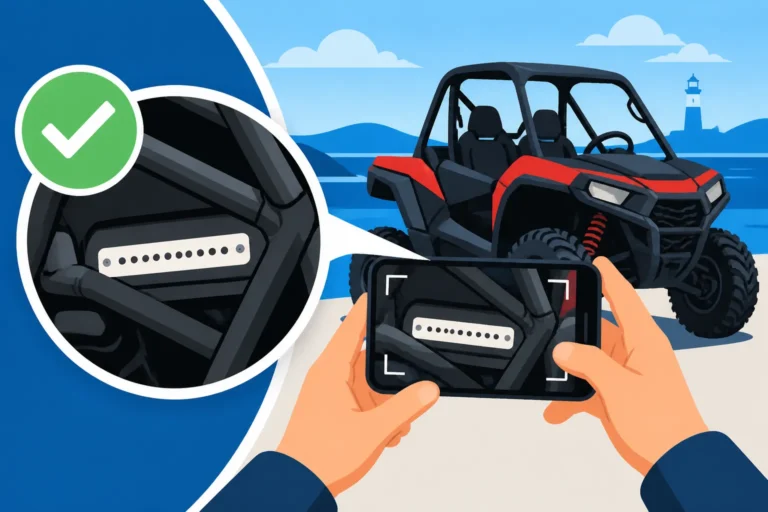
A common issue with camp machines is that they might have been passed down, bought informally from a neighbour, or purchased without all the official forms readily available. This is where tools like those offered by LawDepot can be incredibly helpful. If you've purchased your machine privately and just scribbled an agreement on a piece of paper, using a professional, standardized template from LawDepot for a bill of sale can formalize the transaction and provide the necessary proof for registration. They offer user-friendly templates that ensure all the critical details, like the VIN, purchase price, and buyer/seller information, are properly recorded. This is crucial for a smooth [Nova Scotia Registration After a Private Sale]. Without proper documentation, you could face significant delays or even be denied registration. Our article [Nova Scotia Used Machine Paperwork] gives you a full checklist of what you'll need to present at Access Nova Scotia. Don't let a missing or incomplete bill of sale derail your plans for riding at your Cape Breton camp! LawDepot's resources can really streamline this often-stressful part of the process.
Avoiding Fines and Ensuring Compliance
Nobody wants to deal with fines, especially when you’re trying to enjoy a peaceful time at your Cape Breton camp. Understanding the penalties for non-compliance and adopting best practices for your camp machine will help you avoid unwelcome surprises and ensure every ride is worry-free.
Penalties for Non-Compliance
Operating an unregistered or uninsured OHV in Nova Scotia carries significant penalties. This isn't just a minor slap on the wrist; the fines can be substantial, and there are other serious consequences. For instance, if you're caught riding an unregistered machine, you're looking at a minimum fine of [$250], and these fines can go much higher depending on the circumstances. Our article [Nova Scotia Fines for an Unregistered Machine] details these potential costs. Imagine trying to relax at your camp, only to receive a hefty ticket that could have been easily avoided.
Even more serious are the penalties for riding an uninsured machine. [Nova Scotia Penalties for Riding Uninsured] include not only substantial fines but also potential impoundment of your OHV. Beyond the immediate financial hit, if you're involved in an accident while uninsured, you could be personally liable for damages that run into hundreds of thousands of dollars. This financial burden can be devastating and far outweighs the cost of a simple insurance policy. It's simply not worth the risk, especially when you're often in rural areas of Cape Breton where help might be further away and incidents can become complicated quickly.
Best Practices for Camp Machine Owners
To ensure your Cape Breton camp machine is always ready for legal and enjoyable riding, here are some best practices:
- Keep Your Papers Handy: Always have your registration certificate, valid vehicle permit, insurance pink card, and trail permit (if applicable) with you when you ride. You might keep physical copies in a waterproof bag on the machine, or a digital copy on your phone. Our post [Carrying Papers on a Coastal Ride] emphasizes the importance of this.
- Know Your Local Rules: While provincial laws are universal, individual municipalities or specific trail systems in Cape Breton might have additional rules or closures, especially regarding road access or environmental protection. Always check with local authorities or ATV clubs before exploring new areas.
- Regularly Check Expiry Dates: Set reminders for your annual vehicle permit and trail permit renewals. It’s easy to forget when a machine is only used seasonally.
- Update Your Address: If your primary Nova Scotia address changes, or if you update your contact information, ensure it's reflected on your OHV registration.
- Formalize Private Sales: If you buy or sell a machine while at your camp, use a proper bill of sale. Again, resources like LawDepot can help you generate a legally sound document that covers all the necessary details. This protects both the buyer and seller and ensures a smooth transfer of ownership and registration. If the camp itself is co-owned, or if there are any special agreements about the machine's use, LawDepot also provides templates for various legal agreements that can bring clarity and peace of mind.
Following these practices will not only keep you compliant with Nova Scotia laws but also enhance your enjoyment of the beautiful Cape Breton wilderness, knowing that you're riding responsibly and legally.
Essential Documents for Your Cape Breton Camp Machine
To quickly summarize what you'll need for your off-highway vehicle kept at a Cape Breton camp, here's a handy overview:
| Requirement | Document/Action | Frequency | Purpose | Notes |
|---|---|---|---|---|
| Registration | Certificate of Registration | One-time | Legal proof of ownership | Paid upon initial registration, tied to the machine |
| Vehicle Permit | Annually | Legal permission to operate | Must be renewed every year | |
| Insurance | Proof of Liability Insurance (Pink Card) | Annually | Financial protection for accidents | Nova Scotia minimum liability is $500,000; required at all times |
| Trail Access | ATVANS Trail Permit | Annually | Access to sanctioned ATVANS trails | Purchase through ATVANS or a member club; visitor permits available |
| Proof of Sale | Bill of Sale (for used machines) | One-time | Proof of purchase and value for tax/registration | LawDepot offers standardized templates for private sales |
| Identification | Photo ID (Driver's License) | Always carry | For operator identification during stops | Required when operating any OHV |
| Address Proof | Utility bill, property tax statement, etc. | As needed | Verifies Nova Scotia residency for registration | Especially important for seasonal residents |
Disclaimer
This article is for general informational purposes only and does not constitute professional advice. Laws, prices and regulations vary by location and change over time. Consult a qualified professional for guidance on your specific situation.