Nova Scotia Minimum Fine of $250
It's incredibly frustrating to head out for a day on the trails, enjoying the stunning Nova Scotia scenery, only to find yourself facing a hefty fine you didn't see coming. Many riders assume that if they're just on a quick run or staying close to home, certain rules might not apply, or that an officer might just give a warning. However, when it comes to off-highway vehicles (OHVs) in Nova Scotia, there are some fines that carry a strict minimum, leaving little room for discretion. This guide will walk you through what the Nova Scotia minimum fine of $250 entails, why it exists, how to avoid it, and what to do if you unfortunately receive one.
Understanding the $250 Minimum Fine in Nova Scotia
The idea of a "minimum fine" can be a bit jarring for anyone used to warnings or graduated penalties. In Nova Scotia, certain infractions under the Off-highway Vehicles Act are deemed serious enough to warrant a non-negotiable base penalty. This isn't about giving a break for a first-time offense; it's about ensuring a fundamental level of compliance with regulations designed for safety and responsible riding.
The Legal Basis for OHV Fines
Nova Scotia's Off-highway Vehicles Act is the backbone of all OHV regulations in the province. It lays out everything from registration and insurance requirements to operator age limits, safety gear, and where you can and cannot ride. When the province establishes a minimum fine, it's a clear signal that the particular violation is considered significant. It removes the ambiguity, making it clear that certain actions (or inactions) will automatically result in a substantial financial penalty, even for what might seem like a minor oversight to some. This proactive approach aims to deter non-compliance by making the consequences immediately impactful. The legislation is clear about the need for riders to understand and adhere to these regulations for the safety of everyone on the trails and in communities.
Common Infractions That Trigger the Fine
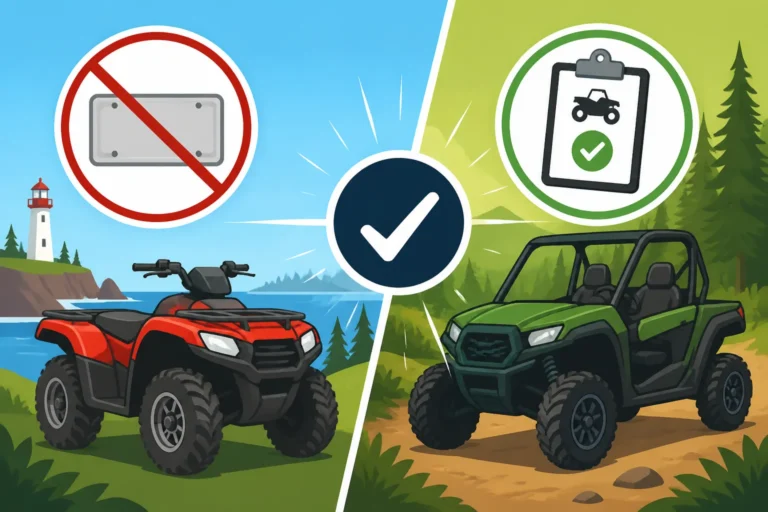
So, what kinds of issues can land you with this minimum $250 fine? The most common culprits are typically related to the fundamental requirements for operating an OHV legally in Nova Scotia. Foremost among these is operating an unregistered machine. You might have just bought it, or perhaps you "borrowed" it from a friend, thinking you'd deal with the paperwork later. That can lead directly to a fine. Another big one is riding an uninsured machine. Since 2007, liability insurance has been mandatory for OHVs operating anywhere off private property.
Beyond registration and insurance, other common triggers include not wearing an approved helmet where required, operating without the necessary safety certification if you're under 19, or riding on prohibited land without permission. These regulations are in place not to restrict enjoyment, but to protect riders and the public, and officers are empowered to enforce them with serious penalties. When the rules were updated, a clear statement was made about the importance of these basic requirements. Riders who want to ensure they are always compliant should familiarize themselves with Nova Scotia Minimum Fine of $250 and [Nova Scotia Fines for an Unregistered Machine].
Why There's a Minimum Fine
The decision to impose a minimum fine isn't arbitrary; it's a strategic move to emphasize the importance of certain regulations. From a provincial perspective, these fines serve several critical purposes. Firstly, they act as a strong deterrent. Knowing that there's a guaranteed substantial penalty, rather than a mere warning or a small slap on the wrist, encourages riders to take registration, insurance, and safety seriously from the outset. It shifts the burden of responsibility squarely onto the operator to know and follow the rules before hitting the trails.
Secondly, these fines help ensure compliance. When a basic requirement like registration or insurance is overlooked, it creates a gap in accountability and safety. Unregistered machines can be harder to track in case of an accident or theft, and uninsured machines leave victims vulnerable. The minimum fine pushes owners to complete these essential steps. Lastly, and perhaps less directly, the funds generated from fines, along with registration fees, can contribute to the overall OHV infrastructure and enforcement efforts, making trails safer and more accessible for everyone. This includes contributions to the [Nova Scotia OHV Infrastructure Fund] which supports trail development and maintenance across the province.
The Financial Impact Beyond the Initial Fine
While the thought of a $250 fine is certainly enough to make anyone pause, it's crucial to understand that this initial figure often represents just the tip of the iceberg. Getting a ticket can lead to a cascade of additional costs and consequences that stretch far beyond the initial penalty. This can add up quickly, turning a fun day into a significant financial burden.
Court Costs and Surcharges
If you receive an OHV ticket in Nova Scotia and decide to dispute it in court rather than simply paying the fine, be prepared for the possibility of additional costs. Should the court find you guilty, you won't just be on the hook for the original $250 minimum fine. There will almost certainly be court costs and victim surcharges added on top. These fees can vary, but they are designed to cover the administrative expenses of the justice system and contribute to victim services. These additional charges mean that what started as a $250 minimum fine can easily climb much higher, sometimes adding another hundred dollars or more to the total. It’s a compelling reason to consider your options carefully and understand the full financial implications of disputing a ticket. For more on this, you might look into [Nova Scotia Court Costs for an OHV Citation].
Dealing with Subsequent Penalties
The repercussions of an OHV infraction don't always end with a single fine. If you're a repeat offender, or if the initial violation is compounded by other serious issues, the penalties can escalate significantly. For example, consistently riding an unregistered or uninsured machine could lead to progressively higher fines, especially if multiple tickets are issued over time. Officers have the discretion to issue fines that go beyond the minimum, depending on the severity and context of the offense.
In extreme cases, persistent non-compliance or serious safety violations could even lead to your machine being impounded. Imagine having to pay impoundment fees on top of fines, just to get your OHV back – it's a major headache and expense. While rare, any incident, especially one involving an uninsured machine, could also lead to implications for your overall insurance profile, potentially affecting rates for other vehicles you own. This is why understanding [How High an Unregistered Machine Fine Can Go] is so important.
The Cost of Getting Compliant After a Fine
One of the often-overlooked financial burdens that come with an OHV fine is the cost of actually getting compliant afterward. That $250 fine for an unregistered machine, for instance, isn't a "get out of jail free" card; you still have to register it. This means you'll then need to pay the [Nova Scotia OHV Registration Cost], which includes both the one-time certificate fee and the annual permit fee. If the fine was for an uninsured machine, you'll need to immediately secure liability insurance, adding [Nova Scotia ATV Insurance Cost Per Year] to your budget.
If the issue was a lack of safety certification, you'll have to enroll in and complete an approved safety course, which also comes with its own fees. All these compliance costs stack up on top of the original fine, making it a far more expensive lesson than simply having done things by the book from the start. Taking the proactive steps to ensure your OHV is properly registered, insured, and that you have the required training saves you a lot more than just the minimum fine itself.
Avoiding the $250 Fine: Key Compliance Areas
Nobody wants to deal with fines, especially when they could have been easily avoided. The good news is that preventing a $250 minimum fine in Nova Scotia often boils down to understanding and adhering to a few core requirements. These are the foundations of responsible OHV operation in the province, and getting them right will keep you on the right side of the law.
Registration Requirements
One of the most frequent reasons for an OHV fine is operating an unregistered machine. In Nova Scotia, all off-highway vehicles, including ATVs, UTVs, and dirt bikes, need to be registered with the Registry of Motor Vehicles unless they fall under a specific exemption (like exclusively operating on your own private property). The process involves a one-time certificate fee and an annual vehicle permit fee. Many people are surprised to learn that these are two distinct fees, with [One Fee Paid Once, Another Paid Every Year].
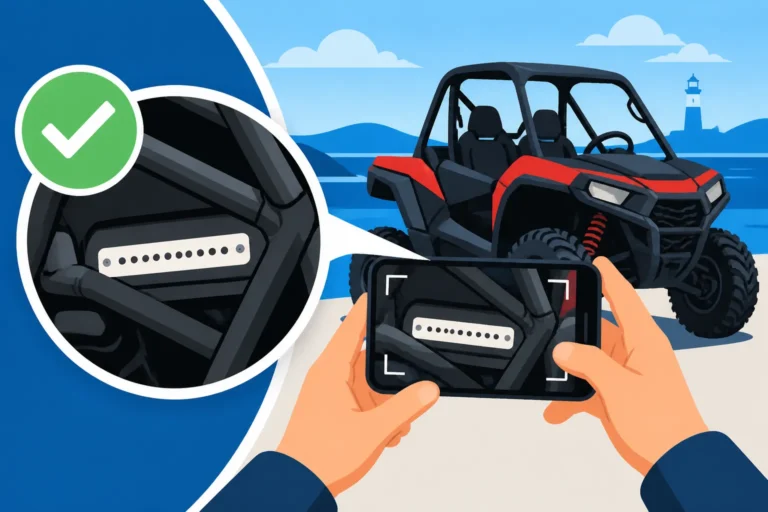
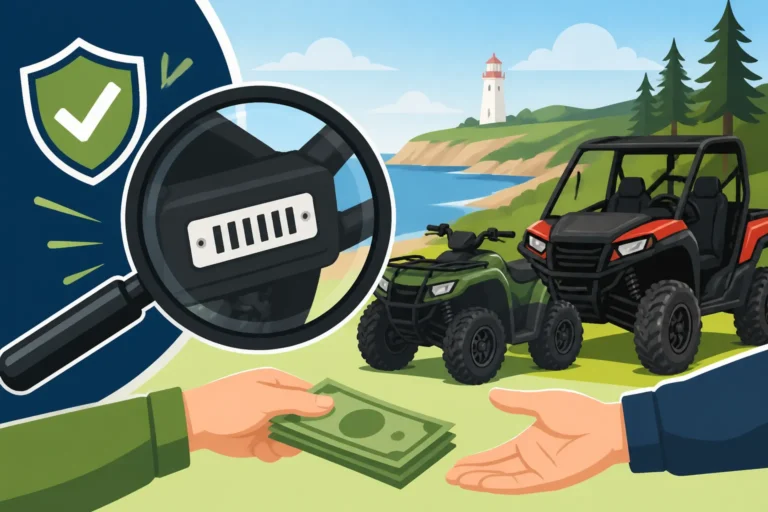
If you're buying a new machine from a dealer, they'll usually handle the initial registration for you. However, if you're purchasing a used machine in a private sale, the responsibility falls squarely on your shoulders to transfer the registration into your name. Having a proper bill of sale is crucial here, and sometimes you might use resources like LawDepot to ensure you have a legally sound document. Knowing [How to Register an ATV in Nova Scotia] is step one. There are also specific [Nova Scotia Own-Property Exemption] rules, but these are often misunderstood and don't cover many typical riding scenarios.
Insurance Requirements
Since 2007, liability insurance has been mandatory for all OHVs operating off private property in Nova Scotia. This isn't just a suggestion; it's the law. The minimum coverage required is typically $500,000 for third-party liability. This insurance protects you financially if you're found responsible for damage to someone else's property or injury to another person while operating your OHV. It's a critical safety net.
You are required to carry proof of this insurance – often referred to as a "pink card" – whenever you are operating your machine. An officer can ask to see this at any time, and failing to produce it can lead to a fine. It’s a simple piece of paper that can save you a world of trouble. While the insurance typically covers liability for damages you cause, it generally does not cover damages to your own machine or your own medical expenses in the event of a crash. Always clarify what [Nova Scotia's $500,000 Liability Minimum] entails and carry your [Nova Scotia Pink Card Rules] with you. [Nova Scotia Association Insurance Explained] provides more detail on various coverage types.
Safety Certification and Equipment
Beyond the paperwork, operating an OHV safely means adhering to certification and equipment rules. In Nova Scotia, if you were born after April 1, 1987, and are between the ages of 16 and 18, or if you are 16 years of age and operating an OHV anywhere other than on a closed course, you generally need to have an approved OHV safety certificate. This training ensures you understand safe operating practices, hazard recognition, and emergency procedures. [Nova Scotia Safety Certificates Are Mandatory] is not just a recommendation, it's a legal requirement for many young riders.
Furthermore, helmet laws are strict. All OHV operators and passengers must wear an approved helmet that meets recognized safety standards (like DOT, Snell, or CSA). This isn't just for younger riders; it applies to everyone. Additionally, your machine needs to be in good working order, with functioning headlights and taillights, especially if you're riding around dusk or in low visibility. Modified exhausts that exceed factory noise levels are also a no-go and can attract fines. Staying compliant with [Nova Scotia Helmet Standards Accepted], [Nova Scotia Lighting Requirements], and [Nova Scotia Exhaust Noise Rules] are crucial for both your safety and avoiding penalties.
What to Do If You Receive an OHV Ticket
Even with the best intentions, sometimes things go sideways, and you might find yourself with an OHV ticket in hand. It can be a disheartening moment, especially if you feel you were trying to do things right. The key is not to panic, but to understand your options and respond appropriately within the given timeframe. Ignoring a ticket is never the solution, as it only compounds the problem.
Understanding Your Ticket
The first and most important step is to carefully read and understand the ticket you've received. It will detail the specific infraction you are alleged to have committed, the section of the Off-highway Vehicles Act that applies, the date of the offense, and the due date for your response. Pay close attention to the fine amount, which for certain violations will be that non-negotiable $250 minimum. It's also vital to note where and when the incident occurred, as these details might be relevant if you decide to dispute the ticket.
Sometimes, the language on a ticket can be a bit formal or confusing. If you're unsure about what a particular charge means, don't hesitate to seek clarification (though remember, the officer issuing the ticket isn't there to offer legal advice). Understanding exactly what you're being accused of is fundamental to deciding your next steps. Take photos of the scene if possible, and note down any relevant details or observations from the time of the stop.
Options for Response
Once you've absorbed the details, you generally have a few ways to respond to an OHV ticket in Nova Scotia. The simplest option, if you agree with the charge or decide it's not worth disputing, is to pay the fine. This usually involves mailing in payment or paying online or at an Access Nova Scotia centre by the due date. Paying the fine is an admission of guilt, and the matter will be considered closed.
However, if you believe the ticket was issued in error, or if you have a valid defense, you have the right to dispute it. This means formally notifying the court that you intend to plead not guilty. This will typically lead to a court date where you can present your case. If you go this route, it's often wise to seek legal advice or at least consult with someone knowledgeable about traffic law. You'll need to gather any evidence that supports your case, such as registration documents, insurance pink cards, or even written permissions for land access. LawDepot can be a helpful resource if you need to create formal declarations or affidavits to support your argument, or to ensure you have correct documentation like a [Bill of Sale From a Neighbour in Nova Scotia] in order. Information on [Disputing an ATV Ticket in Nova Scotia] can offer more insights into this process.
The Consequences of Ignoring a Fine
It cannot be stressed enough: never ignore an OHV ticket. While it might seem tempting to simply put it aside and hope it goes away, it absolutely will not. Ignoring a ticket has severe and escalating consequences that will ultimately make your situation much worse than dealing with it head-on. If you fail to respond by the due date, the court can enter a conviction against you in your absence, often resulting in an automatic guilty plea.
This will not only mean you're on the hook for the original fine, but also additional late fees, court costs, and victim surcharges. Furthermore, a failure to pay can lead to collections actions, and in some cases, warrants for your arrest for unpaid fines. While OHV tickets typically don't directly affect your driver's license for a car, accumulating unpaid fines or convictions can definitely create legal problems for you down the road. It's always best to engage with the process, whether that means paying the fine or actively disputing it.
Real-World Scenarios and Common Misconceptions
There are many reasons why riders might find themselves in hot water, and often it stems from honest misunderstandings or outdated information. Knowing the common pitfalls can help you steer clear of that $250 minimum fine and enjoy your time on the trails without unnecessary worry. Let's clear up some widespread misconceptions.
"Just Riding on My Own Land"
This is perhaps one of the most common statements officers hear, and it's a huge source of misunderstanding. Many riders believe that if they are "just riding on their own land," none of the OHV regulations apply to them. While there are exemptions for certain aspects, like registration and insurance, when an OHV is operated exclusively on land owned by the operator, this exemption is often much narrower than people assume. For instance, if you cross a public road to get to another section of your property, or if your property abuts a public trail you intend to access, the exemptions likely no longer apply.
Furthermore, even on your own land, fundamental safety rules like wearing an approved helmet, adhering to age restrictions for operators, and absolutely no impaired riding still apply. The police can and will enforce these safety provisions regardless of where you are riding. It's a critical distinction, and assuming full immunity just because you're on private property can lead directly to a fine. Always understand the limits of [Riding Your Own Land Without a Registration] and prioritize safety.
"I Didn't Know" Is Not a Defense
Another common plea heard by enforcement officers is "I didn't know." Unfortunately, in the eyes of the law, ignorance of the rules is rarely considered a valid defense. As an OHV operator, you are expected to be aware of and comply with all applicable laws and regulations in Nova Scotia. This includes everything from registration and insurance requirements to helmet laws, age restrictions, and where you're permitted to ride.
The responsibility falls on the rider to educate themselves before heading out. This means taking the time to review the Off-highway Vehicles Act, checking in with local clubs like ATVANS, and staying updated on any changes to the rules. Websites from the provincial government and OHV associations are excellent resources for this information. Officers are simply doing their job to enforce the laws that are in place for the safety of all, and they rarely have the discretion to waive fines based on a claim of unawareness.
Visiting Riders and Their Responsibilities
Nova Scotia is a popular destination for OHV enthusiasts, with incredible trails and scenic routes. However, visitors often bring their machines from other provinces or even other countries, sometimes assuming that their home province's or state's rules will apply. This is a dangerous misconception. When you operate an OHV in Nova Scotia, you are subject to Nova Scotia's laws and regulations, regardless of where you're from.
This means your machine needs to be registered (or you need a valid Nova Scotia visitor permit), insured to Nova Scotia's minimum liability standards, and you must comply with all helmet, age, and equipment requirements. There have been changes to reciprocity agreements in recent years, meaning what was valid previously might not be now. For example, [Nova Scotia Ended Reciprocity With New Brunswick] and [Nova Scotia and PEI Reciprocity Ended in 2026], which means visitors from these provinces need to be particularly aware of Nova Scotia's specific permit requirements. Always check the current rules before you trailer your machine into the province for a ride.
Nova Scotia OHV Infraction Costs at a Glance
To help you keep track, here's a quick overview of some common infractions that can trigger the $250 minimum fine and other associated costs you might encounter. Please remember these are general guidelines, and actual costs can vary, especially with added court fees.
| Infraction | Minimum Base Fine | Potential Additional Costs (Approx.) | Key Compliance Action to Avoid |
|---|---|---|---|
| Operating an unregistered OHV | $250 | Court costs, victim surcharge | Register machine with Access Nova Scotia (Certificate Fee + Vehicle Permit) |
| Operating an uninsured OHV (no liability) | $250 | Court costs, victim surcharge | Obtain mandatory $500,000 liability insurance and carry proof |
| Operating without an approved helmet | $250 | Court costs, victim surcharge | Always wear a DOT/Snell/CSA approved helmet while riding |
| Operating without required safety certificate | $250 | Court costs, victim surcharge | Complete an approved OHV safety course (for applicable age groups) |
| Illegal operation on prohibited land | $250 | Court costs, victim surcharge, potential trespass charges | Obtain permission for private land, stay on designated trails. |
| Modified exhaust exceeding noise limits | Varies (often $250+) | Court costs, victim surcharge | Keep exhaust system factory standard; avoid aftermarket modifications |
Disclaimer
This article is for general informational purposes only and does not constitute professional advice. Laws, prices and regulations vary by location and change over time. Consult a qualified professional for guidance on your specific situation.