Importing a Machine From Maine by Ferry
Importing an off-highway vehicle (OHV) like an ATV or UTV from a neighboring state like Maine, especially when you factor in the ferry journey to Nova Scotia, can feel like navigating a maze blindfolded. You're excited about your new machine, but the thought of border customs, provincial registration, and all the associated paperwork can quickly dampen that excitement. This guide is here to untangle the complexities, offering clear, realistic steps to bring your machine home to Nova Scotia smoothly and legally.
Navigating the Import Process for Your ATV or UTV from Maine
Bringing an off-highway vehicle across an international border, even from a close neighbour like Maine, involves more than just a quick wave from customs. It’s a process that requires forethought, careful documentation, and a solid understanding of both federal import regulations and provincial registration laws here in Nova Scotia. Ignoring any of these steps can lead to frustrating delays, unexpected costs, or even your machine being held up at the border. We want to ensure your journey is as smooth as the ferry ride itself.
Initial Considerations Before You Buy in Maine
Before you even start looking at machines in Maine, it's vital to do your homework. Many Nova Scotians eye the U.S. market for a broader selection or what they hope are better deals, but crossing that border with an OHV isn't as simple as driving home with groceries. You need to understand the implications of bringing a vehicle into Canada, specifically into Nova Scotia. This includes understanding the documentation required, potential taxes, and any specific import regulations that might apply to off-highway vehicles, which sometimes differ from passenger cars. Thinking ahead can save you a world of headaches later on.
A significant aspect to consider is the machine's history. Is it a brand new ATV from a dealership, or are you buying a used side-by-side from a private seller? The paperwork required for each scenario can vary greatly. For a used machine, you'll want a clear title or equivalent proof of ownership from the seller, along with a proper bill of sale. If you're dealing with a private party, ensure all the seller's information is accurate and verifiable. This due diligence in Maine directly impacts how easily you can register the machine once it arrives in Nova Scotia. Don't be afraid to ask for detailed service records or any previous registration documents from the seller; these can be invaluable.
Furthermore, research potential import duties and Harmonized Sales Tax (HST) that will be applied. While you won't pay Nova Scotia HST directly at the point of sale in Maine, you'll be responsible for it when you officially import the machine and register it here. The cost isn't just the sticker price; it includes import fees, federal taxes, and then Nova Scotia's portion of the HST. Factor these significant costs into your budget from the very beginning. A great tool for ensuring you have all the necessary legal documents, like a robust bill of sale, could be a service like LawDepot, where you can customize templates to fit your specific purchase.
Border Crossing Essentials: What to Have Ready
The actual border crossing, whether you're driving to the ferry terminal or crossing directly into Canada by land before boarding a ferry from New Brunswick, requires meticulous preparation. Canadian Customs and Border Services Agency (CBSA) officials will be the first point of contact for your imported OHV. You'll need to present all your purchase documentation, including the original bill of sale, proof of payment, and any title or registration documents from Maine. Ensure the VIN (Vehicle Identification Number) on all your paperwork matches the machine exactly. Any discrepancies can lead to significant delays or even refusal of entry.
Beyond the sales documents, be ready to declare the value of your ATV or UTV accurately. This declared value is what the CBSA will use to calculate any applicable duties and the federal portion of the GST (which is then combined with the provincial sales tax to form HST). It's crucial to be honest and have supporting evidence for your declared value, such as a printed sales receipt or an appraisal for an older, unique machine. Trying to undervalue the machine to save on taxes can lead to fines and complications down the road. They've seen it all, trust me!
Finally, confirm any specific requirements from the ferry operator. While they primarily deal with passenger and vehicle transport, there might be specific guidelines for transporting off-highway vehicles, especially concerning fuel levels or hazardous materials. It's always best to check their website or call ahead. Having everything in order before you even pull up to the customs booth means a much smoother process. Imagine getting to the border, ferry booked, only to find you're missing a critical piece of paper—that's a frustration we want to help you avoid entirely. [Nova Scotia Registration Before Your First Ride] has more tips.
Tackling Nova Scotia's Registration Requirements Post-Import
You've made it through customs, successfully navigated the ferry, and your ATV or UTV is now on Nova Scotian soil. That's a huge step! But the journey isn't quite over yet. The next crucial phase is getting your machine officially registered with Access Nova Scotia, which involves proving ownership, paying provincial taxes and fees, and securing the necessary insurance. This process is where many imported machine owners can get tripped up if they're not fully prepared.
The All-Important Bill of Sale and Proof of Ownership
Once your ATV or UTV has successfully crossed the border and you've paid any federal import duties, your next big hurdle is getting it registered in Nova Scotia. The foundation of this process is undeniable proof of ownership. For any machine, new or used, purchased in Maine, you absolutely must have a comprehensive bill of sale. This document needs to clearly state the seller's full name and address, your full name and address, the date of sale, the purchase price, and a detailed description of the machine, including its make, model, year, and crucially, the VIN. Without this, Access Nova Scotia simply cannot process your registration. [Nova Scotia Registration After a Private Sale] is an excellent resource here.
If you purchased a used machine in Maine, the original title or previous registration document showing the seller as the rightful owner is also paramount. This proves the seller had the legal right to transfer ownership to you. In some cases, if you're importing an older machine from a state that doesn't issue titles for ATVs, a notarized declaration of ownership or a chain of previous bills of sale might be accepted, but it's best to verify this with Access Nova Scotia beforehand. Preparing these documents, possibly with the help of a legal document service like LawDepot, can make all the difference when you stand at the counter.
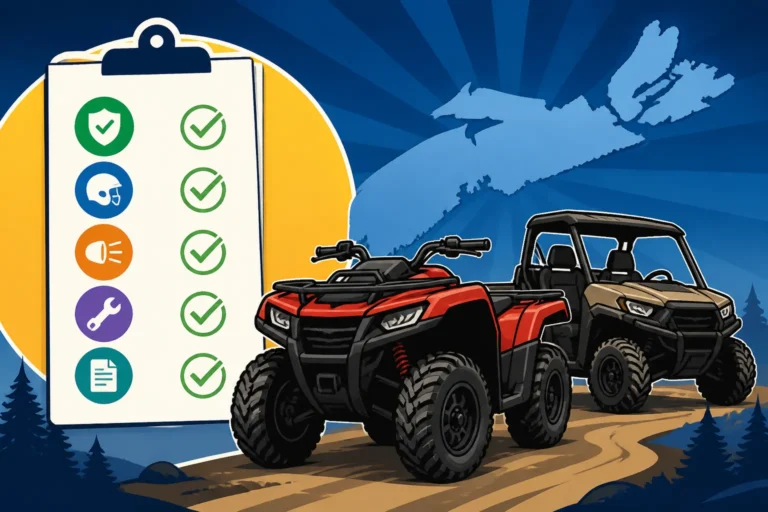
Remember, the registry staff at Access Nova Scotia are looking for clear, unambiguous evidence that you are the legal owner and that all previous transactions were legitimate. Any gaps or inconsistencies in the paperwork will lead to delays. It’s not just about having a bill of sale; it's about having the right bill of sale, one that meets all provincial requirements for transferring ownership. Take your time to gather these documents and ensure they're complete and accurate before you make that trip to the registry. [Nova Scotia Registration Paperwork Checklist] can help you organize everything.
Understanding Taxes and Fees for Your Imported Machine
Beyond the purchase price and any initial federal duties, you'll be responsible for Nova Scotia's Harmonized Sales Tax (HST) when you register your machine. This 14 percent HST is applied to the purchase price of the ATV or UTV, or its assessed value if the purchase price seems unusually low or if you're importing it as a gift. The tax must be paid at the time of registration at Access Nova Scotia. This can sometimes catch buyers off guard if they haven't budgeted for it after already spending a good chunk of change on the machine itself and the import. [Nova Scotia Tax Collected at Registration] elaborates on these tax specifics.
In addition to the HST, you'll also pay the standard provincial registration fees. This typically includes a one-time [Nova Scotia's $39.80 Certificate Fee Explained] and an annual [Nova Scotia Vehicle Permit at $13.20] fee, which also contributes to the provincial OHV Infrastructure Fund. It's important to understand that these fees are distinct from the HST and are mandatory for legal operation of your OHV in the province. Factor these costs into your overall budget, as they are non-negotiable parts of getting your imported machine road — or rather, trail — ready in Nova Scotia. [Nova Scotia OHV Registration Cost] breaks down the total financial outlay.
The total amount you'll pay at the Access Nova Scotia counter can seem substantial, especially when you combine the HST with the registration fees. Be prepared for this by calculating an estimate beforehand. While the staff can guide you through the process, they can't waive these fees. Having all your documents in order and being ready to pay ensures a smooth transaction and prevents any last-minute financial surprises. It’s just part of the cost of enjoying the fantastic trails we have here. [Nova Scotia Registration Payment Methods] can help you plan for payment.
Getting Your New-to-Nova Scotia Machine Insured
Before you can legally ride your imported ATV or UTV on any designated trail, shared road, or even just cross a public road in Nova Scotia, you must have valid liability insurance. This isn't just a suggestion; it's a legal requirement that came into effect quite some time ago. [Nova Scotia Insurance Requirements for Riders] mandates a minimum liability coverage, and you'll typically need to show proof of this insurance (often called a "pink card") at the time of registration. Without it, your registration might not be fully processed, or you could face penalties if caught riding uninsured. [Nova Scotia Fines for an Unregistered Machine] can be steep, so don't risk it!
Finding insurance for an imported machine is generally straightforward, similar to insuring any other OHV bought locally. You'll want to contact an insurance broker or provider who specializes in recreational vehicles. They'll need details about your machine (make, model, year, VIN), your riding experience, and where you plan to operate it. It's a good idea to get quotes from a few different providers to ensure you're getting the best coverage at a competitive rate. Don't assume your existing auto insurance will automatically cover your new OHV; often, it requires a separate policy.
The key here is proactive planning. Don't wait until the day you're ready to pick up your machine from the ferry or customs to start looking for insurance. Get quotes and have a policy in place before you even head to Access Nova Scotia for registration. This way, you can confidently present your proof of insurance and complete the entire process in one go, ready to hit the trails legally and safely. [Nova Scotia Pink Card Rules] details what you need to carry with you when riding.
Common Pitfalls and Smooth Sailing Tips for Maine Imports
Successfully importing and registering an ATV or UTV from Maine can feel like a small victory. However, there are still a few common hurdles that owners face, from paperwork snags to logistical challenges, that can turn excitement into exasperation. By being aware of these potential issues and planning proactively, you can ensure your importation experience is genuinely smooth sailing, getting you onto the Nova Scotia trails faster.
What Happens if Your Paperwork Isn't Perfect?
It's easy to overlook a small detail when dealing with so much paperwork, but a missing signature, an incorrect VIN, or an incomplete bill of sale can grind your registration process to a halt. When you present your documents at Access Nova Scotia, the staff are diligent. If something is amiss, they won't be able to proceed. This might mean you have to contact the seller in Maine, potentially ship documents back and forth, or even make another trip, costing you time, money, and a great deal of frustration. This is particularly true if you're dealing with [Nova Scotia Registration Without a Bill of Sale] or other missing documents.
A common issue can be the VIN. Always double-check that the VIN on the machine matches the VIN on the bill of sale, the title, and any customs documents. Photographing the VIN plate on the machine at the time of purchase can be a smart move, providing a clear record if any questions arise later. If there's any confusion about the correct paperwork for a private sale, consider using a standardized template from a service like LawDepot for your bill of sale. This can help ensure all the necessary legal fields are included, reducing the chances of rejection at the registry.
Another pitfall involves older machines where original titles might be lost or never existed, depending on Maine's regulations at the time of sale. If you're in this situation, discuss it with Access Nova Scotia before you import the machine. They can advise you on what alternative proofs of ownership might be acceptable, such as statutory declarations or multiple previous bills of sale establishing a clear chain of ownership. Addressing these potential issues upfront is far less stressful than discovering them at the counter.
Planning Your Ferry Trip and On-Arrival Logistics
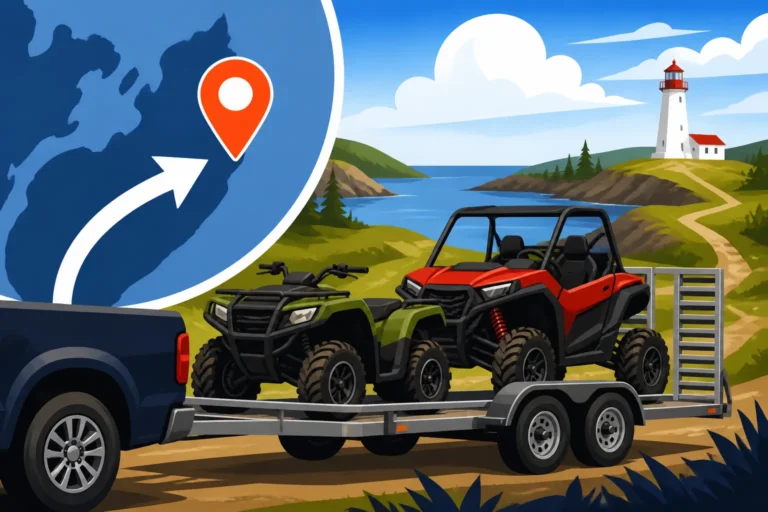
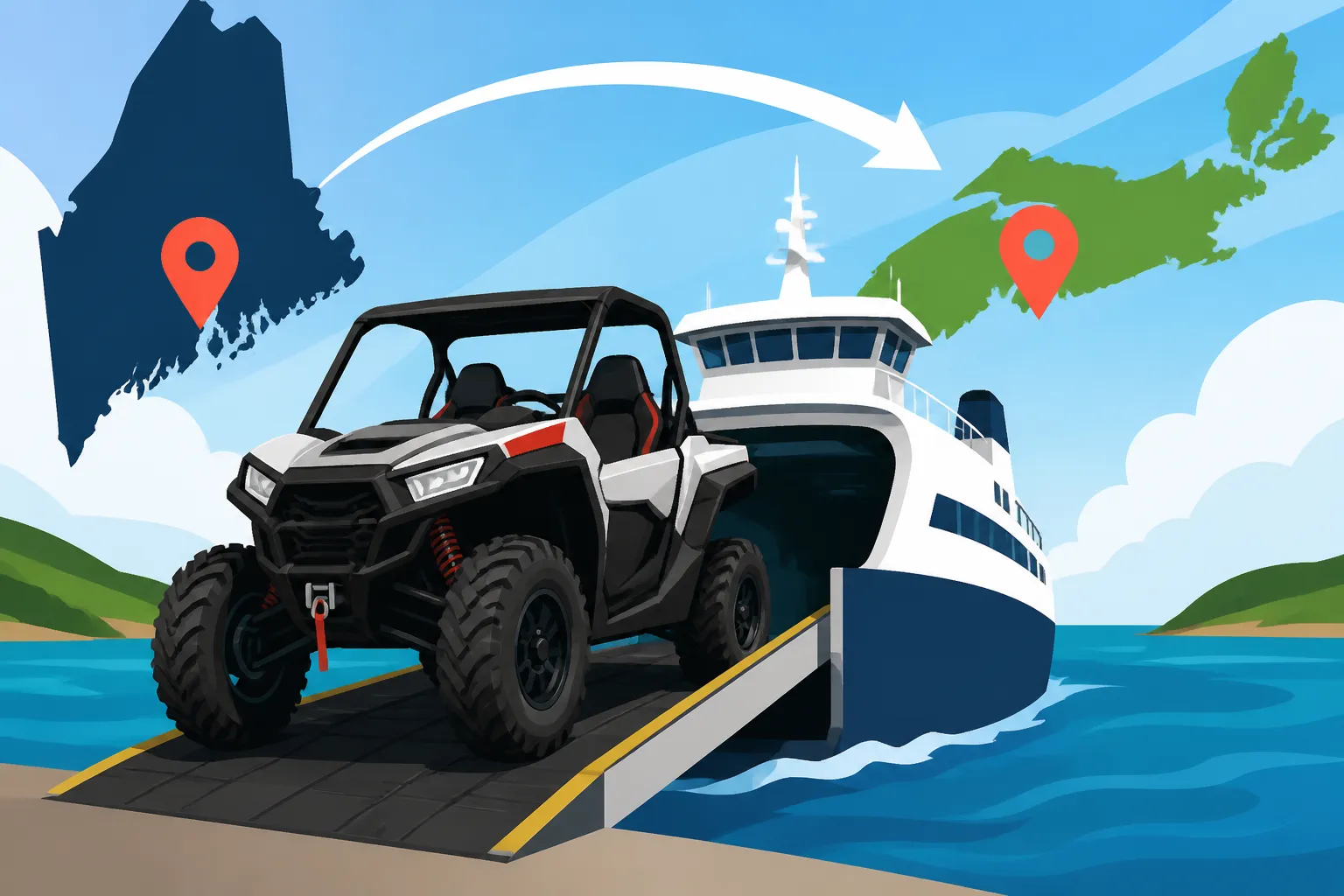
Choosing the right ferry and planning your journey from Maine to Nova Scotia is more than just booking a ticket. If you're using a ferry service like The CAT, which travels directly from Maine to Nova Scotia, you'll be dealing with Canadian customs upon arrival in Nova Scotia. This means all your import paperwork, declarations, and readiness for inspection will happen right at the ferry terminal. Ensure you understand the ferry's specific vehicle requirements – things like tie-downs, fuel levels, and any restrictions on carrying extra fuel cans. You don't want to get turned away at the dock!
For those perhaps driving through New Brunswick, you'll clear Canadian customs at the land border crossing first, and then likely drive to a New Brunswick ferry terminal to reach Nova Scotia, or simply drive the rest of the way. Either way, the customs process is the same: have all your documents ready, be honest about the machine's value, and be prepared for any questions. Remember that the journey continues after you disembark; you'll need a plan for transporting your newly imported ATV or UTV from the port or ferry terminal to its final destination, whether that's your home or a storage facility.
Consider the time of year you're importing. Traveling by ferry, especially with a larger OHV, can be impacted by weather conditions, particularly during the shoulder seasons or winter. Factor in potential delays, and have a contingency plan for accommodation or alternative transport if your ferry is delayed or cancelled. A well-planned logistical approach, from the moment you leave Maine to the moment your machine is safely parked in your Nova Scotia garage, will make the entire importation process much less stressful and a lot more exciting. It’s all part of the adventure of expanding our off-road family! [Nova Scotia Registration Address Change] is a good one to keep in mind if you're moving here, too.
Required Documents Checklist for Importing an OHV from Maine
| Document Type | Description | Where to Obtain/Purpose |
|---|---|---|
| Bill of Sale | Detailed document showing seller, buyer, date, price, and full machine description (make, model, year, VIN). Crucial for proving ownership and calculating HST. | Seller in Maine; consider LawDepot for a robust template. |
| Proof of Ownership (Maine) | Original title certificate (if applicable in Maine) or previous registration document showing seller's legal ownership. | Seller in Maine. |
| Import Declaration | Documentation completed at the Canadian border declaring the OHV's entry into Canada. | Canadian Customs and Border Services Agency (CBSA) at the port of entry. |
| Proof of Payment | Receipt, bank statement, or other evidence of the transaction price for customs and tax assessment. | Seller in Maine / Your financial institution. |
| Proof of Insurance | Valid Nova Scotia OHV liability insurance policy (pink card) meeting provincial minimums. Required for registration. | Nova Scotia insurance broker/provider. Obtain before visiting Access Nova Scotia. |
| Personal ID | Your valid Nova Scotia driver's license or other government-issued identification. | Your personal identification. |
And there you have it – importing an OHV from Maine might have a few extra steps than buying locally, but with careful planning and attention to detail, it's absolutely manageable. Happy trails!
Disclaimer
This article is for general informational purposes only and does not constitute professional advice. Laws, prices and regulations vary by location and change over time. Consult a qualified professional for guidance on your specific situation.