Pictou’s All-Roads Trial in Nova Scotia
For off-highway vehicle (OHV) enthusiasts in Nova Scotia, one of the biggest headaches has always been the question of legal access on public roads. Navigating the patchwork of rules, exceptions, and designated road trail segments can be incredibly frustrating, leaving many riders unsure of where they can safely and lawfully operate their machines. This guide dives deep into the pioneering "All-Roads Trial" that took place in Pictou, providing a comprehensive look at what this initiative meant for the OHV community, its specific regulations, and the valuable lessons learned from this unique venture.
The Genesis of Nova Scotia's Road Trail Vision
Before we delve into the specifics of Pictou, it's crucial to understand the broader context of how Nova Scotia has approached integrating off-highway vehicles into its road network. For years, riders faced significant limitations, often restricted to designated trails or private land. This created a disconnect, making it challenging to get from one trail segment to another, access services like fuel or food, or even reach trailheads without resorting to trailering. The province recognized this challenge, and the concept of "road trails" began to emerge as a potential solution.
Historical Context of Road Trails
The idea wasn't new, but its implementation and expansion have evolved significantly. Initially, the focus was on specific, clearly marked segments of secondary roads, often in rural areas, that would allow OHVs to connect otherwise isolated trail systems. These early road trails were a lifeline for many clubs and riders, transforming fragmented routes into more cohesive networks. However, they came with their own set of rules, including strict speed limits, helmet requirements, and specific hours of operation. Riders had to be acutely aware of which road was a designated road trail and which was not, an often-confusing distinction that led to accidental infractions. The [Nova Scotia Road Trails Act Explained] lays out the foundational legislation that enabled these changes, aiming to strike a balance between rider access and public safety.
Evolution of Regulations and Rider Frustrations
Over time, as the popularity of OHVs grew and riders demonstrated a commitment to responsible operation, the province began to explore more expansive solutions. The existing road trail model, while helpful, still left many gaps. Imagine trying to plan a multi-day ride across the province, only to find yourself constantly loading and unloading your machine onto a trailer just to bypass a few kilometers of non-designated road. It was an inefficient and often discouraging process. Riders consistently voiced their frustrations about these limitations, advocating for more seamless integration. The demand was clear: a need for greater connectivity and simpler rules, allowing for better access to communities and services. This push for broader access paved the way for more ambitious pilot projects, with Pictou's "All-Roads Trial" being a standout example of this evolving philosophy.
Unpacking Pictou's All-Roads Trial: What It Means for Riders
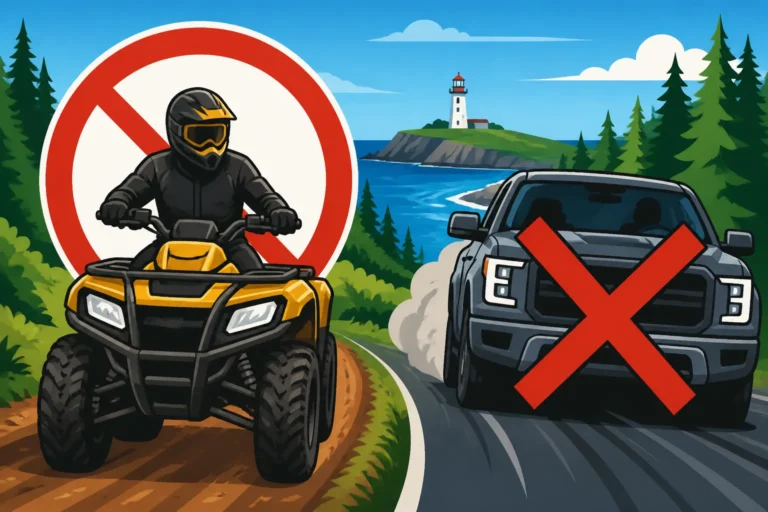
The Pictou All-Roads Trial represented a significant departure from the traditional road trail model. Rather than designating specific road segments, this trial explored the concept of allowing OHVs on most municipal roads within a defined area. This was a game-changer for local riders and a closely watched experiment for the entire province.
The "All-Roads" Distinction
What truly set Pictou's trial apart was its "all-roads" nature. In most Nova Scotia communities, OHVs are restricted to specific, often well-signed, road trail sections. If you veered off one of these designated paths onto a regular municipal road, you were likely in violation of the law. The Pictou trial, however, aimed to simplify this by broadly opening up municipal roads to OHV traffic, subject to certain conditions and exclusions (like controlled-access highways). This meant that within the town's boundaries, riders had a much greater degree of freedom to move from one point to another, access local businesses, or reach trailheads without the constant worry of an unpermitted road segment. It was about creating a more fluid and less restrictive riding experience, allowing OHVs to be a practical mode of local transportation rather than just a recreational vehicle confined to the wilderness. This was a bold move, designed to see how communities and riders would adapt to this increased integration.
Why Pictou Was Chosen for the Trial
Pictou was not chosen at random for this groundbreaking trial. Several factors likely contributed to its selection. Firstly, Pictou is a community with a strong existing OHV culture and a network of dedicated riders and clubs, making it a good environment to test increased access. The local community also showed a willingness to embrace new ideas for economic development and tourism, recognizing the potential benefits that increased OHV access could bring. Furthermore, the town's size and road network offered a manageable yet representative environment for studying the impacts of such an initiative. It wasn't so large or complex that it would be overwhelming, but it was diverse enough to provide valuable data on how OHVs would interact with other traffic, pedestrians, and businesses. The combination of a receptive community, an active riding population, and a suitable geographical layout made Pictou an ideal location to pioneer this "all-roads" concept and gather essential data for future provincial policy. The lessons learned here would directly inform discussions about [Nova Scotia's 2025 Road Trail Expansion] and similar initiatives.
Navigating Pictou: Specific Rules and Rider Responsibilities
Even with the "all-roads" designation, operating an OHV within the Pictou trial area came with specific rules and responsibilities. This wasn't a free-for-all; rather, it was a structured approach to ensure safety for both riders and other road users. Understanding these nuances was key to a successful and legal ride.
Speed Limits and Traffic Laws
One of the most crucial aspects of riding an OHV on Pictou's municipal roads was adhering to all standard traffic laws, with a particular emphasis on speed limits. While the province generally mandates a 25 km/h limit on designated road trails, the "all-roads" nature of Pictou's trial meant that riders were expected to follow the posted speed limits for the particular road they were on. This could mean 30 km/h in residential areas, 50 km/h on main thoroughfares, or even higher on certain connecting roads (though off-highway vehicles are generally excluded from controlled-access highways). It meant slowing down considerably in residential zones, stopping at stop signs, yielding at intersections, and generally behaving as any other motor vehicle operator would. Disregarding these basic traffic rules not only posed a safety risk but also undermined the very spirit of the trial. Riders were expected to exercise extreme caution, especially when sharing the road with cars, bicycles, and pedestrians. This commitment to responsible operation was paramount for the success of the trial and future expansion. You can find more general guidelines in [Nova Scotia Road Trail Operating Hours] and [Nova Scotia Riders Travel Single File].
Required Gear and Equipment
Beyond adhering to traffic laws, OHV riders participating in the Pictou trial had to ensure their machines and personal gear met specific requirements for road legality and safety. This included:
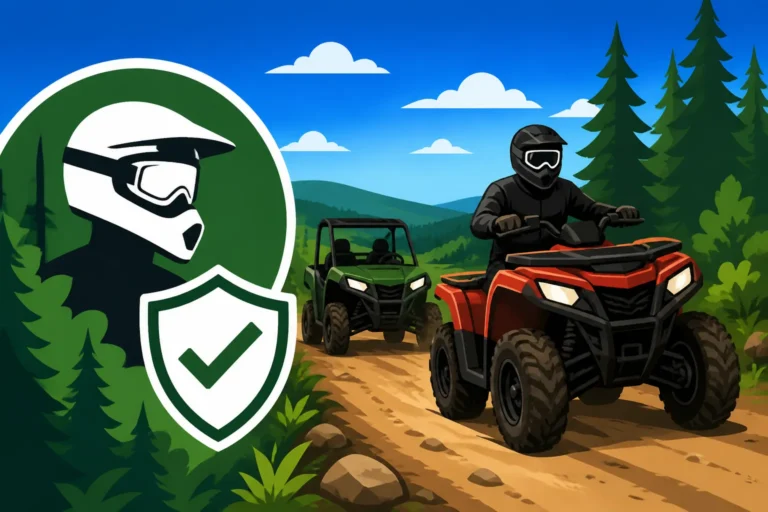
- Helmets: A properly fitted, DOT or CSA-approved helmet was, and remains, mandatory for all riders and passengers. This isn't just a suggestion; it's a critical safety measure.
- Registration and Insurance: Just like on any other legal riding surface, your machine needed to be properly registered with the province and carry valid liability insurance. This is non-negotiable for riding on public roads. [Nova Scotia Requires Registration and Insurance] makes this abundantly clear.
- Lights: For riding during low light conditions, or if the trial allowed night riding, your machine needed working headlights and tail lights. Many stock OHV lights are sufficient, but some riders opted for brighter, aftermarket options for increased visibility on public roads. [Nova Scotia Lighting Requirements] specifies these details.
- Mirrors: Rearview mirrors, often one on each side, were essential for situational awareness and safe lane changes or turns. Many utility and sport side-by-sides come with these, but ATVs often require aftermarket additions.
- Turn Signals: While not universally required on all road trails, operating on "all-roads" often implied the need for turn signals to clearly indicate intentions to other traffic.
- Horn: A functioning horn was a must for signaling hazards or alerting others to your presence.
- Tires: While knobby off-road tires are great for mud and rocks, they can be less stable and wear quickly on pavement. Riders often considered more road-friendly tires if they planned extensive road riding. SuperATV offers a range of accessories, including mirrors, turn signal kits, and even DOT-approved tires, specifically designed to help off-highway vehicles meet the requirements for road use, enhancing both safety and legality.
These requirements transformed the typical off-road machine into one more suited for shared public roadways, ensuring that riders were as visible and communicative as possible to other road users. Ignoring these basic safety and legal requirements could result in significant fines and jeopardize the continuation of such trials.
Permitted Hours and Exclusions
The Pictou All-Roads Trial likely also had specific permitted hours of operation. While designated road trails usually have time restrictions, an all-roads trial would need to carefully balance local quiet hours and business operations with rider access. It's common for OHV operation to be restricted during late-night or early morning hours in residential areas to minimize noise disturbances. Riders were expected to be mindful of noise levels at all times, especially in densely populated areas. Furthermore, certain roads, such as controlled-access highways (like major provincial highways) or perhaps particularly sensitive areas like hospital zones or school zones during specific hours, would typically remain off-limits. The goal was to integrate OHVs responsibly, not to create conflict. Understanding these specific local regulations, often detailed on the town's website or through local signage, was a core responsibility for any rider participating in the trial. It was about respecting the community and ensuring harmonious coexistence.
Getting Your Machine Road-Ready for Pictou's Streets
Taking your off-highway vehicle onto public streets, even in a trial setting like Pictou's, demands a different level of preparation than simply heading out on a woods trail. You're no longer just contending with natural obstacles; you're sharing the space with cars, trucks, cyclists, and pedestrians, all governed by a different set of expectations and traffic laws. Proper preparation is essential for safety, legality, and rider confidence.
Essential Road Safety Modifications
For many recreational OHVs, a few key modifications are necessary to make them truly suitable and legal for road use. Beyond the mandatory helmet, registration, and insurance, consider these upgrades:
- Enhanced Lighting and Signaling: While your factory headlights and taillights might be fine for the trail, increased visibility is crucial on the road. Many riders opt for brighter LED headlights and dedicated turn signal kits. These clearly communicate your intentions to other drivers, which is critical in traffic. A brake light that is easily seen is also a must. Companies like SuperATV offer comprehensive road-legal kits that often include turn signals, horns, and sometimes even updated mirrors. Investing in high-quality, visible lighting can prevent dangerous misunderstandings.
- Mirrors for Awareness: Side mirrors and a rearview mirror are vital for maintaining situational awareness, allowing you to see traffic approaching from behind or to the sides without having to turn your whole body. While some side-by-sides come with mirrors, many ATVs do not, making this an essential aftermarket addition.
- A Reliable Horn: A loud, clear horn is not just a courtesy; it's a safety device used to alert others to your presence or to potential hazards. Ensure yours is easily accessible and fully functional.
- Tires Designed for Pavement: Aggressive off-road tires, while excellent for grip on dirt, mud, and rocks, can wear down quickly on pavement. More importantly, their lug patterns can make steering less precise and braking distances longer on hard surfaces. Consider a set of DOT-approved radial tires designed for mixed-terrain or dedicated road use. These offer better handling, less vibration, and improved stopping power on asphalt. For specific models, you might find that [Nova Scotia Lighting Requirements] for head and tail lights are more stringent on public roads than on private trails.
These modifications aren't just about avoiding a ticket; they're about significantly increasing your safety and the safety of everyone else on the road.
Maintenance for Paved Surfaces and Regular Inspections
Riding on pavement puts different stresses on your machine compared to trail riding. Regular inspections and specific maintenance become even more important:
- Tire Pressure and Wear: Check your tire pressure regularly, adjusting it for road use as per your tire manufacturer's recommendations. Pavement can accelerate tire wear, so inspect your tires frequently for signs of excessive wear, punctures, or uneven tread.
- Brakes: Your brakes will be working harder on paved roads, especially with more sudden stops in traffic. Regularly inspect brake pads, rotors, and fluid levels. Ensure your brakes are responsive and balanced.
- Suspension and Steering: Pavement can reveal any looseness in your suspension or steering components. Check tie rods, ball joints, and shock absorbers for wear. Precise steering is crucial for safety on the road.
- Fluid Levels: Ensure all fluid levels—engine oil, coolant, brake fluid—are at optimal levels. Overheating can be more of a concern in stop-and-go traffic than on open trails.
- Cleanliness and Visibility: Keep your machine clean, especially your lights, reflectors, and mirrors. A dirty machine is less visible, which can be a hazard.
- Pre-Ride Checks: Before every road ride, perform a quick pre-ride inspection. Check your lights, horn, brakes, tires, and steering. A little vigilance can prevent a major issue.
By treating your OHV as a road-worthy vehicle when operating in areas like Pictou, you enhance its longevity and, most importantly, ensure your safety and that of others. This preparedness is part of being a responsible rider, contributing positively to the perception of OHVs within the community. For a general overview of pre-ride checks, refer to [Nova Scotia Registration Paperwork Checklist] to ensure your documents are in order too.
Community Impact and the Future of All-Roads Access
The Pictou All-Roads Trial wasn't just about opening up roads for OHVs; it was an experiment in community integration. Its success or failure would have significant implications for how other towns in Nova Scotia, and even further afield, considered similar initiatives. Understanding the broader impact and the potential future of such access is vital for all stakeholders.
Community Response and Feedback
Any time a community introduces a significant change like "all-roads" OHV access, there will inevitably be a range of feedback. In Pictou, this was no different. Many local businesses, especially those catering to tourism or outdoor recreation, likely welcomed the increased traffic. Riders stopping for gas, food, or supplies represent a direct economic benefit, and the trial could have encouraged more people to visit the area specifically for riding. This positive economic impact is often a strong argument for expanding OHV access.
However, residents, particularly those in quieter residential areas, might have expressed concerns about increased noise, dust, or perceived safety risks. The distinctive sound of an OHV, while exciting to riders, can be disruptive to others, especially if machines are operated outside designated hours or with modified exhaust systems. This is where [Nova Scotia Exhaust Noise Rules] come into play, emphasizing the importance of keeping machines to factory noise levels. Pedestrians and cyclists might have felt less safe sharing roads with OHVs, leading to calls for stricter enforcement or alternative routes. Navigating these varied perspectives requires open dialogue, clear communication from authorities, and a demonstrated commitment from riders to operate respectfully and responsibly. The success of the trial largely hinged on how well these different groups could coexist and how effectively any issues were addressed.
Potential for Expansion and Lessons Learned
The Pictou All-Roads Trial served as an invaluable case study for the entire province. The data collected – on traffic interactions, safety incidents, economic impacts, and public perception – would be critical in determining whether such "all-roads" access could be replicated or expanded elsewhere. If the trial demonstrated that OHVs could be safely and respectfully integrated into the municipal road network without undue negative impacts, it could pave the way for similar initiatives in other communities eager to boost tourism or improve rider connectivity. [Nova Scotia's 2026 Road Trail Expansion] could very well be influenced by the outcomes of such trials.
On the other hand, if significant challenges arose, such as a rise in accidents, widespread noise complaints, or a breakdown in public trust, these lessons would be equally important. They would highlight areas where regulations might need to be tightened, enforcement increased, or where certain types of roads might simply not be suitable for OHV integration. The key takeaway is that such trials are not just about opening roads; they are about understanding the complex interplay between recreational activity, community life, and regulatory frameworks. The experience in Pictou provided a real-world crucible for these ideas, offering crucial insights that continue to shape the future of OHV access across Nova Scotia. It showed that responsible ridership and effective management are two sides of the same coin when it comes to expanding access.
Here's a quick comparison of general road trail rules and the principles behind an "all-roads" approach, as seen in Pictou:
| Feature | General Nova Scotia Road Trail Rules | Pictou's "All-Roads" Trial Principles |
|---|---|---|
| Roads Included | Specific, designated segments of secondary roads. | Most municipal roads within the trial area. |
| Signage | Heavily reliant on clear signage for designated routes. | Emphasis on knowing trial area boundaries, less specific road-by-road signage within. |
| Speed Limit | Often a uniform 25 km/h on designated segments. | Follow posted municipal speed limits for the specific road (e.g., 30, 50 km/h). |
| Connectivity | Connects trail segments, but often requires trailering between them. | Allows seamless travel within the community, easier access to services. |
| Traffic Interaction | Limited interaction, often on low-traffic roads. | Greater interaction with cars, pedestrians, cyclists on busier streets. |
| Required Gear | Helmet, registration, insurance. Lights for low-light. | Helmet, registration, insurance, full road-legal kit (mirrors, signals, horn) often implied. |
| Noise & Emissions | Adherence to provincial standards. | Heightened importance of respectful noise levels due to increased urban presence. |
| Community Oversight | Provincial oversight with local club involvement. | Direct municipal involvement, close monitoring of local impact and feedback. |
| Purpose | Recreational trail connectivity. | Integrated local transportation and recreational access. |
Disclaimer
This article is for general informational purposes only and does not constitute professional advice. Laws, prices and regulations vary by location and change over time. Consult a qualified professional for guidance on your specific situation.