Nova Scotia’s 2026 Road Trail Expansion
If you've ever felt the frustration of pulling up to a perfectly good road, only to realize your ATV or UTV can't legally traverse it to connect to the next trail, you're certainly not alone. That feeling of being cut off, forced to backtrack or trailer your machine, can really put a damper on an otherwise fantastic ride here in Nova Scotia. But things are looking up, especially with the exciting developments surrounding the 2026 road trail expansion, which promises to open up more connections and make planning your off-highway vehicle adventures so much easier across our beautiful province.
Understanding the Road Trail Expansion
The idea of blending traditional off-highway vehicle (OHV) trails with designated road sections isn't entirely new in Nova Scotia, but the scale and intention behind the 2026 expansion mark a significant evolution. For years, riders have grappled with the challenge of limited connectivity, often finding themselves at the end of a fantastic trail with no legal way to reach the next one without resorting to busy highways or loading their machines onto trailers. This expansion aims to bridge those gaps, creating a more cohesive and enjoyable riding network.
The Evolution of Road Trails in Nova Scotia
Our province has slowly but steadily been working towards better integration for off-highway vehicles. It started with small, cautious steps, often as pilot projects in specific communities. These early trials were crucial for understanding how OHVs could safely and respectfully share designated road sections with other traffic. They helped inform the rules and regulations, showing both the benefits for riders and the concerns of residents. We've seen communities, particularly those keen on bolstering local tourism, embrace these opportunities to connect trails through villages and towns. This incremental approach has built a foundation of experience, leading us to this larger, more ambitious expansion. For riders who have been around for a while, you'll remember when these concepts were just ideas, making the current progress feel like a real victory for the community.
The Vision Behind the 2026 Plan
The 2026 expansion isn't just about adding a few more kilometres here and there; it's part of a broader, strategic vision to create a more integrated and accessible off-highway vehicle network across Nova Scotia. The goal is to facilitate longer, more diverse rides that allow riders to explore different regions without constant interruptions. Imagine being able to ride from one picturesque coastal community to another, perhaps stopping for a meal or to refuel, all while legally and safely navigating designated routes. This vision acknowledges the economic contribution of OHV tourism and recreation, aiming to draw more visitors and encourage local exploration. It's about enhancing the overall outdoor experience, making our province a premier destination for ATV and UTV enthusiasts. The province's commitment reflects a growing understanding of the passion and dedication within the riding community.
What This Means for Local Riders
For you, the Nova Scotia rider, this expansion means less frustration and more exploration. It opens up a myriad of new possibilities for day trips, weekend getaways, and even multi-day tours. No longer will you have to meticulously plan routes around impassable road sections, or worse, risk fines by riding where you shouldn't. The expanded network provides legitimate, legal access, fostering a sense of freedom and encouraging riders to discover parts of the province they might not have explored before. It's also a testament to the hard work of local clubs and associations who have advocated tirelessly for greater access. This is about enriching your riding life, plain and simple, and offering more opportunities to enjoy our beautiful landscapes. You can find more details on how these pathways are legislated in the [Nova Scotia Road Trails Act Explained].
Specifics of the 2026 Expansion
When we talk about an expansion of this magnitude, the details truly matter. It's not just a blanket statement; it involves careful planning and consideration for specific areas that will benefit most from increased connectivity. The 2026 plan is focused on strategic links that unlock new riding corridors and enhance existing ones, making the network far more user-friendly and extensive.
New Kilometres and Key Connections
The 2026 expansion aims to add substantial new kilometres to the existing road trail network, with a strong focus on creating crucial links that were previously missing. We're talking about connecting rural communities, linking major trail systems, and providing access to amenities like gas stations, restaurants, and lodging. For example, specific plans include extending connections through areas that might have previously had isolated trail segments, effectively creating seamless routes. Think about those frustrating points where a fantastic rail trail abruptly ended, forcing you onto a busy highway shoulder – the 2026 plan is targeting those very bottlenecks. These new segments are designed to alleviate that stress, allowing for continuous, enjoyable rides. The goal is to move closer to a provincial network where long-distance riding is not just possible, but genuinely accessible.
Geographic Areas Benefiting Most
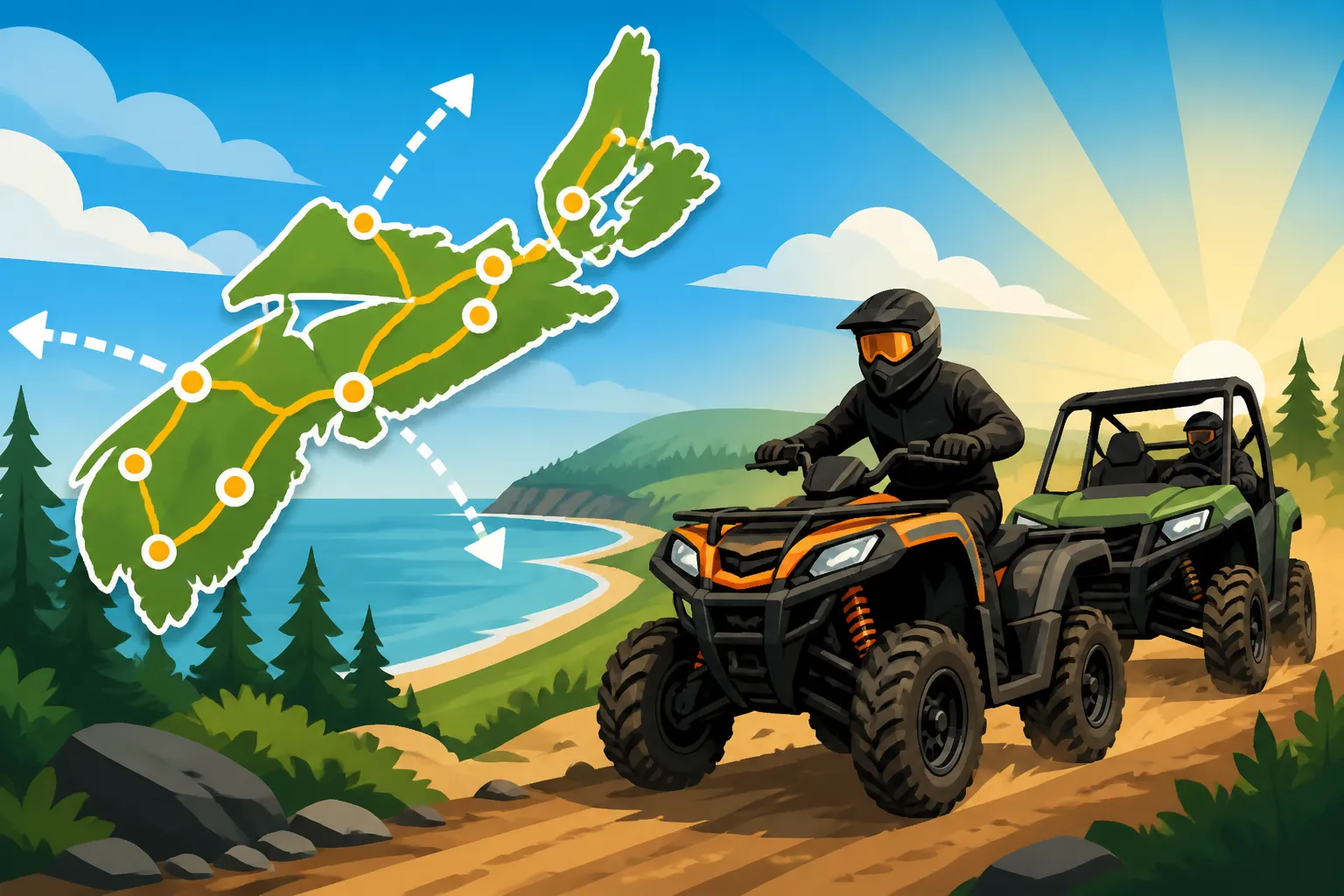
While the specifics of every single new section will be detailed by the province, the focus of the 2026 expansion is clearly on regions that either have strong existing trail networks needing better integration or areas with high potential for OHV tourism. We can expect significant improvements in areas like parts of Cape Breton, where a cohesive network can really boost local economies. The Annapolis Valley, with its scenic beauty and growing appeal for outdoor activities, is another prime candidate for enhanced connections. Likewise, areas along the Eastern Shore and the Northumberland Shore are expected to see strategic additions that unlock more coastal and inland riding opportunities. These geographic targets are not random; they represent a strategic effort to maximize the impact of the expansion for both riders and local businesses.
The Type of Roads Included
It's important to remember that not all roads are created equal, and the road trail expansion isn't throwing open every paved surface to ATVs and UTVs. The designated road sections primarily consist of lower-traffic rural roads, secondary highways, and specific municipal streets that have been identified as safe and suitable for shared use. You won't be tearing down the 100-series highways, that's for sure! These chosen roads are often quieter, with less through traffic, making them ideal for the reduced speed limits and single-file riding required. Some sections might be within small villages, connecting riders to essential services, while others could be less-traveled rural routes that link two substantial trail systems. The criteria prioritize safety for all road users while still providing meaningful connectivity for OHV riders.
Navigating Nova Scotia's Road Trail Rules
While the expansion is exciting, it's absolutely crucial to remember that riding on designated road trails comes with specific rules and responsibilities. These aren't your typical bush trails; you're sharing the road with cars, trucks, and often pedestrians, so understanding and adhering to the regulations is paramount for everyone's safety and the continued success of these initiatives. Ignoring the rules jeopardizes the future of road trail access for all of us.
Crucial Operating Requirements
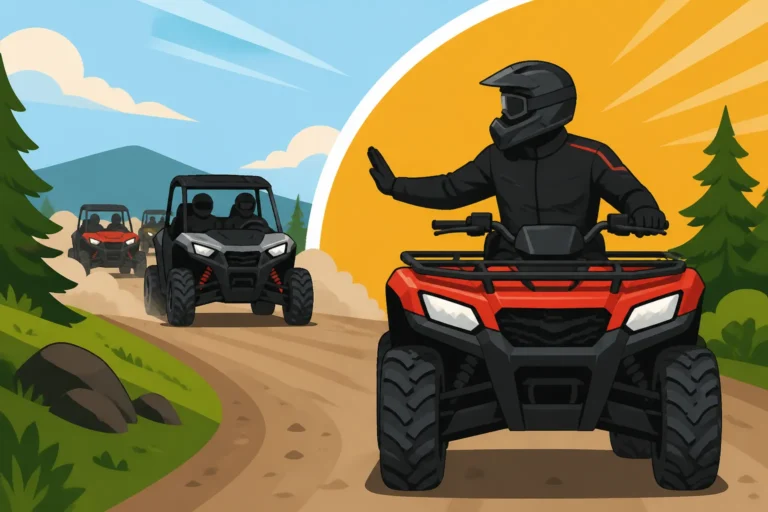
When you're riding on a road trail, you're expected to operate your machine differently than you might in the woods. First and foremost, speed is a major factor. Nova Scotia road trails typically enforce a strict 25 km/h limit, which can feel slow if you're used to open trails, but it's essential for safety on shared roads. You'll also need to ride single file and yield to all other traffic, including pedestrians and cyclists. This isn't a race; it's about respectful sharing of public infrastructure. Furthermore, there are specific operating hours for most road trails, often from half an hour before sunrise to half an hour after dusk, so night riding on these sections is usually prohibited unless explicitly stated otherwise. Understanding [Nova Scotia's 25 km/h Road Trail Limit] and other similar regulations is key to avoiding issues.
Helmet and Gear Standards
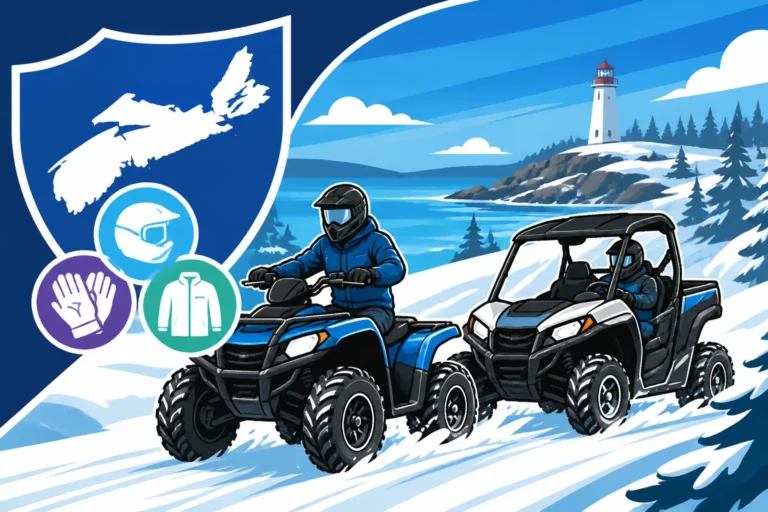
Safety gear isn't optional when you're riding an OHV in Nova Scotia, and this is especially true on road trails where you're exposed to other vehicles. Every rider and passenger must wear an approved helmet – this means one that meets recognized standards such as DOT, CSA, Snell, or BSI. It's not just about having a helmet; it's about having one that offers proper protection. For riders under the age of 16, there are additional requirements: they must wear eye protection, long-sleeved shirts or jackets, long pants, and sturdy boots that cover the ankles. These rules are in place to minimize injuries in case of an incident and ensure a base level of protection for everyone enjoying the ride. Don't skimp on safety, ever. Check out [Nova Scotia Helmet Law for Riders] for more information.
Licensing and Insurance Essentials
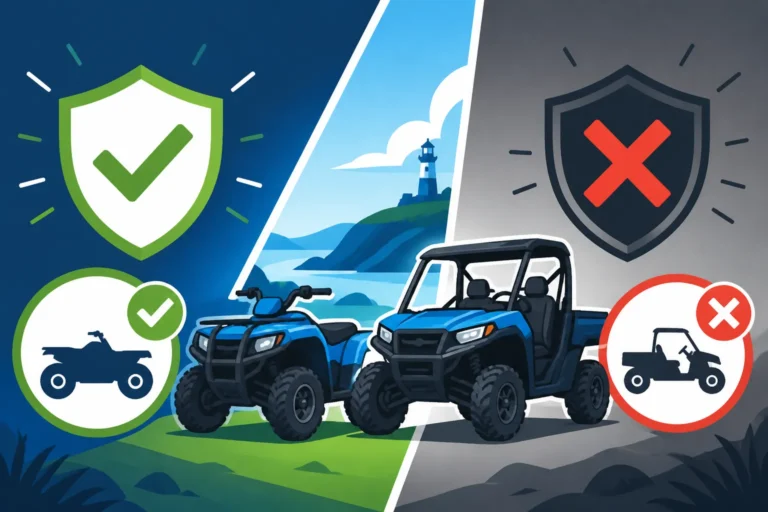
This is where many riders sometimes get confused, but it's crystal clear for road trails: you need to be properly licensed and insured. To operate an ATV or UTV on a designated road trail in Nova Scotia, you must possess a valid driver's licence – a learner's permit typically won't cut it. This ensures that you have a basic understanding of road rules and responsibilities. Beyond that, your machine must be registered with Access Nova Scotia and carry the required liability insurance. The minimum liability coverage in Nova Scotia is usually $500,000, and you should always have your proof of insurance, often called a "pink card," with you when riding. Without these two critical elements – a valid licence and proper insurance – you are not legally permitted to ride on these expanded road trails. This is covered in more detail in [Nova Scotia Registration and Insurance].
| Aspect | Standard OHV Trail Riding | Designated Road Trail Riding |
|---|---|---|
| Speed Limit | Varies, generally higher | Strictly 25 km/h |
| Riding Formation | Can be side-by-side (if safe) | Single file only |
| Yielding | To other OHVs, hikers, wildlife | To ALL traffic (vehicles, peds) |
| Operating Hours | Generally unrestricted | Half-hour before sunrise/after dusk |
| Driver's Licence | Not always required (depends on age) | Required (full licence) |
| Insurance | Required | Required (min $500k liability) |
| Registration | Required | Required |
| Helmet | Required (approved standards) | Required (approved standards) |
| Eye Protection | Recommended | Required for under 16 |
| Lights | Headlight/tail light often needed | Required (specific visibility range) |
Preparing Your Machine for Road Trails
Getting your machine ready for expanded road trail use isn't just about legal compliance; it's about optimizing its performance, comfort, and safety for these new mixed-terrain adventures. While your ATV or UTV might be perfectly suited for rugged bush trails, a bit of attention to certain components will make your road trail experience much more enjoyable and reliable.
Tire Choices and Performance
Your tires are your only contact with the ground, and their suitability for mixed road and trail conditions can make a huge difference. Aggressive mud tires, while fantastic in the bogs, can be loud, wear quickly, and offer less grip on paved or hard-packed gravel roads. For road trails, you might consider a more all-terrain (AT) tire with a tighter tread pattern. These offer a smoother, quieter ride on hard surfaces, better traction on loose gravel, and still perform adequately on moderate dirt trails. Some riders even opt for more street-oriented ATV/UTV tires if their primary use will be road trails. Always ensure your tires are in good condition, with sufficient tread depth, and check your tire pressure regularly. Brands like SuperATV offer a variety of tire options designed for different terrains, allowing you to fine-tune your machine for optimal performance on these new routes.
Lighting and Visibility Upgrades
Visibility is absolutely critical when sharing roads with other vehicles, especially during dawn, dusk, or in less-than-ideal weather conditions. While your machine likely has factory headlights and tail lights, consider upgrading them for better output and visibility. Brighter LED headlights can make a significant difference in seeing and being seen, and a robust tail light that meets [Nova Scotia Lighting Requirements] will ensure you're visible from the rear. Adding auxiliary amber or white lights, carefully positioned and aimed, can further enhance your profile on the road without blinding oncoming traffic. Reflective tape on your machine, helmet, or gear can also dramatically increase your visibility, especially in low light. Remember, being seen is just as important as seeing the path ahead.
Maintenance for Mixed Terrain Riding
Regular maintenance becomes even more crucial when your machine is regularly transitioning between off-road conditions and designated road sections. The varied surfaces and extended travel can put different stresses on your components. Pay close attention to your brakes – they'll see more consistent use on roads and need to be in top condition. Check your suspension components for wear, as impacts from trails followed by smoother road stretches can highlight weaknesses. Keep an eye on your air filter, especially if you're riding dusty gravel roads, and ensure your oil and fluids are changed according to the manufacturer's schedule. A well-maintained machine is a reliable machine, and reliability is key when you're miles from home, connecting communities on these new routes. This proactive approach will help you avoid unexpected breakdowns and ensure a smooth riding experience.
Maximizing Your Road Trail Experience
With new connections opening up, the potential for incredible riding experiences expands exponentially. But making the most of these opportunities involves a bit of planning, a strong sense of community, and an unwavering commitment to safety. These expanded road trails aren't just about getting from point A to point B; they're about the journey, the exploration, and the enjoyment of Nova Scotia's natural beauty.
Planning Your Route and Stops
Gone are the days when you might just head out into the woods with a vague idea of where you're going. With the expanded road trail network, detailed route planning becomes a true joy. Take advantage of maps and GPS apps that show designated OHV trails and road connections. Plan out your fuel stops, identifying which communities along the route have gas stations accessible from the road trail. Factor in meal breaks at local diners or scenic picnic spots. Consider places you might want to stop and explore, like a lighthouse, a historic site, or a beautiful beach view. The ability to link these points seamlessly by machine changes the whole dynamic of a ride. For longer trips, identify lodging that welcomes OHV riders – many small-town accommodations are keen to cater to this growing tourism segment. Knowing your route, potential hazards, and points of interest will elevate your adventure.
Riding Etiquette and Community Harmony
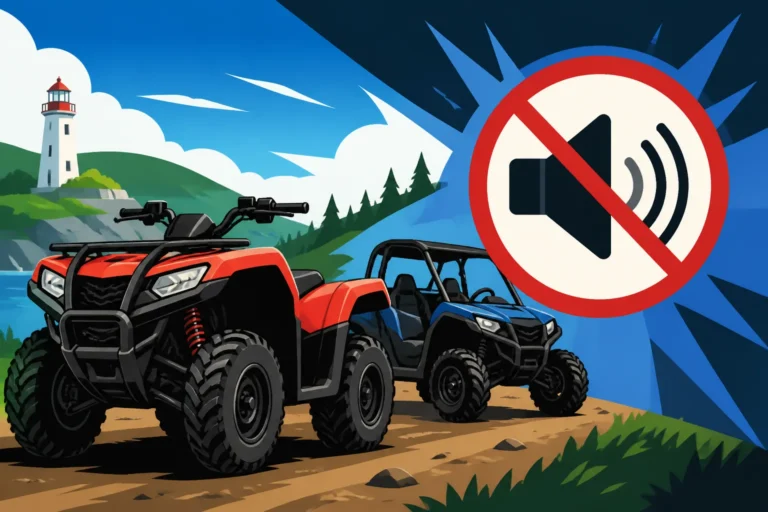
Sharing public infrastructure means being a good neighbour, always. On road trails, you're not just representing yourself; you're representing the entire OHV community. This means riding respectfully and quietly. Adhere to the speed limits, stay single file, and be extra courteous to pedestrians, cyclists, and motorists. Keep your exhaust system in good working order and avoid unnecessary revving, which can be a nuisance to residents. When passing homes or businesses, slow down even further. Remember that these road trail privileges were hard-won, and maintaining them requires constant vigilance and a positive public image. Be mindful of dust on gravel sections near homes and ensure you leave no trace behind. Positive interactions with locals will help ensure the continued success and expansion of these vital connections. For more on this, check out [Nova Scotia Noise Complaints About Quads].
Safety First: What to Carry and Expect
Safety should always be your top priority. Beyond wearing your helmet and protective gear, think about what you should carry with you on these extended rides. A basic tool kit, a tire repair kit, and a small first-aid kit are absolute essentials. Consider a tow strap, especially if you're riding with a group, and a small air compressor to adjust tire pressure. Always carry enough water, snacks, and a fully charged cell phone. Be aware of potential cell dead zones, particularly in more remote areas of the province; a satellite messenger or GPS device with offline maps can be a lifesaver. Inform someone of your planned route and estimated return time. While road trails offer greater connectivity, they also mean you might be further from immediate assistance if something goes wrong. Being prepared can turn a potential disaster into a minor inconvenience. SuperATV also offers a range of durable accessories like storage boxes and recovery gear that can be invaluable for safety and preparedness on longer treks.
Impact on the Riding Community and Local Economy
The 2026 road trail expansion isn't just about individual rides; it has far-reaching implications for the entire off-highway vehicle community and the local economies it touches. It's a significant investment in recreational infrastructure that promises to yield benefits for years to come.
Enhanced Access and Tourism
The most immediate impact of the expansion is the sheer increase in accessible riding areas. This isn't just beneficial for local riders, but it significantly enhances Nova Scotia's appeal as an OHV tourism destination. Imagine riders from neighbouring provinces or even further afield being able to plan extensive tours of our beautiful province, knowing they can legally connect diverse trail systems and access amenities. This kind of connectivity makes Nova Scotia competitive with other regions that have well-developed OHV tourism. It promotes longer stays, encourages exploration of smaller communities, and solidifies our reputation as a fantastic place for off-road enthusiasts. The [Nova Scotia ATV Trails: The ATVANS Network] will certainly see increased use and appreciation.
Support for Local Businesses
When riders are out exploring, they spend money. Whether it's filling up at a gas station in a small village, grabbing a coffee at a local cafe, having lunch at a roadside diner, or even staying overnight at a B&B, that money directly supports local businesses. The road trail expansion facilitates this economic activity by allowing riders to reach these establishments more easily and safely. It creates a direct link between the recreational activity and economic benefit for rural communities that often struggle with declining populations and limited opportunities. This can lead to job creation, increased tax revenue, and a renewed vibrancy in towns and villages along the expanded network. It’s a tangible benefit that goes beyond just the joy of riding.
Ongoing Advocacy and Future Growth
The 2026 expansion is a testament to years of dedicated advocacy by organizations like ATVANS and numerous local clubs. It shows that persistence, respectful dialogue, and a commitment to safe and responsible riding can lead to significant positive changes. This success, however, also underscores the need for ongoing engagement. The OHV community must continue to demonstrate responsible stewardship of these expanded trails and road sections to ensure that these privileges are maintained and even further expanded in the future. Future growth will depend on how well we collectively respect the rules, our environment, and our fellow citizens. Continuing to support your local club and provincial association, perhaps even through purchasing a [Nova Scotia Trail Permit Cost] and [Nova Scotia Club Membership Cost], is vital for ensuring a vibrant future for ATV and UTV riding in Nova Scotia.
Disclaimer
This article is for general informational purposes only and does not constitute professional advice. Laws, prices and regulations vary by location and change over time. Consult a qualified professional for guidance on your specific situation.