Nova Scotia Equipment Checks by Officers
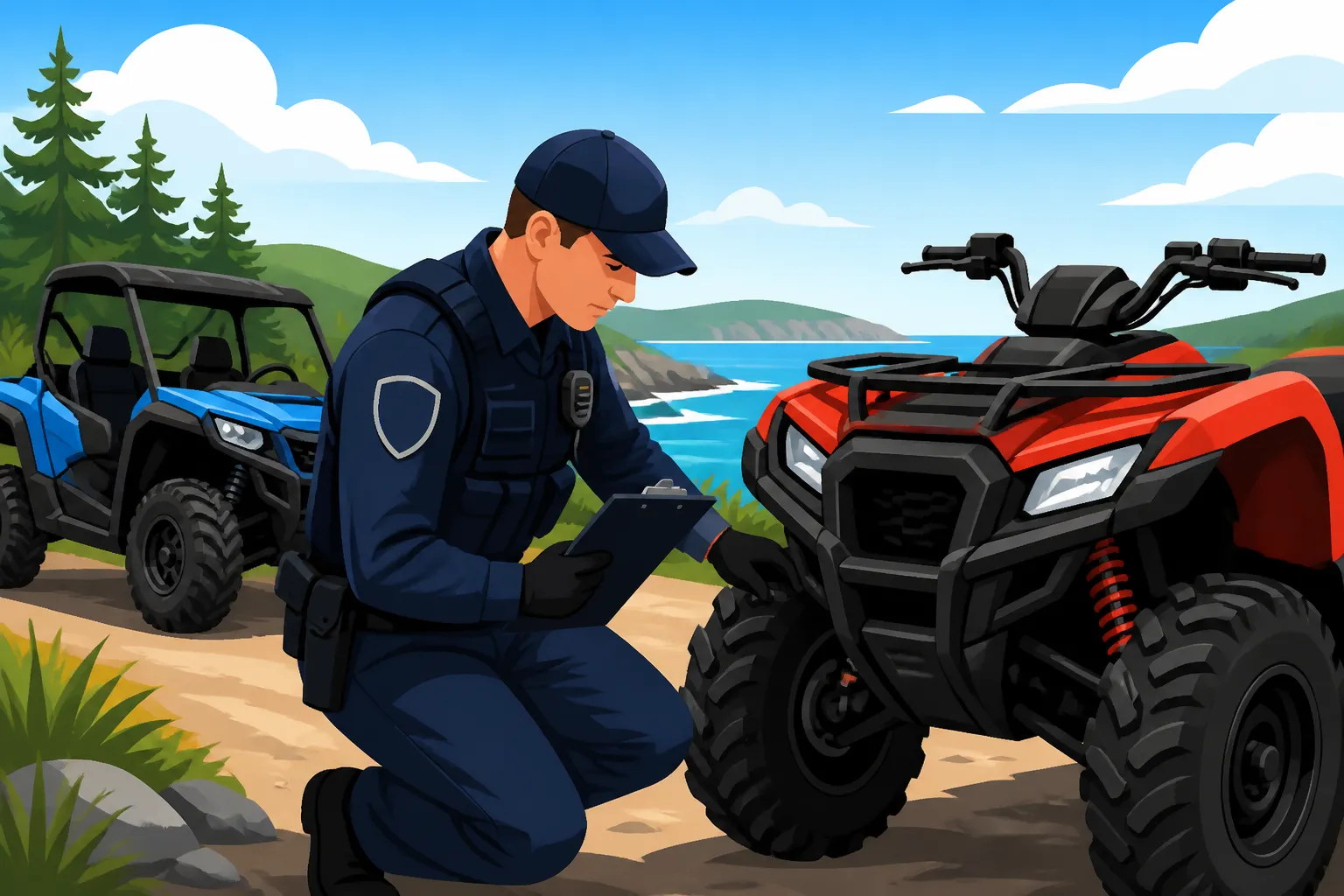
There’s nothing quite like the feeling of hitting a Nova Scotia trail on your ATV or UTV, but that freedom comes with responsibility. It can be a bit jarring, though, when you're out enjoying a beautiful day and suddenly see an officer signaling you to pull over for an equipment check. This guide is here to walk you through exactly what those officers are looking for, what documentation you need to have on hand, and how to handle yourself if you do get stopped, helping you stay compliant and avoid any unwelcome surprises.
Why Officers Conduct Equipment Checks on Nova Scotia Trails and Roads
Nobody wants to feel like they're being watched or scrutinized while they're out having fun, but the truth is, equipment checks by officers aren't about spoiling your good time. They're a crucial part of ensuring that everyone—from the rider to other trail users and even local wildlife—stays safe and that our beautiful Nova Scotia trails remain accessible and well-maintained for years to come. It’s all about a shared responsibility to protect our resources and ourselves.
Ensuring Safety for All Riders and Public
At the heart of every equipment check is safety. Off-highway vehicles (OHVs) are powerful machines, and just like any other vehicle, they need to be in good working order to operate safely. An officer pulling you over isn't just checking boxes; they're actively looking for anything that could put you, your passengers, or anyone else at risk. Think about it: a faulty brake system could lead to a serious accident on a steep descent, or a dim headlight could mean you're not seen by another rider or motorist when crossing a road. These checks are proactive measures to prevent those kinds of dangerous scenarios from ever happening. They help to make sure that the trails are as safe as possible for families, solo adventurers, and everyone in between, ensuring that everyone can return home safely at the end of the day.
The reality is that sometimes things break or wear out, and riders might not always be aware of a critical issue with their machine until it’s too late. Officers are trained to spot these potential hazards before they escalate. They're looking for things like worn tires that could lose traction, loose steering components that could cause you to lose control, or even improper modifications that could destabilize the machine. This diligence is particularly important on shared multi-use trails where you might encounter hikers, cyclists, or even horseback riders, as a malfunction on your part could have far-reaching consequences for others enjoying the outdoors.
Upholding the Off-highway Vehicles Act and Regulations
Beyond immediate safety concerns, equipment checks are also about upholding the law. Nova Scotia has specific regulations under the Off-highway Vehicles Act designed to govern how ATVs and UTVs are operated. These laws cover everything from mandatory registration and insurance to specific equipment requirements and even where you can and cannot ride. Officers are tasked with enforcing these regulations to ensure a consistent and fair environment for all OHV enthusiasts. It means that whether you're riding near Halifax or deep in Cape Breton, the rules of the trail are consistently applied.
The system relies on everyone doing their part. If some riders ignore these regulations, it can create a ripple effect, leading to unsafe conditions, damage to trails, and ultimately, a negative perception of the OHV community as a whole. Regular checks help to maintain compliance and demonstrate that the province is serious about responsible OHV use. This helps protect the privileges that riders currently enjoy, like access to [Nova Scotia Road Trails: Where You Can Ride], by ensuring that those privileges aren't abused.
Protecting the Environment and Trail Infrastructure
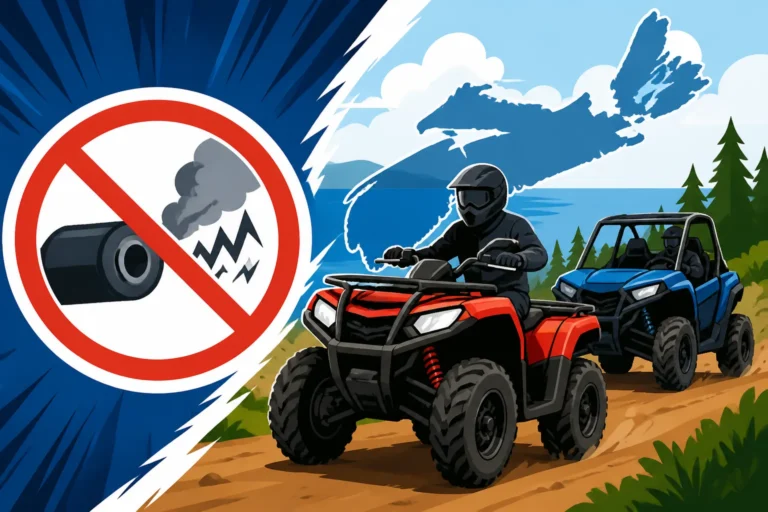
Our trails and the surrounding natural environment are precious. Equipment checks often extend to ensuring that machines aren't causing undue harm to these vital resources. A big part of this involves checking for excessive noise or improperly modified exhausts. While a loud exhaust might sound cool to some, it can be a huge disturbance to wildlife, nearby residents, and other trail users seeking peace and quiet. The regulations on noise are there to minimize this impact, ensuring our natural spaces remain serene.
Furthermore, officers might be looking for evidence of fluid leaks or other issues that could contaminate the environment. They also play a role in preventing trail degradation by ensuring machines are operated responsibly and not, for example, equipped with tires that cause excessive rutting or damage to sensitive areas. By ensuring compliance with environmental standards, officers help preserve the very trails we love to ride, making sure they're there for future generations to enjoy. It’s a collective effort to be good stewards of the land, especially on trails that weave through diverse ecosystems and connect communities.
What Nova Scotia Officers Are Looking For During an Equipment Check
So, when an officer waves you over, what exactly are they scrutinizing on your machine? It's more than just a quick glance. They have a checklist of essential items and conditions they're trained to identify, all aimed at ensuring your machine is roadworthy, trail-ready, and compliant with Nova Scotia's regulations. Being prepared means knowing what these key areas are and making sure your machine is up to snuff before you even leave your driveway.
Essential Safety Gear and Machine Features
First and foremost, officers are checking for the basic safety features that are non-negotiable for OHV operation. This includes everything from your lighting to your braking system. Think of it as a mini safety inspection on the spot. If something critical isn't working, it’s not just a minor infraction; it’s a potential accident waiting to happen.
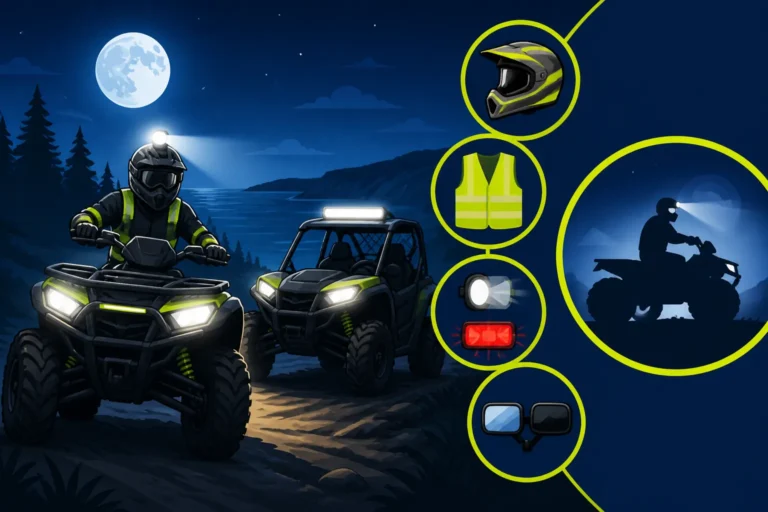
Your headlights and tail lights are critical, especially if you're riding anywhere near dawn, dusk, or in low-visibility conditions. Even if you don't plan to ride after dark, conditions can change quickly in Nova Scotia, whether it's unexpected fog rolling in off the coast or a sudden downpour. Officers will check to make sure these are functional and meet the minimum requirements for visibility. Make sure they're clean and working properly. [Nova Scotia Lighting Requirements] specifies these needs. Brakes are another huge one; they need to be fully functional and capable of stopping your machine effectively. Officers might ask you to demonstrate your brakes to ensure they're in good working order. Worn brake pads or soft levers are red flags. Tires are also under scrutiny: are they properly inflated? Do they have sufficient tread depth? Are they appropriate for the terrain you're on? Overly worn or damaged tires are a serious safety concern, as they can lead to loss of traction and control. Some riders like to customize their machines with aftermarket parts from brands like SuperATV, which offers everything from robust skid plates to specialized suspension components. While these can enhance performance and protection, officers will ensure that any modifications still meet safety standards and don't compromise the original design in a way that creates a hazard.
Noise Levels and Exhaust Modifications
This is a common area where riders often get into trouble, sometimes unknowingly. Nova Scotia has specific rules regarding exhaust noise levels on OHVs, designed to minimize disturbance to communities and wildlife. Officers are particularly vigilant about modified exhausts. If your machine is significantly louder than a stock exhaust, it's a prime target for an inspection. The idea is that everyone should be able to enjoy the peace and quiet of nature, and excessive noise detracts from that experience.
An officer might ask you to start your machine to listen to the exhaust note, or they might even carry a decibel meter to conduct a formal check. If your machine has an aftermarket exhaust, especially one from a brand like SuperATV or any other performance manufacturer, you need to ensure it's compliant with local noise regulations. Often, the original factory exhaust is designed to meet these standards, so if you've changed it, you carry the responsibility of proving it still meets the legal limits. Penalties for non-compliant exhaust systems can be significant, so it's a good idea to check your [Nova Scotia Noise Limits on a Machine] before hitting the trails. This isn't just about avoiding a fine; it's about being a considerate member of the riding community.
General Machine Condition and Maintenance
Beyond specific components, officers will also assess the overall condition and maintenance of your OHV. This involves looking for general wear and tear that might indicate a lack of proper care, which can compromise safety. They're not looking for a showroom-new machine, but one that is clearly well-maintained and safe to operate.
This includes checking for things like excessive rust on critical components, loose steering rods or tie-rods, damaged suspension components, or obvious fluid leaks. A well-maintained machine typically indicates a responsible owner. Conversely, a machine that looks neglected or appears to be falling apart can be a red flag. For instance, if you've installed lift kits or other structural modifications, perhaps from SuperATV, the officer might inspect the installation to ensure it's secure and hasn't compromised the vehicle's integrity or handling characteristics. Regular maintenance, from oil changes to checking bolts and fittings, not only extends the life of your machine but also ensures it passes muster during an unexpected equipment check. Taking pride in your machine's condition is part of being a good rider.
| Equipment Item | What Officers Check For | Compliance Status (General) | Potential Issue / Risk |
|---|---|---|---|
| Headlights & Tail Lights | Functionality, brightness, proper aiming | Mandatory working condition | Poor visibility, accident risk |
| Brakes | Responsiveness, stopping power, pad wear | Fully functional | Inability to stop, collision risk |
| Tires | Tread depth, pressure, condition (cuts/bulges) | Adequate tread, no damage | Loss of traction, blowouts, control issues |
| Exhaust System | Noise level, modifications, spark arrestor | Within legal decibel limits | Noise pollution, environmental disturbance |
| Steering Components | Play in steering, secure attachments | Tight, responsive | Loss of control, dangerous handling |
| Fenders/Mudguards | Presence, condition | Required | Spraying debris, reduced visibility for others |
| Overall Structure | Frame integrity, loose parts, fluid leaks | Sound, well-maintained | Structural failure, environmental contamination |
Document Checks and Rider Compliance
While your machine's physical condition is crucial, officers will also be very keen to ensure you, as the operator, are fully compliant with Nova Scotia's administrative requirements. This means having the right paperwork readily available and meeting the legal criteria to operate an OHV. It's often where simple oversights can lead to unexpected fines or complications, so it’s vital to have all your ducks in a row.
Proof of Registration and Insurance
This is perhaps the most fundamental requirement. Every off-highway vehicle operated on public land, designated trails, or road trails in Nova Scotia must be registered with the provincial government and carry valid insurance. When an officer stops you, the first things they'll likely ask for are your [Nova Scotia's Certificate and Vehicle Permit] and proof of insurance. It's not just a suggestion; it’s a legal mandate that helps ensure accountability and financial protection in case of an incident.
You absolutely need to carry these documents with you every time you ride. Many riders keep them in a waterproof pouch on their machine or in a secure pocket. Don't assume that because you registered your machine once, you're good to go forever; the vehicle permit needs annual renewal. As for insurance, [Nova Scotia Insurance Requirements for Riders] are quite specific. You must carry the minimum liability coverage, and officers will expect to see your [Nova Scotia Pink Card Rules] as proof. Failing to produce valid registration or insurance can lead to significant penalties, including fines like the [Nova Scotia Minimum Fine of $250] for an unregistered machine, or even more severe consequences for riding uninsured. It's a key part of responsible OHV ownership and something officers are trained to check every time. Always make sure your paperwork is up to date and physically with you on the trail; don't rely on being able to produce it later. This is where [Carrying Papers on a Coastal Ride] becomes more than just good advice, it's a legal necessity.
Operator Licensing and Age Restrictions
Just like with a car, operating an OHV in Nova Scotia comes with rules about who can actually be behind the handlebars or wheel. Officers will verify that you, the operator, meet the legal age requirements and possess any necessary licenses, especially if you're riding on a designated road trail. For general trail riding, there are specific age limits, and for children under 16, strict supervision rules apply, as outlined in [Nova Scotia ATV Age Requirements].
However, if you're enjoying the expanded network of road trails, the requirements become even more stringent. To legally operate an OHV on a public road or street where OHV access is permitted, you generally need to hold a valid driver's license for a motor vehicle. [Do You Need a Licence for an ATV in Nova Scotia?] is a common question, and the answer is usually yes for road trails. Officers will ask to see this. Additionally, there are rules about carrying passengers, particularly concerning their age; [Nova Scotia Passengers Must Be 9 or Older] to ride as a passenger on an OHV, and even then, the machine must be designed to carry a passenger. These checks ensure that only qualified and legally permitted individuals are operating these machines, reducing the risk of accidents caused by inexperience or non-compliance.
Safety Training Certificates
For many riders, particularly those who were younger than 16 as of a certain date, a mandatory safety training certificate is required to operate an OHV in Nova Scotia. This training covers essential safety practices, riding techniques, and knowledge of the Off-highway Vehicles Act. Officers may ask to see proof of this training, which is typically a certificate issued by a recognized safety training provider like the Canada Safety Council. [Nova Scotia Safety Certificates Are Mandatory] for those who fall under these requirements.
There is a "grandfather" exemption for riders who owned and operated an OHV before a certain date in 2006, meaning they might not need the certificate. This is often referred to as the [Nova Scotia's Pre-2006 Grandfather Rule]. However, if you're a newer rider, or didn't meet that specific cutoff, you'll need to complete the training. Officers want to ensure that riders have a foundational understanding of safe OHV operation, which is what these courses provide. It’s not about making things difficult; it’s about making sure everyone has the basic skills and knowledge to navigate trails safely and responsibly, thereby protecting themselves and others.
What to Do If Stopped by an Officer
It can be a little unnerving to see flashing lights behind you, especially when you're out enjoying the trails. However, knowing how to react properly can make the experience smooth and respectful for both you and the officer. The key is cooperation, clarity, and compliance.
Staying Calm and Cooperating
The most important thing you can do when an officer signals you to stop is to stay calm. Panicking or reacting defensively won't help your situation. Safely pull your ATV or UTV over to the side of the trail or road where it's safe to stop and won't impede other traffic. Turn off your engine immediately and keep your hands visible, perhaps on the handlebars or steering wheel. This shows the officer that you're cooperative and not a threat. Take a deep breath.
Officers are just doing their job, which includes enforcing regulations to keep everyone safe. A polite and respectful demeanor goes a long way. Greet the officer clearly and answer their questions honestly. Avoid arguing or becoming agitated, even if you feel frustrated or believe there's been a misunderstanding. Your cooperation sets a positive tone for the interaction, and it can often make a difficult situation much easier to navigate. Remember, they have the authority to ensure public safety, and a calm, cooperative approach demonstrates your respect for that authority.
Providing Requested Documents
Once stopped, the officer will likely ask for your identification and your OHV's documents. This is where having your paperwork organized and easily accessible pays off. They'll typically request:
- Your driver's license or other valid identification.
- Your OHV's Certificate of Registration and Vehicle Permit.
- Proof of valid liability insurance (your pink card).
- If applicable, your OHV safety training certificate.
Present these documents clearly and promptly. Don't offer up extra information or lengthy explanations unless specifically asked. Stick to answering the questions posed by the officer. If your documents are wet or slightly damaged from being on the trail, explain that politely. The goal here is to demonstrate that you are a responsible OHV owner who meets all the legal requirements. Having everything in order makes the process quick and efficient, allowing you to get back to your ride with minimal delay. Remember, failure to produce these documents can escalate the situation, potentially leading to fines or further inspection.
Understanding Potential Outcomes and Fines
Depending on what the officer finds during the equipment and document check, there are several potential outcomes. The best-case scenario, if everything is in order, is a friendly chat and a wave goodbye. If there are minor issues, like a headlight that's out, you might receive a verbal warning or a written warning that requires you to fix the issue within a certain timeframe. Officers often appreciate riders who are genuinely trying to be compliant and might offer advice.
However, if there are significant infractions—such as riding an unregistered or uninsured machine, or operating without the required safety equipment—you're likely to receive a ticket or a fine. The penalties can vary greatly depending on the specific violation, but can range from the [Nova Scotia Minimum Fine of $250] for some offenses to much higher amounts for repeat or serious violations. In some severe cases, an officer might even have the authority to impound your machine if it's deemed unsafe or illegally operated. If you do receive a ticket, the officer will explain the charge and how to proceed, including how to pay the fine or how to dispute it in court if you believe there's been a mistake. It's crucial to understand your options, and if you intend to challenge a ticket, make sure you understand the process for [Disputing an ATV Ticket in Nova Scotia]. Always make sure to ask questions if you don't understand something about the charge or the next steps.
Disclaimer
This article is for general informational purposes only and does not constitute professional advice. Laws, prices and regulations vary by location and change over time. Consult a qualified professional for guidance on your specific situation.