Dunes and Why They Are Closed
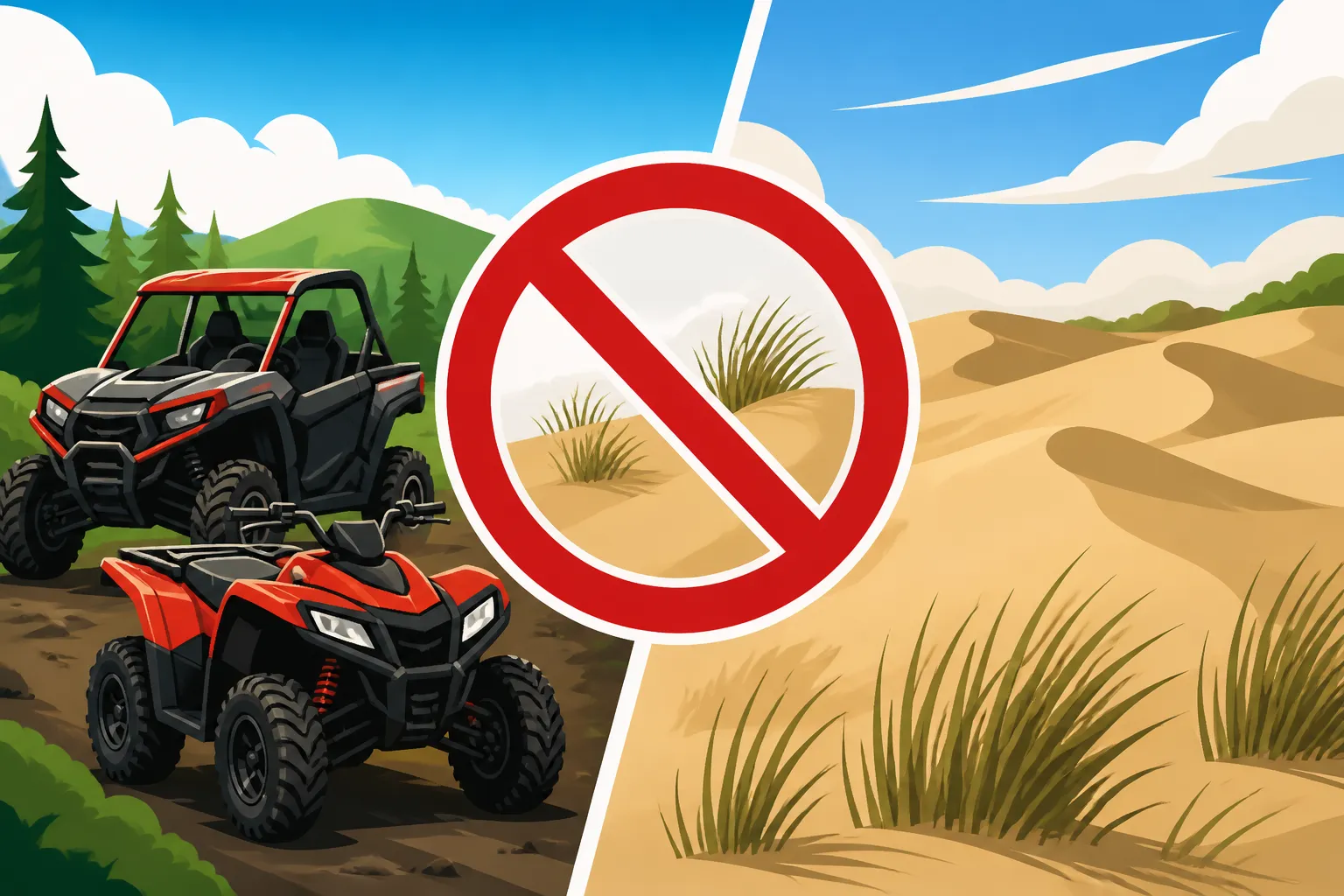
It’s a natural human inclination to see a vast, sandy expanse, especially one carved by the wind and waves, and think, "What an incredible place to explore on my ATV or UTV!" The allure of those rolling hills of sand, the thrill of carving lines where the ocean breeze meets the land, can be incredibly strong. Yet, time and again, riders encounter signs, regulations, and warnings that clearly state: "No off-highway vehicles on dunes." This isn't just arbitrary gatekeeping; it’s a critical measure to protect some of Nova Scotia’s most fragile and vital ecosystems. This guide will delve deep into why dunes are closed to OHV traffic, what makes these areas so vulnerable, and how respecting these rules ultimately benefits everyone, including the riding community.
The Environmental Vulnerability of Dunes
When you look at a dune, you might just see sand. But beneath that shifting surface, and clinging tenaciously to it, is a complex, delicate web of life that has adapted to harsh conditions. These aren't just sandpiles; they are dynamic natural features that serve crucial ecological and protective roles along our coastlines.
Fragile Ecosystems and Biodiversity
Dunes are home to specialized plants and animals that have evolved over millennia to thrive in a challenging environment. Think about marram grass, for example – its extensive root system is the unsung hero, weaving a dense, underground network that stabilizes the sand, preventing it from blowing away with every gust of wind or high tide. Without this plant life, the dune simply can't exist in its natural form for long. Riding an ATV or UTV, even just once, can tear up these delicate root systems, effectively unraveling years of natural stabilization.
Beyond the plants, dunes are critical habitats for a surprising array of wildlife. Many bird species, some of which are endangered or threatened, use dunes for nesting, feeding, and resting, especially during migration. Small mammals, insects, and reptiles also rely on these unique microclimates and vegetation for survival. The loud noise and physical disturbance of an off-highway vehicle can flush nesting birds, destroy eggs or young, and disrupt the feeding patterns of other animals. It’s not just about the visible damage; the unseen impact on the ecosystem's delicate balance can be devastating and long-lasting. For many species, the dune environment is their last refuge, and disturbing it can lead to local extinctions.
Erosion and Coastal Protection
Perhaps the most critical function of sand dunes is their role as a natural barrier against the destructive forces of the ocean. Imagine a powerful storm hitting the Nova Scotian coast – those dunes absorb the brunt of the waves, preventing saltwater inundation of inland areas and protecting communities, infrastructure, and freshwater resources. They act as a flexible, self-repairing wall, constantly shifting and rebuilding with the sands.
When OHVs ride on dunes, they break down the vegetation that holds the sand in place. This creates ruts and bare patches, which then become conduits for wind and water erosion. A small rut can quickly turn into a gully during a heavy rainfall, leading to accelerated sand loss. Over time, repeated disturbance weakens the entire dune system, making it far less effective as a protective barrier. A dune system that has been degraded by vehicle traffic is far more susceptible to breaching during a major storm surge, leading to significant coastal erosion and increasing the vulnerability of everything behind it. [Nova Scotia Beach and Dune Riding Bans] are in place precisely because of this critical protective role that dunes play. The cumulative effect of just a few vehicles can have enormous, irreversible consequences for the coastline’s natural defenses.
Nova Scotia's Legal Framework and Enforcement
The provincial government of Nova Scotia has taken a clear stance on the protection of these vulnerable coastal environments. This isn't just about local bylaws; it's enshrined in provincial legislation, making riding on dunes not just environmentally irresponsible but also illegal.
The Off-highway Vehicles Act and Regulations
In Nova Scotia, the primary legislation governing the use of ATVs and UTVs is the Off-highway Vehicles Act. This Act, along with its associated regulations, clearly delineates where and how OHVs can be operated. While it permits riding on designated trails, private land with permission, and certain municipal road trails, it expressly prohibits operating off-highway vehicles in environmentally sensitive areas, including beaches, sand dunes, and salt marshes. The intent is to protect these unique habitats from the immediate and long-term damage that vehicles can inflict.
These regulations aren't vague; they are specific about the types of terrain that are off-limits. The definition of a "dune" within the legal framework is broad enough to cover the entire delicate structure, from the foredunes closest to the ocean to the backdunes further inland. Furthermore, the Act mandates that riders adhere to the rules governing land access. Without explicit permission from the landowner (which, in the case of Crown land, would involve navigating complex environmental protection regulations that generally prohibit OHVs on dunes), riding in these areas is considered trespassing and an offense under the Act. Enforcement is taken seriously, as the ecological consequences of non-compliance are so severe.
Penalties and Consequences
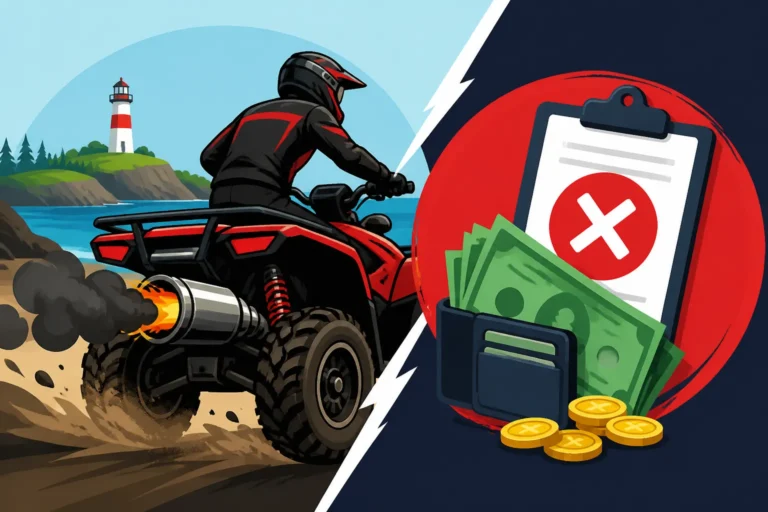
The legal repercussions for violating these prohibitions can be significant. Operating an OHV on a dune or beach in Nova Scotia can lead to substantial fines. These aren't just minor tickets; they are designed to be a strong deterrent against environmental damage. A rider caught in a prohibited area could face [Nova Scotia Minimum Fine of $250] for their first offense, and these fines can escalate considerably for repeat violations or in cases where significant environmental damage is proven. It’s not just about the initial fine; there could be additional charges for environmental damage, especially if a protected species or critical habitat is affected.
Beyond the immediate financial penalty, there can be other consequences. Your machine could be seized, requiring you to pay impoundment fees in addition to any fines. Furthermore, a conviction for an OHV offense can sometimes impact your insurance rates or even your ability to register an off-highway vehicle in the future. Law enforcement officers, including RCMP and Department of Natural Resources and Renewables conservation officers, are empowered to enforce these rules. They regularly patrol coastal areas known for their ecological sensitivity, and they are well-versed in identifying illegal OHV activity. It's simply not worth the risk to yourself, your wallet, or the environment to disregard these critical regulations.
Why These Restrictions Benefit Riders in the Long Run
While it might feel restrictive in the short term to have certain picturesque areas off-limits, the long-term benefits of protecting dunes ultimately circle back to the OHV community itself. It's about preserving the privilege of riding and ensuring a sustainable future for the sport.
Preserving Future Riding Opportunities
Every instance of illegal or irresponsible riding, especially in sensitive areas like dunes, erodes public trust and fuels negative perceptions of the entire OHV community. When a rider is caught tearing up a dune, it often makes headlines or sparks local outrage. This kind of negative publicity can lead to calls for stricter regulations across the board, potentially impacting access to legal trails or even leading to outright bans in other areas. It creates a "bad apple" effect, where the actions of a few can reflect poorly on the many responsible riders who conscientiously follow the rules.
By respecting restrictions on dunes and other sensitive areas, riders demonstrate a commitment to environmental stewardship and responsible recreation. This helps build positive relationships with landowners, environmental groups, and local communities, which is crucial for maintaining and expanding legal riding opportunities. When the public sees riders actively protecting nature, they are more likely to support initiatives like new trail development, [Nova Scotia Road Trails: Where You Can Ride], or continued access to existing areas. Investing in protective accessories like those from SuperATV for your legal trail machine also demonstrates a commitment to durability and responsible use within approved riding areas, further cementing a positive image for the sport. It's a collective responsibility that pays dividends in the form of continued access to the incredible riding Nova Scotia has to offer.
Redirecting to Sustainable Riding Areas
Nova Scotia boasts an extensive network of legal and well-maintained off-highway vehicle trails, largely thanks to the dedicated efforts of organizations like ATVANS and its member clubs. Instead of risking fines and environmental damage on fragile dunes, riders are encouraged to explore these sustainable alternatives. These trails are often designed specifically for OHV use, offering varying levels of challenge and incredible scenic views without compromising sensitive ecosystems. You can find everything from old rail beds turned into multi-use paths to more rugged forest trails.
Redirecting your riding energy to these designated areas not only keeps you on the right side of the law but also contributes to the longevity and quality of the trail system. When you use official trails, you're often contributing to their maintenance through permits and club memberships. This support ensures that these trails remain open, well-marked, and enjoyable for everyone. Choosing a machine set up for diverse terrain, perhaps with heavy-duty components from SuperATV, is a smart move for tackling the varied landscapes of Nova Scotia's legal trails, from rocky climbs to muddy sections, ensuring your focus remains on legitimate riding adventures rather than forbidden coastal areas. There are thousands of kilometres of incredible riding to be had; focusing on these legitimate opportunities ensures the sport thrives. [Nova Scotia ATV Trails: The ATVANS Network] provides a fantastic resource for discovering these amazing places.
Navigating Coastal Areas Responsibly
Riding an OHV along Nova Scotia's stunning coastline can be an incredible experience, but it comes with a heightened responsibility. It's about enjoying the beauty without leaving a detrimental mark. Understanding how to responsibly interact with these unique landscapes is key to being a good steward of the land.
Identifying Restricted Areas
Not all coastal areas are created equal when it comes to OHV access. The most crucial first step is to be able to identify what constitutes a restricted area. Generally, this includes any part of the beach that is above the mean high tide line, as well as all associated sand dunes, salt marshes, and coastal wetlands. These are typically characterized by fragile vegetation, soft sand, and signs of ecological activity (like bird nests or tracks). Look for the tell-tale marram grass, which is a strong indicator of a dune system.
Always assume an area is restricted unless you have explicit, documented proof that it is designated for OHV use. This means paying close attention to signage, which is often posted at access points to beaches and coastal trails. Many areas that look like public land are actually privately owned or protected Crown land where OHV use is prohibited. If in doubt, err on the side of caution and consult official trail maps or local authorities. A good rule of thumb is: if it's naturally vegetated sand above the water line, it's almost certainly off-limits. Understanding and respecting the difference between an open woods road and a fragile coastal dune is paramount.
Respecting Signage and Local Rules
Signage isn't just a suggestion; it's a direct communication of legal restrictions and environmental sensitivities. Ignoring "No OHVs," "Restricted Access," or "Sensitive Habitat" signs is not only illegal but also disrespectful to the environment and the communities working to protect it. These signs are placed for a reason, often after careful ecological assessment and community input. Sometimes, local municipalities or conservation groups have specific rules for certain coastal stretches, even beyond provincial legislation.
It's also important to be aware of the "unwritten" rules and local customs. Even if a particular path isn't explicitly signed, if it leads into an obvious dune system or sensitive wetland, a responsible rider understands that it's not a place for an OHV. Talking to local residents or members of [Nova Scotia Quad Clubs Worth Joining] can provide invaluable insight into which areas are appropriate for riding and which should be avoided. A well-prepared machine, perhaps equipped with a winch from SuperATV for tricky legal trail situations, also reflects a responsible rider's approach to being self-sufficient without resorting to destructive behaviors in forbidden zones. Compliance with all rules, both written and unwritten, helps foster positive relationships and ensures the long-highway vehicle community is seen as a responsible partner in conservation.
Advocating for Sustainable Access
Being a responsible OHV rider isn't just about avoiding prohibited areas; it's also about actively contributing to the sustainability of the sport. This means advocating for designated, well-managed trails and supporting organizations that work to create and maintain them. Join a local ATVANS club. These clubs are the backbone of Nova Scotia's trail network, performing countless hours of volunteer work, trail maintenance, and responsible advocacy. Their efforts ensure that there are safe, legal, and environmentally sound places for you to ride.
Engage in discussions about land use planning, attend public meetings, and make your voice heard in a constructive manner. By demonstrating a commitment to environmental protection and responsible recreation, the OHV community can build stronger partnerships with government agencies and environmental groups. This collaborative approach is far more effective than individual defiance when it comes to securing and expanding future riding opportunities. It's about showing that OHV enthusiasts care deeply about Nova Scotia's natural beauty and are willing to be part of the solution, not the problem. This proactive engagement is how we ensure that our children and grandchildren will also have incredible places to ride their machines, responsibly and legally.
To summarize the critical differences between riding areas:
| Feature/Area | Designated OHV Trails (e.g., ATVANS Network) | Private Land (with permission) | Coastal Dunes / Beaches (Restricted) |
|---|---|---|---|
| Legality | Legal & Encouraged | Legal with explicit owner permission | Illegal in most cases |
| Environmental Impact | Minimal (trails designed for resilience) | Varies (owner's discretion, can be fragile) | High (fragile ecosystems, erosion) |
| Signage | Often well-marked, indicating access and rules | May be marked as private, no trespassing | Often clearly marked "No OHVs," "Restricted Access" |
| Enforcement Risk | Low (if rules are followed) | Low (if permission is secured) | High (fines, machine seizure) |
| Public Perception | Positive (responsible recreation) | Neutral to Positive (respects private property) | Negative (environmental damage, disrespect) |
| Vegetation | Forested areas, established paths, managed for OHV use | Varies widely based on property | Marram grass, specialized coastal plants, sparse |
| Terrain | Varied: gravel, mud, rock, forest roads, old rail beds | Highly varied | Soft, shifting sand, highly susceptible to damage |
| Contribution | Supports trail maintenance, club activities | Supports landowner relations | Causes damage, public outcry |
Disclaimer
This article is for general informational purposes only and does not constitute professional advice. Laws, prices and regulations vary by location and change over time. Consult a qualified professional for guidance on your specific situation.