Nova Scotia Rules for Riding With a Dog
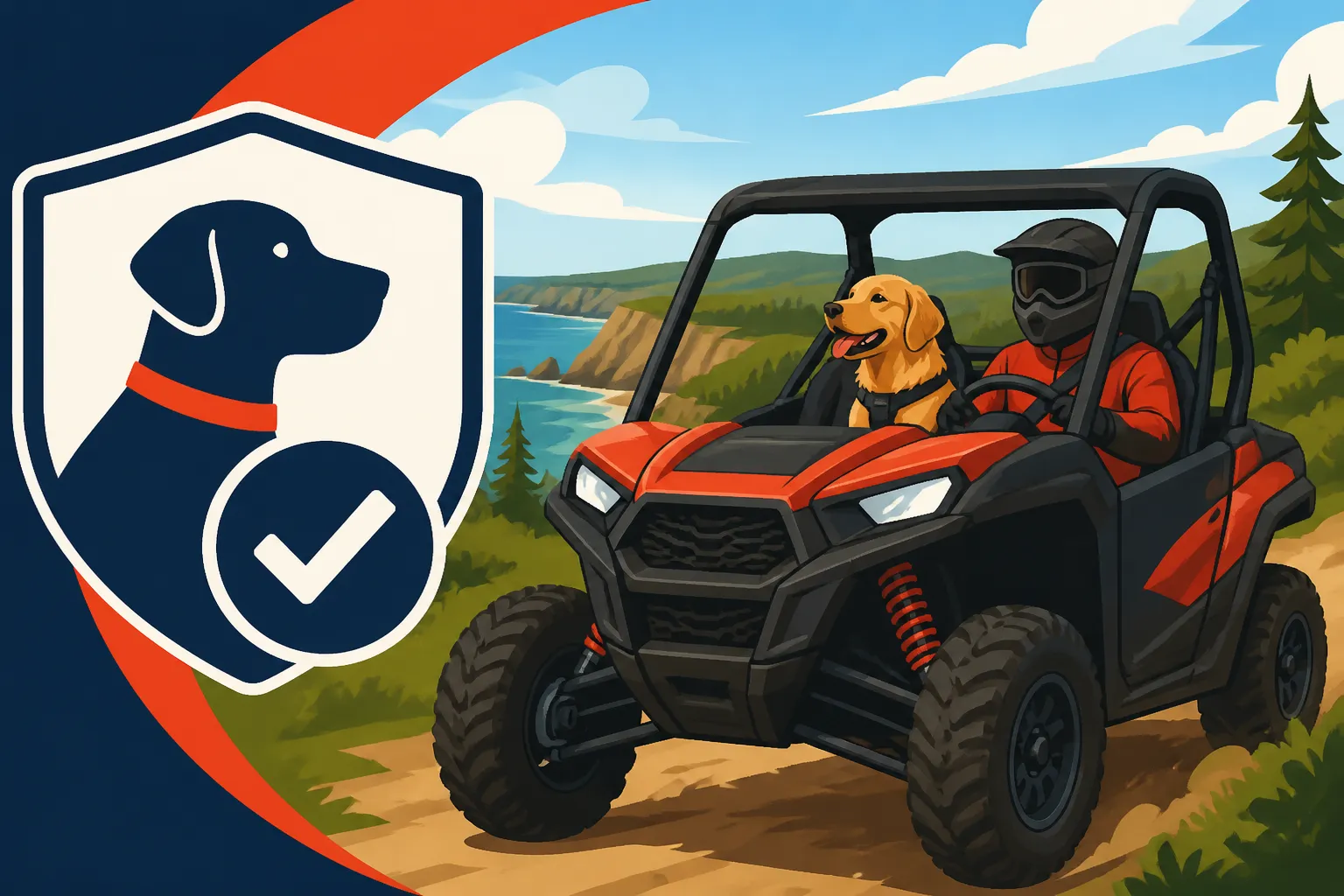
It's such a natural thought for many of us: heading out on the trails of Nova Scotia with our best furry friend by our side. The fresh air, the winding paths, the feeling of freedom – it all seems perfectly suited for a canine companion. But as wonderful as the idea sounds, bringing your dog along for an ATV or UTV ride in Nova Scotia isn't as simple as just letting them hop on. There are important safety considerations, practical logistics, and legal nuances to navigate, and this guide will help you understand them so you can keep both yourself and your beloved pet safe and happy.
The General Principle: Is it Allowed?
One of the first questions riders ask is whether the law specifically permits or prohibits riding an off-highway vehicle (OHV) with a dog in Nova Scotia. It’s a valid question, as we often look for clear-cut rules when planning our adventures.
The Lack of Specific "Dog" Laws
When you look through the Nova Scotia Off-highway Vehicles Act and its associated regulations, you'll find comprehensive details on things like [Nova Scotia Helmet Law for Riders], registration, and insurance. What you won't find, however, is a specific clause that says, "Thou shalt not ride with a dog on your ATV," or "Dogs must be secured in a crate of X dimensions." This silence in the OHV-specific legislation can be a source of confusion for many riders. Some might interpret this lack of explicit prohibition as a green light to bring their dog along in any manner they choose. "If it's not illegal, it must be allowed, right?" is a common line of thinking.
However, this absence of a direct rule doesn't grant carte blanche. Instead, it means that general principles of safety, animal welfare, and even common sense become paramount. The law relies on you, the owner and operator, to ensure that you are not creating a hazard for yourself, your dog, or others. It's similar to how there isn't a specific law about not driving your car with a loose watermelon rolling around the back seat, but if that watermelon causes a crash, you're still liable. The responsibility falls to the operator to maintain control and safety at all times.
Safety First: More Than Just a Passenger
Your dog is not a human passenger, and this is a critical distinction when it comes to riding an OHV. A human can follow instructions, hold on, brace for bumps, and express discomfort or fear verbally. A dog, while intelligent and often very well-trained, cannot do these things in the same way, nor do they fully comprehend the dangers of a moving vehicle on uneven terrain. This fundamental difference means that the safety considerations for a dog are far more complex than for a person.
The potential for serious injury to your dog, or for your dog to cause an accident, is significant if they are not properly secured. Imagine hitting a sudden bump or needing to swerve quickly; an unsecured dog could be violently thrown from the machine, sustaining severe injuries or even being run over. A sudden movement or bark from a startled dog could also easily distract you, causing you to lose control of the ATV or UTV. Therefore, simply having your dog "ride along" without appropriate restraints or enclosures is not only incredibly risky for the dog but also for you and anyone else on the trail.
Practical Considerations and Best Practices for Riding with Your Canine Companion
Since explicit rules are scarce, focusing on practical measures and best practices is crucial to ensure a safe and enjoyable experience for everyone involved, especially your dog.
Secure Transport Methods
The absolute number one priority when riding with your dog is secure transport. A dog should never be allowed to sit unrestrained on the seat, in your lap, or loosely in the cargo area of an ATV or UTV. The bumps, turns, and potential for sudden stops on Nova Scotia trails demand that your dog be completely contained and unable to move freely.
For ATVs, this usually means a purpose-built dog carrier or kennel designed to be mounted securely to the front or rear rack. These carriers must be robust, properly sized for your dog, and attached with heavy-duty straps or clamps that won't loosen on rough terrain. Some riders even fabricate custom platforms or cages to ensure maximum security. When looking for solutions, consider reputable brands known for their rugged accessories. For example, some riders have found success with specialized carriers that bolt onto existing racks or cargo boxes from manufacturers like SuperATV, which are known for their durable aftermarket accessories. Make sure any kennel has proper ventilation and that your dog cannot chew their way out.
UTVs (side-by-sides) generally offer more space and stability, making them a safer option for bringing a dog along. The cargo bed of a UTV can accommodate a larger, sturdy kennel or crate, which should always be secured with tie-downs to prevent shifting or ejection. Just like with ATVs, the kennel must be appropriately sized, allowing the dog to stand, turn around, and lie down comfortably, but not so large that they can be jostled excessively within it. Some UTVs even have dedicated pet areas or accessories that integrate seamlessly into the bed. No matter the machine, the goal is always to create a stable, protected environment that prevents escape, injury, or interference with the machine's operation.
Essential Gear and Comfort
Beyond securing your dog, you need to consider their comfort and protection from the elements and trail conditions. A day on the trails can be dusty, windy, noisy, and subject to changing weather, all of which can be taxing on a dog.
Eye protection, often called "doggles," is highly recommended, especially for dogs riding in an open cargo area or with their heads exposed to the wind. Dust, debris, branches, and insects can cause serious eye injuries. Similarly, ear protection can be beneficial, particularly for UTV riders, as the engine noise, wind, and general trail sounds can be surprisingly loud and potentially damaging to a dog's sensitive hearing over time. Hydration is also paramount. Always carry plenty of fresh water and a bowl, stopping frequently to offer drinks. Consider a cooling vest or mat for warmer days, and a blanket or extra padding for insulation during cooler rides or for added comfort on bumpy terrain.
Sun exposure, especially on the more open [Nova Scotia Road Trails: Where You Can Ride], can lead to sunburn, particularly on short-haired or light-colored dogs. Provide shade within their carrier if possible, or plan your rides during cooler parts of the day. Check your dog’s paws regularly for cuts, scrapes, or soreness, especially if they are walking on rocky or uneven terrain during breaks. It's also wise to bring a small first-aid kit specifically for your dog, containing essentials like antiseptic wipes, bandages, and any personal medications they may need.
Training and Acclimation
Not every dog is cut out for ATV or UTV riding. Their temperament, anxiety levels, and physical condition all play a role. Before you ever hit a serious trail, it’s vital to gradually introduce your dog to the machine and the concept of riding.
Start with the machine turned off, letting your dog explore it, sniff around, and even sit in their secured carrier. Use positive reinforcement, treats, and praise to create positive associations. Then, move to short periods with the engine idling, allowing them to get used to the noise and vibration. Once they seem comfortable, take very short, slow rides on flat, familiar ground. Observe their reactions carefully. Are they stressed, panting excessively, or trying to escape? If so, slow down the acclimation process or consider that riding might not be suitable for them.
A dog that is anxious or fearful will not have a good time and could even become a danger. A well-trained dog will be calm, obedient, and comfortable in their carrier. Ensure they respond to basic commands like "sit," "stay," and "quiet," even amidst distractions. Some dogs, particularly older or very young ones, may not handle the physical demands of a bumpy ride, so always assess your dog's individual suitability. Remember, the goal is to enhance your time outdoors, not to cause stress or potential harm to your beloved pet.
Legal & Ethical Overlaps: Other Regulations to Consider
While specific OHV laws might not mention dogs, other legal frameworks and community expectations certainly apply.
Animal Cruelty and Neglect Laws
Even without a specific "dog on ATV" law, provincial animal protection legislation is always in effect. If you transport your dog in a manner that causes them undue suffering, injury, or puts them in obvious peril, you could face charges under animal cruelty or neglect laws. This is where common sense and responsible pet ownership come into play.
For example, leaving a dog unsecured in the back of a UTV where it could easily fall out and be injured, or forcing a dog to ride in extreme heat without water or shade, could be viewed as neglect. An officer encountering such a situation might not be able to cite an OHV-specific dog rule, but they could certainly intervene based on animal welfare concerns. The onus is entirely on the owner to ensure the dog’s safety and well-being. Ignorance of the risks is not an excuse for exposing an animal to potential harm. Always assume that if an action causes harm to your pet, it could be seen as a violation of animal welfare standards, regardless of whether a specific OHV law exists.
Trail Specific Rules and Private Property
It's critical to remember that Nova Scotia's vast network of trails is a mix of Crown land, private land, and managed club trails. Each of these can come with its own set of rules regarding dogs. While [Nova Scotia Crown Land Riding Rules] might be more lenient, specific private woodlots or managed club trails operated by organizations like [Nova Scotia ATV Trails: The ATVANS Network] often have their own regulations.
Many landowners grant permission for trail use on the condition that riders respect their property and specific rules, which can include "no dogs allowed" or "dogs must be leashed at all times." Likewise, local ATV clubs work hard to maintain relationships with landowners and ensure responsible trail use. Disrupting wildlife, leaving dog waste, or having an off-leash dog bother other trail users (hikers, cyclists, or even other riders) can quickly lead to trails being closed to everyone. Before heading out, especially on unfamiliar trails or private property, always check for specific signage or consult with the local trail association or landowner for their rules regarding pets. Ignoring these rules not only puts your dog at risk but also jeopardizes access for all riders. Remember, obtaining [Nova Scotia Private Woodlot Permission] often comes with implicit or explicit conditions.
Liability and Insurance Implications
While we all hope for incident-free rides, it's prudent to consider the "what ifs." If your dog causes an accident or injury, whether by jumping out and startling another rider, running into a cyclist, or biting someone, the liability can fall squarely on you, the owner. Your general OHV insurance, which typically includes [Nova Scotia's $500,000 Liability Minimum], might cover some of these scenarios, but it's essential to understand the specifics of your policy.
Not all insurance policies are identical, and some might have exclusions related to animals. If your dog causes an accident that leads to property damage or personal injury, you could be held financially responsible for medical bills, repairs, or even legal fees. It's a wise move to review your [Nova Scotia Insurance Requirements for Riders] and speak with your insurance provider to clarify coverage regarding incidents involving your pet while riding. Understanding this before an incident occurs can save you a lot of grief and expense. If you were to be involved in an accident, you would also need to follow [Nova Scotia Accident Reporting Rules], and an incident involving a pet could add layers of complexity.
The "Why" Behind the Unwritten Rules: Risks and Responsibilities
Understanding the underlying reasons for caution can help foster a more responsible approach to riding with your dog.
Distraction and Control
An OHV demands your full and undivided attention. Operating an ATV or UTV involves constant vigilance, scanning the terrain, reacting to obstacles, and maintaining balance. A dog, even a very calm one, can be a significant source of distraction. A sudden bark at a squirrel, a shift in weight as they try to look around, or an attempt to jump out if startled can all compromise your ability to control the machine.
Unlike a human passenger who can anticipate movements and follow directions, a dog's reactions are often instinctive and unpredictable. A moment of distraction, such as turning your head to check on your dog or trying to comfort them, can be all it takes to hit an unseen rock, lose traction, or veer off course. This could lead to a rollover or collision, endangering everyone involved. For a [Nova Scotia Rules for a Side-by-Side Driver], while the machine is more stable, a dog moving unexpectedly in the cab can still distract, block controls, or cause discomfort that leads to an error.
Environmental Impact and Wildlife
Bringing your dog onto trails, especially in sensitive natural areas, carries a responsibility to minimize environmental impact and respect local wildlife. Dogs, by their very nature, are predators with keen senses. An off-leash dog can chase, harass, or even injure wildlife, including birds, deer, and smaller mammals. This can disrupt their breeding cycles, stress them, or drive them out of their natural habitats. Even a well-behaved dog can leave behind scents that can stress local wildlife.
Furthermore, dog waste, if not properly picked up and disposed of, can contaminate water sources, introduce parasites, and degrade the aesthetic appeal of trails. Many ATV trails pass through areas rich in biodiversity, and we, as riders, are stewards of these lands. Respecting the environment means ensuring your dog's presence doesn't negatively impact the delicate ecosystems or the enjoyment of other trail users. It's an important part of [Nova Scotia Trail Etiquette Locals Expect] and contributes to the sustainability of our riding areas. Thinking about [Nova Scotia Wildlife on the Trail] is crucial for all riders, and especially so when a dog is present.
Comparison of Dog Transport Methods for OHVs
| Method / Feature | ATV Carrier/Kennel (Rack-Mounted) | UTV Cargo Bed Kennel (Secured) | UTV Cab (Unsecured – NOT RECOMMENDED) |
|---|---|---|---|
| Safety Level | High (if properly secured and sized) | Very High (if properly secured and sized) | Very Low (high risk of injury/distraction) |
| Dog Comfort | Moderate (can be exposed to elements, limited movement) | High (more space, can be covered for shade/weather) | Moderate (initially, but highly unsafe) |
| Rider Distraction | Low (dog contained, minimal interaction) | Low (dog contained, minimal interaction) | High (dog can move, bark, interfere with controls) |
| Weather Protection | Poor (unless covered, exposed to rain, wind, dust) | Good (can be covered, more sheltered space) | Poor (fully exposed, even if in cab, depends on UTV type) |
| Ease of Loading/Unloading | Moderate (lifting required for some dogs onto racks) | Easy (ground level access to cargo bed) | Easy (jumps in/out) |
| Cost | Moderate to High (quality carriers, mounting hardware) | Moderate to High (quality kennels, tie-downs) | None (but high potential cost in injury/damages) |
| Best For | Smaller to medium dogs, shorter rides, focused trail riding | Medium to large dogs, longer rides, more comfort-focused | Never recommended for any dog on trails |
When considering riding with your dog in Nova Scotia, the guiding principle should always be safety, responsibility, and respect for both your pet and the environment. While the laws might not explicitly cover every nuance, your actions as a rider and pet owner are always subject to broader legal principles of animal welfare and general safety regulations. By choosing appropriate transport, prioritizing comfort and protection, properly training your dog, and being mindful of trail-specific rules and environmental impacts, you can create a memorable and safe experience for you and your furry co-pilot.
Disclaimer
This article is for general informational purposes only and does not constitute professional advice. Laws, prices and regulations vary by location and change over time. Consult a qualified professional for guidance on your specific situation.