Pugwash, Wallace and Maccan
It’s a common scenario: you’ve got your ATV or UTV all prepped, maybe even added some great accessories like a windshield or a winch, and you’re itching to explore Nova Scotia’s beautiful landscapes. But then the nagging question hits you – can you actually get from Point A to Point B by riding on a public road in a small town? The confusion around where and how off-highway vehicles (OHVs) can legally access public roads is a major source of frustration for many riders. This guide is here to cut through that confusion, specifically focusing on the unique road trail opportunities in the charming communities of Pugwash, Wallace, and Maccan, helping you understand the local rules and ride with confidence.
Navigating Nova Scotia's Road Trail Opportunities in Pugwash, Wallace, and Maccan
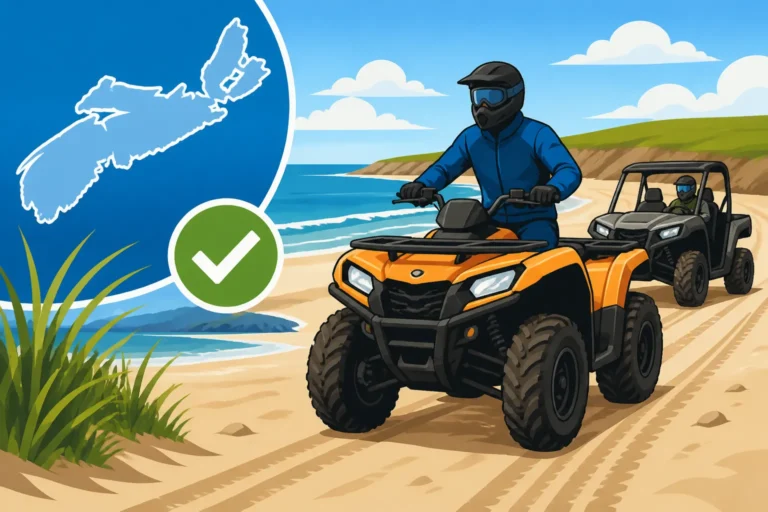
There's nothing quite like the freedom of an ATV or UTV, letting you venture into places cars just can't reach. However, linking those incredible off-road trails often requires a bit of pavement, and that's where the rules can get tricky. Thankfully, some forward-thinking communities in Nova Scotia have embraced the potential of OHV tourism and access, creating designated road trails that allow for legal passage. Pugwash, Wallace, and Maccan are fantastic examples of this, offering riders a unique blend of rural charm and expanded riding possibilities.
Understanding Municipal Road Trails in Rural Nova Scotia
When we talk about "road trails" for OHVs in Nova Scotia, it's crucial to understand that we're not talking about simply riding on any public road you please. These are specific, designated sections of municipal roads where off-highway vehicles are explicitly permitted to operate under certain conditions. They are often marked with signage, indicating that OHVs are allowed and outlining any specific local rules. For communities like Pugwash, Wallace, and Maccan, these road trails are generally designed to connect existing off-highway trail networks, provide access to local services like gas stations or restaurants, or allow riders to move between different trailheads without having to trailer their machines.
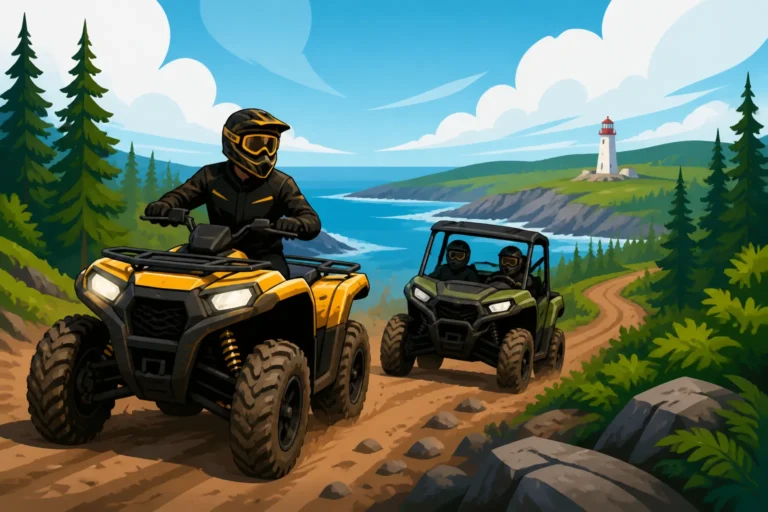
Imagine you're deep on a fantastic club trail near Pugwash, enjoying the coastal breezes, but your fuel tank is starting to look a little low. Instead of having to cut your ride short and find a way to trailer your machine, a designated road trail segment could allow you to legally ride into town, fill up, grab a bite, and then get right back to the adventure. These aren't high-speed highways; they're generally quieter, local roads where the focus is on safe, shared use. Understanding that these are specific, mapped routes, rather than a blanket permission to ride anywhere, is the first step to enjoying these opportunities without running afoul of the law. You'll find that these designated routes are often part of a broader network, and knowing the specifics can greatly enhance your riding experience, allowing you to seamlessly transition from dirt to asphalt and back again.
Why These Communities Embraced OHV Road Access
The decision by communities like Pugwash, Wallace, and Maccan to allow OHV access on certain roads wasn't made lightly. It stems from a recognition of the significant economic and recreational benefits that responsible off-highway vehicle use can bring. Local businesses, from gas stations to convenience stores and diners, see increased traffic from riders who can now easily access their services. Furthermore, it enhances the appeal of the region for OHV tourism, drawing visitors who want to experience the vast trail networks, especially when they can be conveniently linked.
These communities have often participated in the provincial [Nova Scotia's 2018 Road Trail Pilot] program or similar initiatives, which allowed for controlled trials of OHV access on public roads. The success of these pilots demonstrated that with clear rules and responsible riders, OHVs and regular vehicle traffic can coexist safely. It's a win-win: riders get expanded access and convenience, and the local economy gets a boost. It also reflects a cultural understanding of OHVs as an important part of rural life and recreation in many parts of Nova Scotia. This forward-thinking approach means that your riding experience isn't just about the trails; it's about seamlessly integrating your adventure with the local community, enjoying what these areas have to offer, and extending the life of your ride without unnecessary detours or logistical headaches.
Essential Rules for Riding Off-Highway Vehicles on Public Roads in These Areas
Just because certain roads are designated as "road trails" doesn't mean it's a free-for-all. There are strict rules in place to ensure safety for everyone, whether you're on a quad, a side-by-side, or in a car. Disregarding these regulations can lead to serious fines and risks, so it's absolutely paramount to be fully informed before you hit the pavement. These rules are consistent across Nova Scotia's road trail network, including in Pugwash, Wallace, and Maccan, so what applies here will largely apply to other similar designated areas.
Licensing, Registration, and Insurance: The Non-Negotiables
Before you even think about putting a tire on a designated road trail in Pugwash, Wallace, Maccan, or anywhere else in Nova Scotia, you must ensure your off-highway vehicle (OHV) and your riding credentials are 100% in order. This isn't just good practice; it's the law. First and foremost, [Nova Scotia Requires Registration and Insurance] for all OHVs operating on public land or designated road trails. This means your machine needs to be properly registered with the provincial registry, and you must carry valid liability insurance. Without these two critical pieces of paperwork, you're not just risking a fine; you're operating illegally and exposing yourself to significant financial risk in the event of an incident.
Beyond the machine, the operator needs to be properly licensed. You must hold a valid driver's license to operate an OHV on a public road trail. A learner's permit will not suffice. For new residents, it's also critical to understand the process for [Nova Scotia Registration for a New Resident] to ensure your machine from 'away' is properly documented here. Remember, a Nova Scotia officer can ask to see your documentation at any time, and not having it can lead to immediate penalties. These fundamental requirements are the bedrock of safe and legal OHV operation on any public road, ensuring accountability and preparedness for all riders.
Speed Limits and Safe Operating Practices
When you transition from a winding woods trail to a designated road trail in a community like Pugwash, Wallace, or Maccan, your mindset and operating speed need to change immediately. The speed limit on these designated road trails is strictly enforced and is generally much lower than for regular vehicle traffic. You should expect a maximum speed of [25 km/h on a Road Trail]. This isn't just a suggestion; it's a legal limit designed to ensure safety, especially given the shared nature of these roads with pedestrians, cyclists, and other vehicles.
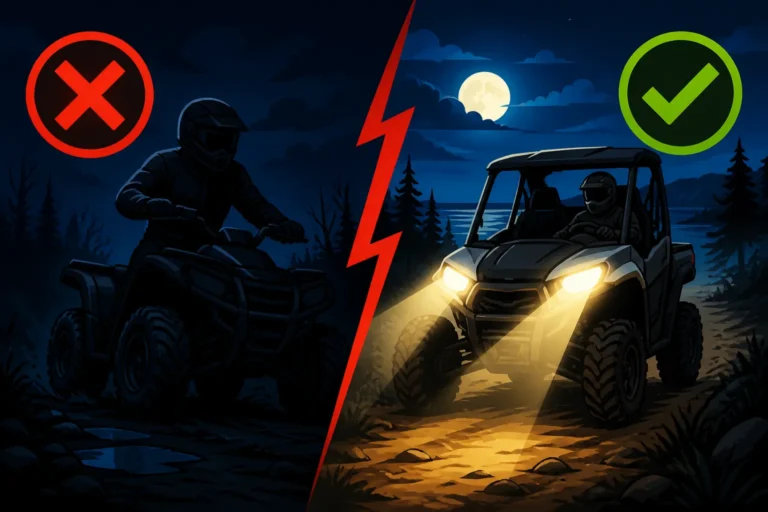
Beyond the speed limit, safe operating practices are crucial. You must always ride single file, not side-by-side, and you must yield to all other traffic, including pedestrians and bicycles. Passing another vehicle or OHV on a road trail is also prohibited. Think of it as sharing a pathway, not racing. It’s about being courteous and predictable. Furthermore, the [Nova Scotia Road Trail Operating Hours] may have specific restrictions, often limiting riding to daylight hours or half an hour before sunrise and after sunset, with proper lighting. It's not just about what your machine can do, but what the law permits and what common sense dictates when operating in a shared community space. Being mindful of these practices not only keeps you safe but also helps maintain the positive reputation of OHV riders within these welcoming communities.
Required Equipment for Road Trail Riding
Operating an OHV on a designated road trail means your machine needs to meet certain equipment standards that might not be strictly necessary for off-road-only use. These requirements are primarily focused on visibility and safety, ensuring you're seen and heard appropriately by other road users.
Here's a quick rundown of essential equipment:
| Requirement | Description |
|---|---|
| Helmet | [Nova Scotia Helmet Law for Riders] mandates approved helmets for all OHV operators and passengers. This is non-negotiable. |
| Headlights | Your machine must have a working headlight that can illuminate objects at a sufficient distance, especially if operating near dawn or dusk. |
| Taillights & Brake Lights | A red taillight and brake light must be present and functional, clearly visible from behind. |
| Muffler/Exhaust | Your OHV must be equipped with a muffler system that complies with provincial noise regulations. Modified or excessively loud exhausts are prohibited. |
| Rearview Mirror | At least one working rearview mirror is often required for road use, allowing you to see traffic approaching from behind. |
| Horn | A working horn is necessary to alert others to your presence. |
Beyond the machine itself, remember personal protective equipment. While the helmet is mandatory, I always recommend sturdy boots, gloves, and protective outerwear. While most modern ATVs and UTVs come factory-equipped to meet many of these requirements, it's always wise to double-check, especially if you've made modifications. For instance, if you're upgrading components, ensuring your new setup meets regulatory standards is key. A lot of riders consider aftermarket accessories for their machines, and brands like SuperATV offer a wide range of products from full doors for UTVs to protective elements that enhance both safety and compliance. Just make sure any additions like a new light bar are switched off when on public roads, focusing only on the legally required lighting.
Practicalities and Benefits of Riding Through Pugwash, Wallace, and Maccan
So, now that you know the rules and what’s required, let's talk about the practical advantages and the pure joy of riding in areas like Pugwash, Wallace, and Maccan. These communities are not just dots on a map; they are vibrant parts of Nova Scotia’s OHV landscape, offering much more than just a place to legally cross a road.
Connecting to the Wider Trail Network
One of the most significant benefits of designated road trails in these areas is their ability to act as crucial connectors. Nova Scotia boasts an incredible network of [Nova Scotia ATV Trails: The ATVANS Network], maintained by passionate volunteers from numerous local clubs. These trails often span vast distances, but sometimes, a crucial link across a small community or to a remote trailhead is needed. The road trails in Pugwash, Wallace, and Maccan fill this gap, allowing you to bridge sections of the trail system that would otherwise be isolated.
This connectivity means you can plan longer, more ambitious rides. Imagine starting a ride deep in the Cumberland County woods, needing to cross through Wallace to pick up another segment of trail that leads towards the Northumberland Shore. These road trail connections make such multi-day excursions or extensive loops not just possible, but smooth and enjoyable. It transforms fragmented trails into a cohesive network, giving you more opportunities to explore without the constant need to load and unload your machine onto a trailer. This thoughtful integration of road access vastly expands your playground, ensuring that you can explore more of Nova Scotia’s stunning scenery and truly experience the diverse riding environments our province offers.
Supporting Local Businesses and Community Spirit
Riding through these designated road trail communities isn't just about getting from one trail to the next; it's an opportunity to engage with and support the local economy. As you traverse through Pugwash, known for its quaint charm and delicious shortbread, or the historic shipbuilding village of Wallace, or the small community of Maccan, you'll find opportunities to patronize local businesses.
Think about pulling into a gas station in Pugwash to refuel your machine and grabbing a cold drink and a snack. Perhaps you stop at a local diner for a hearty meal, or pick up supplies at a general store. These small acts of patronage directly benefit the communities that have welcomed OHV riders. Many of these businesses are keen to cater to the ATV and UTV crowd, recognizing the positive impact you have. It's a fantastic way to give back to the areas that provide these valuable riding opportunities and truly immerse yourself in the unique character of rural Nova Scotia. Look out for local events too; sometimes clubs in these areas host poker runs or rallies that use these very road trails to link different checkpoints, fostering a great sense of community among riders.
Planning Your Ride: Fuel, Food, and Lodging
When planning a ride that incorporates municipal road trails, particularly for a longer day trip or an overnight adventure, it’s essential to consider logistics like fuel, food, and potential lodging. The ability to ride directly into a community like Pugwash or Wallace means you can access these amenities far more easily than if you were restricted to off-road trails alone.
A quick check of the map will show you gas stations strategically located along or near these designated routes. Always factor in your machine's [Nova Scotia Fuel Range Between Villages] and plan your stops accordingly, especially if you're exploring more remote trail sections before or after the road trail. For food, many small towns pride themselves on their local eateries, offering everything from hearty home-cooked meals to fresh seafood. Don't be shy to stop and ask locals for recommendations! If you're planning an overnight stay, some communities or nearby areas might offer campgrounds or small inns that are accustomed to hosting OHV riders. Checking ahead for lodging that welcomes machines can make your trip much smoother. Knowing these services are accessible by your quad or side-by-side means you can pack lighter and enjoy the convenience of local amenities, enhancing the overall quality and duration of your adventure. Perhaps you've outfitted your UTV with a cargo box from SuperATV, making it easier to carry extra gear for those longer excursions that require more stops for supplies.
Common Misconceptions and Local Riding Etiquette
Even with clear rules and designated access, some misunderstandings about riding OHVs on roads persist. It’s vital to address these head-on and emphasize the importance of good etiquette to ensure these valuable road trail opportunities continue to be available. The success of these programs relies heavily on riders being responsible and respectful members of the community, both on and off the trail.
Dispelling Myths About "Street Legal" OHVs
One of the biggest misconceptions in Nova Scotia is the idea of a "street legal" ATV or UTV in the same vein as a car or motorcycle. While designated road trails permit OHV use on specific roads under certain conditions, this is fundamentally different from a machine being generally "street legal" to drive on any public road. The [Nova Scotia Road Trails Act Explained] specifically defines how and where OHVs can operate on public roads, and it's a very limited scope.
You cannot simply add turn signals, a horn, and a license plate to your ATV and expect to drive it down the highway like a car. The permissions granted in Pugwash, Wallace, Maccan, and other road trail communities are precise, confined to specifically identified municipal roads, often with strict speed limits and operational hours. Trying to operate an OHV on a non-designated public road, or outside the permitted parameters, can lead to significant penalties, including fines for an [Nova Scotia Fines for an Unregistered Machine] machine, even if it is registered, because it's being used improperly. Always verify the exact routes that are designated and stick to them. Don’t assume that because one road allows it, all roads do. This precision in understanding the rules is crucial for avoiding legal trouble and maintaining the privilege of road trail access.
Respecting Residents and Shared Spaces
Finally, and perhaps most importantly, riding through communities like Pugwash, Wallace, and Maccan on designated road trails requires an elevated level of respect and courtesy for the residents and other users of these shared spaces. Remember that while these roads are open to OHVs, they are also residential areas, places where people live, work, and play.
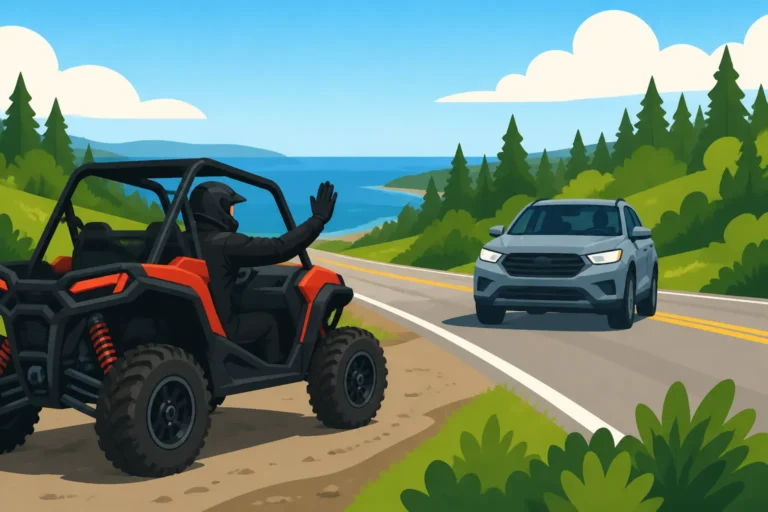
Keep your speed low, adhere strictly to the [25 km/h on a Road Trail] limit, and be mindful of noise levels. Avoid excessive throttle use or "showing off," as this creates unnecessary noise and can quickly erode public support for OHV access. When passing homes, schools, or businesses, be particularly courteous. Slow down, wave if you make eye contact, and minimize dust or disturbance. Yielding to pedestrians, cyclists, and all other vehicles is not just a legal requirement but a demonstration of good manners. Parking your machine responsibly and not blocking access for others is also key. The future of road trail access in Nova Scotia depends heavily on the behaviour of riders today. By being a responsible and respectful ambassador for the OHV community, you help ensure that these valuable connections remain open for everyone to enjoy for years to come.
Disclaimer
This article is for general informational purposes only and does not constitute professional advice. Laws, prices and regulations vary by location and change over time. Consult a qualified professional for guidance on your specific situation.