Where the 146 New Kilometres Will Run
Navigating the ever-evolving landscape of off-highway vehicle (OHV) access in Nova Scotia can sometimes feel like trying to find a new trail with an old map. Riders across the province are eager for more places to explore, and the news of expanding road trail networks is music to many ears. This guide will walk you through the exciting details of where the promised 146 new kilometres of road trails are slated to run, helping you envision how these vital connections will change your riding experience.
Understanding Nova Scotia's Road Trail Expansion
The idea of riding your ATV or UTV on certain public roads used to be a dream for many Nova Scotians, often reserved for short dashes to gas stations or quick hops between trails. But that landscape has been steadily changing, giving us all more opportunities to connect our rides and communities. This expansion isn't just about adding more linear kilometres of dirt path; it's about weaving a richer tapestry of accessible routes throughout the province.
The Context of the Pilot Program
It’s important to remember that this current wave of expansion didn’t just appear out of nowhere. It’s the result of years of advocacy and a cautious, yet ultimately successful, approach by the provincial government. A pilot program for road access began back in 2018, experimenting with designated routes in a handful of communities. This initial phase was crucial in understanding the practicalities, challenges, and immense benefits of allowing OHVs on certain public roads. The success of that pilot paved the way for the Off-Highway Vehicles Act being officially [An Act Proclaimed in 2023], solidifying the framework for broader, permanent access. Before this, riders were largely confined to off-road trails, which often meant trailering their machines significant distances just to get to a starting point.
The initial pilot was a measured approach, starting small to learn what worked and what didn't. It involved designated segments, often secondary roads, that allowed OHV users to connect trail sections, access services, and even ride directly from their homes in some areas. This cautious start helped to address public concerns about safety and noise while proving that with proper regulations and signage, OHV road use could be safely integrated into communities. The lessons learned from [A Pilot That Started in 2018] are directly influencing how the new 146 kilometres are being strategically planned and rolled out across the province.
What "New Kilometres" Really Means
When we hear about "new kilometres," it's easy to picture freshly cut trails winding through pristine wilderness. While some of that might happen as clubs develop new connections, the bulk of these 146 kilometres are focused on road trails. This means designated sections of existing public roads that are now opened up to OHV traffic. Think of it as connecting the dots, filling in the gaps between existing trail networks, or providing routes directly into towns where riders can access amenities.
These aren't necessarily long, continuous stretches designed for high-speed travel. Instead, they are often shorter, strategic links that transform disconnected trail segments into cohesive routes. For example, a new kilometre might allow you to exit a rail trail, traverse a short section of municipal road, and then re-enter another trail, or even reach a gas station or restaurant. This kind of connectivity is a game-changer for day trips and multi-day adventures alike, making the provincial network feel much more integrated and user-friendly.
Geographic Overview: Where to Expect the New Connections
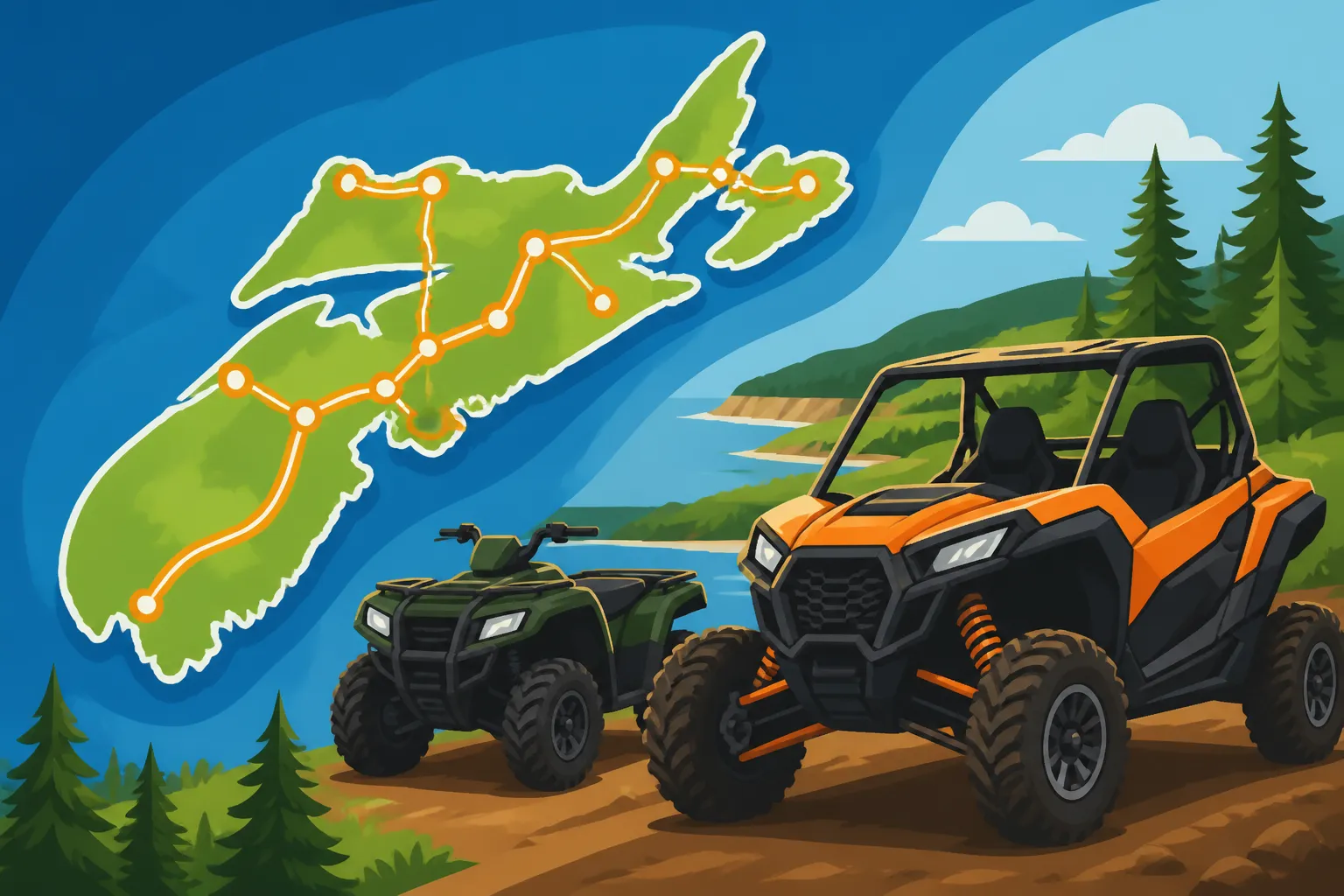
The goal of this expansion is not to concentrate new access in just one region, but to create a more integrated network across the entire province. This widespread approach ensures that riders from all corners of Nova Scotia can benefit from enhanced connectivity and access to local services. The idea is to empower communities to participate in the OHV economy and offer more for residents and visitors alike.
Expanding Across the Province
The province-wide scope means that virtually every corner of Nova Scotia is being considered for these vital connections. The intent is to have [Sixteen Counties in Scope] for some form of road trail development, ensuring that the benefits of the OHV Act are broadly distributed. This isn't just about connecting major towns; it's about providing access in rural communities that might otherwise be cut off from larger trail systems. This decentralized approach respects the diverse riding environments across the province, from the rugged coastlines to the dense inland forests.
This broader reach means more opportunities for local businesses. Imagine riding into a small village, stopping for lunch, grabbing supplies, or even needing a quick repair. These new connections are designed to facilitate such interactions, bringing riders directly to the doorsteps of local shops and services. It helps transform riding from purely a recreational activity to one that also supports local economies, building a stronger connection between riders and the communities they pass through.
Specific Areas of Growth
While the precise routes and exact kilometres are always subject to local municipality approvals and ongoing development, the general areas of focus for this expansion are known. Based on what we understand about the province's plans, the goal is to build on existing strengths and fill in critical gaps.
-
Cape Breton Connections: The beautiful, rugged terrain of Cape Breton Island has long been a draw for OHV enthusiasts, and this expansion will only enhance that appeal. Expect to see significant new links around areas like [Mira Gut and Marconi Tower Road], connecting riders through historical and scenic routes. Further south, the region around [Loch Lomond Road and Framboise] is also a key target for new road trail sections, aiming to create more continuous loops and access points in these often remote, but stunning, landscapes. And up further on the west side of the island, areas around [Mabou, Port Hood and Cranton Crossing] are also set for increased connectivity, which is fantastic news for riders looking to explore that dramatic coastline.
-
Annapolis Valley and Western Nova Scotia: In the Annapolis Valley, famous for its agricultural lands and rolling hills, the focus will likely be on connecting existing rail trails and woods roads. The region around [Nictaux and the Northern Spur Line] is a prime candidate for these new kilometres, bridging gaps that previously forced riders onto less-than-ideal routes. This will allow for more seamless travel through the Valley and into the South Shore. Moving further west, areas in [Nova Scotia Road Trails in Yarmouth] are also poised for expansion, linking up communities and potentially providing access to some of the more remote, rugged areas that western Nova Scotia is known for. The goal here is to make long-distance touring more viable, enabling riders to explore the full breadth of the province without constantly trailering their machines. For instance, imagine being able to spend a full day [Riding Between Tusket and Pubnico] with greater ease, enjoying the scenery and stopping at local establishments.
-
Northumberland Shore and Central Nova Scotia: The Northumberland Shore, with its warm waters and vibrant communities, will also see new road trails. Communities like [Pugwash, Wallace and Maccan] are expected to benefit from enhanced connectivity, creating more opportunities for riders to experience this picturesque part of the province. Similarly, central areas like [Sherbrooke and Port Hilford] are likely to see strategic additions, making it easier to navigate through the heart of Nova Scotia’s forests and along its many rivers. These new links will reduce the need for complicated detours, allowing for a more direct and enjoyable journey.
-
Halifax and Guysborough Area: While Halifax itself isn't a typical OHV destination, the surrounding rural areas are critical. Expect connections [Nova Scotia Road Trails Near Halifax] to enhance access to the wider trail networks that often begin just outside the city's sprawl. In Guysborough County, a region rich in natural beauty and extensive wilderness, the expansion will be transformative. The areas along [Mooseland Road and Old Guysborough Road] are prime locations for new road trail segments, providing crucial links through this vast and often remote territory. These connections will not only benefit local riders but also open up new possibilities for tourism in these quieter, yet incredibly scenic, parts of the province.
Connecting Communities and Trail Networks
The true genius of these 146 new kilometres lies in their ability to bridge existing gaps. Before this expansion, riders often faced dead ends or required extensive detours to get from one major trail system to another. These new road trail segments are specifically chosen to create seamless connections, making it much easier to plan and execute longer, more adventurous rides. Whether it’s linking a rail trail to a logging road network or providing access directly into a village, the goal is always better flow.
This improved connectivity means that those epic multi-day rides, where you traverse entire regions, become far more achievable. You won't have to constantly worry about where the trail ends or how you'll get to the next section. Instead, you can focus on enjoying the ride, the scenery, and the unique character of Nova Scotia’s diverse landscapes. For instance, [Nova Scotia Road Trails: Where You Can Ride] provides an overview, but these new kilometres are the actual arteries that make those broader connections possible, allowing for easier access to essential services and attractions. This will ultimately allow riders to explore more of the province and truly immerse themselves in what Nova Scotia has to offer.
The Practical Impact for Riders
For those of us who live for the thrill of the trail, these new kilometres represent more than just lines on a map; they translate directly into tangible benefits for every ride. From quick runs into town for supplies to ambitious multi-day expeditions, the practical impact is significant and will transform how many of us plan our adventures. It’s about making the entire riding experience more accessible, more enjoyable, and more efficient.
Enhanced Access to Services
One of the biggest frustrations for OHV riders has always been the inability to easily access essential services while on a long ride. Running low on fuel, needing a quick bite, or realizing you forgot a crucial piece of gear can cut a great day short if you can’t get to a town. These new road trails are specifically designed to alleviate that pain point. They’ll connect trail systems directly to villages and towns, allowing you to ride your machine to a gas station, a corner store, or a restaurant.
Imagine needing a quick repair – maybe a tire patch kit, or even some replacement parts for your machine. Being able to access a town street to get to an auto parts store is incredibly convenient. You might even find some specialized accessories, perhaps from a brand like SuperATV, to help you out in a pinch if the store carries them! This direct access eliminates the need to load your machine onto a trailer just for a quick errand, saving you time and hassle. It also means you can support local businesses directly, which is a win-win for everyone involved. For riders mapping out their journey, considering [Nova Scotia Fuel Range Between Villages] becomes less of a concern when you know there are accessible fuel stops along the newly opened road trails.
Planning Longer Rides and Overnight Stays
With these new connections, the scope of your riding adventures can expand dramatically. No longer will you be confined to isolated loops or segments that require extensive trailering between them. The 146 new kilometres are all about linking up larger sections, making multi-day trips and overnight stays much more feasible and enjoyable. You can now realistically plan to depart from one community, ride through several others, and end up in a different town for the night, enjoying local hospitality.
This connectivity opens up possibilities for destinations that were previously too challenging to reach in a single day or required an inconvenient trailer transport. You can explore [Nova Scotia Trails for a Weekend Trip] with much greater confidence, knowing that you can connect from one fantastic area to another. Moreover, finding [Nova Scotia Trails With Lodging Nearby] becomes simpler when designated road trails lead you right to accommodating inns or campgrounds. This new network allows for a true touring experience, where the journey itself is as rewarding as the destination, enabling you to discover more of Nova Scotia’s hidden gems.
Navigating the New Sections
While the expansion is exciting, it also means a greater responsibility for riders to stay informed and ride safely. It's crucial to understand that these are public roads, even if they're designated for OHV use, and they come with their own set of rules and considerations. Always make sure you're checking official maps and resources for the most current information on new road trail designations. Just because a road looks quiet doesn't mean it's an approved OHV route.
It’s not just about knowing where you can ride, but how. Pay close attention to [Nova Scotia Road Trail Signage], as these signs are your primary guide for authorized routes and specific regulations. Before heading out, especially on new or unfamiliar sections, consult the provincial OHV trail maps or municipal websites to ensure you're on a legal route. Being prepared with updated information ensures a smooth and enjoyable ride, keeping you in compliance with local regulations and respecting the communities you pass through.
Important Considerations for Riding on New Road Trails
As exciting as the expansion of road trails is, it comes with a renewed emphasis on responsible riding. These aren't just an extension of your typical wilderness trail; they are shared spaces, and understanding the nuances of riding on them is paramount for safety and continued access. It's about blending the freedom of OHV riding with the responsibilities of being a road user.
Following the Rules of the Road
When you transition from a dedicated off-highway trail to a designated road trail, you're entering a different regulatory environment. These routes come with specific rules designed to ensure the safety of all users, not just OHV riders. It's not a free-for-all; think of it as sharing the road with other vehicles, pedestrians, and cyclists, even if the traffic is light. This means adhering to posted speed limits, which on most road trails is a strict [25 km/h on a Road Trail]. Slow and steady wins the race, especially in residential areas or near businesses.
Furthermore, general road etiquette applies. Riders are typically required to travel [Nova Scotia Riders Travel Single File], not side-by-side, to minimize obstruction and ensure visibility. You must also [Nova Scotia Riders Yield to Every Vehicle], just as you would in a car, giving priority to other traffic. These rules are in place not to restrict your fun, but to integrate OHVs safely into the existing road network. Familiarizing yourself with the full suite of [Nova Scotia Road Trail Rules Explained] before you venture out is absolutely essential.
Equipment and Safety
Safety on road trails extends beyond just following the rules; it also involves ensuring your machine and your gear are up to snuff. Because you'll be riding on pavement or gravel roads alongside other vehicles, certain equipment becomes even more critical. First and foremost, a properly fitted and approved helmet is non-negotiable. [Nova Scotia Helmet Law for Riders] requires it, and for good reason – it's your primary protection.
Visibility is another huge factor. Your machine must have functioning [Nova Scotia Headlight and Tail Light Rules] to be legal on these routes, especially if you're riding near dawn or dusk. Bright lights make you visible to other drivers and help you see potential hazards. Additionally, your machine must be both registered and insured. [Nova Scotia Requires Registration and Insurance] for all OHVs operating on public land or designated road trails. Having proper liability insurance is crucial in case of an accident. And speaking of safety, ensuring your machine is well-equipped for these varied conditions is paramount. Having reliable tires, proper lighting, and maybe even a durable windshield (perhaps from a brand like SuperATV) can make all the difference when you're transitioning between trail and road. For those longer hauls and mixed-terrain adventures, you might even consider utility upgrades like robust cargo boxes or specialized racks, which many riders look for from aftermarket providers like SuperATV to enhance their machine's carrying capacity and versatility. Having bright, reliable LED lights, perhaps an upgrade from SuperATV, is essential for safety, especially if you find yourself out near dusk or dawn on these connector roads.
Respecting the Shared Space
Riding on designated road trails is a privilege, and it’s one we want to keep. This means a commitment to respectful and courteous riding that considers everyone else in the community. When you’re riding through a town or past homes, remember that your noise levels, dust, and general presence can impact residents. Take care to ride quietly, especially in residential zones, and make an effort to minimize any disturbance. [Riding Quietly Past Coastal Homes] is not just good manners; it helps maintain positive community relations.
This also means being extra mindful of pedestrians, cyclists, and children who might be using these same roads. Slow down, give them plenty of space, and always be prepared to stop. The perception of OHV riders by the general public often hinges on how we behave in these shared spaces. By riding responsibly and courteously, we help ensure that these new kilometres remain open and that more communities embrace the benefits of OHV access. It's about being an ambassador for the sport every time you swing a leg over your machine or settle into the seat of your side-by-side.
Summary of Road Trail Expansion Areas
| Geographic Region | Expected Expansion Focus | Key Areas Mentioned | Primary Benefit for Riders |
|---|---|---|---|
| Cape Breton | Connecting scenic and historical routes, filling remote gaps. | Mira Gut, Marconi Tower Road, Loch Lomond, Framboise, Mabou, Port Hood, Cranton Crossing | Enhanced touring, access to remote beauty, cohesive loops. |
| Annapolis Valley/Western | Linking rail trails, wood roads, and communities. | Nictaux, Northern Spur Line, Yarmouth, Tusket, Pubnico | Seamless travel, extended regional exploration. |
| Northumberland Shore | Bridging communities, facilitating access along the coastline. | Pugwash, Wallace, Maccan, Sherbrooke, Port Hilford | Easier access to amenities, coastal riding opportunities. |
| Halifax/Guysborough | Providing access from rural areas to services and larger networks. | Mooseland Road, Old Guysborough Road, Halifax outskirts | Critical links for services, deep wilderness access. |
Disclaimer
This article is for general informational purposes only and does not constitute professional advice. Laws, prices and regulations vary by location and change over time. Consult a qualified professional for guidance on your specific situation.